DbcultAccessing Vault...
6.9/10
Senior Film Conservator
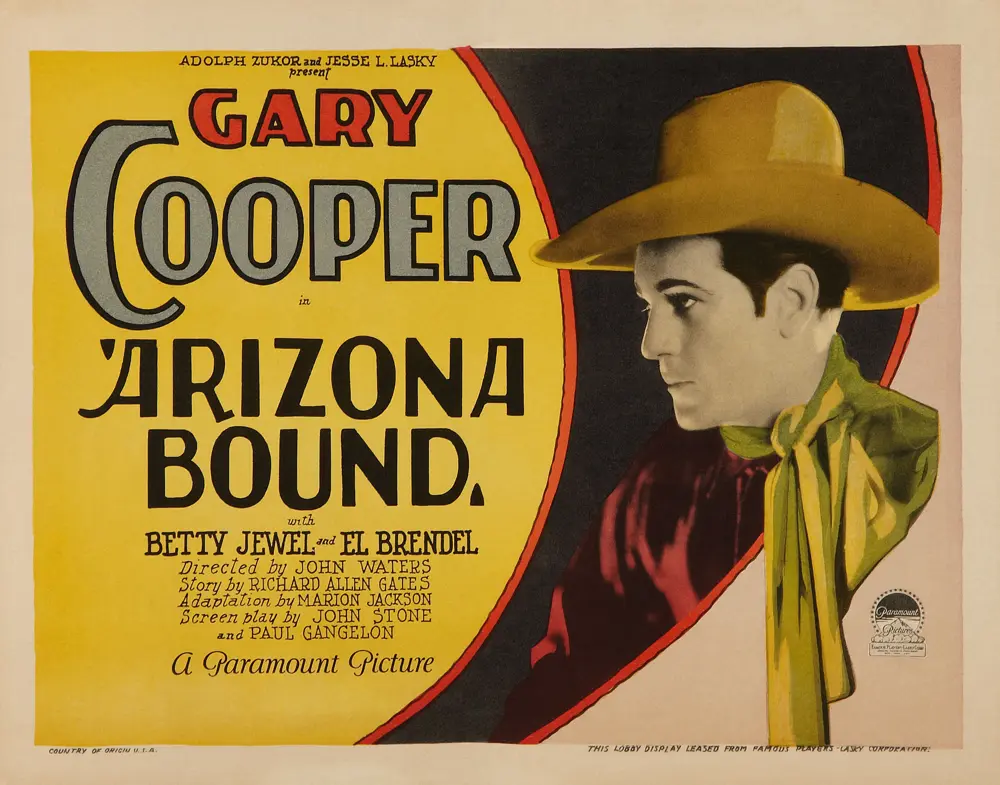
A definitive 6.9/10 rating for a film that redefined the boundaries of cult cinema. Arizona Bound remains a cornerstone of transgressive art.
Is 'Arizona Bound' worth watching today? Short answer: yes, but with significant caveats. This early Gary Cooper Western is a fascinating historical artifact for genre enthusiasts and fans of transitional cinema, offering a glimpse into the star's nascent charisma before he became a household name. However, those seeking modern pacing, intricate narratives, or polished production values will likely find it a challenging, if not tedious, watch. It is unequivocally for the ardent cinephile, the Western historian, and the dedicated Gary Cooper completist. It is decidedly not for the casual viewer expecting a high-octane, action-packed thrill ride or a complex character study.
This film works because of Gary Cooper’s undeniable, naturalistic screen presence, even in his early career, which elevates what would otherwise be a rather standard plot. It also offers a valuable window into the filmmaking techniques and storytelling conventions of late 1920s Westerns, a genre in rapid evolution. This film fails because its narrative is simplistic, its pacing often sluggish by contemporary standards, and many of its supporting performances lean heavily into theatricality, clashing with Cooper's understated approach. You should watch it if you possess a genuine curiosity for the origins of the Western genre, wish to track the development of a legendary actor, or simply enjoy the unique charm of early sound films grappling with new technology.
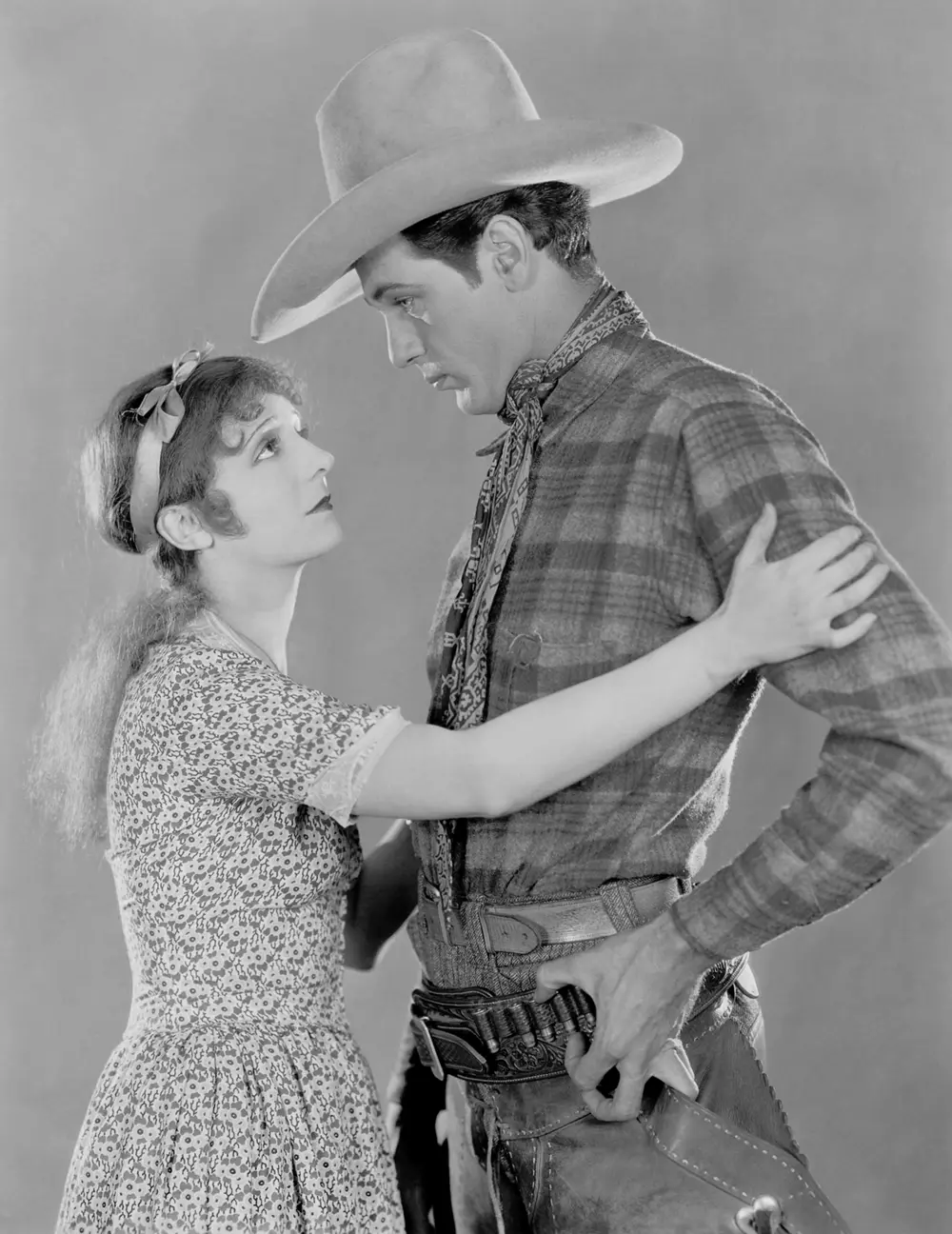
'Arizona Bound' unfolds with a narrative simplicity that is both its strength and its significant limitation. We are introduced to Dave Saulter, portrayed by a young Gary Cooper, a figure of quiet intensity who embodies the archetypal wandering cowboy. His arrival in a small, arid town is not a grand entrance but a subtle integration into the fabric of daily life, a common trope for the genre. Yet, his presence immediately stirs the narrative pot, coinciding with the preparations for a significant gold shipment, a MacGuffin if ever there was one. The gold is not merely a treasure but a catalyst, an object around which the town's hidden desires and moral ambiguities congeal.
The film then cleverly, if somewhat transparently, sets up a dual threat to this shipment. On one hand, we have Buck O'Hara, the trusted stagecoach driver, whose betrayal is meant to be a shock but is telegraphed early through his furtive glances and overeager assurances. On the other, the mysterious Texas Jack, a stranger whose motives are overtly suspicious from the outset. This dual conspiracy, rather than building layers of suspense, serves primarily to complicate Saulter's position. He is, by virtue of being the newcomer and an outsider, immediately a suspect, a convenient scapegoat for the town's authorities.
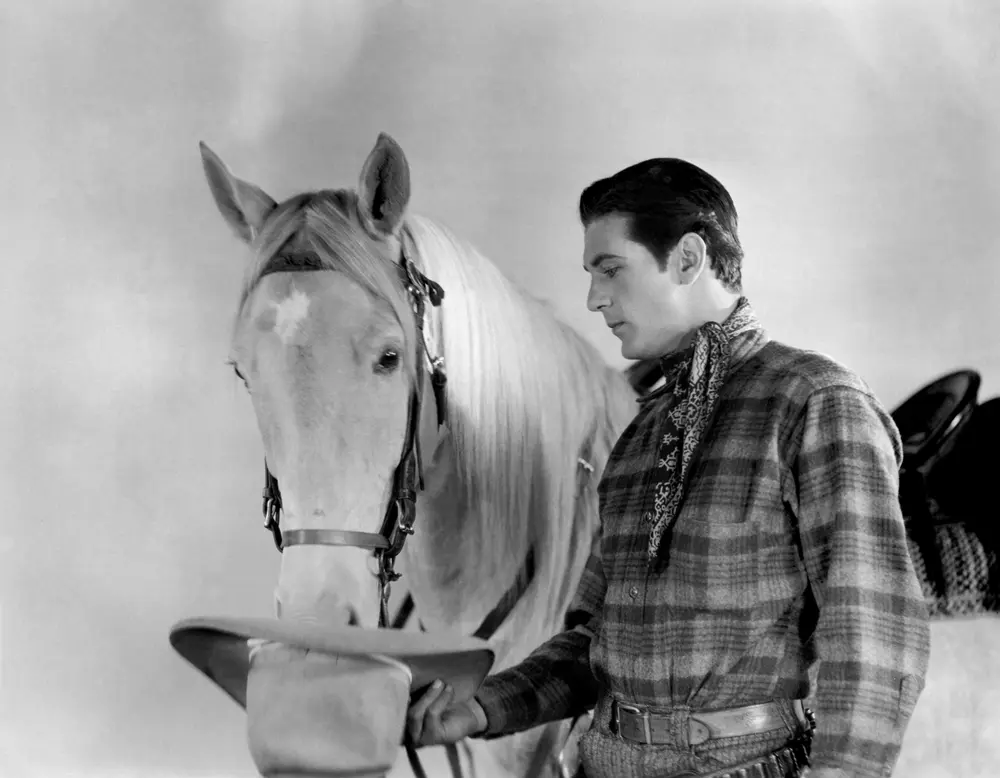
What's striking about this plot is its reliance on circumstance rather than deep character motivation. Saulter doesn't actively seek involvement; he is pulled into the maelstrom by unfortunate timing and the convenience of his outsider status. The story, therefore, isn't about a hero embarking on a quest, but about a man trying to extricate himself from a misunderstanding, a common narrative device in early cinema. It's a testament to Cooper’s presence that this relatively passive involvement still feels compelling. He elevates the material, transforming a stock character into a nascent legend through sheer force of personality. The gold itself becomes less important than the accusations it spawns, and the subsequent scramble to clear Saulter’s name forms the core of the film’s modest dramatic thrust.
To watch 'Arizona Bound' is to witness the very earliest flicker of a star that would burn brightly for decades. Gary Cooper, even at this stage, possesses an almost preternatural ability to command the screen with minimal effort. His performance as Dave Saulter is characterized by an understated naturalism that stands in stark contrast to the more theatrical, often exaggerated acting styles prevalent in early talkies. While many of his co-stars deliver lines with a stage-bound cadence, full of broad gestures and enunciated pronouncements, Cooper is already refining the 'strong, silent type' persona that would define much of his career.
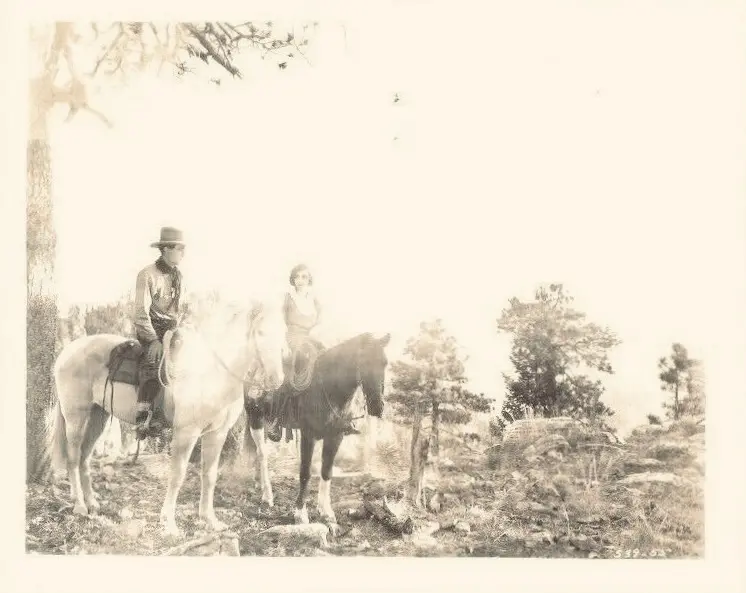
Consider his movements: economical, purposeful, never wasted. When Saulter first rides into town, there's no dramatic flourish, just a quiet arrival, a subtle survey of his surroundings. His eyes, even then, convey a depth of thought and a weariness that belies his youth. In scenes where he is accused, Cooper doesn't resort to histrionics. Instead, he projects a calm defiance, a slight tightening of the jaw, a steady gaze that communicates more than any shouted line could. This almost stoic quality, this inherent honesty in his portrayal, makes him instantly relatable and sympathetic, even when the script offers him little dialogue to work with.
It's an unconventional observation, but Cooper's performance here is arguably more compelling for its raw, unpolished energy than some of his later, more refined roles. There's an innocence to his intensity, a nascent talent that hasn't yet been fully molded by the studio system. He’s not playing a character so much as he’s simply *being* Dave Saulter, a man of few words but undeniable presence. This early display of charisma is the film’s undeniable anchor, making it a crucial watch for anyone interested in the evolution of screen acting and the birth of a Hollywood icon. Without Cooper, 'Arizona Bound' would likely be relegated to the deepest archives of forgotten B-Westerns. With him, it becomes a compelling, albeit flawed, document of cinematic history.
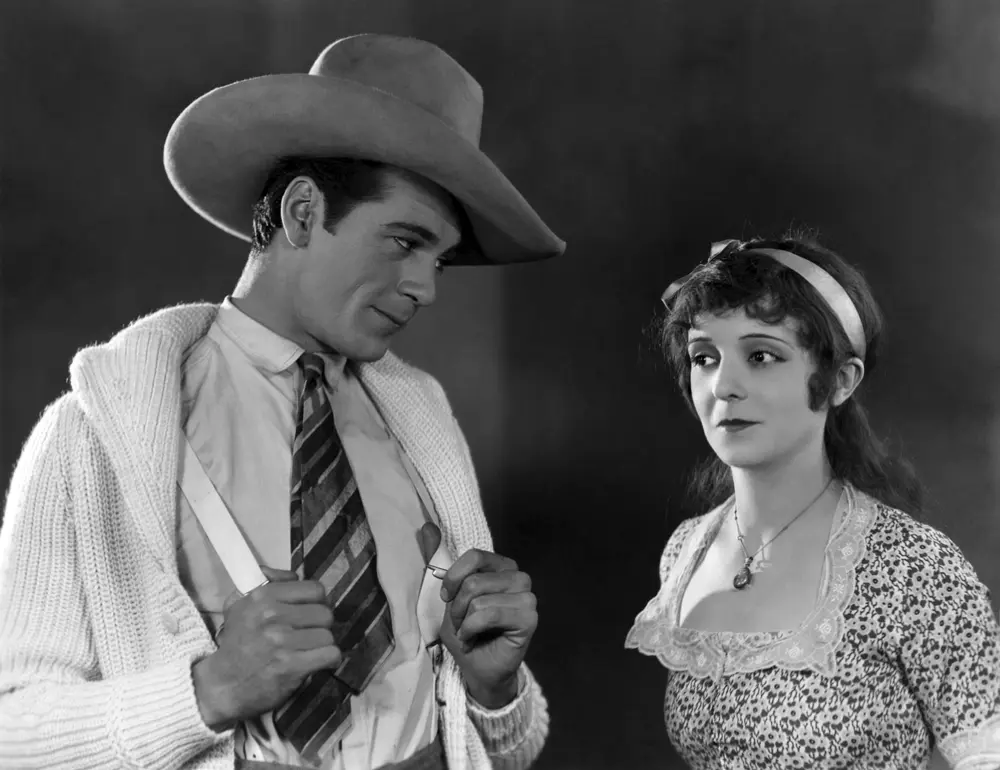
The directorial hand in 'Arizona Bound' is a product of its time, showcasing both the limitations and the emerging possibilities of early sound cinema. The film's visual language is straightforward, prioritizing clear storytelling over artistic flourishes. Shots are generally static, often framed to capture dialogue, a common characteristic as filmmakers grappled with bulky sound equipment and the need to keep actors within microphone range. This leads to a certain rigidity in composition, particularly in indoor scenes, where the camera often feels like a passive observer rather than an active participant in the narrative.
However, when the film ventures out into the titular Arizona landscape, there are glimpses of the visual grandeur that would come to define the Western genre. The wide-open spaces, though not always captured with dynamic camera movement, convey a sense of scale and isolation that is integral to the Western mythos. The natural light, harsh and unforgiving, sculpts the faces of the cowboys and the dusty textures of the town, lending an authentic, almost documentary-like feel to the environment. One particular sequence, involving the stagecoach journey, despite its relatively simple staging, manages to evoke the inherent dangers of travel in the Old West, with the vast, empty expanses serving as a silent, menacing character.
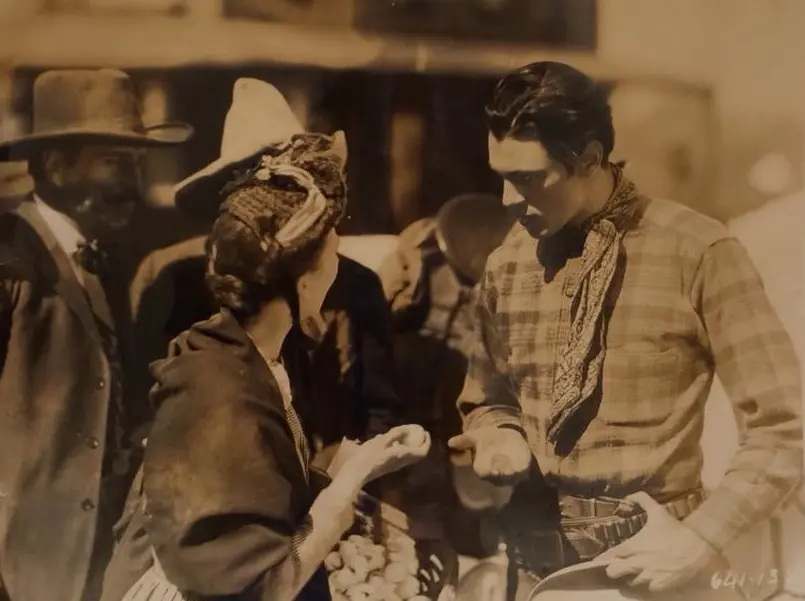
Action sequences, while rudimentary by today's standards, reveal the nascent attempts to choreograph movement for the screen. Horse chases are functional, if not particularly thrilling, relying more on the speed of the animals than on complex editing or innovative camera work. There's a certain charm in their earnestness, a clear effort to convey excitement even with limited technical means. It’s a far cry from the dynamic, kinetic energy of later Westerns like those directed by John Ford, but it’s an essential step in that evolutionary process. The film’s visual style, therefore, is less about artistic intent and more about pragmatic storytelling within the technological constraints of the era. It works. But it’s flawed.
The pacing of 'Arizona Bound' is perhaps its most challenging aspect for contemporary viewers. It moves at a deliberate, almost languid rhythm, characteristic of many films from the late 1920s and early 1930s. The exposition is unhurried, allowing scenes to play out in extended takes, often with a significant amount of dialogue that might be condensed in a modern film. This can feel sluggish, particularly during moments of plot setup or character interaction that don't directly involve Gary Cooper's magnetic presence.
The film grapples with the transition from silent films, where visual storytelling and title cards carried much of the narrative weight, to the demands of spoken dialogue. This often results in scenes that feel stretched, as if the filmmakers were still learning how to balance visual action with auditory information. The dramatic beats, when they arrive, can feel somewhat abrupt, lacking the build-up that audiences now expect. The tension, while present, is rarely sustained at a high level, ebbing and flowing with a gentle predictability that underscores its early origins.
Tonally, 'Arizona Bound' is a straightforward adventure. It’s earnest in its portrayal of good versus evil, with clear heroes and villains, and little in the way of moral ambiguity. There's a distinct lack of cynicism, a refreshing innocence that reflects the era's approach to storytelling. The film never attempts to delve into complex psychological depths; instead, it focuses on external conflicts and the resolution of a clear-cut injustice. This unpretentious tone, while perhaps simplistic, contributes to its charm as a historical artifact, offering a glimpse into a time before genre conventions became heavily deconstructed. It’s a snapshot of a Western before the revisionist era, a testament to simpler narratives for simpler times.
Is 'Arizona Bound' worth your time in the modern era? For the right audience, absolutely. If you are a dedicated fan of classic Westerns, particularly those from the early sound period, this film offers significant value. It showcases the raw talent of Gary Cooper before he became a polished star, providing a unique perspective on his development. Film historians and students of cinematic evolution will find it an intriguing case study of early talkie production. It's a film that demands patience and an appreciation for its historical context rather than its adherence to contemporary filmmaking standards. It serves as a vital bridge between the silent era and the Golden Age of Hollywood, demonstrating the challenges and triumphs of a rapidly evolving art form. However, if you're looking for a fast-paced, action-packed Western with complex characters and high production values, you might find it difficult to engage with. It's a niche watch, but a rewarding one for those who appreciate its unique place in film history.
‘Arizona Bound’ is not a forgotten masterpiece, nor is it a film for everyone. It is, however, an indispensable piece of cinematic archaeology for those fascinated by the genesis of Hollywood's greatest stars and the evolution of a beloved genre. Its true value lies not in its narrative sophistication or technical brilliance, but in its accidental ethnography of early sound filmmaking and the magnetic, almost prophetic, presence of Gary Cooper. It’s a film that demands a specific kind of appreciation, a willingness to look past its rough edges and embrace its historical context. For the patient and the curious, it offers a rewarding, if somewhat quaint, journey back to the very roots of the Western. It’s a film I would recommend with a strong asterisk, a caveat that its charm is intrinsically tied to its age. Watch it not for a thrilling ride, but for a fascinating lesson in cinema history.
IMDb 5.8
1931
Community
Log in to comment.