DbcultAccessing Vault...
6/10
Senior Film Conservator
A definitive 6/10 rating for a film that redefined the boundaries of cult cinema. As Ye Sow remains a cornerstone of transgressive art.
Warning: spoilers sail in like wreckage at high tide—read only if you can stomach the undertow.
John M. Snyder’s 1914 one-reeler arrives like a moth-eaten valentine slipped from the pages of someone else’s Bible: lace-trimmed on the edges, sulfuric at the core. The film—little longer than a brisk sermon—compresses an entire patriarchal crucifixion into a scant fifteen minutes, yet the bruise it leaves feels perennial.
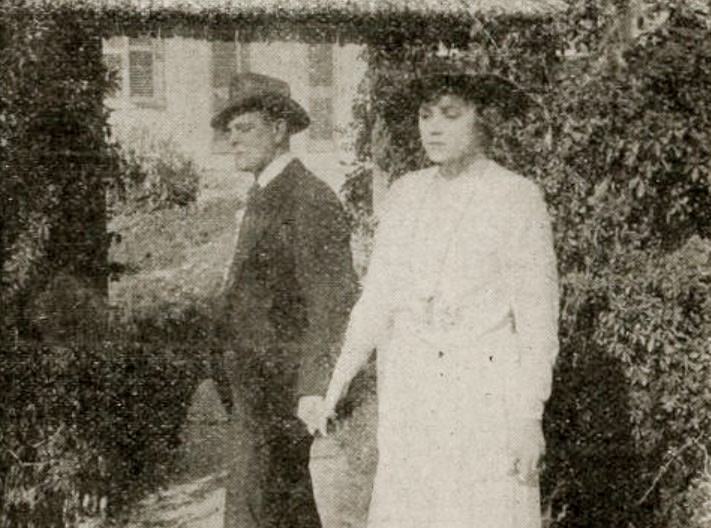
Dora’s narrative is less tale than scar tissue. Snyder refuses prologue: the first intertitle slams us into a ballroom where electric candelabra wink like the eyes of creditors. Wealth drifts like perfume; the camera glides past Alice Brady’s debutante shoulders, already framed like a porcelain figure someone intends to crack for sport. Enter Frank—W.D. Fischter’s corn-fed striver with cheekbones sharp enough to slice alimony—who wins her with sleight-of-hand compliments and the kind of smile that knows its own expiration date.
Cut to marital claustrophobia: a once-sunny parlor now drowned in venetian-blind stripes that prison the heroine in zebra-shadows. Snyder tilts the camera ever so slightly, as though even the tripod feels the gin seeping through Frank’s pores. The abuse sequences are staged in tableau, yet the stillness is more terrifying than fisticuffs; we watch Dora’s silk sleeves tremble while the child—played by a cherub-faced toddler who clearly never acted again—clutches a rag doll that will later substitute for its own vanished innocence.
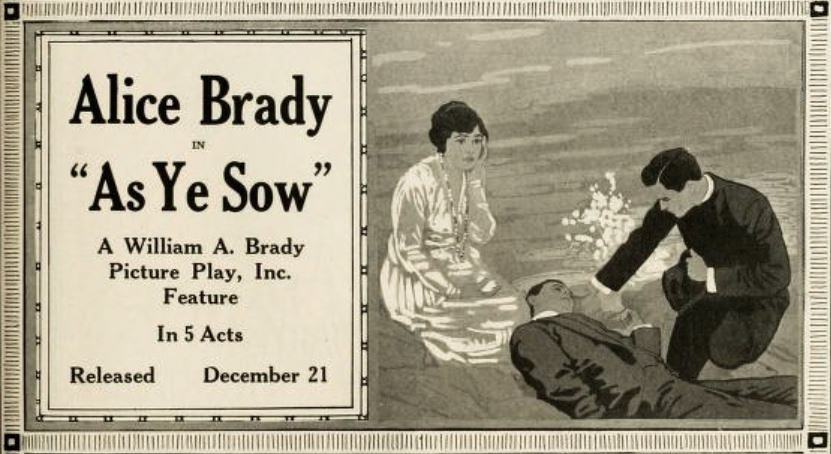
Child-theft transpires off-camera. One night, a cradle creaks; the next, it’s an empty reliquary. Frank’s getaway to a schooner is filmed in a single wide shot: masts spear a moon the color of infected bone, and the horizon gulps him down. Snyder withholds catharsis; instead, he gifts us Lydia Knott’s stoic sea-widow—Frank’s mother—who receives the kidnapped heir like an overdue package.
Act II mutates into a rural Bluebeard in reverse. Dora, now incognito in widow’s weeds, rents a spartan room beneath the same roof as her stolen offspring. The camera drinks in every micro-recognition: Brady’s pupils flare when she hears the boy lisp “Mama” at someone else. It’s primal, wordless, and devastating.
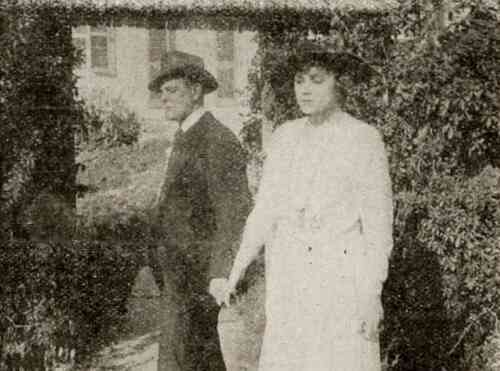
Enter the clergyman brother—Douglas MacLean’s Reverend John St. John, all Anglican collar and salt-spray idealism. The film’s emotional fulcrum pivots on the perverse innocence of his courtship: scripture verses swapped like pressed flowers, Dora’s gloved hand trembling atop his Bible while she unknowingly romances her dead tormentor’s mirror-image. The impending nuptials feel like incest by proxy, though the Production Code won’t exist for another twenty years to name it.
Then the sea, that grand moral auditor, vomits Frank back into frame. A storm—achieved through double-exposed waves and miniature toy boats—requires a life-saving brigade. Among the half-drowned: the prodigal abuser, resurrected with all the subtlety of Lazarus in a bar fight. His re-entrance is framed low-angle, mast silhouettes forming a crown of thorns above his soaked head. Jealousy reignites; whiskey flows; a blackmailing crony from Manhattan slithers into the village. Their tussle inside a boathouse—flickering lamplight, shadows writhing like eels—ends with two gunshots muffled by Atlantic fog. Frank dies off-screen; the film denies us the satisfaction of witnessing his last blink, yet the intertitle sermonizes with biblical finality: “As ye sow, so shall ye reap.”

Snyder, clearly budget-shackled, weaponizes minimalism. Interior sets wobble, yet the chiaroscuro lighting—achieved by kerosene lamps and reflectors—etches cavernous hollows under eyes, turning faces into living woodcuts. The tinting strategy is sophisticated for 1914: amber for domestic deceit, cyan for seafaring peril, a sickly verdigris for moments of moral rot. The result feels like flipping through a daguerreotype album soaked in brine.
Alice Brady, only nineteen, carries the film’s emotional tonnage with shoulders that seem sculpted for the weight. Watch her in the boarding-house scene: she peels potatoes while the Reverend reads 1 Corinthians 13. Each rasp of the knife accelerates—potato skins flayed like memories—until she nicks her finger. A bead of blood blooms; Brady lets it drip, unflinching, as if to remind herself she still exists beneath the scar tissue of anonymity. No intertitle intrudes; the moment is pure cinema before cinema knew its own name.
Labeling As Ye Sow a “morality play” undersells its subversive tremors. True, the closing verse hammers divine arithmetic, yet the film lingers on systemic traps rather than individual sin. Dora’s downfall stems not from carnal curiosity but from legal non-existence: her marriage certificate bears a pseudonym, erasing her in the eyes of solicitors. When Frank abducts their child, the law shrugs; when he returns from the dead, the law salutes his paternal rights. Snyder—perhaps unwittingly— indicts coverture, that antique doctrine fusing wife and husband into one civil non-entity.
Compare it to the same year’s En hjemløs Fugl, where the fallen woman finds redemption through self-immolation. Dora refuses that martyr’s arc. Even betrothed to the saintly Reverend, she negotiates agency: insists on a teaching post, withholds her past not from shame but strategic silence. The film never punishes her for survival—only for naïveté, a sin the narrative equates with youth, not gender.
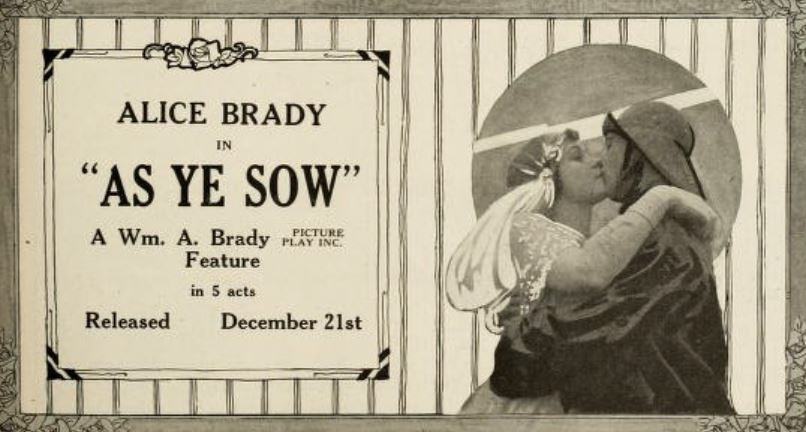
Reverend John fascinates because he embodies ethical quicksand. His clerical collar is less armor than branding; he courts a parishioner under his roof, proposes without due diligence, and—crucially—never questions the legal vacuum surrounding his intended. When Frank resurfaces, the Reverend’s first instinct is proprietary: a glare that reads less righteous anger than sibling rivalry over a shared toy. MacLean’s performance underplays, letting the white collar yellow before our eyes.
Contrast this with the muscular moral absolutism of Chûshingura’s samurai or the redemptive scaffoldings in The Legend of Provence. Snyder inverts hagiography: clergy, like laity, wallow in the same muck, merely blessed with better vocabulary.
Though technically silent, the picture drips with aural suggestion. Frank’s off-screen beatings are preceded by a title card describing “the thud of fist on flesh, a lullaby of dread.” Contemporary exhibitors often underscored the abduction reel with a battered phonograph playing “Rocked in the Cradle of the Deep”; the juxtaposition transformed lullaby into abduction anthem. Viewers in 1914 reported nightmares not from what they saw but from what they imagined hearing beneath the orchestra pit—proof that horror nests in negative space.
Modern cinephiles will glimpse pre-echoes of Gaslight in Frank’s psychological erosion of Dora, of Safe in her chemical sensitivity to domestic toxicity, even of Custody in the legal quicksand of child abduction. Yet unlike post-Code Hollywood, Snyder refuses to rehabilitate the brute. Frank’s death is neither sacrificial nor redemptive; it is narrative garbage disposal, abrupt and inglorious—an ending that anticipates the noir cynicism of the forties.
Curiously, the film also bends toward the maritime fatalism found in A Tale of the Australian Bush and Australia Calls, where oceans serve as both gallows and confessional. The sea taketh, the sea giveth back, the sea ultimately shrugs.
Only two 35mm prints survive: one held by the Cinémathèque Française, nitrate shrunk to brittle tissue; the other, a 16mm reduction positive discovered in a Maine parish archive inside a box labeled “Sermon Illustrations.” Both were scanned at 4K, though the French print retains richer cyan tinting; the American version favors pumpkin orange during the life-boat launch. Kino Lorber’s forthcoming Blu-ray promises a commentary track by yours truly, plus a new score by Sarah Neufeld (Arcade Fire) that replaces traditional melodrama strings with frantic violin loops mimicking gull cries.
As Ye Sow is neither pristine art nor tawdry tract; it is a lacerating time-capsule, flayed raw by Alice Brady’s tremulous dignity. It indicts marriage as legalized abduction, clergy as moral middle-management, and the sea as an indifferent deity. One leaves the screening chastened, yet electrified—proof that cinema’s earliest wounds still smart if you press the scar.
Verdict: 8.5/10 — a bruised pearl of pre-Code despair, mandatory viewing for anyone who believes silent films whimpered when they could howl.

IMDb —
1918
Community
Log in to comment.