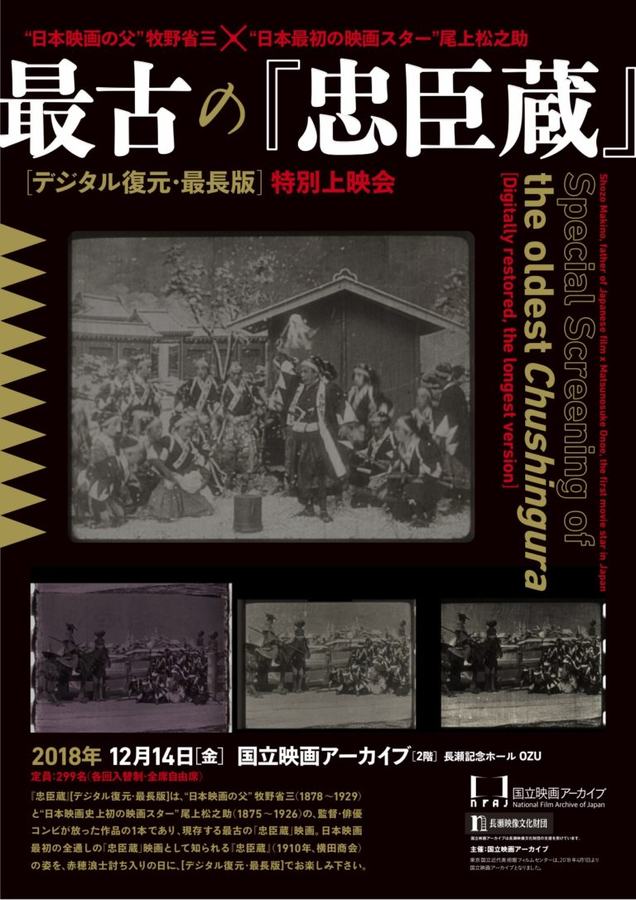
Earliest surviving feature film depicting legend of the 47 ronin (see Mizoguchi, Inagaki, Ichikawa, and others).
Japan
A century before bullet-time and drone shots, Japanese screens flickered with the first living ukiyo-e: Chûshingura, an embalmed 1912 scroll that refuses to stay academic.If you approach this 74-minute artifact expecting quaint kabuki poses, prepare for a katana-sharp lesson in narrative montage. Director Shōzō Makino,...
Comparing the cinematic DNA and archive impact of two defining moments in cult history.
Shôzô Makino
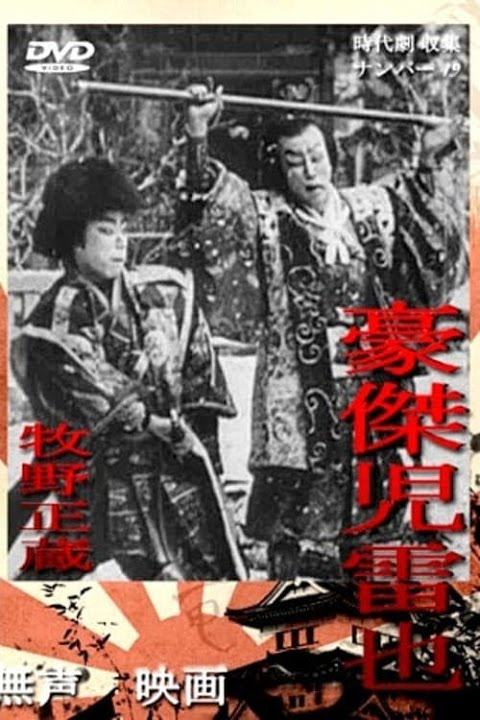
Shôzô Makino
Community
Log in to comment.
"A century before bullet-time and drone shots, Japanese screens flickered with the first living ukiyo-e: Chûshingura, an embalmed 1912 scroll that refuses to stay academic.If you approach this 74-minute artifact expecting quaint kabuki poses, prepare for a katana-sharp lesson in narrative montage. Director Shōzō Makino, the Edison of Kyoto, stitches together disparate hand-painted stage sets and actual forest exteriors, creating depth planes that anticipate Kurosawa by four decades. The camera, o..."
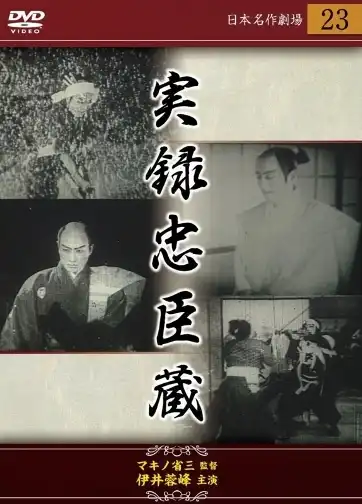
1928 · IMDb 6.4
Shôzô Makino