DbcultAccessing Vault...
8/10
Senior Film Conservator
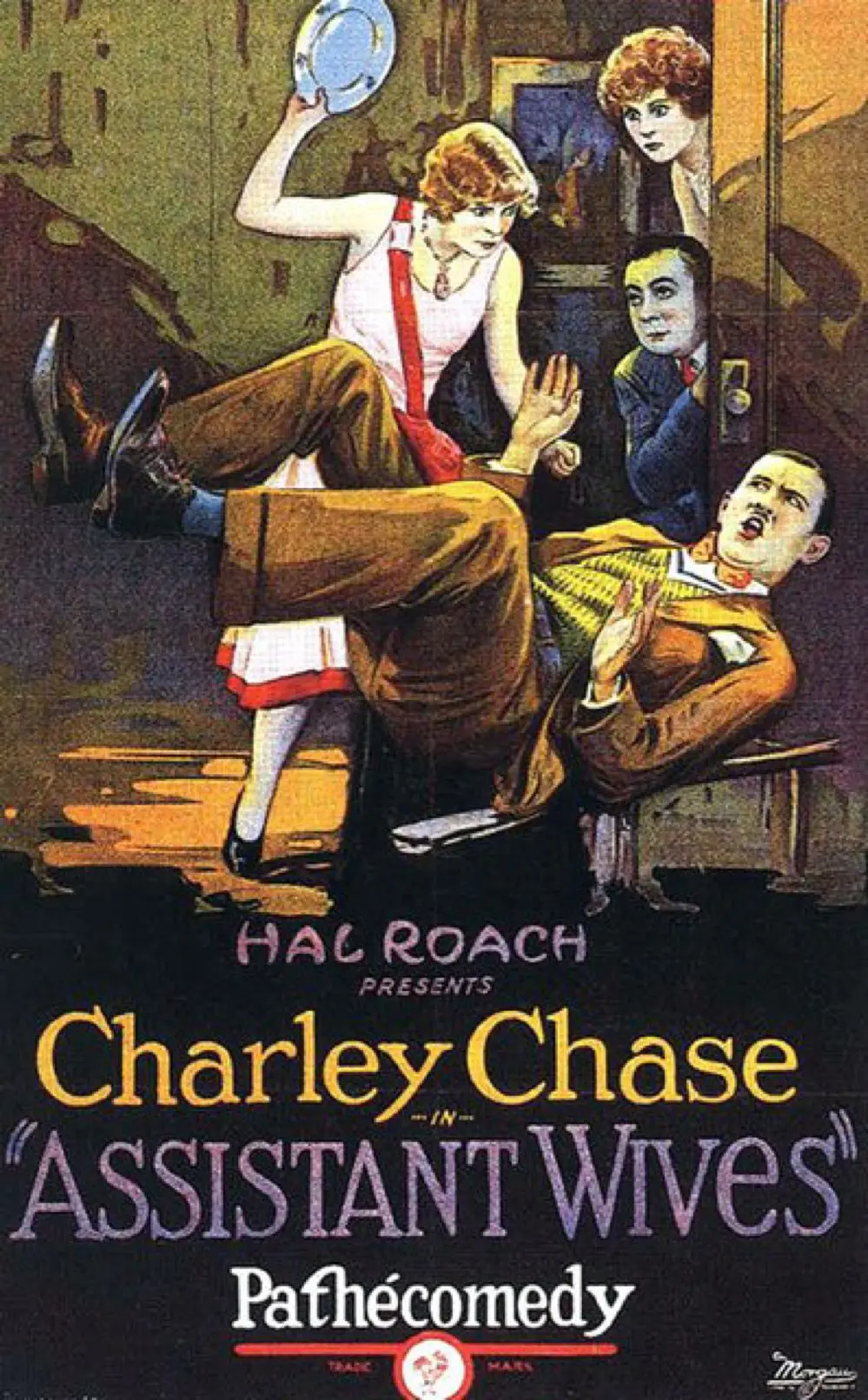
A definitive 8/10 rating for a film that redefined the boundaries of cult cinema. Assistant Wives remains a cornerstone of transgressive art.
Is 'Assistant Wives' a forgotten classic or a relic best left in the archives? Short answer: For silent comedy aficionados, absolutely, but casual viewers might struggle with its pacing and the unique comedic language of the era. This film is an absolute must-see for anyone with an appreciation for the meticulous craft of silent-era physical comedy and the genius of Charley Chase, yet it may not resonate with audiences accustomed to modern narrative structures and rapid-fire dialogue.
In the vast, often-overlooked landscape of silent cinema, Charley Chase stands as a figure of quiet brilliance, a comedic architect whose work, like 1927's 'Assistant Wives,' deserves far more contemporary recognition. While names like Chaplin, Keaton, and Lloyd rightly dominate the discourse, Chase carved out his own distinctive niche, specializing in the humor of the "everyman" caught in increasingly absurd, yet entirely relatable, domestic predicaments. 'Assistant Wives' is a prime example of his particular genius, a tightly constructed short that elevates a simple misunderstanding into a masterclass of escalating farce.
This film works because: It masterfully orchestrates a simple premise into a crescendo of well-timed physical gags and character-driven humor, showcasing Charley Chase's underrated comedic precision.
This film fails because: Its narrative, while charmingly chaotic, sometimes feels stretched for its runtime, and the reliance on period-specific comedic tropes might alienate a modern, uninitiated viewer.
You should watch it if: You appreciate the subtle art of silent slapstick, have an interest in film history, or are simply looking for a lighthearted, genuinely funny escape into a bygone era of cinema.
At its core, 'Assistant Wives' is a tale of mistaken identity fueled by social anxiety. Charley, played by the inimitable Charley Chase, finds his world upended by the impending visit of his formidable boss, Palette (Eugene Pallette). The problem? Charley's domestic arrangements are, shall we say, less than ideal. In a desperate, ill-conceived attempt to project an image of respectable marital bliss, he enlists a woman from a local flapjack stand to impersonate his wife. This single, desperate act of deception is the spark that ignites a powder keg of comedic chaos.
The film's pacing is a masterclass in controlled escalation. It begins with a relatively calm, if slightly frantic, setup, allowing the audience to understand Charley's predicament. Once Palette arrives, the tempo shifts, building steadily with each new complication. The gags don’t merely occur; they build upon one another, each minor lie necessitating a larger, more elaborate one, trapping Charley in an ever-tightening net of his own making.
Consider the sequence where Charley attempts to "coach" his temporary wife on the intricacies of their fictional marriage. The rapid-fire visual cues, the panicked whispers, and the boss's increasingly suspicious glances create a palpable tension that is expertly released through physical comedy. It’s a testament to Chase’s directorial hand (he often directed his own shorts) that the narrative never feels rushed, yet maintains a constant forward momentum, preventing any lulls in the humor. This careful balance is a hallmark of superior silent comedy, a skill often overlooked in today's fast-cut world.
Charley Chase's comedic persona is less about the grand, athletic stunts of Keaton or the sentimental tramp of Chaplin. Instead, Chase excelled in the realm of the "put-upon" everyman, a character perpetually on the brink of social disaster. His humor is derived from his reactions – the subtle eye rolls, the exasperated sighs, the increasingly frantic attempts to maintain an illusion that everyone else can see through. In 'Assistant Wives,' he perfectly embodies this archetype.
His performance here is a nuanced dance between panic and forced composure. Watch his facial expressions when Palette delivers a particularly pointed remark about domestic harmony; Chase doesn't overplay it. Instead, a flicker of terror crosses his face, quickly masked by a strained smile. It’s this understated quality that makes his comedy so enduring, so human. He's not a clown; he's a man trying desperately not to fall apart, and
IMDb —
1926
Community
Log in to comment.