DbcultAccessing Vault...
6.1/10
Senior Film Conservator
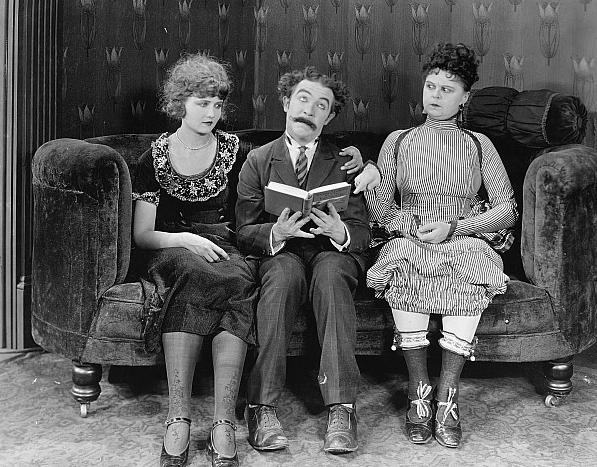
A definitive 6.1/10 rating for a film that redefined the boundaries of cult cinema. Astray from the Steerage remains a cornerstone of transgressive art.
There’s a certain magic to silent cinema, a language of gesture and expression that transcends spoken words, and Astray from the Steerage, though perhaps not as widely celebrated as some of its contemporaries, offers a compelling glimpse into the immigrant experience of its era, infused with a distinct blend of pathos and slapstick. This isn't just a film; it’s a time capsule, meticulously crafted to reflect the anxieties and absurdities of traversing cultural thresholds, all wrapped in a narrative that, while simple on its surface, unravels with surprising depth. It forces us to consider the unseen struggles, the silent prayers, and the often-unintended consequences that shape the lives of those seeking a fresh start.
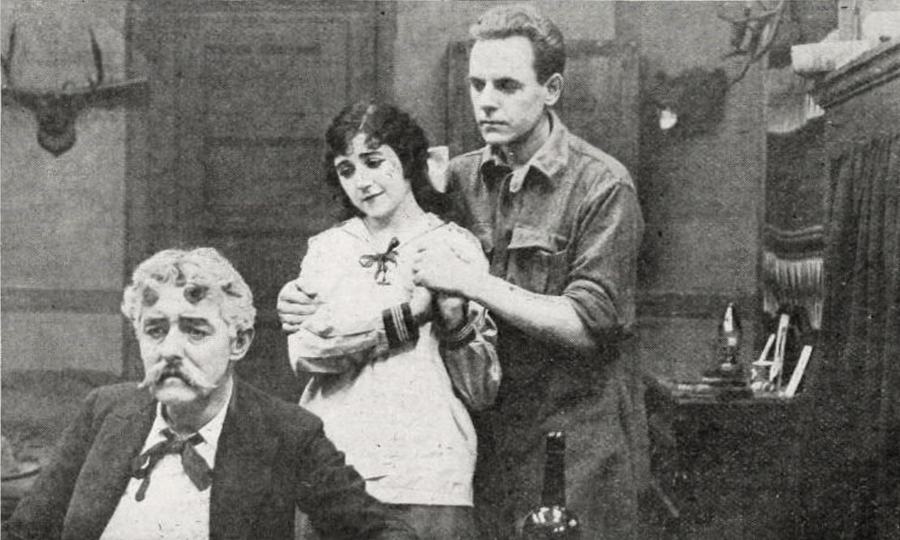
The narrative commences with an immigrant couple, their faces etched with a cocktail of hope and apprehension, navigating the intimidating machinery of officialdom. One can almost feel the weight of their dreams and the scrutiny of the authorities, who are tasked with determining their 'fitness' for a new world. This initial sequence, devoid of dialogue, speaks volumes through the actors' nuanced performances. The wife, portrayed with admirable sensitivity by Dot Farley, conveys a quiet dignity despite her vulnerability, her eyes reflecting both a yearning for acceptance and a fear of rejection. Her husband, played by Don Marion, mirrors her anxieties, embodying the everyman's struggle against an impersonal system. Their plight immediately draws the viewer into a sympathetic understanding of the immense emotional toll exacted by such a momentous life change.
The true pivot of the story, however, arrives with the introduction of a smuggler, a character destined to inject an unexpected jolt of chaotic energy into an otherwise solemn premise. Gordon Lewis delivers a memorable turn as this bumbling rogue, whose attempt to surreptitiously stash a bottle of contraband within the couple's luggage goes spectacularly awry. In a moment of pure, unadulterated physical comedy, he inadvertently seals himself inside the very receptacle he sought to exploit. This single, ludicrous mishap transforms the film from a poignant drama of immigration into a farcical journey, where the lines between intent and consequence blur with hilarious, if uncomfortable, results. It’s a stroke of narrative genius that elevates the film beyond mere social commentary, infusing it with an unpredictable, almost surrealistic humor that recalls the best of early cinematic clowning, perhaps even hinting at the kind of sustained physical comedy seen in later works like The Clown's Little Brother, albeit with a more desperate edge.
What follows is a brilliant exploration of situational irony. The authorities, oblivious to the human cargo they are processing, complete their assessment, and the couple, along with their now-inhabited luggage, are dispatched to their new place of employment. The smuggler's confinement within the confines of a suitcase, a truly claustrophobic predicament, becomes a source of both comedic tension and subtle commentary on the unseen burdens carried by immigrants. His muffled struggles and desperate attempts to escape, while unseen by the characters on screen, are vividly imagined by the audience, creating a palpable sense of anticipation for his inevitable, and undoubtedly explosive, reveal. This segment of the film masterfully uses the limitations of silent cinema to its advantage, allowing the viewer's imagination to fill in the unseen details of the smuggler's increasingly desperate plight.
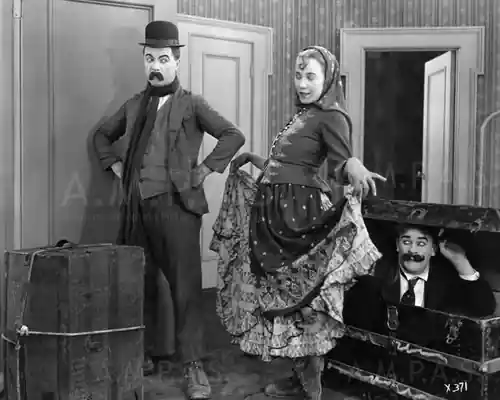
Upon arrival at their destination, a grand house where they are to work, the stage is perfectly set for the escalating chaos. The film cleverly juxtaposes the hopeful innocence of the immigrant couple with the ticking time bomb of their luggage. The domestic setting, typically a sanctuary, becomes a potential arena for pandemonium. The ensuing scenes, as the smuggler inevitably attempts to extricate himself, are a masterclass in escalating comedic tension. The film’s strength lies in its ability to build this tension, drawing out the suspense of the reveal, making the audience complicit in the secret. This kind of slow-burn comedic build-up, where the audience is privy to information the characters are not, is a hallmark of effective silent comedy, demanding precise timing and expressive acting from the entire ensemble.
The thematic richness of Astray from the Steerage extends far beyond its comedic premise. It subtly critiques the often-dehumanizing processes of immigration, where individuals are reduced to mere statistics or cases, their personal stories overshadowed by bureaucratic procedure. The film also touches upon the elusive nature of the 'American Dream,' suggesting that even after clearing official hurdles, new arrivals might still find themselves metaphorically 'astray' in a land that is both promising and bewildering. The inadvertent presence of the smuggler in their luggage can be seen as a symbol of the unexpected baggage—both literal and metaphorical—that accompanies such a monumental transition. This hidden burden, this secret waiting to explode, reflects the hidden challenges and unforeseen complications that often accompany the pursuit of a better life. In this sense, it shares a thematic resonance with films like Fattigdrengen, which, through a different lens, also explores the harsh realities faced by the less fortunate and the unexpected turns their lives can take.
The directorial choices in Astray from the Steerage are particularly noteworthy for their economy and impact. The pacing is deliberate, allowing moments of quiet reflection to breathe before erupting into physical comedy. The use of intertitles is judicious, providing just enough information to propel the narrative without overwhelming the visual storytelling. This balance is crucial in silent film, where over-reliance on text can detract from the power of the images. The camera work, while not overtly flashy, is effective in establishing mood and enhancing the comedic timing. Close-ups on the characters' faces, particularly Dot Farley's, effectively convey their inner turmoil and determination, drawing the audience into their emotional world. The film understands the power of the unspoken, relying on universally understood gestures and reactions to communicate complex emotions and situations.
The performances across the board are commendable. Dot Farley, as mentioned, imbues her character with a quiet strength that grounds the film's more farcical elements. Her expressions of bewilderment, hope, and eventual exasperation are perfectly pitched. Don Marion provides a solid, earnest counterpoint, his character's resilience a testament to the human spirit. But it is Gordon Lewis who truly shines in the comedic role, his physical antics and increasingly desperate expressions providing much of the film's belly laughs. His ability to convey both panic and a certain roguish charm, all without uttering a single word, is a testament to his skill as a silent film actor. His performance is a masterclass in comedic timing, allowing the absurdity of his predicament to unfold with maximum effect.
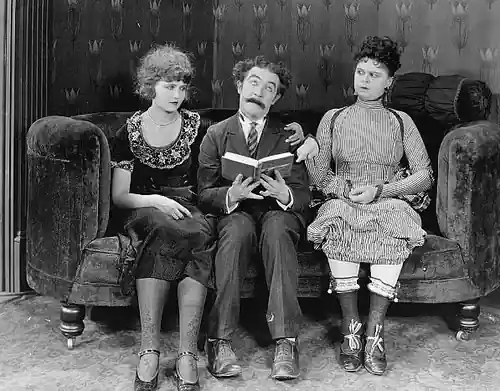
The supporting cast, a veritable who's who of silent era stalwarts, adds considerable color and texture to the film's tapestry. Billy Bevan, known for his prolific comedic work, undoubtedly brings his characteristic energy to his role, however brief. Similarly, Louise Fazenda, a beloved comedienne of the era, would have contributed her unique brand of vivacity and charm, enhancing the ensemble's dynamic. Actors like Eddie Gribbon, Tiny Ward, Lige Conley, John Rand, Patrick Kelly, Harriet Hammond, Garry O'Dell, Dick Dickinson, and Al Cooke, while their specific roles might be minor, collectively create a vibrant and believable world around the central narrative. Their contributions, often in the form of expressive background reactions or brief, impactful appearances, are vital in establishing the atmosphere and supporting the main performances. This rich ensemble cast, typical of the studio system of the time, ensures that even fleeting moments are imbued with character and purpose.
In the broader context of silent cinema, Astray from the Steerage holds a fascinating place. It's not a grand epic like The Independence of Romania, nor a lavish drama akin to Die Herrin der Welt 4. Teil - König Macombe. Instead, it thrives on its intimate scale and relatable human experiences, even when those experiences veer into the ludicrous. The film's enduring appeal lies in its ability to blend genres seamlessly—part social drama, part slapstick comedy—creating a unique cinematic experience that resonates with both intellect and emotion. It is a testament to the versatility of early filmmakers, who were not afraid to experiment with tone and narrative structure, crafting stories that could be both entertaining and thought-provoking.
The technical aspects, while perhaps not groundbreaking for their time, are certainly effective. The cinematography captures the stark realities of the immigration process and the domestic chaos with clarity. The editing is crisp, maintaining a steady rhythm that allows both the emotional beats and the comedic gags to land effectively. The use of natural lighting, where possible, adds an authenticity to the settings, making the audience feel more immersed in the narrative. While silent films relied heavily on musical accompaniment (often live), the visual storytelling here is so strong that one can almost imagine the accompanying score, guiding the emotions from anxious hope to joyous relief, or frantic panic. The overall production value, though modest by today's standards, speaks to the craftsmanship and dedication of the era's filmmakers.
Ultimately, Astray from the Steerage is more than just a forgotten film from the silent era; it is a vibrant, engaging piece of cinematic art that speaks to universal themes of belonging, the pursuit of opportunity, and the unpredictable nature of fate. It reminds us that even in the most earnest of endeavors, humor and absurdity are never far behind. The film’s ability to elicit both laughter and empathy is its greatest triumph, making it a valuable historical document and a thoroughly enjoyable viewing experience. It invites us to consider the hidden narratives within every migration, the unexpected twists and turns that define a journey, and the profound resilience of the human spirit in the face of the unknown. It’s a film that leaves you pondering not just the fate of its characters, but the broader tapestry of human movement and aspiration, making it a surprisingly poignant and relevant piece of cinematic history even today.
In an age where grand narratives often overshadow the intimate, Astray from the Steerage stands as a quiet yet powerful reminder of the individual stories that form the bedrock of history. It’s a film that deserves to be rediscovered, not just for its comedic brilliance or its historical insights, but for its profound humanity. It’s a testament to the power of cinema to capture the essence of an era, to make us laugh, and to make us think, all without uttering a single word. Its blend of social commentary and farcical mishap makes it a unique entry in the silent film canon, a delightful and thought-provoking journey that, much like its characters, takes an unexpected turn into memorable territory. The accidental journey within the luggage serves as a powerful metaphor for the hidden complexities and unforeseen challenges that often accompany the quest for a new beginning, making this film a timeless exploration of the immigrant experience and the unpredictable hand of destiny.
IMDb —
1921
Community
Log in to comment.