DbcultAccessing Vault...
5.3/10
Senior Film Conservator
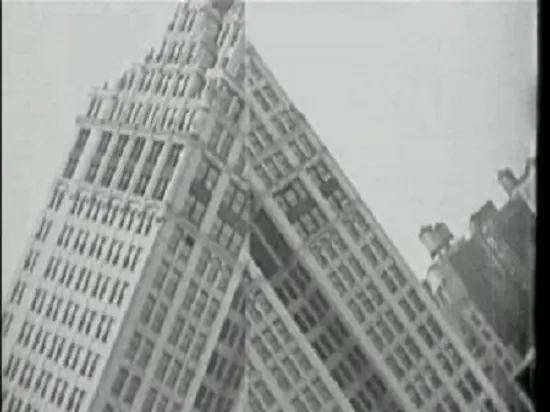
A definitive 5.3/10 rating for a film that redefined the boundaries of cult cinema. Looney Lens: Split Skyscrapers remains a cornerstone of transgressive art.
From the outset, 'Looney Lens: Split Skyscrapers' (/movies/looney-lens-split-skyscrapers) is a film that demands the viewer's undivided attention. The central conceit of the narrative revolves around a unique photographic technique that warps and distorts the urban landscape of 10th Avenue. This lens, which the filmmakers have employed with a degree of precision and creativity, transforms familiar cityscapes into fractured, almost alien vistas.
Al Brick's on-screen presence, as a detective investigating a series of strange occurrences linked to the photography, serves as a bridge between the visual spectacle and the narrative. Brick's character navigates a world where reality and illusion are blurred, a task that mirrors the audience's own experience. The use of his character adds a layer of depth, allowing the film to explore themes of perception and reality.
The warping lens used to photograph 10th Avenue seems to be the focal point of the film's visual strategy. This unique technique is not just a gimmick; it's a tool to create a sense of unease and disorientation, which aligns well with the film's overall mood. The disorienting effect of the lens is heightened by the way it shifts and distorts the urban environment, making the familiar seem strange and the strange feel familiar. This visual dissonance is a clever way to challenge the audience to question their perception of reality.
Comparing 'Looney Lens: Split Skyscrapers' to other films that have pushed the boundaries of urban aesthetics, such as 'The Bar Sinister' (/movies/the-bar-sinister) or 'The Crucible of Life' (/movies/the-crucible-of-life), where the city itself becomes a character, highlights the film's innovative approach to urban landscape. While these films also play with the city's architecture, 'Looney Lens' takes it a step further by literally distorting the space, creating a visual and psychological effect that is both intriguing and unsettling.
Moreover, the use of the warping lens serves as a metaphor for the film's exploration of identity and perception. Just as the lens distorts the urban environment, it also distorts the characters' perceptions of themselves and the world around them. This layers of meaning add a rich, thematic depth to the narrative, making it more than just a mere visual spectacle. The film's willingness to explore these deeper themes gives it a sense of purpose and complexity that elevates it above the more superficial urban dramas.
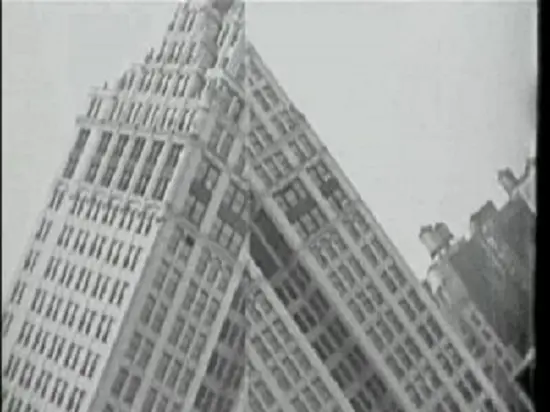
One of the standout aspects of 'Looney Lens: Split Skyscrapers' is its ability to balance this visual innovation with a coherent narrative. While the warping lens might seem like a distraction, it actually works as a narrative device, providing clues and establishing a sense of mystery that drives the plot forward. The film's pacing is deliberate and measured, allowing the audience to gradually become accustomed to the disorienting effects of the lens. This patience pays off, as the layers of the story are slowly revealed, creating a satisfying and intellectually engaging experience.
However, it's important to note that not all viewers may appreciate the film's deliberate pacing. Some might find the slow build-up and the constant disorientation to be tedious, preferring a more straightforward narrative. The film's willingness to challenge the audience's perception of reality might be too subtle or too bold for some tastes. Nevertheless, for those who are willing to embrace the film's unique approach, 'Looney Lens: Split Skyscrapers' offers a rich and rewarding viewing experience.
The film's cinematography is a standout feature, with every shot carefully composed to maximize the disorienting effects of the warping lens. The use of color and lighting is particularly effective, creating a mood that is both eerie and captivating. The film's score, by contrast, is more subdued, allowing the visuals to speak for themselves. This balance between visual and auditory elements contributes to the film's overall impact, creating a cohesive and immersive experience.
Furthermore, the performances, particularly from Al Brick, are commendable. His character's journey to understand the nature of his city's disarray is well-acted, and his interactions with the other characters are tense and compelling. The supporting cast, while not as layered, provides a strong foundation, contributing to the overall atmosphere of the film.
While 'Looney Lens: Split Skyscrapers' is not without its flaws, it is a film that deserves attention for its innovative approach. It challenges the audience in a unique way, pushing the boundaries of what a film can be. For those who appreciate experimental cinema and are willing to engage with a complex narrative, 'Looney Lens: Split Skyscrapers' is a must-watch. It's a film that will leave you thinking long after the credits roll, questioning not just what you saw, but how you perceived it.
Ultimately, 'Looney Lens: Split Skyscrapers' is a film that demands a certain level of engagement from its audience. Its innovative use of the warping lens, coupled with a compelling narrative and strong performances, make it a standout in the realm of experimental cinema. It's a film that challenges and rewards its viewers, offering a unique and memorable experience that is as visually striking as it is thought-provoking.

IMDb 7.4
1937
Community
Log in to comment.