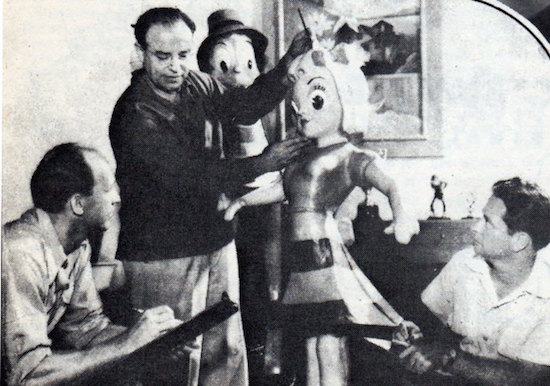
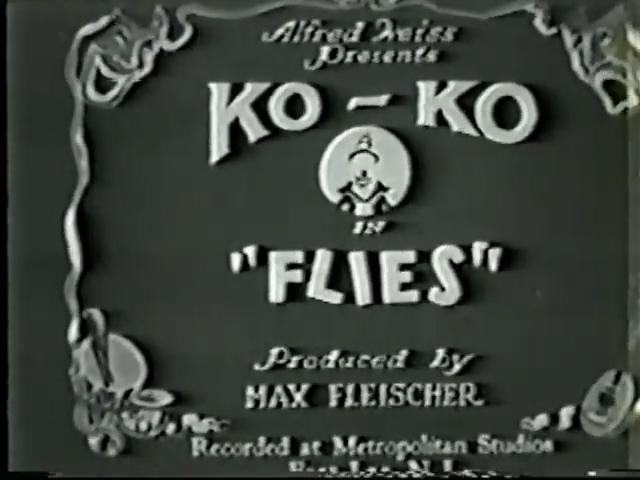
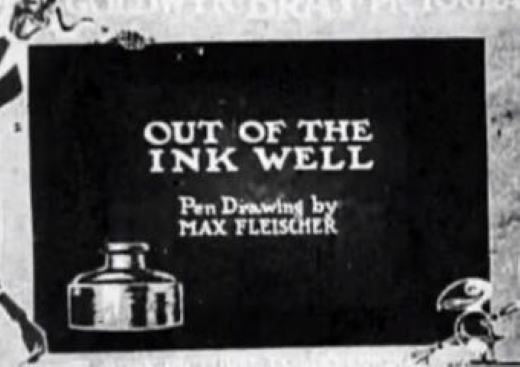
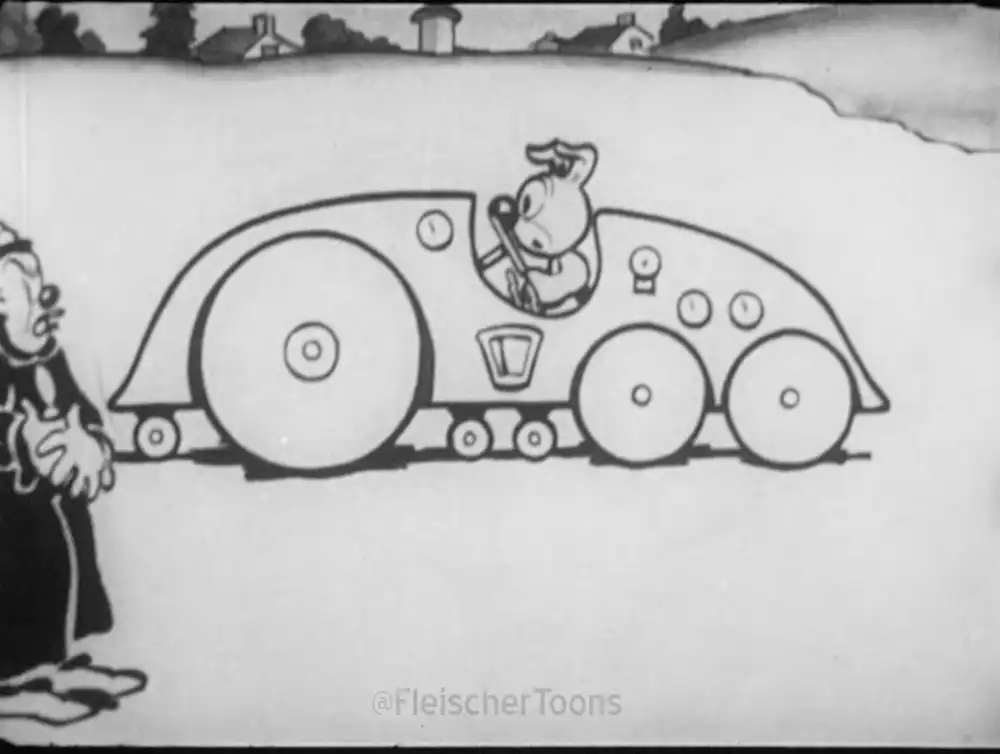
Koko the Clown's little brother comes to visit and wreaks havoc in Max Fleischer's studio..
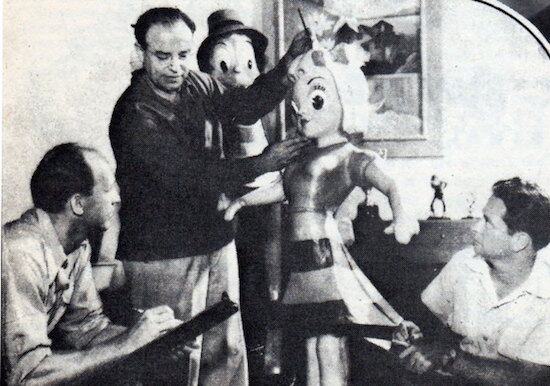
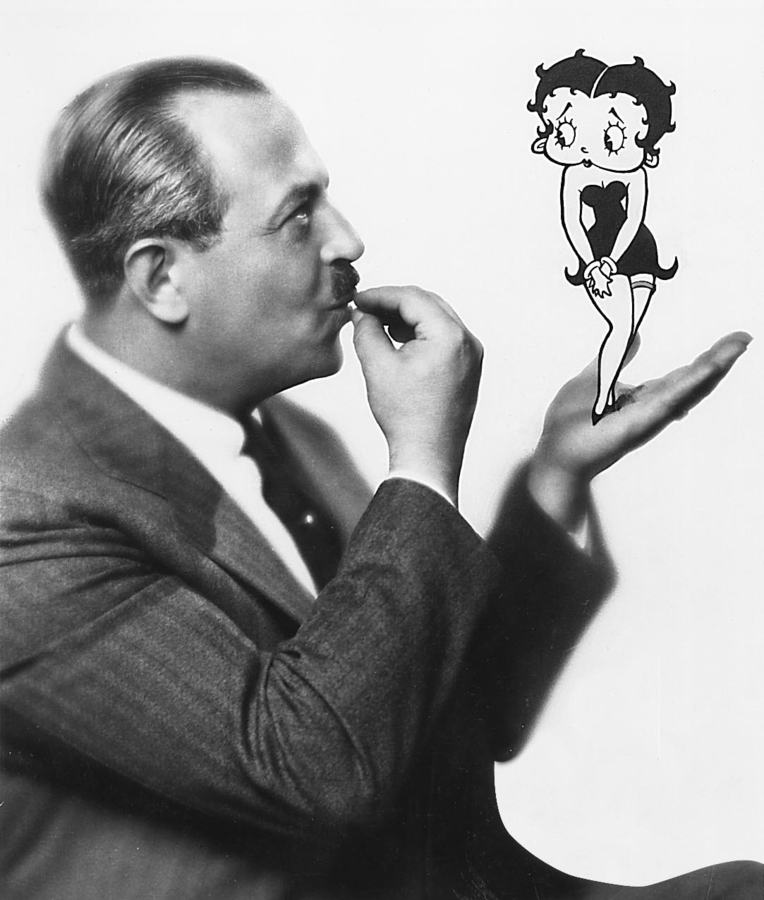
Max Fleischer
United States
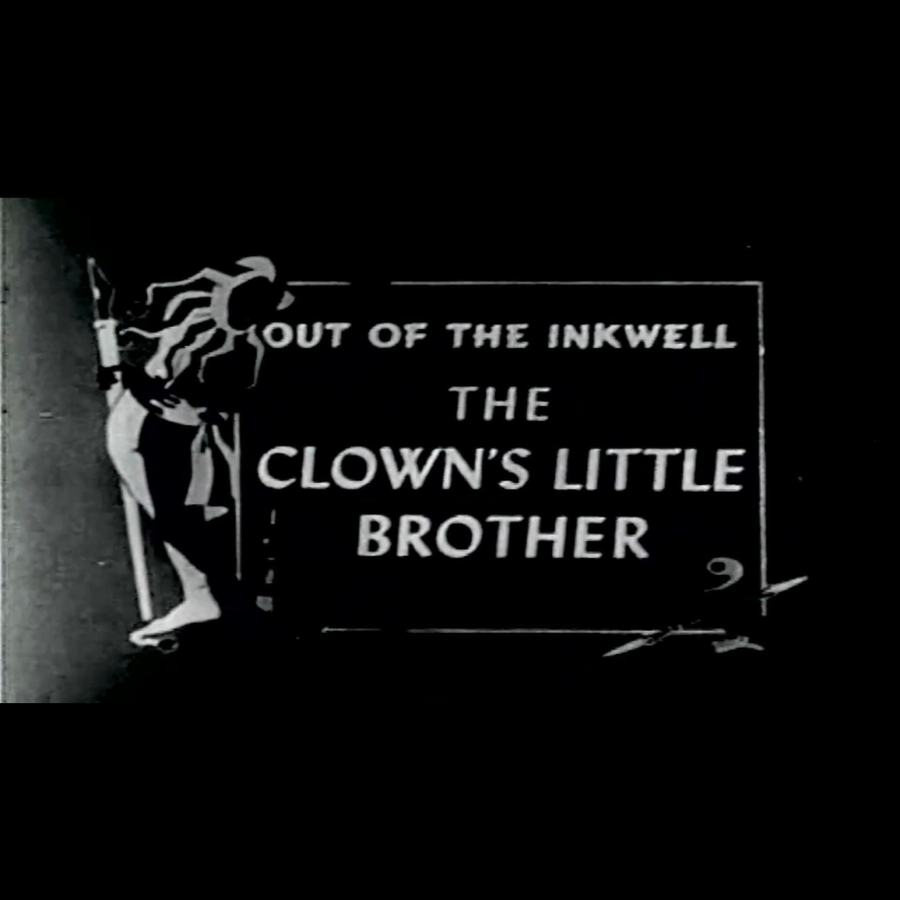
Max Fleischer never merely drew; he exorcised. In The Clown’s Little Brother—a 1920 one-reeler that clocks in at a whisper over ten minutes—he stages a mutiny against the very grammar of cinema. The premise, deceptively infantile, sends Koko the Clown’s pocket-sized sibling on a studio tour that metastasizes into onto...

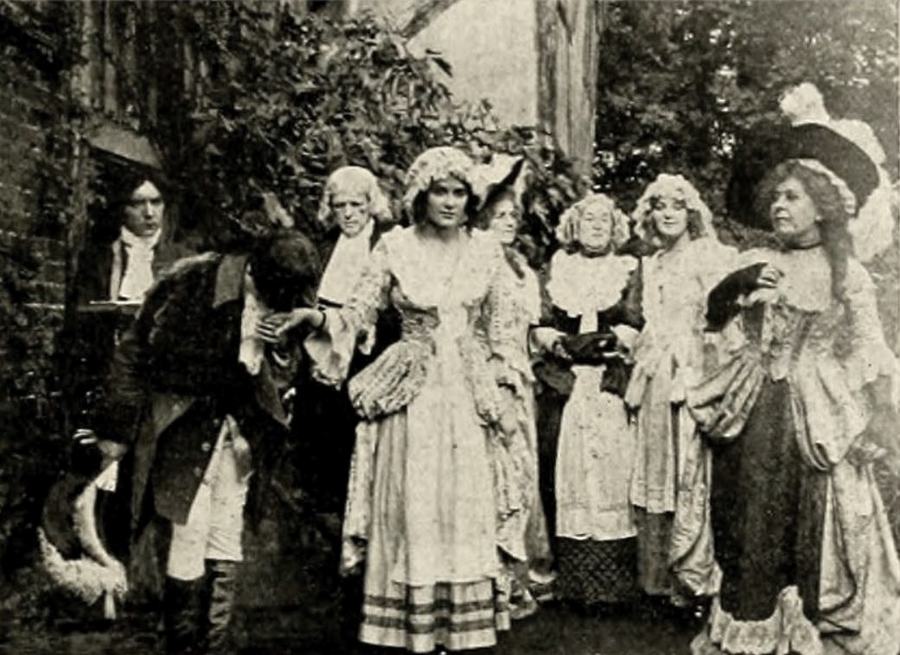
Comparing the cinematic DNA and archive impact of two defining moments in cult history.
Dave Fleischer

Henry Edwards
Community
Log in to comment.
" Max Fleischer never merely drew; he exorcised. In The Clown’s Little Brother—a 1920 one-reeler that clocks in at a whisper over ten minutes—he stages a mutiny against the very grammar of cinema. The premise, deceptively infantile, sends Koko the Clown’s pocket-sized sibling on a studio tour that metastasizes into ontological terrorism. Yet within this jittery scrap of nitrate lies a Rosetta Stone for the entire Fleischer cosmology: the conviction that animation is not a genre but a controlled s..."
Deep dive into the cult classic
Discover similar cinematic experiences
A Directorial Spotlight on Dave Fleischer