DbcultAccessing Vault...
Cult Review
Senior Film Conservator
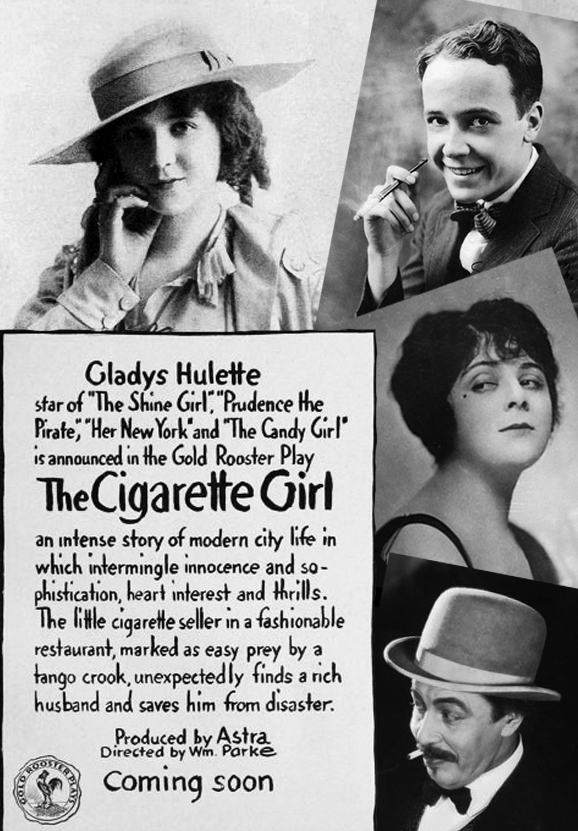
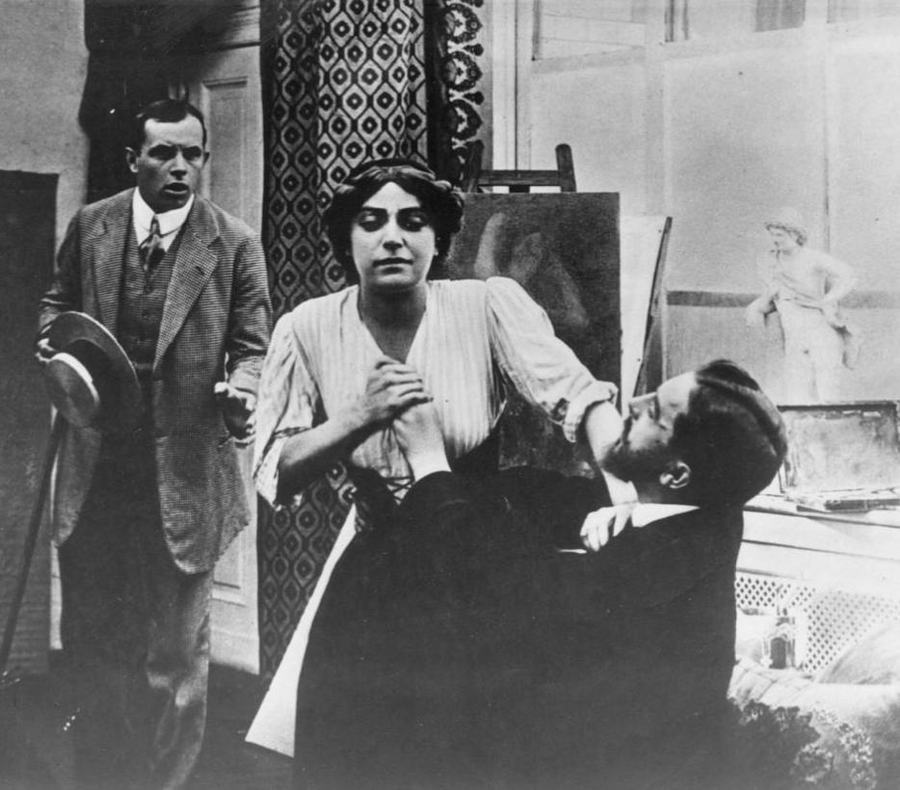
To watch The Cigarette Girl in the modern era is to engage with a cinematic ghost that still possesses a remarkably sharp bite. Released in 1917, a year defined by global upheaval and the burgeoning sophistication of the American film industry, this work stands as a testament to the era's obsession with the fragility of the upper-class estate. The narrative doesn't merely present a story; it constructs a labyrinth of legalistic maneuvering and romantic peril that feels surprisingly contemporary in its cynicism regarding human motivation. Unlike the more straightforward heroics often found in The Dare-Devil Detective, there is a pervasive sense of dread here—a fear that the wrong smile or a misplaced signature could lead to total social annihilation.
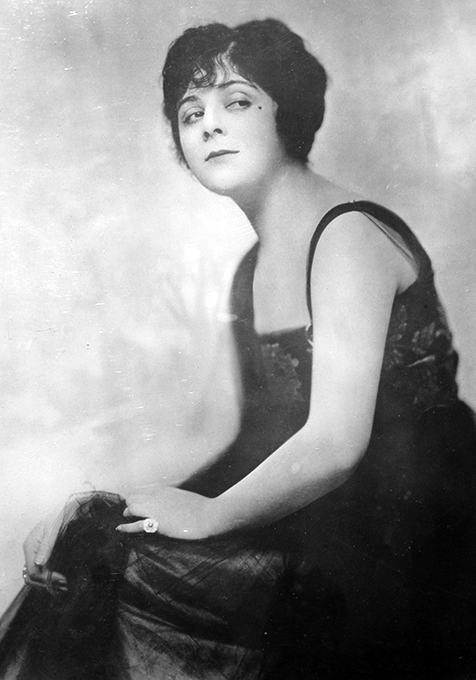
Philip Bartholomae, a writer whose theatrical sensibilities often translated into dense, character-driven screenplays, provides a blueprint for a drama that is as much about the law as it is about the heart. The lawyer at the center of the film is not a standard protagonist; he is a puppet master driven by a paternalistic need to save his client from himself. The client’s infatuation with a woman of questionable repute is portrayed not as a grand passion, but as a pathological vulnerability. This dynamic creates a fascinating tension: the lawyer must subvert the very concept of marriage—traditionally a union of love—into a cold, tactical instrument of asset protection. It’s a theme that echoes the intricate plotting of The Tangle, where human emotions are the primary obstacles to logical outcomes.
Florence Hamilton and Gladys Hulette anchor the film with performances that bypass the exaggerated pantomime often associated with the silent era. Hamilton, in particular, manages to imbue her role with a quiet dignity that justifies the lawyer’s gamble. In the 1910s, the "Cigarette Girl" was a recognizable urban fixture—a woman who navigated the smoky, masculine spaces of theaters and clubs while maintaining an essential distance. By casting such a figure as the savior of a fortune, the film engages in a subtle form of class-based hagiography. She is the "honest woman," the foil to the mercenary antagonist. This juxtaposition is far more nuanced than the binary morality of Snow White; here, the stakes are measured in bank accounts and legal deeds rather than magic apples and true love's kiss.
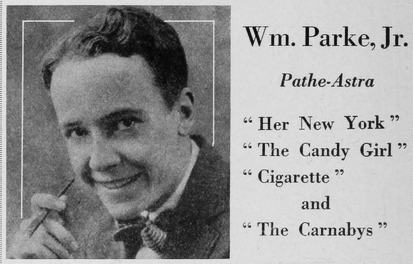
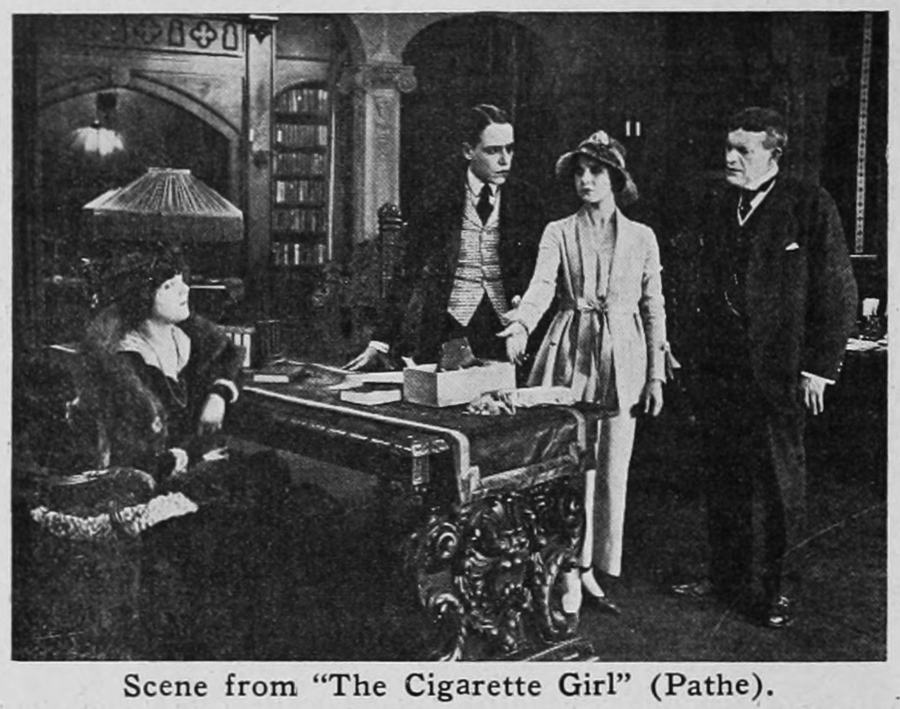
One cannot discuss this film without acknowledging the presence of Warner Oland. Long before he became synonymous with a specific brand of detective fiction, Oland possessed a screen presence that could shift from suave to sinister with a mere narrowing of the eyes. In The Cigarette Girl, he contributes to a sense of atmospheric weight. The way the camera lingers on his expressions adds a layer of complexity to the social interactions. The film’s visual language, directed with a keen eye for interior spaces by William Parke Jr., emphasizes the claustrophobia of the elite. The opulent rooms feel like gilded cages, contrasting sharply with the more vibrant, albeit impoverished, world inhabited by the cigarette girl herself. This visual dichotomy reminds one of the stark social divides explored in The Flower of No Man's Land.
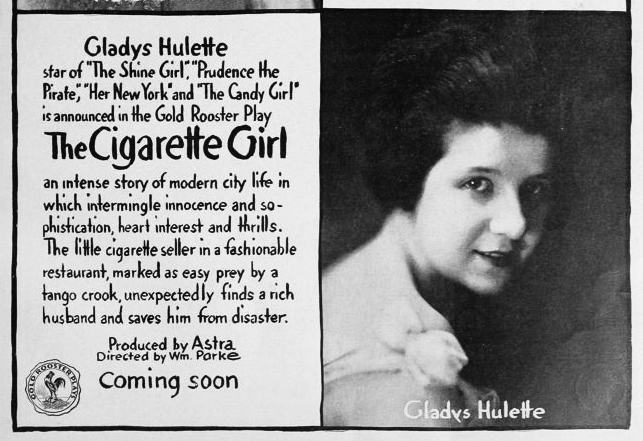
The lawyer’s plan—marrying his client to a stranger to hide his wealth—raises ethical questions that the film navigates with a surprising lack of judgment. In the world of 1917, the protection of the family legacy was the highest moral imperative. The "dubious woman" is seen as a predator who has forfeited her right to fair play, justifying the lawyer’s deceptive counter-moves. This legalistic chess match is a fascinating precursor to the procedural dramas of later decades. It shares a certain DNA with In the Hands of the Law, where the mechanisms of justice are shown to be both a shield and a sword, depending on who holds the handle. The brilliance of the script lies in how it frames this deception as an act of altruism.
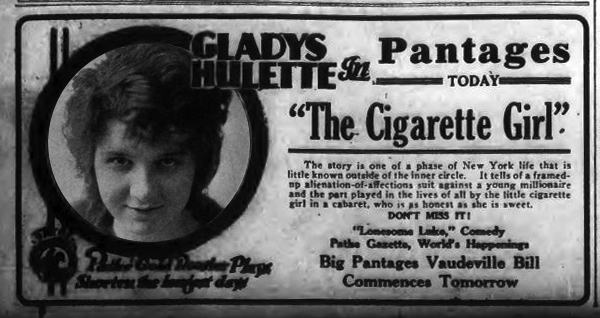
Technically, the film utilizes the limited tools of its time to maximize psychological impact. The use of intertitles isn't just for dialogue; they serve as rhythmic breaks that mirror the lawyer's calculated thought process. The lighting, though primitive by modern standards, effectively uses shadow to distinguish between the "honest" and "scheming" characters. There is a specific scene where the cigarette girl is framed against a bustling backdrop, her tray of wares looking almost like a shield. It’s a powerful image of self-sufficiency. This level of visual storytelling is comparable to the atmospheric depth found in The Masked Heart, where the interior lives of the characters are reflected in their physical environments.
The recurring motif of the girl's sales pitch—"Cigars. Cigarettes."—serves as a metronome for the story. It is a reminder of the transactional nature of the world Bartholomae has created. Everything is for sale: pleasure, protection, and even the appearance of virtue. Yet, the girl herself remains the only entity that cannot be truly bought, even when she enters into a marriage that is essentially a financial contract. This paradox is the film’s most enduring strength. It challenges the viewer to consider whether honesty can survive when it is being used as a tool for deception. It’s a much more grounded exploration of human nature than the allegorical themes of 'Tween Heaven and Earth.
While many films from this era have faded into the obscurity of nitrate rot, The Cigarette Girl remains a vital piece of cinema history because it refuses to offer easy answers. The resolution of the lawyer’s scheme is satisfying, yet it leaves a lingering taste of melancholy. We are left wondering about the future of a marriage built on a foundation of asset protection rather than affection. Does the cigarette girl find happiness in her new, elevated status, or is she merely a different kind of commodity now? This ambiguity is what elevates the film above mere melodrama. It shares a kinship with the complex character studies seen in The Masqueraders, where the performance of a role becomes indistinguishable from the person’s true identity.
In the broader context of 1917, a year that gave us the National Red Cross Pageant and other grand spectacles, The Cigarette Girl is a masterclass in narrative economy. It doesn't need a cast of thousands or sweeping vistas to convey the stakes of its conflict. The battleground is the human conscience and the ledger book. The performances by Billy Sullivan and William Parke Jr. provide the necessary support to the central trio, ensuring that the world feels lived-in and authentic. For those who appreciate the evolution of the thriller and the social drama, this film is an essential watch. It captures a moment in time when the old world was being forced to reckon with the new, and where the only way to survive was to play a very dangerous game of pretend. It is a film that, much like the tobacco it references, provides a brief, intense hit of stimulation that lingers long after the smoke has cleared.
IMDb 5.7
1927
Community
Log in to comment.