DbcultAccessing Vault...
6.5/10
Senior Film Conservator
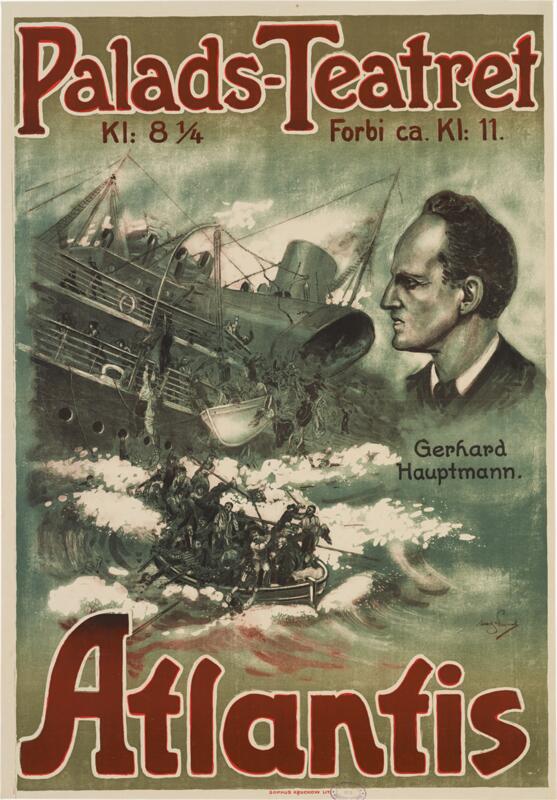
A definitive 6.5/10 rating for a film that redefined the boundaries of cult cinema. Atlantis remains a cornerstone of transgressive art.
The year 1913 teetered on the lip of the twentieth-century’s howling maelstrom; cinema, still toddling in the shadow of theatre, suddenly flexed a new muscle—introspection. Out of that fragile moment crawls Atlantis, a film less interested in plot mechanics than in the phosphorescent wake left by a soul in mid-rupture. Director Axel Garde, collaborating with Nobel laureate Gerhart Hauptmann on the intertitles, delivers a proto-modernist fever dream: part travelogue, part séance, part medical casebook.
Olaf Fønss, gaunt as a consumptive poet, incarnates Dr. Friedrich with the stiff spine of the recently humbled. Watch the way his shoulders retreat into his coat like folded umbrellas—every rejection letter has cost him one vertebra. Fønss lets the camera gorge on his profile: the high bourgeois forehead, the moustache waxed to oppressive points, the eyes that seem to look inward rather than outward. It is a performance calibrated for the intimate grammar of silent cinema; a lifted brow reads louder than a shout.
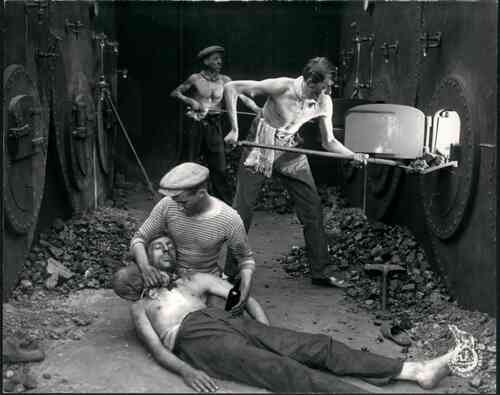
When Friedrich’s spouse, played by Ida Orloff, first succumbs to delirium, Garde withholds the cliché of flailing limbs. Instead, Orloff sits frozen at a mahogany table, repeatedly folding and unfolding a napkin until the cloth itself resembles a nervous system. The shot lingers so long that the fabric’s pleats begin to feel like synapses firing in vain. The scene forecasts Swedish anguish à la Ingeborg Holm, yet the stasis is distinctly North-German: emotion smothered under starched linen.
The film’s titular Atlantis is no sunken continent but a moribund resort town where the jet-set of 1890 once sipped sulphur water. Garde’s location photography—shot on the dunes of the Baltic—bathes everything in a salt-flecked nacre. Boarding houses lean at queasy angles; café awnings flap like dying gulls. Compare this with the monumental vistas of Quo Vadis? from the previous year: where Italian epics sought grandeur, Atlantis seeks peeling paint and the smell of seaweed rotting under floorboards.
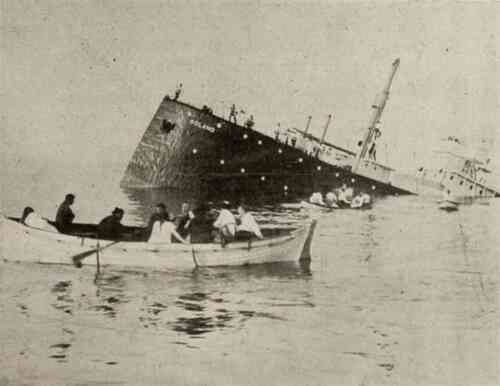
Cinematographer Carl Lauritzen (also acting here as a sympathetic morphine addict) employs a primitive but ravishing two-color tint: twilight sequences swim in bruise-violet, dawn in bile-amber. The palette anticipates the expressionist jolts of The Student of Prague (also 1913), yet remains tethered to a coastal realism that feels almost documentary. You can taste the iodine in every frame.
Do not arrive expecting the clockwork causality of Oliver Twist or the muscular suspense of prizefight actualities. Atlantis proceeds like waves gnawing a seawall: incidents repeat with minor variations, characters drift in and out, meaning accretes rather than arrives. One reel might be devoted to Friedrich watching children chase a paper boat; another to a hotel owner reciting commodity prices for herring. The effect is hypnotic, oddly comedic, and—depending on your metabolism—either maddeningly lax or radically ahead of its time.
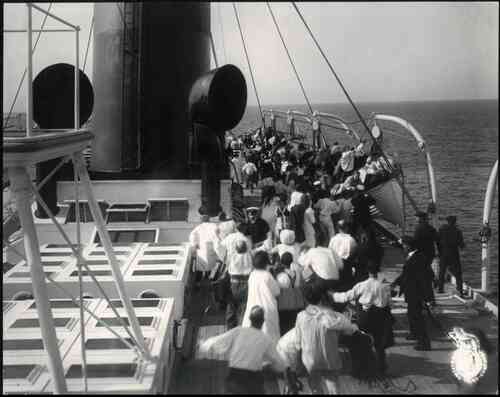
Hauptmann’s hand is most evident in the intertitles, which read like Expressionist haiku: “The clock strikes, but the hours do not move.” Such gnomic fragments bridge scenes without explanatory glue, forcing the viewer to assemble emotional causality in the dark of one’s own head. Try that in a nickelodeon full of peanut-crunching patrons and you risk bewilderment; today it feels like an ancestor to Tarkovsky’s sculpted time.
Ebba Thomsen, as the opera diva whose soprano days are finished, communicates ruin through posture alone. Note how she enters parlors sideways, as though her own silhouette were a cupboard she must edge past. Carl Lauritzen’s drug-addled painter, meanwhile, giggles with the shrill pitch of a cracked oboe; his hands tremble even when pocketed, a tremor you sense rather than see.
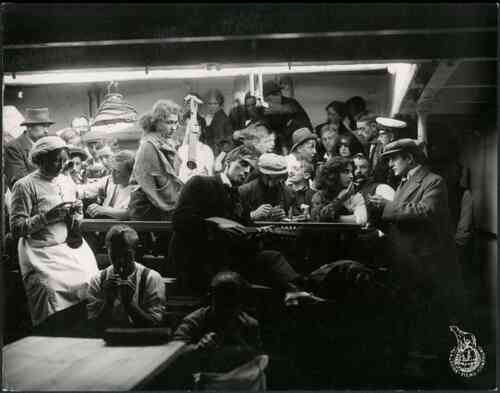
Fønss’s Friedrich anchors these satellite melancholics. His body is a map of intellectual fatigue: the spectacles that slide down a nosebridge glistening with seaside mist; the umbrella he carries though it never rains; the way he rehearses smiles in mirrors and discards them like badly tied cravats. You half expect him to evaporate.
Surviving prints lack the original score, so modern screenings often pair the film with austere chamber suites or, more daringly, ambient surf recordings. Both choices work because Atlantis is already sonically suggestive: the flicker of projector light feels like sun ricocheting off brine; the visible grain resembles wind-borne sand. Contemporary audiences sometimes report hallucinating the hush of tide even in climate-controlled archives—testament to the movie’s synesthetic pull.
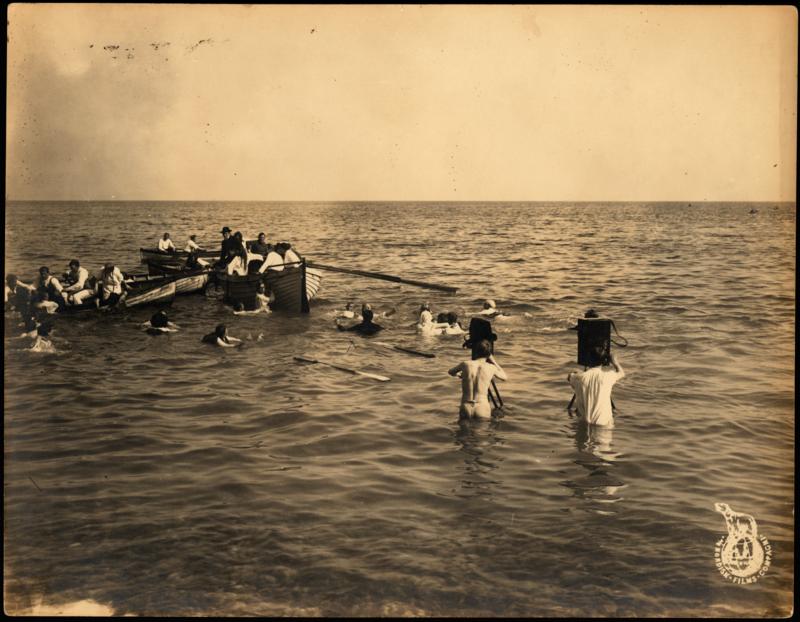
Where The Redemption of White Hawk externalizes guilt through chase tropes, Atlantis internalizes it until the landscape itself becomes culpability. The film’s rarefied despair anticipates the post-war tremors of Das Modell and the spiritual shipwrecks later painted by Dreyer. Even Griffith’s monumental year—1913 saw From the Manger to the Cross—feels operatic by contrast; Garde prefers chamber music that ends on an unresolved chord.
For decades, Atlantis slumbered in mislabeled canisters—sometimes filed under “Nordic travel short,” occasionally as Atlas thanks to a typo. A 4K scan from a 1950s acetate positive (itself struck from an insanely flammable 1913 nitrate) premiered at Il Cinema Ritrovato in 2018. The restoration team opted to preserve the gate-flutter and surface scratches, reasoning that the blemishes resemble barnacles on the narrative’s sunken debris. Criterion-channel subscribers can now stream the 68-minute cut; Blu-ray remains tantalizingly “forthcoming.”
To call Atlantis a masterpiece risks filing it under museum piece. I prefer to think of it as a tidepool: shallow at first glance, yet crouch and you’ll spot anemones of modernity, prehistoric shells of existential dread, and the tiny darting forms of cinematic language that would not fully surface until the 1960s. It is a film that refuses catharsis, ending instead on Friedrich’s silhouette merging with the horizon—an image so faint it feels like the emulsion itself is receding from us.
If you stagger out of Atlantis craving narrative certainty, queue up The Three Musketeers for swashbuckling balm. But if you’re willing to let cinema wash over you—cold, saline, hypnotic—then Garde’s poem of erosion will burrow under your skin and resurface weeks later when you least expect it, like a splinter of Baltic salt working its way out of an old wound.
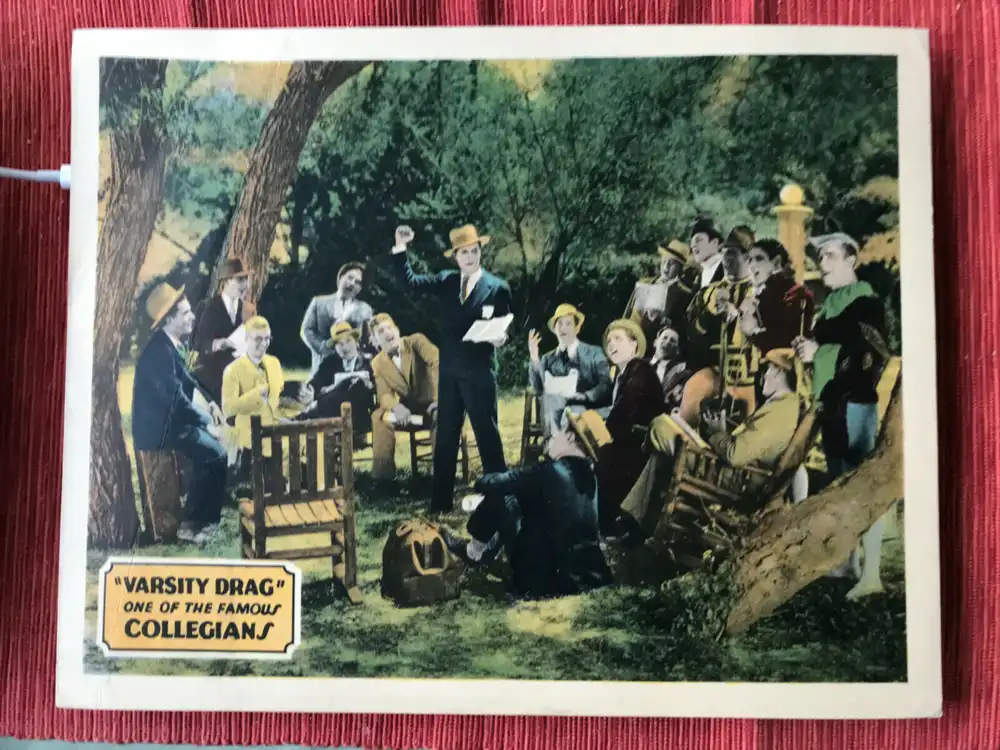
IMDb —
1929
Community
Log in to comment.