DbcultAccessing Vault...
Cult Review
Senior Film Conservator
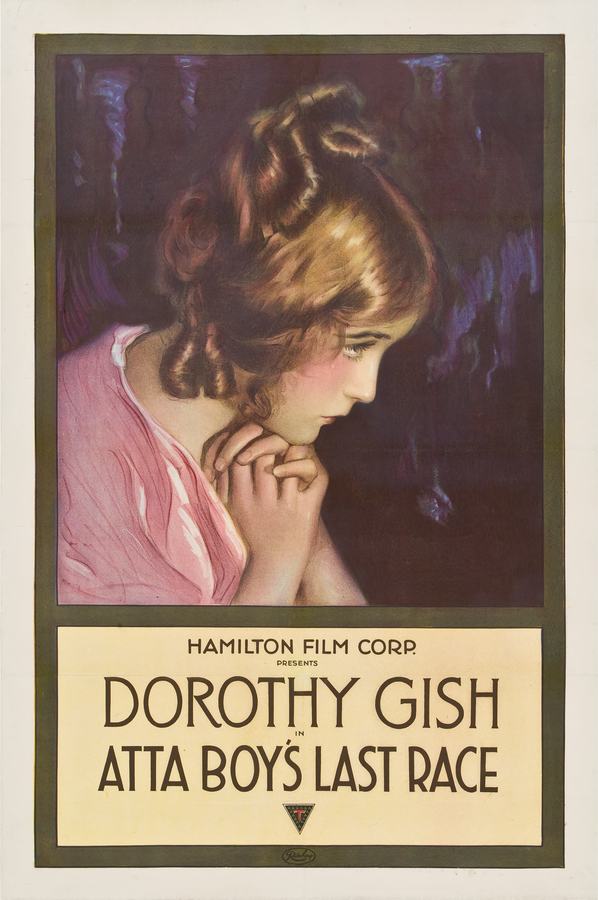
Step into the flickering shadows of early cinema, and you'll occasionally unearth a gem that, despite its age, still pulsates with raw, human emotion. Such is the case with Atta Boy's Last Race, a silent era drama that, while perhaps not as widely celebrated as some of its contemporaries, offers a compelling glimpse into the anxieties and aspirations of an earlier generation. Released at a time when the nascent film industry was rapidly evolving, this picture, penned by none other than Tod Browning, orchestrates a narrative steeped in desperation and the profound, almost spiritual, bond between a young woman and her equine companion.
At its core, Atta Boy's Last Race is a story of survival, a visceral struggle against the crushing weight of financial ruin. We are introduced to Lois Brandon, portrayed with a delicate yet resolute intensity by Dorothy Gish, a young woman facing the imminent foreclosure of her cherished home. This isn't merely a house; it's a repository of memories, a tangible link to her past, and its loss threatens to unravel the very fabric of her existence. The specter of destitution looms large, a common thematic thread in early cinema, often mirroring the real-world economic anxieties of the era. One can draw parallels to the financial predicaments in films like Brewster's Millions, though the stakes here are far more personal and existential, less about inheriting wealth and more about retaining a fundamental sense of belonging.
Lois’s only recourse, her last desperate throw of the dice, lies with her magnificent horse, Atta Boy. This isn't just an animal; it's a partner, a confidant, and ultimately, the vessel for her hopes. The decision to enter Atta Boy into a high-stakes race is born not of ambition, but of sheer necessity. The potential winnings represent her sole chance to stave off the encroaching darkness, to pay off the mortgage and reclaim her precarious stability. The narrative masterfully builds this tension, making every hoofbeat, every strained sinew of Atta Boy, a proxy for Lois’s own struggle. The silent film medium, surprisingly, amplifies this emotional weight, forcing the audience to internalize the characters' anxieties through visual cues and the sheer power of performance.
It’s fascinating to observe Tod Browning's hand in this early work. While he would later become synonymous with the macabre and the grotesque, crafting masterpieces of horror and psychological thrillers like Freaks and Dracula, his writing for Atta Boy's Last Race showcases a different facet of his storytelling prowess. Here, his focus is on human pathos, on the quiet desperation that can drive individuals to extraordinary lengths. Browning demonstrates a keen understanding of character motivation and the ability to construct a compelling, high-stakes plot without resorting to sensationalism. His narrative is lean, purposeful, and remarkably effective in eliciting empathy for Lois's predicament.
The screenplay subtly explores themes of class and privilege, or rather, the lack thereof. Lois’s struggle isn't a grand, heroic quest, but a very grounded fight against systemic pressures. This realism, even within the melodrama, grounds the film. Browning’s ability to imbue even a seemingly simple plot with such emotional resonance suggests an innate talent for understanding the darker, more vulnerable aspects of the human condition, a precursor to the complex characters he would later explore in his more famous works. The stakes are clear, the antagonist (foreclosure) is abstract yet terrifyingly real, and the protagonist's journey is fraught with both external and internal turmoil.
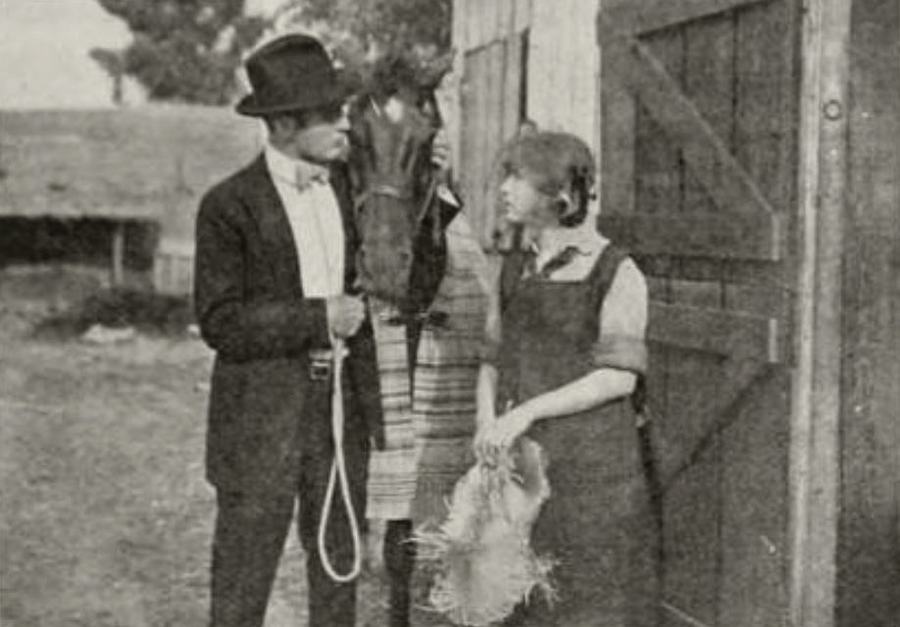
Dorothy Gish, a luminous presence of the silent screen, truly anchors the film. Her portrayal of Lois Brandon is a masterclass in conveying complex emotions without the aid of dialogue. Her expressive face, her nuanced gestures, and her very posture communicate volumes about Lois’s anxiety, determination, and underlying vulnerability. She doesn't merely act; she embodies the character's struggle, drawing the audience into her plight with an effortless grace. Gish’s ability to convey hope, despair, and fierce resolve makes Lois an incredibly sympathetic figure, one whose fate genuinely matters to the viewer. Her performance can be seen as a benchmark for silent film acting, demonstrating how much could be conveyed through sheer presence and emotional intelligence.
Keith Armour, as the supporting male lead, provides a steady, reassuring presence, though the film is undeniably Gish's vehicle. Loyola O'Connor, Tom Wilson, and Joe Neary fill out the ensemble, each contributing to the fabric of the narrative, creating a believable world around Lois. The film benefits from a cast that understands the demands of the silent era, where over-the-top melodrama was often balanced with subtle expressions to achieve emotional depth. The chemistry, particularly between Lois and Atta Boy, is palpable, a testament to both Gish's acting and the careful direction (though the director isn't explicitly named in the provided info, the performances are crucial). This human-animal bond is a powerful, unspoken element, reminiscent of the enduring partnerships seen in other films where animals play a pivotal role in human destiny.
The cinematic language of Atta Boy's Last Race is quintessentially early 20th-century. The cinematography, while perhaps lacking the sophisticated camera movements of later eras, is effective in its clarity and composition. Intertitles are used judiciously, providing essential dialogue and exposition without interrupting the flow of visual storytelling. The pacing builds steadily, culminating in the climactic race sequence, which is executed with surprising dynamism for its time. The tension of the race itself is conveyed through quick cuts, close-ups of straining faces and thundering hooves, and the palpable anxiety of the spectators. This sequence, in particular, showcases the nascent power of montage and editing to create excitement and suspense, a technique that would be refined over decades but already showed immense promise here.
The film’s visual narrative relies heavily on symbolism and archetypes. The home represents security and heritage; the horse, hope and a last chance. These universal themes resonate across time, making the film accessible even to modern audiences accustomed to vastly different cinematic conventions. The use of light and shadow, while perhaps not as dramatically stylized as German Expressionism, effectively conveys mood and emphasizes key moments of emotional intensity. It's a reminder that even without spoken words, cinema possesses an extraordinary capacity to communicate complex ideas and feelings, relying on the universal language of human experience.
Beyond the immediate plot, Atta Boy's Last Race delves into several enduring themes. The most prominent is undoubtedly resilience in the face of adversity. Lois Brandon embodies an unwavering spirit, refusing to succumb to despair even when all odds seem stacked against her. Her determination to fight for her home, even through such a high-risk gamble, is inspiring. This theme of human fortitude against seemingly insurmountable obstacles is a recurring motif in cinema, from the survival tales of The Three Godfathers to the desperate struggles in Less Than the Dust.
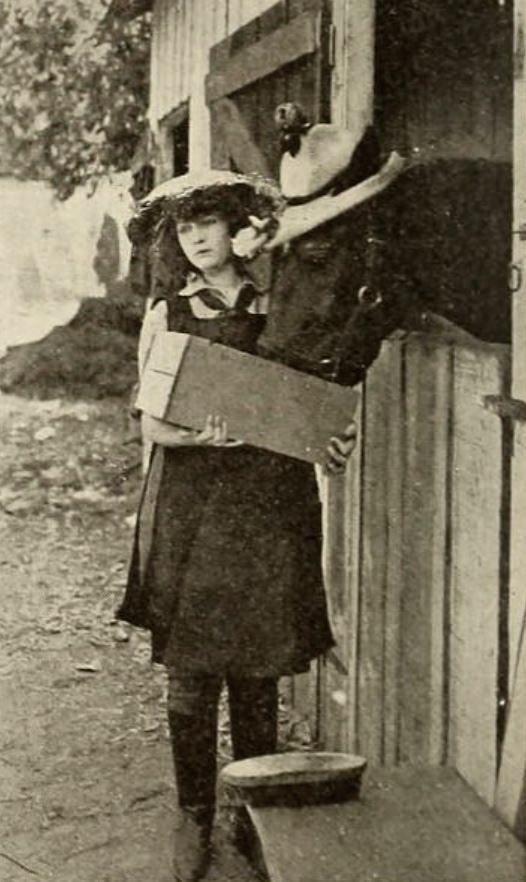
Another powerful theme is the profound bond between humans and animals. Atta Boy is not merely a prop or a plot device; he is a character in his own right, his fate inextricably linked with Lois’s. The film celebrates this unique connection, portraying it as a source of strength, comfort, and ultimately, salvation. This relationship adds a layer of tenderness and emotional depth that elevates the film beyond a simple melodrama. It speaks to a universal understanding of companionship and mutual reliance that transcends species, a connection often explored in narratives where animals are central to the protagonist's journey or well-being.
The film also touches upon the precariousness of life for those on the economic margins. The threat of foreclosure is a stark reminder of the fragility of the American Dream for many, a theme that remains relevant even today. Lois’s struggle is not just personal; it's emblematic of a broader societal vulnerability. The race itself becomes a metaphor for the constant struggle to stay afloat, to outrun the forces that threaten to drag one down. This societal commentary, subtle as it may be, adds intellectual weight to the emotional drama, making the film more than just a fleeting entertainment.
Released during a period of rapid technological and social change, Atta Boy's Last Race reflects the entertainment sensibilities of its time while also offering timeless appeal. The melodrama, while sometimes perceived as quaint by modern standards, was a powerful vehicle for emotional expression in the silent era. Audiences flocked to films that offered both escapism and a reflection of their own struggles and triumphs. The film’s straightforward narrative, coupled with its emotional sincerity, would have resonated deeply with viewers then, and continues to do so for those who appreciate the artistry of early cinema.
Comparing it to other films of the era, one can see its place within a burgeoning industry. While it doesn't possess the grand scale of some epics, or the overt social commentary of others like The Pillory, it shares with them a commitment to storytelling that moves and engages. The suspense created around the race itself could be compared to the thrilling serials of the time, such as The Exploits of Elaine, though here the stakes are personal rather than criminal. It’s a testament to the versatility of silent film that it could encompass such a wide range of genres and narrative styles, all while developing its unique visual language.
The film serves as an important artifact for understanding Tod Browning’s evolution as a writer and, later, a director. It demonstrates his foundational skills in crafting compelling human drama before he fully embraced the darker corners of the cinematic imagination. For fans of early cinema, or those interested in the roots of Hollywood storytelling, Atta Boy's Last Race offers a valuable and surprisingly moving experience. It is a reminder that even in its infancy, cinema possessed the power to capture the human spirit in all its desperate glory.
In conclusion, Atta Boy's Last Race stands as a poignant example of silent film’s capacity for emotional depth and compelling narrative. It might not be a blockbuster in the modern sense, but its quiet power endures. The film’s strength lies in its simplicity and sincerity: a young woman’s unwavering love for her home and her horse, and her courageous fight against the odds. Dorothy Gish’s performance is nothing short of captivating, elevating the material with her expressive artistry. Tod Browning’s early writing, focused on heartfelt drama, provides a solid foundation for this tale of hope and desperation.
For those willing to immerse themselves in the unique charm of silent cinema, this film offers a richly rewarding experience. It's a testament to the timeless appeal of stories that celebrate resilience, loyalty, and the indomitable spirit of those who refuse to give up, even when faced with the most daunting challenges. Atta Boy's Last Race is more than just a historical curiosity; it is a genuine piece of dramatic art that continues to resonate with its universal themes. It reminds us that sometimes, the greatest races are run not for glory, but for survival, and that the bond between a person and their loyal companion can be the most powerful force of all.
IMDb 6.7
1918
Community
Log in to comment.