DbcultAccessing Vault...
6.3/10
Senior Film Conservator

A definitive 6.3/10 rating for a film that redefined the boundaries of cult cinema. Auf dem Oktoberfest remains a cornerstone of transgressive art.
Auf dem Oktoberfest, released in the twilight of Germany’s Weimar era, is a film that thrives in the liminal space between satire and sincerity. It is a work that, much like the festival it centers around, is both a celebration and a critique—a paradox that its creators wield with surgical precision. The film’s narrative, though ostensibly simple, is layered with subtext and meta-commentary on the era’s shifting cultural landscape. At its core, it follows the travails of Herr Schmidt, a civil servant whose rigid adherence to protocol is repeatedly upended by the anarchic energy of the Oktoberfest. Played by Karl Valentin with a blend of stoicism and physical vulnerability, Schmidt becomes the unwitting hero of a series of escalating farces that expose the fragility of order in the face of communal revelry.
The film opens with a striking visual juxtaposition: the austere, dimly lit interior of a government office, where Schmidt pores over paperwork, and the kaleidoscopic chaos of the festival grounds. This contrast is not mere aesthetic flair but a narrative device that underscores the protagonist’s internal conflict. The Oktoberfest, with its tents adorned in red and white, its brass bands blaring, and its citizens in traditional attire, becomes a living, breathing entity that mocks the bureaucratic world Schmidt inhabits. The festival’s rules are its own, and they are as arbitrary as the laws of the state. It is a setting where decorum is inverted, and the absurd becomes the norm—a microcosm of the broader societal upheaval of the period.
Valentin’s genius lies in his ability to transform the festival’s logistical chaos into a metaphor for the dissonance of modern life. The film’s set pieces—the misfired fireworks display, the bureaucratic horse race, the beer keg mishap—are not just comedic interludes but carefully constructed allegories. In one scene, Schmidt attempts to impose order on a disorganized beer distribution, only to find his authority undermined by the sheer volume of revelers. The sequence becomes a masterclass in physical comedy, with Valentin’s body language conveying a silent, wordless protest against the futility of control in a world governed by unpredictability.
Liesl Karlstadt’s character, a barmaid named Lieselotte, serves as both a foil and a catalyst for Schmidt’s transformation. Her interactions with him are laced with a sly intelligence, often outmaneuvering his rigid logic with a blend of wit and charm. Karlstadt’s performance is a study in contrasts: she is both a traditional figure of Bavarian folklore and a subversive force, challenging Schmidt’s worldview while never fully abandoning the cultural norms he upholds. Their dynamic is reminiscent of the push-pull between the individual and the collective, a theme that resonates throughout the film. In a particularly memorable exchange, Lieselotte offers Schmidt a stein of beer laced with absinthe, symbolizing the intoxicating allure of breaking free from societal constraints.

The film’s structure is a mosaic of vignettes, each amplifying the central tension between order and anarchy. One standout scene involves a song contest that devolves into a cacophony of competing folk bands, their melodies clashing like ideological factions. Here, Valentin’s direction is both ironic and poignant, highlighting the beauty of cultural expression even as it mocks the pretensions of its participants. The contest’s resolution—a judge awarding first prize to the loudest group—serves as a darkly humorous commentary on the rise of populism and the erosion of standards in the public sphere.
What elevates Auf dem Oktoberfest beyond a mere farce is its nuanced exploration of identity and belonging. Schmidt’s journey is not one of triumph but of quiet realization: that the rigid systems he clings to are as fragile as the paper he shreds in moments of frustration. The film’s climax, in which he is caught between his duty to uphold regulations and his growing affection for Lieselotte, is a masterstroke of emotional ambiguity. He is forced to perform a ceremonial role in the festival’s closing parade, a performance that blurs the line between authenticity and artifice. The scene is both a celebration of the festival’s enduring traditions and a critique of the performative nature of identity itself.
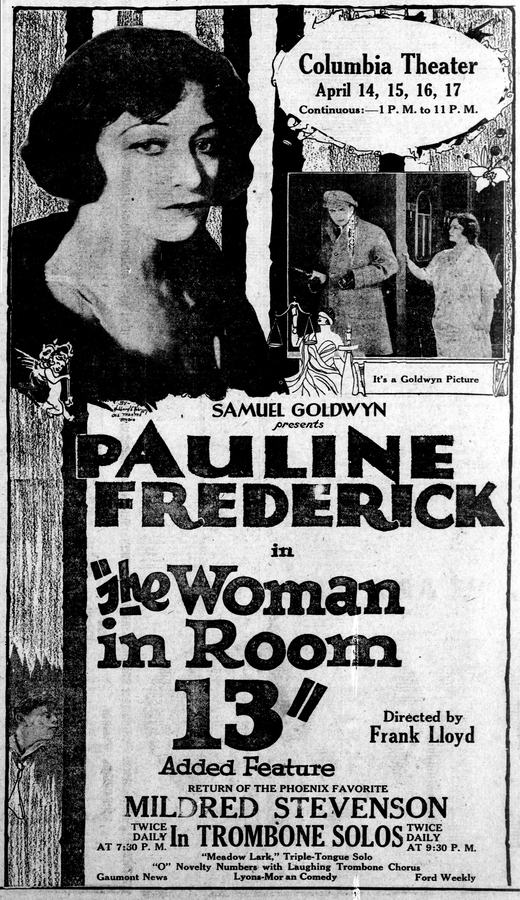
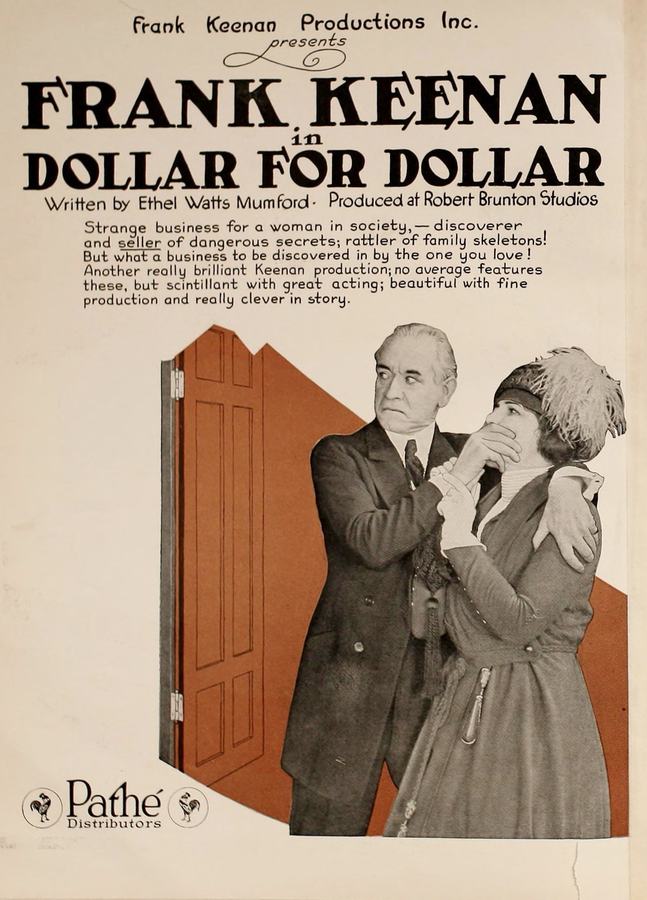
In comparing Auf dem Oktoberfest to other works of the period, such as The Land of Opportunity (1926), one notices a shared preoccupation with the clash between individual agency and systemic forces. Both films use comedy to dissect the absurdities of their respective societies, though Valentin’s approach is more intimately scaled. Unlike the more overtly didactic tones of Pollyanna (1920) or the stark realism of His Father's Wife (1929), Auf dem Oktoberfest balances its satire with a deep affection for its setting. The film treats the Oktoberfest not as a mere backdrop but as a character in its own right, with its own rhythms, contradictions, and emotional gravity.
The technical achievements of the film are equally noteworthy. Valentin’s use of location shooting in Munich’s actual festival grounds lends an authenticity that elevates the production beyond its modest budget. The cinematography captures the interplay of natural light and the festival’s artificial glow, creating a visual language that mirrors the film’s thematic duality. The soundtrack, a blend of traditional Bavarian music and more avant-garde compositions, further reinforces the tension between tradition and innovation—a tension that defines the Weimar era itself.

Critics of the time praised the film for its "delightful absurdity" and "unflinching honesty, " though some dismissed it as a "charming but shallow diversion." These assessments, while not entirely inaccurate, overlook the film’s deeper philosophical underpinnings. Auf dem Oktoberfest is not merely a comedy but a meditation on the human capacity for adaptation and the paradoxical nature of freedom. In its depiction of Schmidt’s gradual acceptance of chaos, we see a reflection of the broader societal shifts occurring in postwar Germany—a nation grappling with the collapse of old hierarchies and the uncertain promise of a new order.
For modern audiences, the film offers a fascinating glimpse into a bygone era, but its themes remain strikingly relevant. The tension between structure and spontaneity, the struggle for individuality within collective identity, and the role of tradition in a rapidly changing world are issues that continue to resonate. Auf dem Oktoberfest, with its blend of humor and insight, stands as a testament to the enduring power of cinema to reflect and refract the human experience.
In the pantheon of silent films, Auf dem Oktoberfest occupies a unique position. While it lacks the grandeur of Sergei Eisenstein’s montage techniques or the surrealism of Luis Buñuel, it compensates with a sharp, accessible wit and a profound understanding of its subject matter. It is a film that invites multiple viewings, each revealing new layers of meaning beneath its comedic surface. For those seeking a work that is both entertaining and intellectually stimulating, this is a must-watch. Its legacy endures not just in film studies circles but in popular culture, where its influence can be seen in everything from Monty Python’s sketches to the absurdist humor of modern sitcoms.
In conclusion, Auf dem Oktoberfest is more than a comedy; it is a cultural artifact, a philosophical inquiry, and a masterclass in silent film technique. Karl Valentin and Liesl Karlstadt’s performances are indelible, their chemistry elevating the material. The film’s enduring appeal lies in its ability to balance humor with depth, to make us laugh while prompting us to think. As we navigate our own era of social and political upheaval, this film serves as both a mirror and a compass—a reminder that, even in the midst of chaos, there is room for joy, for connection, and for the possibility of reinvention.

IMDb —
1931
Community
Log in to comment.