DbcultAccessing Vault...
Cult Review
Senior Film Conservator
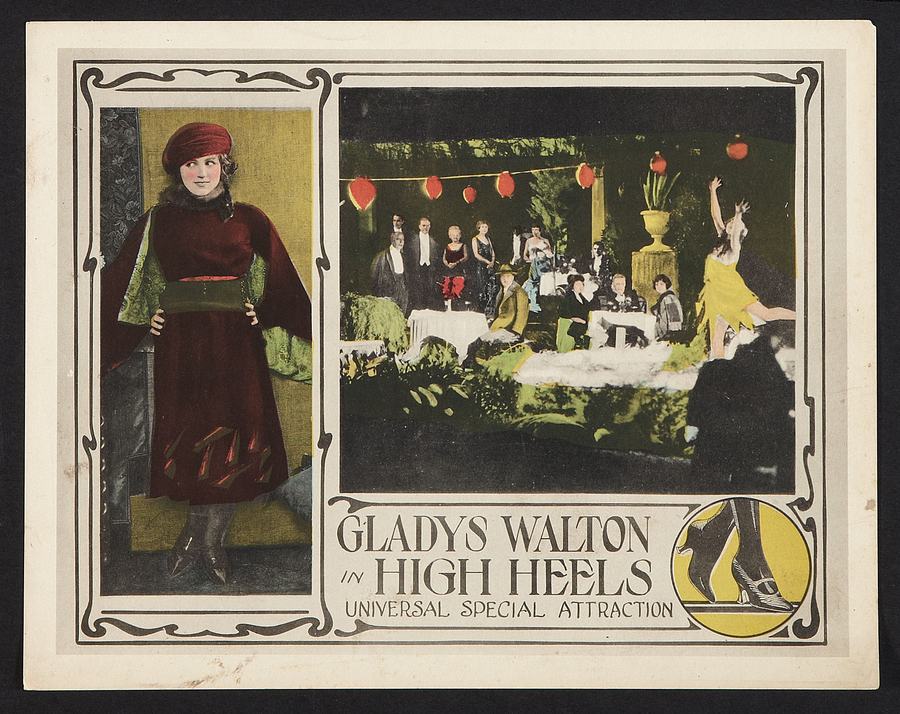
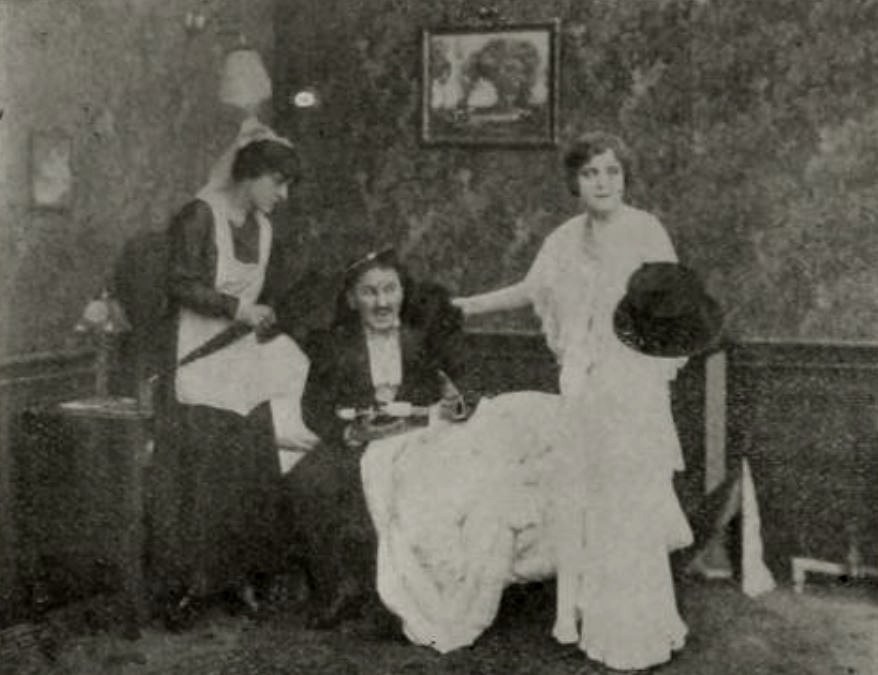
Every era gets the fallen heiress it deserves, but few arrive with the razor-sharp stilettos of Christine Trevor. In 1921, when flappers were still learning to Charleston, High Heels straps audiences into a front-row seat for the spectacular implosion of Gilded-Age hubris—then offers a resurrection so quietly luminous it could guide ships through fog.
Director William Worthington—better known then for two-reel thrillers—here orchestrates a chamber opera of candlelight and guilt. His camera glides across mahogany corridors where the chandeliers drip crystal like slow-cooked sugar, catching Gladys Walton’s Christine in the act of admiring her own reflection as though it were a taxable asset. Walton, a Universal contract player more often cast as peppy collegians, weaponizes her habitual perkiness: every dimpled smile lands like a thrown gauntlet.
The first act is almost a screwball kaleidoscope: Christine raids her father’s safe for pearl ropes while her kid sister practices Debussy downstairs, the piano strings fraying like family nerves. Clad in a succession of tangerine lamé and absinthe-green satin, she pirouettes through rooftop gardens, scattering suitors like confetti. The intertitles—courtesy of scenarist Louise B. Clancy—snap with brittle wit: “Love is a game; the trophy is alimony.”
Then the chandelier falls. Father’s coronary on the trading-room floor is rendered in a single, unflinching close-up: pupils dilating, the hiss of a dropped receiver, ticker tape still spitting fortunes into the void. The funeral sequence—shot in torrential rain that turns black umbrellas into mourning jellyfish—feels lifted from a late Mizoguchi lament, not a studio quickie.
Penniless overnight, Christine’s court of fair-weather friends evaporates faster than bootleg gin. Enter George Hackathorne as Basil Amery, a lounge-lizard whose smile contains more angles than a Picasso harlequin. Basil offers marriage the way a spider offers silk: functional, adhesive, terminal. Their intended union is a danse macabre through empty salons where the wallpaper peels like sunburned skin.
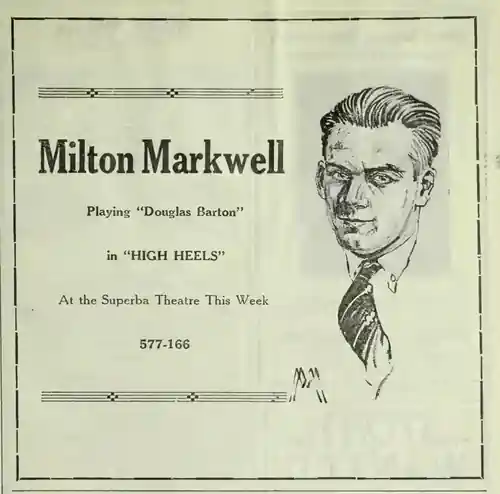
Salvation arrives in the hulking, gentle form of Milton Markwell’s Dr. Denton. Markwell—usually typecast as boxers or lumberjacks—plays the physician with a hushed authority, his basso profile filling the screen like a cathedral door. He confronts Christine not with sermons but with silence, letting the vacuum pull her confessions forth. Their scenes crackle with the pre-noir electricity of a man who sees through powder and pretense.
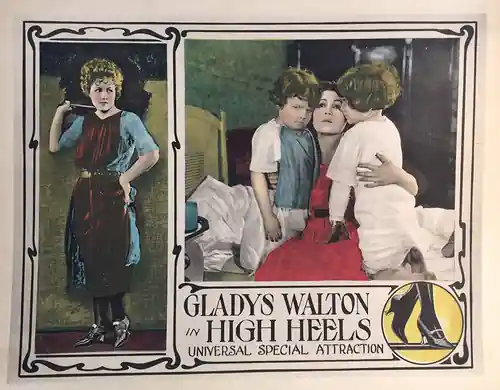
Just when the film risks slipping into melodrama, Worthington detonates a set-piece that still singes the retina: the neighbor’s clapboard mansion blazing against a cobalt sky, sparks spiraling like malignant fireflies. Christine—heels in hand, stockings laddered—plunges into the furnace to drag out old Mr. Grimble (Robert Dunbar), the very troll who short-sold her father’s stocks in revenge for a decades-old slight.
The rescue is shot in chiaroscuro so ferocious you can smell the scorched timber. Flames lick across the negative, creating halos around Walton’s face that prefigure the apocalyptic glow of later silent thrillers. In the smoldering aftermath, Grimble’s crusty mask cracks; he clasps Christine’s blistered hands and whispers—through an intertitle heavy with soot—“You’ve paid a debt I never dared collect.”
What follows is a montage as radical as anything in Barrabas: Christine in work-shirt sleeves, hauling lumber, sealing windows with newspapers, teaching her brother to plant potatoes in a backyard that once hosted cotillions. The camera lingers on her calloused palms, the nails trimmed short, the skin sun-branded like vintage leather. Each frame murmurs: redemption is not a gown you slip into but a house you build nail by nail.
Dr. Denton’s courtship is equally unadorned. He gifts her a seedling, not a sapphire. Their courtship kiss—filmed in profile against a sunrise so understated it might be blushing—carries more erotic voltage than any ten-page clinch of the pre-Code era.
Walton’s performance is a masterclass in calibrated vanity: watch how her eyes—two polished onyx cabochons—shift from predatory appraisal to stunned self-recognition during the reading of the will. Hackathorne oozes oleaginous charm; when Basil finally slinks offscreen, you half expect a trail of slug-slime. Markwell, meanwhile, underplays so deftly he seems lit from within by moral phosphorescence.
In smaller roles, Olah Norman as the piano-playing sister sketches heartbreak with a single trembling trill, while Leigh Wyant’s butler delivers bourbon-soaked asides that feel smuggled in from a racier revue.
Cinematographer Freeman Wood bathes the Trevor mansion in buttery key lights that turn marble into melted gelato, then switches to hard-edged sidelights once the walls are stripped bare. The contrast is not just aesthetic but moral: wealth glows like a dying star, poverty is etched in surgical whites and bruised grays.
Note the recurring motif of high-heeled shoes: first as gleaming talismans of conquest, later as cracked leather relics tossed into a donation bin. The final shot—Christine barefoot in garden soil, soles caked yet face uplifted—plays like a haiku on the tyranny of fashion.
Though originally released without a prescribed score, modern festivals often accompany it with a viola-led trio that keens like distant gulls during the fire scene, then mutates into a hesitant waltz for the closing embrace. The effect is shattering: silence becomes a character, echoing the cavernous spaces left by vanished money.
Aficionados will detect DNA shared with Through the Wrong Door (another tale of wealth eclipsed by conscience) and the 1917 Mark of Cain in its fascination with generational guilt. Yet High Heels sidesteps the punitive moralism of many silents; its notion of penance is not scourging but service, not sackcloth but seedlings.
For decades the film languished in a 35mm nitrate can mislabeled “High Society Heel,” until a 2018 Library of Congress nitrate rescue unearthed a near-complete print. The 4K restoration—spearheaded by Nicola Mazzanti’s team—reveals textures down to the herringbone of Denton’s waistcoat. Stream it on Criterion Channel or snag the Blu-ray with the optional Detroit String Quartet score; both preserve the amber glow of the fire sequence without digital scrubbing away its soot.
A century on, High Heels still pinches: it reminds us that the loftiest stiletto can lodge in quicksand, and the only reliable footing is the earth we cultivate with blistered, benevolent hands. Watch it once for the opulent tragedy, again for the quiet exhalation of a soul learning to breathe without applause. Then, perhaps, kick off your own shoes—whatever their height—and feel the loam between your toes.
IMDb —
1936
Community
Log in to comment.