DbcultAccessing Vault...
3.6/10
Senior Film Conservator
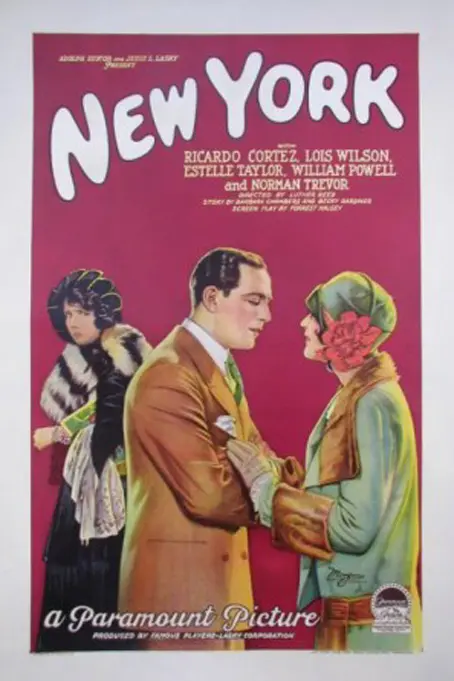
A definitive 3.6/10 rating for a film that redefined the boundaries of cult cinema. New York remains a cornerstone of transgressive art.
Is New York (1927) a cinematic relic best left to the archives, or does it still resonate with modern audiences? Short answer: yes, it absolutely holds a particular kind of gritty charm, but with significant caveats. This film is a fascinating watch for devotees of early American cinema and those curious about the nascent stages of the gangster genre, but it will likely test the patience of viewers accustomed to contemporary narrative pacing and character development.
It’s a film that demands a certain appreciation for the era, a willingness to engage with its unique storytelling rhythms. For those who can meet it on its own terms, there are rich rewards. For others, particularly those seeking high-octane action or deeply nuanced psychological drama, it might feel more like an academic exercise than an entertaining escape.
Before the Hays Code sanitized Hollywood, there existed a raw, untamed energy in American cinema. New York, directed with a keen eye for urban grit, captures this spirit with a narrative that weaves ambition, loyalty, and betrayal through the lives of four friends in the city’s underbelly. It’s a story as old as time, but presented with the distinct visual and thematic language of the late silent era.
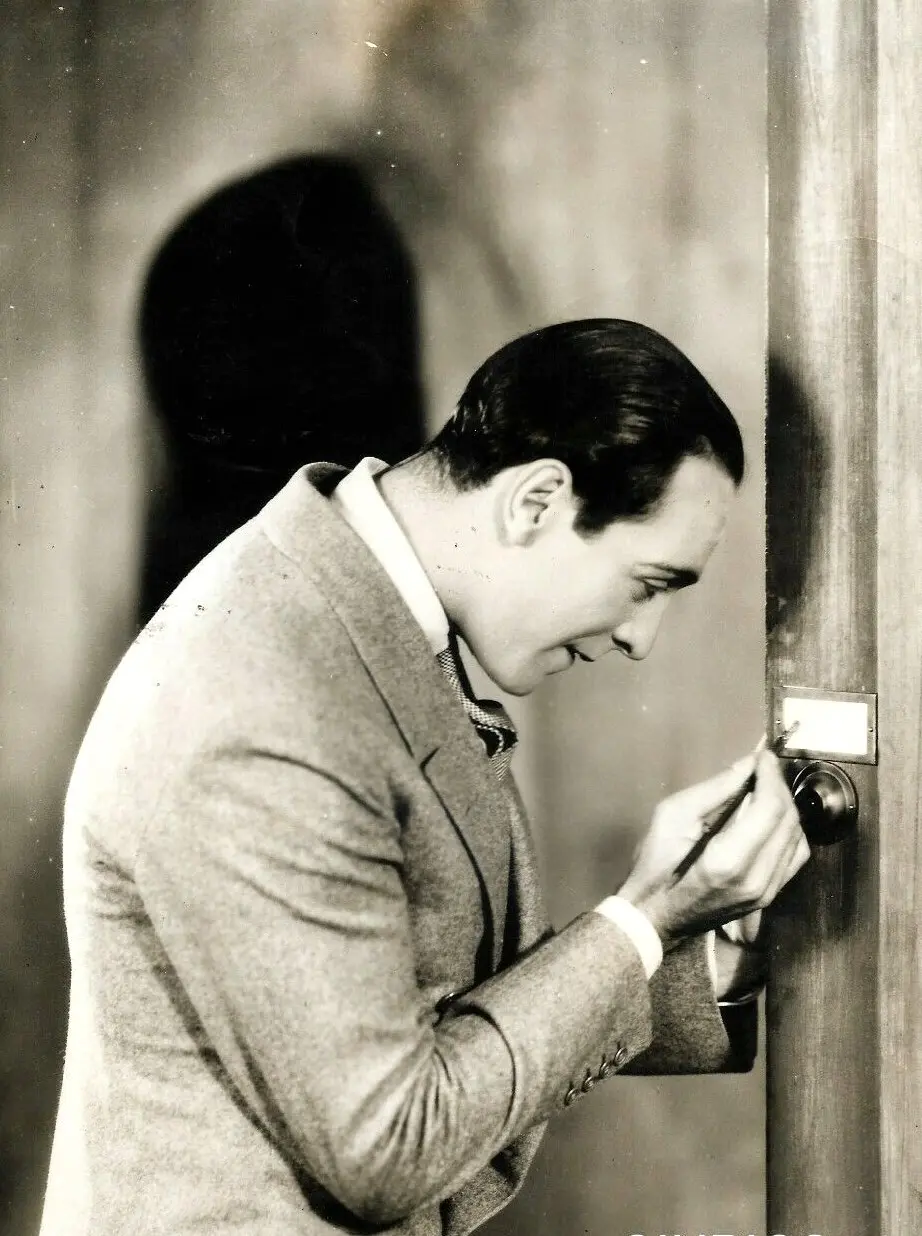
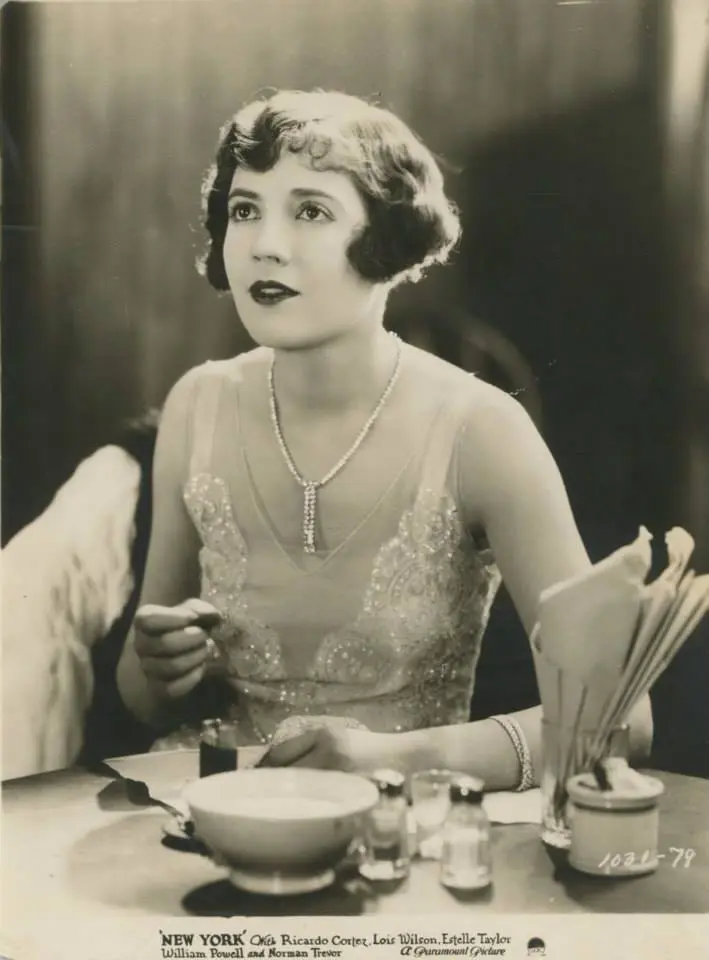
The film introduces us to Michael Angelo Cassidy (Ricardo Cortez), a talented but struggling musician, his loyal arranger Buck (Charles Byer), the politically ambitious Izzy (Lester Sharpe), and the menacing gangster Trent (William Powell). Their lives are intertwined, forged in the crucible of The Ritz Social Club, a Bowery cabaret that serves as both a sanctuary and a hotbed of illicit activity. This setting immediately establishes the film's tone: a world where opportunity and danger walk hand-in-hand.
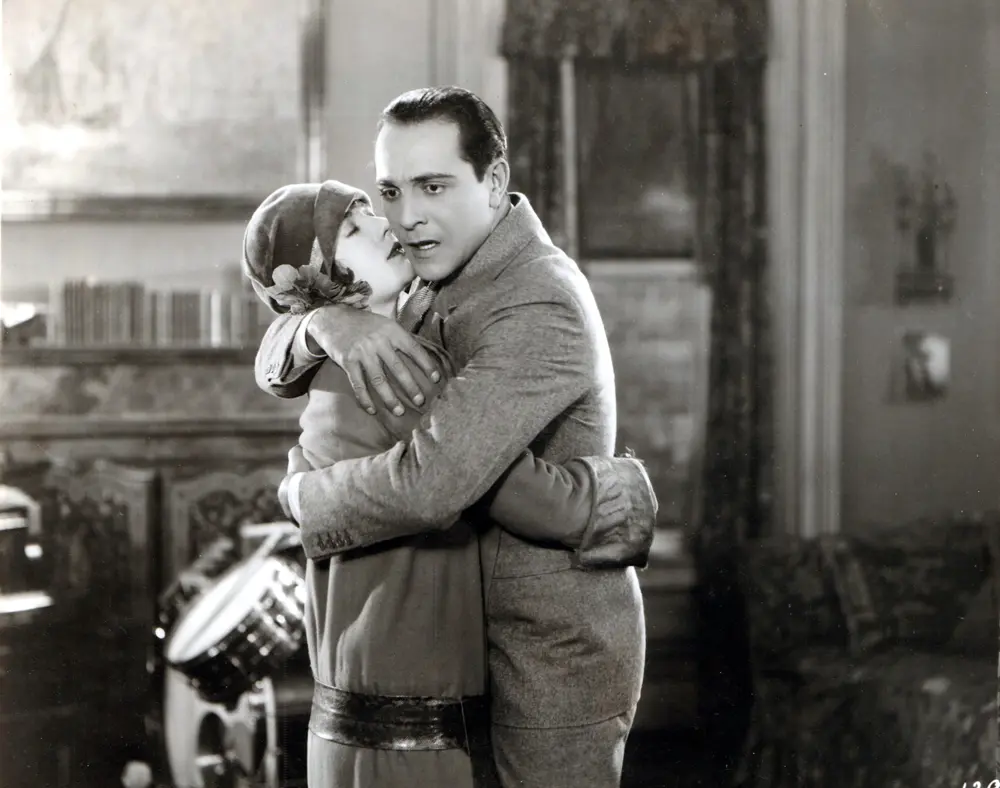
The narrative quickly escalates with a love triangle involving Angie Miller (Lois Wilson), who admires Mike but ultimately yields to Trent's persuasive, if sinister, charm. Years later, Mike finds success and love with society heiress Marjorie Church (Margaret Quimby), only for his world to be shattered by a tragic event that frames him for murder. It’s a classic melodrama steeped in the burgeoning crime genre, offering a window into the anxieties and allure of Prohibition-era urban life.
Let's cut directly to the chase. Does this film earn its runtime?
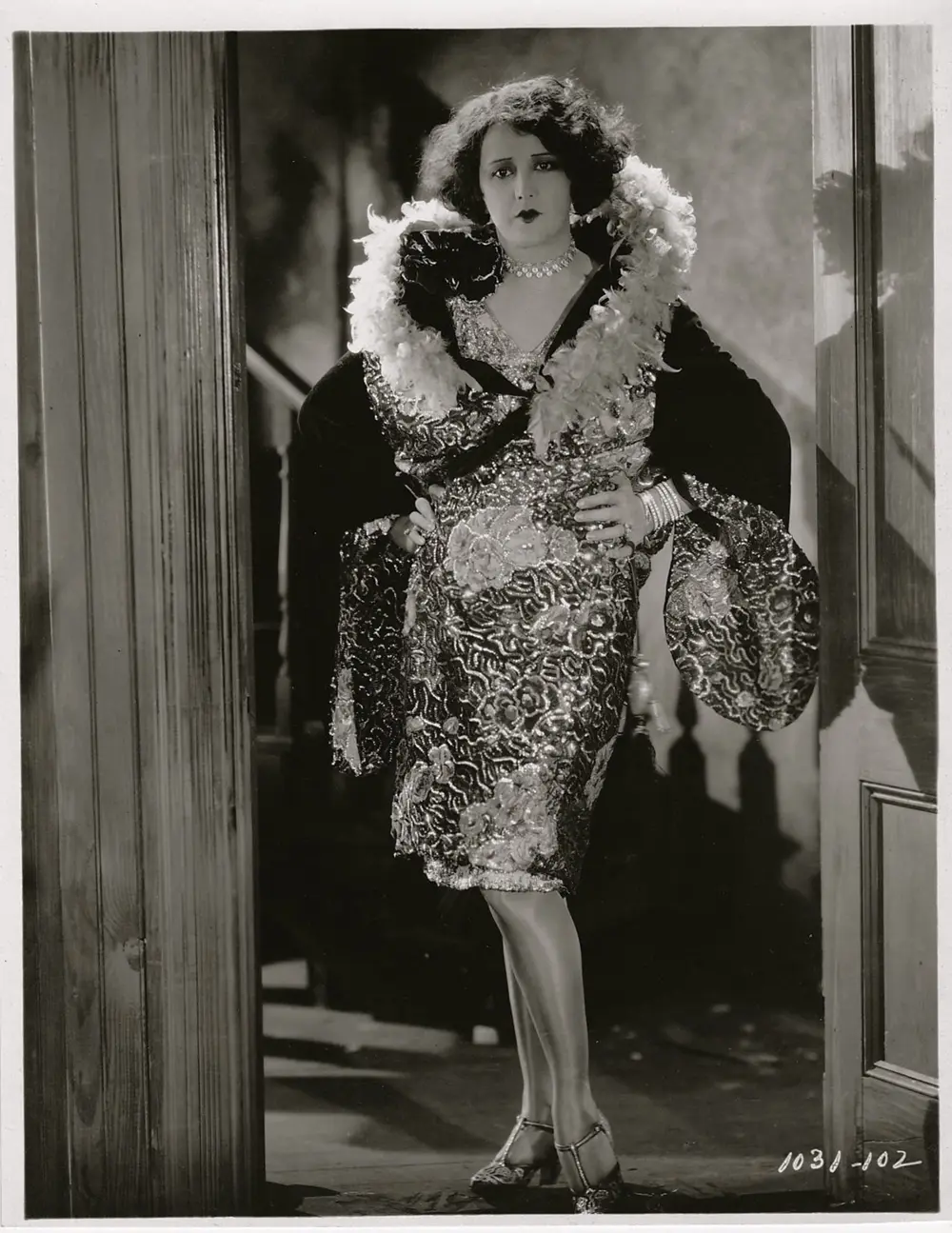
The acting in New York is a fascinating study in the transition from theatricality to cinematic naturalism. Ricardo Cortez, as Michael Angelo Cassidy, embodies the romantic lead with a brooding intensity that was common for the era. His expressions are broad, his gestures deliberate, yet there's a vulnerability in his portrayal of the artist caught in circumstances beyond his control. He sells the anguish, even if the methods feel dated.
William Powell, however, is the undeniable standout as Trent. Even in this early role, Powell’s inherent charisma and urbane menace shine through. He doesn't just play a gangster; he embodies a specific type of calculating villainy that would become his hallmark. There’s a scene where Trent’s jealousy boils over, leading to the accidental shooting of Angie Miller. Powell’s shift from possessive anger to panicked cover-up is chillingly effective, a masterclass in silent film acting that transcends the medium's limitations. It’s a performance that gives us a glimpse of the sophisticated villainy he would later perfect in films like The Splendid Sinner, albeit with a cruder edge here.
Lois Wilson, as Angie Miller, delivers a performance that oscillates between resilience and tragic resignation. Her character, caught between two powerful men, serves as the emotional fulcrum of the early narrative. While her character's motivations sometimes feel less explored than dictated by plot necessity, Wilson's ability to convey pathos through her eyes alone is commendable. Charles Byer, as Buck, provides a much-needed anchor of loyalty and intelligence, his understated reactions often speaking louder than any intertitle.
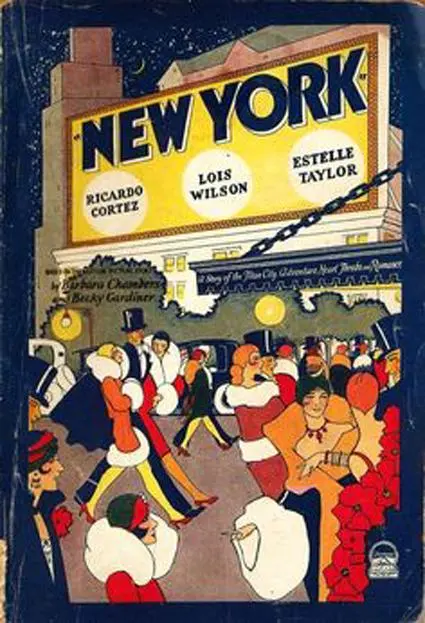
“William Powell, even in this early role, commands the screen with a subtle menace that foreshadows his legendary career. His Trent isn't just a thug; he's a predator in a tailored suit.”
The direction in New York, while not revolutionary, is competently executed for its time. The director (uncredited in the provided information, but often a collaborative effort in this era) effectively uses the urban landscape to establish mood and stakes. The cramped, smoky interiors of The Ritz Social Club feel authentic, contrasting sharply with the opulent settings of Marjorie Church's world later in the film. This visual dichotomy reinforces the class divides that are implicitly at play.
Cinematography, while lacking the dynamic camera movements of later eras, makes effective use of lighting and composition to create atmosphere. Shadows are often employed to heighten tension, particularly in scenes involving Trent's nefarious activities. The film doesn't shy away from the darker corners of the city, presenting a New York that is both alluring and dangerous, a character in itself. There’s a particular shot of the Bowery at night, bustling with activity, that, while simple, paints a vivid picture of the era's frantic energy.
The tone is decidedly melodramatic, a staple of silent cinema, but with an underlying current of realism that hints at the grittier crime dramas to come. The writers, Barbara Chambers, Forrest Halsey, and Becky Gardiner, craft a narrative that, despite its occasional narrative leaps, maintains a compelling dramatic through-line. They understand the power of high stakes and moral ambiguity, even if the resolutions often lean towards convenient justice.
Here is where New York truly shows its age. The pacing is deliberate, often slow, by today’s standards. Narrative developments, which a modern film might convey in a few quick cuts or lines of dialogue, are stretched out, relying on extended reaction shots and numerous intertitles. This isn't necessarily a flaw of the film itself, but rather a characteristic of the period's cinematic language.
For contemporary viewers, this requires an adjustment. The film takes its time to establish characters and situations, a luxury rarely afforded in today's fast-cut blockbusters. There's a certain meditative quality to it, allowing the audience to linger on expressions and environments. However, moments that should feel urgent sometimes lose their impact due to this extended approach. The reveal of evidence by Buck, for instance, builds slowly, which can feel less like suspense and more like narrative drag to an impatient audience.
Compared to other films of its time, such as The Chorus Girl's Romance, which also explored urban life and romantic entanglements, New York offers a more direct, less embellished portrayal of its darker themes. It’s less concerned with romantic fluff and more with the stark realities of crime and consequence. It works. But it’s flawed.
Absolutely, but with a clear understanding of what you're getting into. New York is a crucial piece of early cinematic history. It's not just a film; it's an artifact, a window into the narrative conventions and social anxieties of the late 1920s. For film students and historians, it's essential viewing. For casual moviegoers, it's a tougher sell, but one that rewards patience.
It's worth watching to see William Powell in an early, defining villainous role. It's worth watching to appreciate the nascent stages of genre filmmaking, particularly the crime drama. It's also worth watching to understand the evolution of storytelling, and how much has changed – and how much has remained the same – in the century since its release. Don't expect a modern thriller; expect a historical drama told through the lens of its time.
New York is not a universally accessible film, and it certainly won't appeal to everyone. Its strengths lie firmly in its historical context and the captivating performance of William Powell. It serves as a vital document, illustrating the nascent stages of genre filmmaking and the transition of silent cinema into more complex narrative structures. For those willing to adjust their viewing expectations and embrace the unique charm of early Hollywood, it offers a compelling, if somewhat plodding, journey into a bygone era of urban crime and ambition. It's a film that earns its place in the archives, not necessarily for its timeless entertainment value, but for its significant contribution to the cinematic lineage. Watch it for the history, for Powell, and for a fascinating glimpse at a city—and a cinema—in flux. Just don't expect it to move at the speed of, well, New York.
IMDb —
1927
Community
Log in to comment.