DbcultAccessing Vault...
3.8/10
Senior Film Conservator
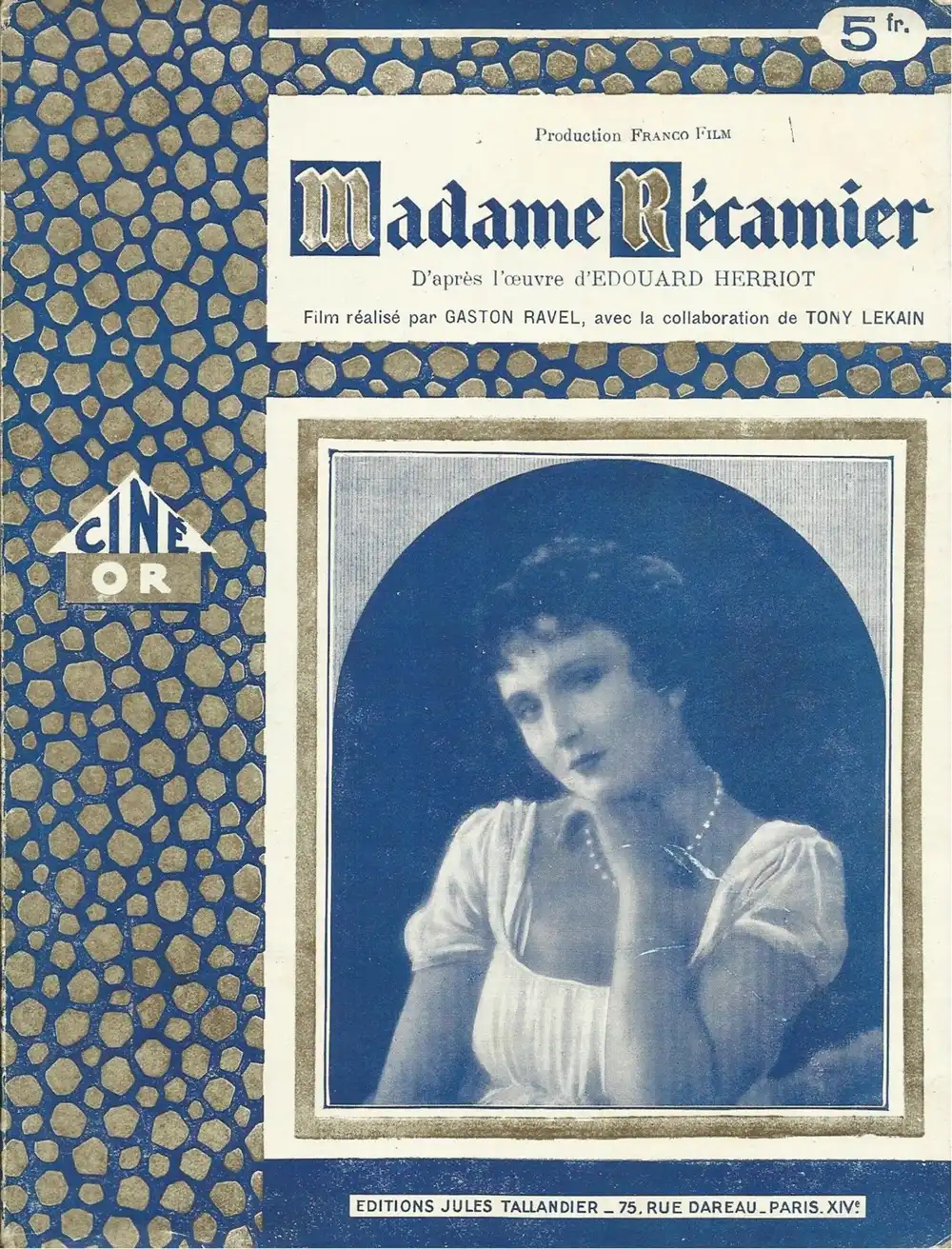
A definitive 3.8/10 rating for a film that redefined the boundaries of cult cinema. Madame Récamier remains a cornerstone of transgressive art.
If you have a high tolerance for silent films that feel more like a series of moving oil paintings than a movie, Madame Récamier is probably going to be a decent Sunday afternoon for you. If you need things like 'pacing' or 'characters who don't stand like statues,' you’re going to have a hard time. It’s a movie for people who like to pause the frame just to look at the embroidery on a sleeve or the way the light hits a very expensive-looking vase.
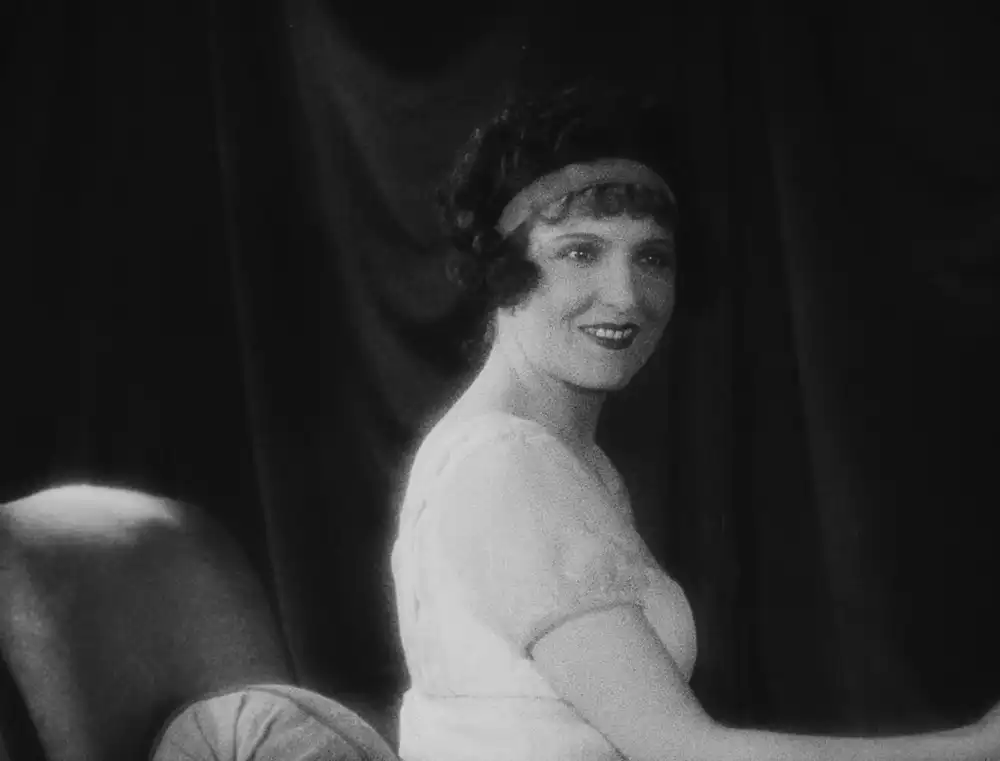
I went into this wanting to see why Juliette Récamier was such a big deal. The movie tells you she was important, but it doesn't always show you. Marie Bell plays her with this very specific, wide-eyed intensity that was common in the late 20s, but here it feels a bit disconnected. There’s a scene early on where she’s holding court in her salon, and the camera just lingers on her face for what feels like three minutes. She isn’t doing much—just blinking and tilting her head—but you can tell the director, Tony Lekain, was absolutely obsessed with her profile. It’s beautiful, sure, but it doesn't tell us anything about why these powerful men were losing their minds over her.
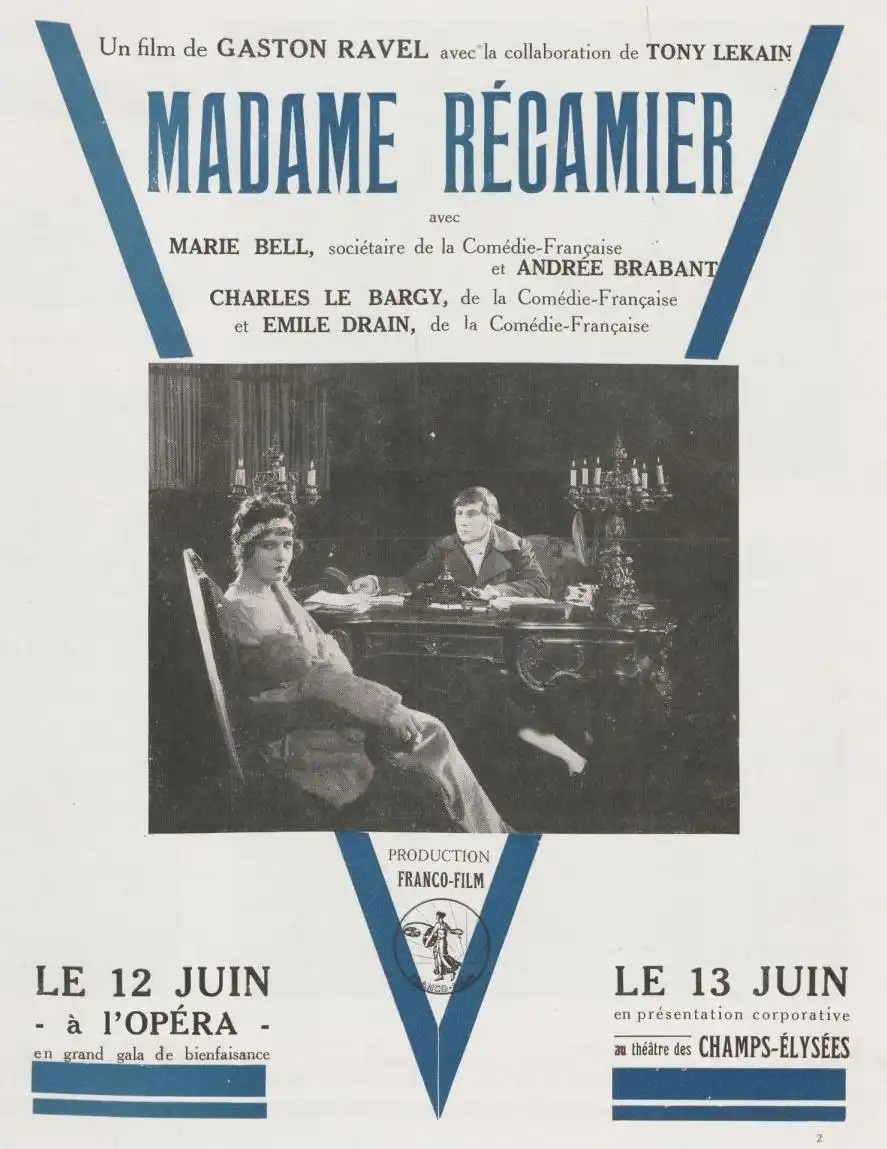
The Napoleon stuff is where the movie gets weirdly stiff. Every time Napoleon enters a room, the whole energy of the film shifts into this formal, almost panicked state. The actor playing him (Émile Drain, I think?) looks like he’s wearing a mask of his own face. There’s one shot where he’s standing by a window, and the framing is so symmetrical it feels like a Wes Anderson shot but without the irony. It’s just... there. It’s meant to be powerful, but it just feels like a guy waiting for a bus in a very fancy hat.
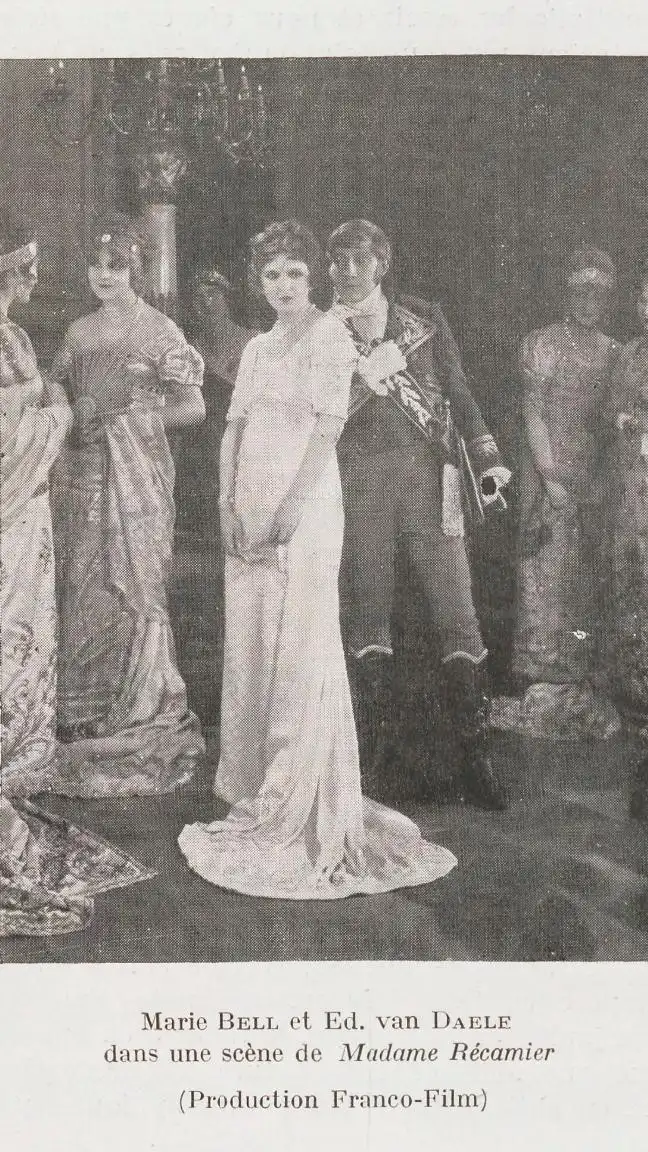
I noticed the background extras a lot in this one. In the big ballroom scenes, you can see people in the far back who clearly didn't think the camera could see them. There’s a couple on the left side of the frame during the first big party who are just sort of swaying awkwardly, looking like they’re waiting for the 'cut' that never comes. It’s those little moments of human clumsiness that make these big silent epics bearable. Without them, it’s all just very expensive furniture.
The editing is a bit of a mess in the second act. There’s a transition where we jump from a quiet conversation to a military parade that is so jarring I actually jumped. It feels like they lost a reel of film or just decided that context wasn't important. It lacks the breezy, effortless flow of something like A Girl in Every Port from the same year. That movie has a rhythm; this movie has a limp.
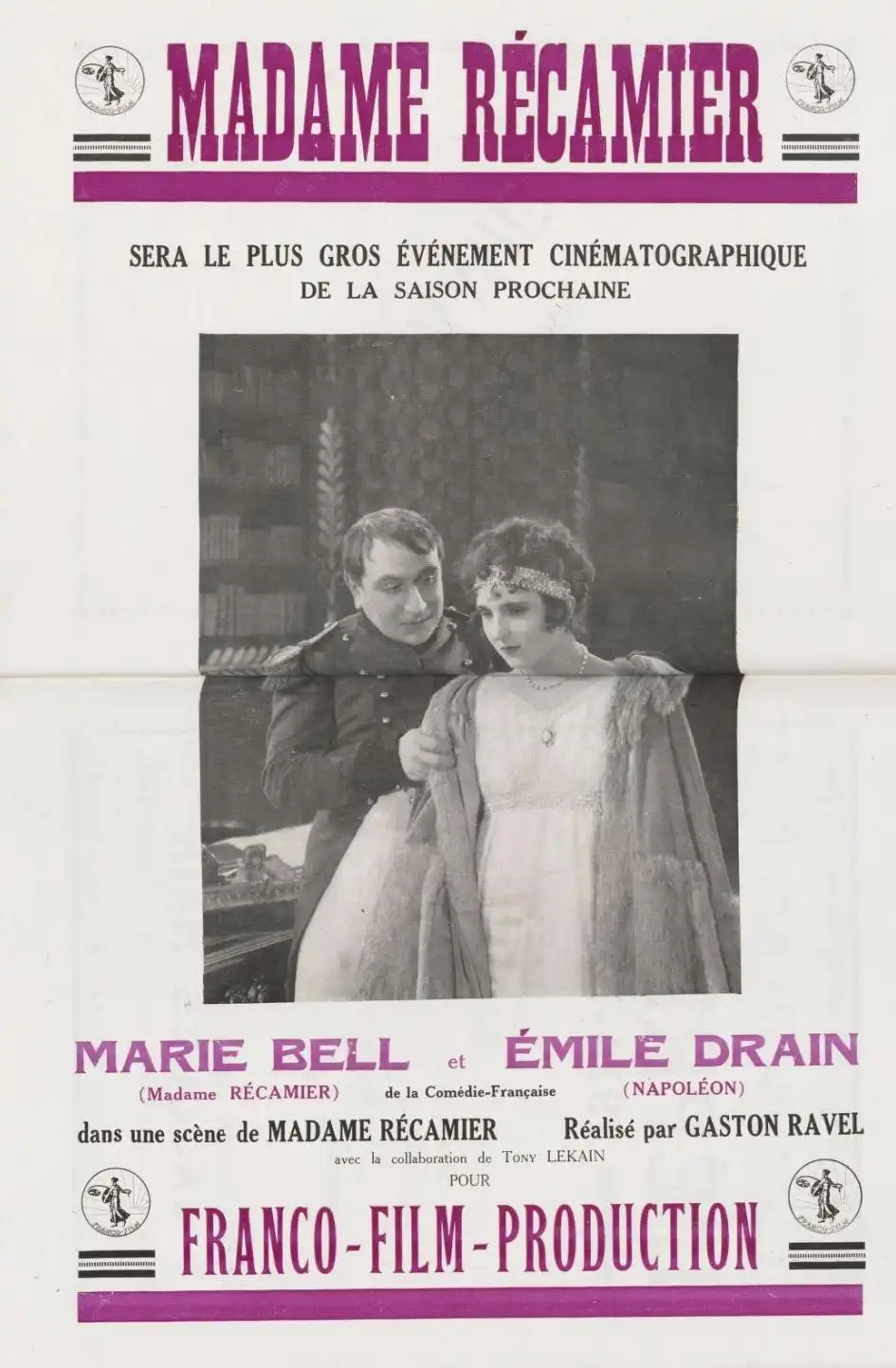
One thing that actually worked for me was the costume design. It sounds shallow, but the way the fabric moves in this film is incredible. There’s a scene where Juliette is walking through a garden, and her dress has this weight to it that you just don’t see in modern period pieces. You can feel the silk. You can almost smell the dust in the rooms. It’s a very tactile movie, even if the emotional core is a bit hollow.
There’s a lot of focus on her relationship with Chateaubriand later on, and while the actors are trying, the title cards are doing way too much heavy lifting. One card is just a giant paragraph of text explaining how they felt about each other. Just show us! The actors are right there! It’s the classic silent film trap: when the director doesn't trust the image, they bury you in text. I found myself checking my watch during the long political explanations. I don’t need a history lesson; I want to see the drama.
If you compare this to other stuff coming out around then, like the weird energy of The Master Mystery or the raw melodrama of The Unpardonable Sin, Madame Récamier feels very safe. It’s a 'prestige' film that is so worried about being respectable that it forgets to be alive.
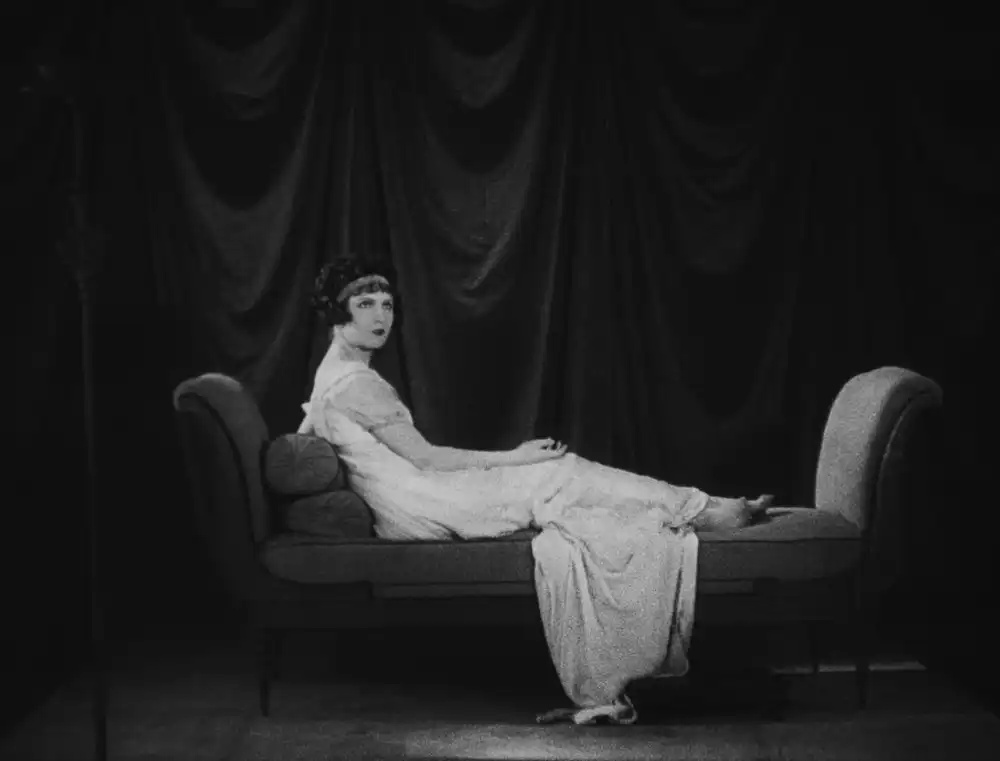
Is it worth watching today? Only if you’re a completist or you have a thing for French neoclassicism. It’s a long sit. By the time we got to the exile scenes, I was more interested in the wallpaper than the plot. But then, there would be a single shot—like Juliette sitting alone by a window with the light catching the lace on her collar—and I’d think, 'Okay, that’s why they made this.' It’s a movie made of moments, even if the spaces between those moments are a bit of a desert.
Also, the music in the restoration I saw was way too upbeat for what was happening on screen. There’s a scene of genuine social ruin accompanied by what sounded like a jaunty polka. It made the whole thing feel like a dark comedy, which I’m pretty sure wasn’t the intent. It’s these weird accidents of time that make watching 100-year-old movies interesting, even when they aren't necessarily 'good.'
IMDb 6.3
1923
Community
Log in to comment.