DbcultAccessing Vault...
Cult Review
Senior Film Conservator
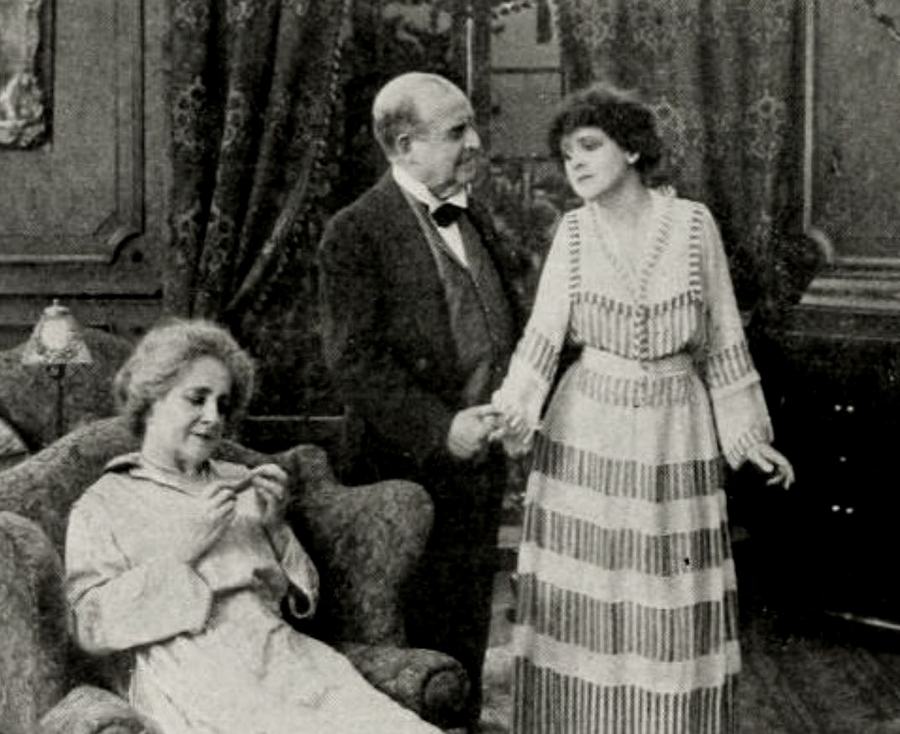
Stepping back into the cinematic annals, one encounters The Master Hand, a film that, even decades later, grips with its audacious portrayal of human depravity and the unwavering pursuit of justice. This is not merely a period piece; it's a timeless exploration of ambition curdled into avarice, a narrative tapestry woven with threads of betrayal, resilience, and eventual triumph. From its opening frames, the film plunges us into a world where the veneer of respectability barely conceals a festering core of malevolence, reminding us that some of the most insidious evils are often committed within the gilded cages of domesticity, under the very noses of unsuspecting society. The quiet horror of psychological manipulation, rather than overt violence, forms the bedrock of its suspense.
At the heart of this unfolding tragedy is James Rallston, portrayed with chilling conviction by Theodore Babcock. Rallston is a character who embodies the very essence of opportunistic villainy, a man whose charm is but a thin disguise for a soul consumed by greed. Having shrewdly wed a wealthy, yet infirm, widow, his initial marital vows quickly dissolve into a calculated strategy for financial dominion. His wife's delicate health, rather than inspiring compassion, becomes a grotesque opportunity, a vulnerability to be exploited for personal gain. This chilling premise immediately establishes the film's dark tone, setting the stage for a domestic drama that transcends mere melodrama to touch upon the profound psychological horrors of gaslighting and systemic abuse. The systematic erosion of Mrs. Rallston's agency, a slow, deliberate poisoning of her mind and body, is depicted with a disturbing realism that resonates deeply. One might draw a thematic parallel here with the insidious manipulations seen in films like Fior di male, where personal desires similarly lead to morally compromising actions, albeit with different outcomes and societal pressures.
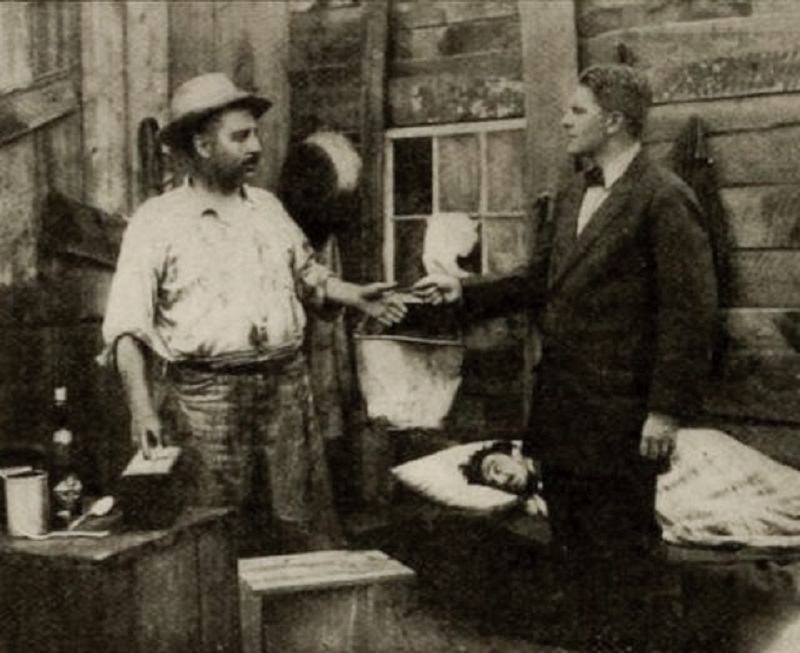
Rallston's grand design is aided by a truly disturbing confederacy of moral bankruptcy. Enter Miss Lane, played by Clarissa Selwynne, a woman of medicine whose professional integrity has been utterly corrupted. Instead of healing, she systematically administers debilitating drugs to Mrs. Rallston, artfully reducing her to a state of physical and mental incapacitation. This medical betrayal is perhaps one of the most unsettling aspects of the film, highlighting a profound societal vulnerability: the implicit trust placed in medical professionals and the catastrophic consequences when that trust is violated. The film doesn't shy away from depicting the slow, agonizing erosion of a person's autonomy, making Mrs. Rallston's plight particularly poignant. The ease with which an "unscrupulous keeper of a sanitarium," Dr. Garside (Carroll Fleming, who also co-wrote the film), provides the legal framework for her commitment speaks volumes about the institutional failings of the era and the ease with which individuals could be stripped of their liberty under the guise of care. It's a stark reminder of the darker side of early 20th-century institutionalization, a theme that, even today, retains a disturbing resonance, albeit with different manifestations, prompting viewers to consider the ethical boundaries of power and care.
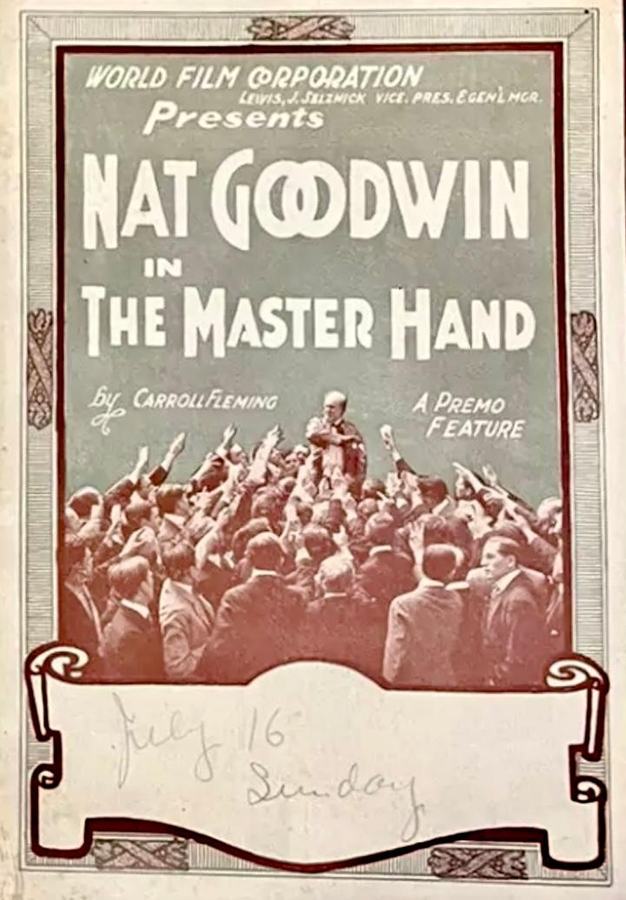
The narrative then jumps forward a staggering fifteen years, a period during which Rallston has flourished, living in magnificent, unearned splendor, his wife's fortune fueling his extravagant lifestyle. This temporal leap is crucial; it underscores the long-term consequences of Rallston's actions and the profound injustice suffered by Mrs. Rallston. For a decade and a half, she has been a prisoner, forgotten by the world, her very existence erased from public consciousness, while her tormentor enjoys the fruits of his crime. Katherine Lee’s portrayal of Mrs. Rallston, particularly in her initial state of vulnerability and later, her remarkable recovery, is central to the film's emotional core. The audience is left to ponder the sheer psychological fortitude required to endure such an ordeal and emerge with one's sanity intact. This extended period of suffering and the subsequent unexpected recovery is a narrative device that amplifies the eventual triumph, making the resolution all the more satisfying. It’s a testament to the human spirit's capacity for resilience, even under the most harrowing circumstances, a theme that echoes in other dramatic narratives of the period concerning wrongful confinement or exploitation, such as perhaps the long-suffering protagonists in East Lynne, though the specifics of their plights differ considerably.
The shifting sands of fate, however, begin to work against Rallston. He believes his wife to be on the brink of death, a convenient end that would cement his illicit gains and perhaps even pave the way for Miss Lane to assume her desired position as his new wife, completing their sordid alliance. But destiny, or perhaps the sheer will of Mrs. Rallston, intervenes with a dramatic flourish. Instead of succumbing, she experiences an astonishing recovery, regaining her health and, crucially, her sanity. This reversal of fortune is the pivotal turning point, injecting a potent dose of dramatic irony into the story. Rallston's meticulously constructed house of cards begins to sway precariously, threatened by the very woman he sought to erase. Simultaneously, his own hubris and financial recklessness lead him to speculate heavily, resulting in the catastrophic loss of his daughter Jean's inheritance. Madge Evans imbues Jean with a youthful innocence that makes her betrayal by her own father all the more heartbreaking, revealing the true extent of Rallston's moral bankruptcy. The film thus presents a compelling contrast between the moral fortitude of Mrs. Rallston and the self-destructive greed of Rallston himself, whose insatiable desire for wealth ultimately consumes not only others but also his own family's future, a classic cautionary tale of ambition spiraling out of control.
Desperate and cornered, Rallston attempts to salvage his dwindling fortunes by coercing Jean into a marriage with an old friend, Bigelow. Alex Calvert delivers a nuanced performance as Bigelow, a character who emerges as the film's moral compass and unexpected hero. Unlike Rallston's other associates, Bigelow possesses a keen sense of justice and an astute mind, unclouded by personal gain or complicity. He immediately suspects Rallston of deception and dishonesty, refusing to accept the convenient narrative of Mrs. Rallston's death or insanity. His skepticism is the first crack in Rallston's elaborate facade, a beacon of truth in a landscape of lies, demonstrating an intellectual prowess that sets him apart. Bigelow's character development from a mere acquaintance to a determined rescuer is one of the most satisfying arcs in the film. He doesn't just passively observe; he actively investigates, challenges, and ultimately rectifies the wrongs, driven by an inherent sense of right and wrong. This proactive heroism sets him apart from many passive protagonists of the era, making him a truly compelling figure whose actions propel the narrative towards its inevitable, righteous conclusion.
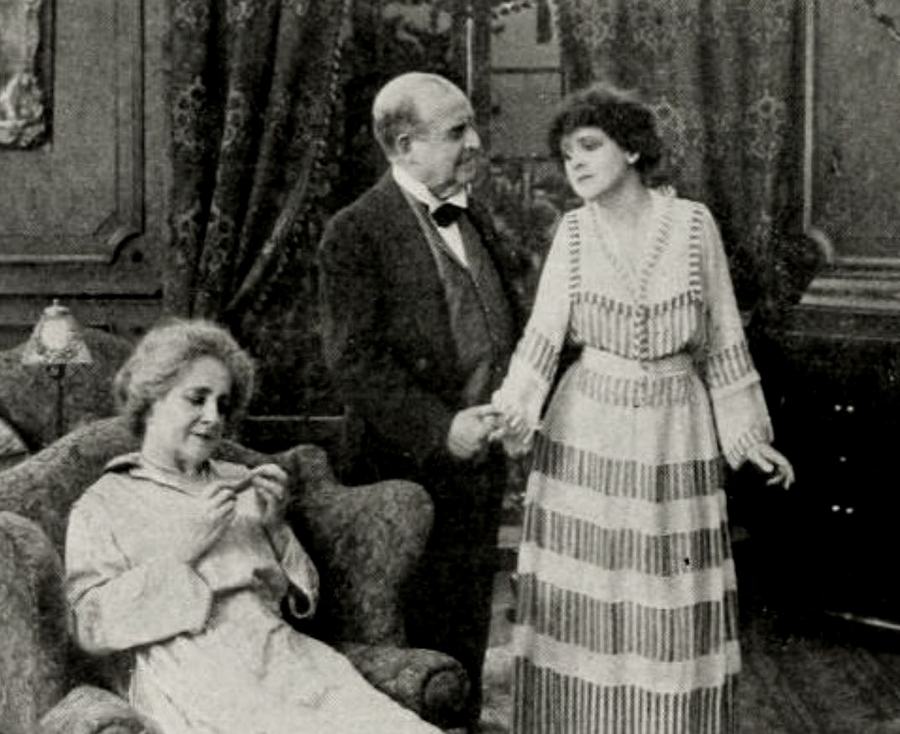
The climax of The Master Hand is a masterclass in tension and resolution, orchestrating a dual triumph of financial acumen and daring bravery. Bigelow, with a cleverness that rivals Rallston's initial cunning, orchestrates a brilliant financial maneuver, forcing up the price of a stock and thereby recovering Jean's lost fortune. This act of financial justice, a direct reversal of Rallston's malfeasance, is swiftly followed by an equally daring physical rescue. Disguising himself, Bigelow gains entry to the sanitarium, a place that has held Mrs. Rallston captive for far too long, and liberates her from her unjust imprisonment. The sequence of her rescue and subsequent reunion with Jean is incredibly moving, a powerful testament to the enduring bond between mother and daughter, and the ultimate triumph of good over evil. It’s a moment that resonates with the emotional catharsis one might find in narratives of liberation from wrongful captivity, such as the dramatic escapes often depicted in adventure serials, though here grounded in a more intimate, psychological, and domestic context, emphasizing the personal cost of such villainy.
The film ensures that justice, in its multifaceted forms, is served with a satisfying completeness. Dr. Garside, the corrupt sanitarium keeper, takes flight, his illicit enterprise exposed and shattered, a fugitive from the law he so readily bent. Rallston, the architect of so much suffering, meets a swift and ironic end in an automobile accident, a sudden, almost poetic justice for a life lived without regard for others, a karmic reckoning for his transgressions. And Miss Lane, her complicity now undeniable and facing the specter of exposure, confesses her crimes, completing the circle of accountability and offering a measure of truth to the long-suffering victims. This thorough resolution, where every villain receives their just deserts, provides a deeply satisfying conclusion for the audience, reinforcing the moral framework of the narrative. The final scenes, with mother and daughter reunited, their bond re-forged through shared ordeal and triumph, and Jean marrying the man of her choice (presumably Bigelow, though the plot summary leaves it slightly open, implying a happy ending for her emotional journey), offer a powerful sense of closure and hope. It’s a classic narrative arc of suffering, struggle, and ultimate redemption that has resonated with audiences for generations, a testament to the timeless appeal of justice prevailing.
Harley Knoles, as director, alongside writers Harley Knoles and Carroll Fleming, crafted a narrative that, while rooted in the dramatic conventions of its time, possesses a remarkable psychological depth. The film's pacing, the gradual revelation of Rallston's true nature, and the slow burn of Mrs. Rallston's recovery are handled with a masterful touch, building suspense and empathy effectively. The use of long takes and subtle facial expressions, characteristic of early cinema, allows the audience to fully absorb the emotional weight of each scene, drawing them into the characters' inner worlds. The cinematography, even in its early form, effectively conveys the oppressive atmosphere of the sanitarium, a place of dread and confinement, and the stark contrast with Rallston's opulent, yet morally bankrupt, world, visually emphasizing the chasm between appearance and reality. The film doesn't rely on overt theatrics but rather on the insidious nature of its villainy and the quiet resilience of its heroes, making the drama feel deeply personal and impactful.
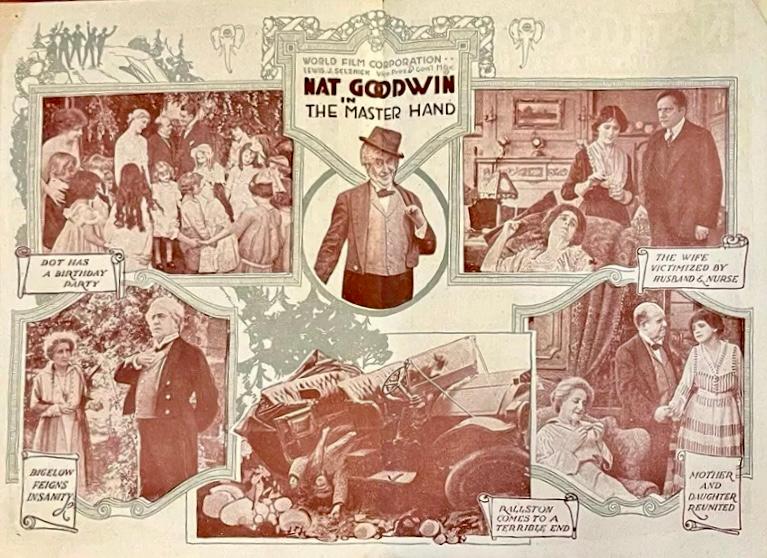
The cast delivers performances that, for the era, are impressively nuanced, breathing life into their roles with conviction. Katherine Lee's portrayal of Mrs. Rallston is particularly commendable, capturing both her initial frailty and her eventual, triumphant recovery with a quiet dignity that speaks volumes about her inner strength. Madge Evans as Jean brings a youthful vulnerability that makes her character's journey from naive daughter to a woman who finds her own agency deeply compelling, representing the hope for a future free from her father's shadow. Theodore Babcock’s Rallston is a truly despicable villain, his cold calculation and self-serving ambition making his ultimate downfall all the more gratifying and deserved. Clarissa Selwynne as Miss Lane manages to convey a chilling coldness, a woman utterly devoid of ethical considerations in her pursuit of personal gain, a stark reminder of professional betrayal. Alex Calvert’s Bigelow stands out as the epitome of the upright, intelligent hero, a welcome counterpoint to the pervasive corruption depicted elsewhere, his actions driven by principle rather than profit. The ensemble works cohesively to bring this complex tale of moral struggle and ultimate vindication to life, ensuring each character, no matter how minor, serves a vital purpose in the unfolding drama.
Beyond its thrilling plot, The Master Hand offers profound social commentary that resonates far beyond its release date. It critiques the dangers of unchecked greed and the ease with which wealth can corrupt not only individuals but also entire institutions. The film shines a glaring light on the vulnerability of women, particularly those with financial assets, to exploitation and manipulation, a theme that tragically remains relevant in various forms even today, highlighting enduring patriarchal power dynamics. Furthermore, it subtly questions the medical practices and institutional oversight of the time, where a person's liberty could be so easily revoked based on the word of a few unscrupulous individuals, prompting a critical examination of authority and accountability. It serves as a historical document, reflecting societal anxieties about power, justice, and the sanctity of personal freedom, concerns that are perennially relevant. In this regard, it touches upon similar concerns about societal structures and individual struggles as seen in films like The Coming Power, albeit through a more personal, domestic lens, emphasizing the impact on the individual and family unit.
Ultimately, The Master Hand is more than just a forgotten relic of early cinema; it is a powerful drama that speaks to enduring human themes with remarkable clarity and emotional force. It's a story of a long con, a harrowing confinement, and the eventual, satisfying unraveling of a meticulously planned deception. It celebrates the power of resilience, the importance of integrity, and the ultimate triumph of justice, however delayed, offering a potent message of hope. For those interested in the rich tapestry of early film and narratives that delve into the darker corners of the human psyche while ultimately affirming hope, this film remains a compelling watch. Its narrative complexity, strong characterizations, and resonant themes ensure its place as a notable entry in the canon of classic cinema, a testament to the fact that compelling storytelling transcends the limitations of its technological era. It’s a gripping reminder that even in the earliest days of filmmaking, creators were exploring the intricate dance between good and evil with remarkable sophistication and an understanding of human nature that continues to captivate audiences. The film's enduring power lies in its ability to tap into universal fears of betrayal and the profound desire for justice, making it a truly timeless piece.
IMDb —
1914
Community
Log in to comment.