DbcultAccessing Vault...
Cult Review
Senior Film Conservator
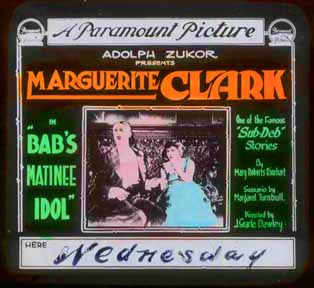
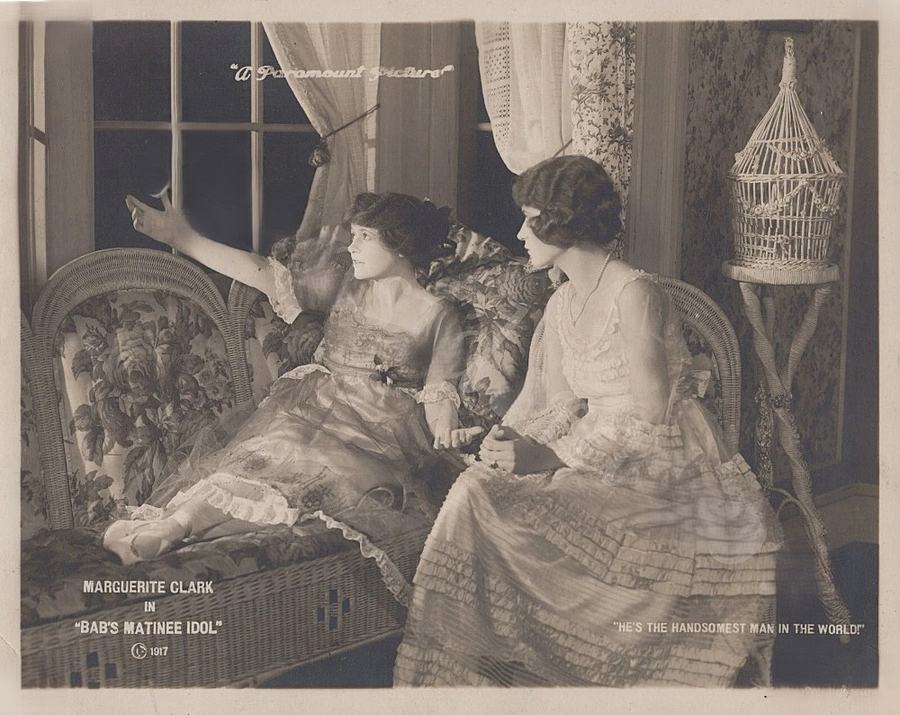
There’s a peculiar alchemy to silent cinema, a magic that transcends the absence of spoken dialogue, inviting us to inhabit a world rendered in shadow and light, gesture and expression. Among the myriad forgotten gems of that era, a film like Bab's Matinee Idol, though perhaps not a household name today, offers a fascinating lens through which to examine the burgeoning cultural phenomena of celebrity worship and the often-harsh collision of fantasy with reality. Penned by the formidable talents of Mary Roberts Rinehart and Margaret Turnbull, this picture, starring the incandescent Marguerite Clark, delves into the tender yet tumultuous heart of a young woman utterly captivated by the silver screen's manufactured allure. It’s a narrative that, despite its vintage, resonates with an almost startling contemporary relevance, exploring themes that continue to define our relationship with public figures and the illusions they project.
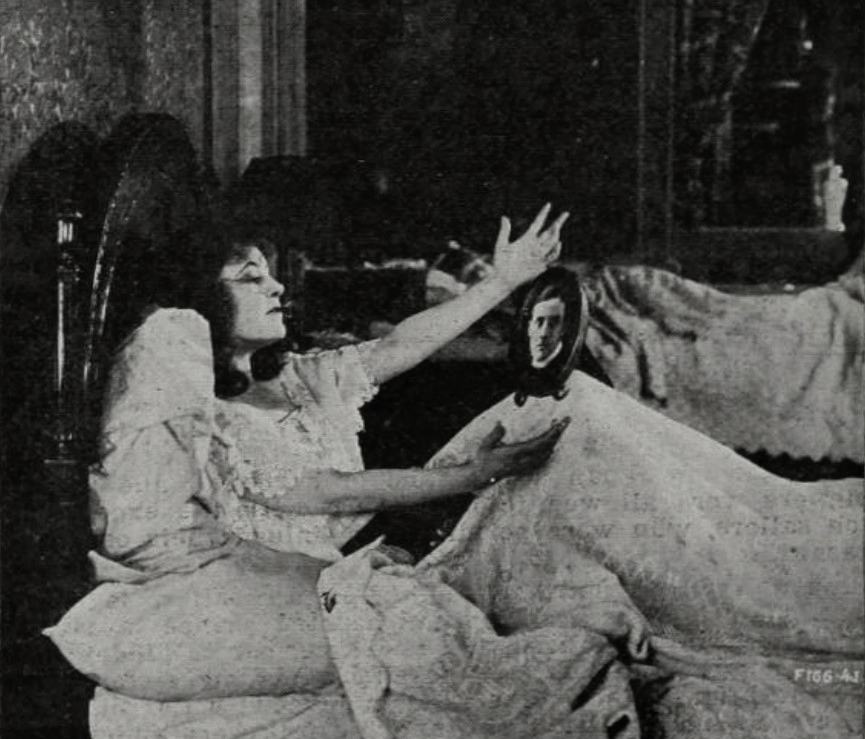
The film introduces us to Bab, brought to life with an exquisite blend of wide-eyed innocence and burgeoning introspection by Marguerite Clark. Clark, an actress whose delicate features and expressive eyes were perfectly suited for the close-up demands of the silent era, imbues Bab with an earnestness that makes her initial infatuation entirely believable. Bab’s world, a quiet domestic sphere, is utterly transformed by her devotion to Ronald Vance, the cinematic heartthrob portrayed with a subtly unsettling charm by Cyril Chadwick. Vance is everything the public desires: handsome, heroic, and perpetually bathed in an ethereal glow. Bab's bedroom, a sanctuary of adolescent dreams, becomes a testament to this devotion, adorned with countless photographs of her idol, each one a portal to a world far removed from her own.
The narrative, deftly structured by Rinehart and Turnbull, doesn't merely present this infatuation as a whimsical dalliance; it positions it as a profound, almost spiritual, yearning for something transcendent. Bab's aunt, played with a grounding, pragmatic sensibility by Helen Greene, and her childhood friend Jim, whose subtle, unrequited affection is poignantly conveyed by Nigel Barrie, serve as foils to Bab’s starry-eyed idealism. Their gentle skepticism, however, only reinforces the depth of Bab’s conviction, highlighting the isolation of her fantasy world. This dynamic immediately draws us into a universal human experience: the struggle to reconcile personal dreams with external realities. It’s a theme that echoes in other films of the period, albeit with different contexts, such as the yearning for a better life depicted in The Heart of Texas Ryan, or the internal conflicts explored in The Avenging Conscience: or 'Thou Shalt Not Kill', though Bab’s struggle is distinctly rooted in the burgeoning culture of celebrity.
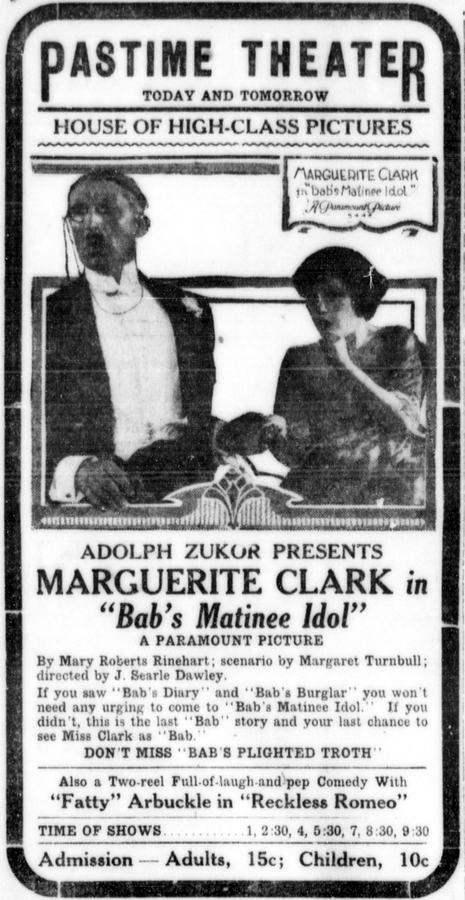
The turning point arrives with a contest win, a fantastical stroke of luck that grants Bab a walk-on role in Vance’s next film and the opportunity to meet her idol. This sequence is masterfully handled, transitioning from the romanticized anticipation of Bab’s journey to the jarring reality of the bustling, often unglamorous, studio environment. The initial glimpse of the film set is a symphony of controlled chaos, a stark contrast to the polished final product. Here, the film begins its crucial work of deconstruction, peeling back the layers of illusion to reveal the mechanics of dream-making. The sheer scale of the operation, the myriad technicians, the repetitive takes, all contribute to a sense of the magical facade slowly crumbling.
Marguerite Clark's performance during these scenes is particularly noteworthy. Her initial awe gives way to a subtle confusion, then a quiet dismay, as she witnesses the true nature of her idol. Cyril Chadwick’s portrayal of Ronald Vance off-screen is a triumph of understated complexity. He isn't overtly villainous; rather, he is simply human—flawed, distracted, and ultimately, rather ordinary. His charm, so potent on screen, dissipates into a practiced superficiality in person. This deliberate contrast is the film's beating heart, a powerful commentary on the chasm between public persona and private reality. It’s a disillusionment that feels profoundly personal, yet universally understood, a sensation akin to finding the wizard behind the curtain in A Message from Mars, though here the 'wizard' is merely a man, not a mystical being.
As Bab spends more time on set, the film skillfully expands its critique beyond just Vance, offering glimpses into the broader ecosystem of Hollywood. We see the petty rivalries, the ego clashes, the relentless pursuit of fame, and the often-exhausting labor that underpins the glamour. Isabel O'Madigan and Frank Losee, in their supporting roles, contribute to this tapestry, embodying the various types found within the studio system, from the jaded veteran to the ambitious newcomer. This comprehensive portrayal of the industry provides a rich backdrop for Bab’s personal journey, grounding her individual disillusionment within a larger, systemic reality. It’s a more nuanced look at the industry than some of its contemporaries, avoiding the overt melodrama of something like The Sunny South or The Whirlwind of Fate, instead opting for a more observational, almost sociological, approach.
Amidst this unfolding disillusionment, the film introduces a pivotal character: Jack, the earnest assistant director, brought to life with quiet dignity by William Hinckley. Jack represents an alternative to the superficiality that surrounds Bab. His kindness is genuine, his respect for her aspirations sincere, and his presence offers a much-needed counterpoint to Vance’s self-absorption. The burgeoning connection between Bab and Jack is handled with a delicate touch, a testament to Rinehart and Turnbull's nuanced writing. It’s not a sudden, dramatic romance, but a slow, organic recognition of shared values and authentic connection. This development prevents the film from descending into cynicism, offering instead a hopeful path forward, one rooted in genuine human interaction rather than manufactured fantasy. This subtle romantic arc feels more akin to the understated emotional depth found in a film like Common Ground, prioritizing character connection over grand gestures.
The true climax of Bab’s journey arrives not with a dramatic confrontation, but with a quiet, devastating overheard conversation. Vance, oblivious to Bab’s presence, makes disparaging remarks about his fans, dismissing their devotion as childish and inconsequential. This moment is exquisitely painful, delivered through Clark’s silent, shattering expression. The idol, once a beacon of idealized perfection, is utterly destroyed, reduced to a callous, unfeeling figure. It’s a powerful testament to the destructive nature of unchecked celebrity and the vulnerability of those who invest their hopes in it. This scene, more than any other, crystallizes the film's central theme: the profound difference between the image and the person. The emotional weight here is palpable, reminiscent of the personal betrayals explored in The Unwelcome Wife, though Bab's wound is existential, not marital.
With her illusions irrevocably shattered, Bab makes a courageous choice. She decides to leave the film industry, not in bitterness, but with a newfound clarity and maturity. The film's conclusion is not one of despair, but of quiet triumph. A final, meaningful glance exchanged with Jack signifies a nascent, more realistic romance, one built on mutual respect and understanding rather than projection and fantasy. Bab returns to her life, no longer an impressionable dreamer, but a woman grounded in reality, capable of discerning genuine affection from manufactured charm. This arc of self-discovery and growth is the film's enduring legacy, suggesting that true fulfillment lies not in chasing an external ideal, but in cultivating internal wisdom and authentic relationships.
The visual storytelling, typical of the era, relies heavily on close-ups to convey emotion, and the performances are often broad, yet Marguerite Clark manages to convey a nuanced interiority that elevates Bab beyond a mere caricature of a fan. The direction, while not overtly flashy, serves the narrative with a steady hand, ensuring that the emotional beats land effectively. The use of intertitles, rather than simply advancing the plot, often provides poetic or insightful commentary, enriching the viewing experience. The film’s pacing, a gentle progression from naive adoration to profound disillusionment, allows the audience to fully immerse themselves in Bab’s emotional journey. While other films of the time, such as Il fuoco (la favilla - la vampa - la cenere) or Il Fauno, might explore grander passions or mythical themes, Bab's Matinee Idol finds its strength in its intimate, relatable portrayal of a young woman's awakening.
In retrospect, Bab's Matinee Idol stands as a surprisingly prescient work. Long before the advent of social media and the 24/7 news cycle, Rinehart and Turnbull, along with the cast, understood the complex dynamics of celebrity and fandom. They recognized the power of manufactured images, the vulnerability of those who succumb to their allure, and the often-painful process of confronting reality. The film serves as a timeless cautionary tale, reminding us that the most captivating performances often occur off-screen, and that true connection is forged not in the dazzling glow of the spotlight, but in the quiet, unvarnished moments of shared humanity. It’s a testament to the enduring power of silent cinema to explore complex psychological and sociological themes with profound insight.
The film’s exploration of identity and self-perception, particularly Bab's journey from defining herself through another's image to finding her own authentic voice, is remarkably mature for its time. It nudges viewers to question the sources of their own idealizations and to seek value in genuine interactions. The supporting cast, including Leone Morgan, George Benjamin O'Dell, Vernon Steele, and Daisy Belmore, contribute to the vibrant tapestry of the studio world, each adding a layer of authenticity to the bustling environment. Even minor roles are imbued with a sense of purpose, creating a believable ecosystem around Bab's central drama. This attention to detail in character work, even for those with limited screen time, elevates the film beyond a simple romantic comedy into something more substantial. It certainly avoids the more caricatured portrayals sometimes seen in contemporary films like Teufelchen, favoring a more grounded approach to human behavior.
Ultimately, Bab's Matinee Idol is more than just a charming period piece; it’s a profound meditation on the nature of illusion, the perils of idealization, and the quiet triumph of self-discovery. It reminds us that while the silver screen can transport us to worlds of unparalleled fantasy, the most meaningful narratives are often found in the messy, beautiful reality of our own lives. For enthusiasts of early cinema, particularly those drawn to films that offer both entertainment and thoughtful commentary, this film is an essential viewing experience. Its themes remain startlingly relevant, serving as a mirror to our continued fascination with celebrity culture and the perpetual quest for authenticity in an increasingly mediated world. It’s a film that quietly asserts the importance of seeing beyond the manufactured glow, urging us to find value in the genuine connections that truly enrich our existence. It offers a more introspective journey than the overt social commentary of A Militant Suffragette, focusing instead on internal transformation. Its gentle critique of societal expectations and personal growth could even be loosely compared to the coming-of-age narrative in An Amateur Orphan, though Bab's journey is distinctly about shedding external projections rather than finding a new home.
IMDb 6.5
1920
Community
Log in to comment.