DbcultAccessing Vault...
5.7/10
Senior Film Conservator
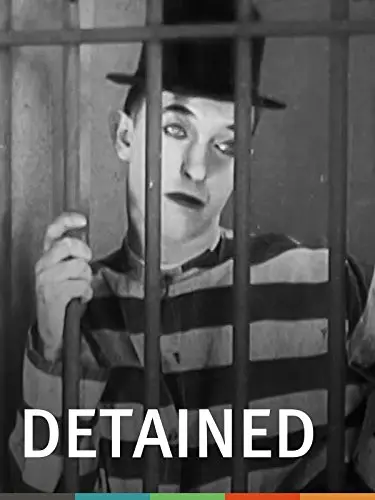
A definitive 5.7/10 rating for a film that redefined the boundaries of cult cinema. Detained remains a cornerstone of transgressive art.
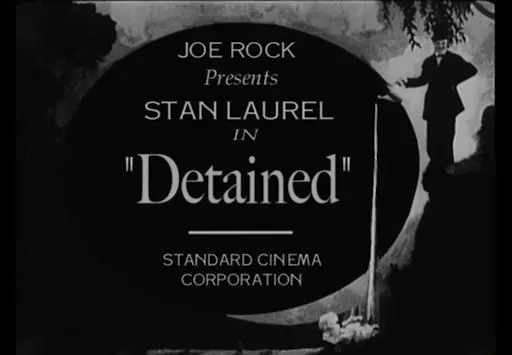
Ah, the silent era. A realm where physical comedy reigned supreme, where a glance or a stumble could convey volumes, and where the most profound truths were often found in the most ridiculous scenarios. Such is the enduring charm of Detained, a brief but brilliant cinematic escapade from 1924, featuring the inimitable Stan Laurel. Before his legendary partnership with Oliver Hardy solidified his place in the comedic pantheon, Laurel was already honing his craft, perfecting that bewildered, innocent persona that would become his trademark. And in this particular short, directed by the emerging talent Tay Garnett, we witness the very essence of that character thrust into an utterly farcical, yet strangely compelling, predicament. It’s a testament to the power of a simple, ingenious premise, executed with precision and a healthy dose of slapstick.
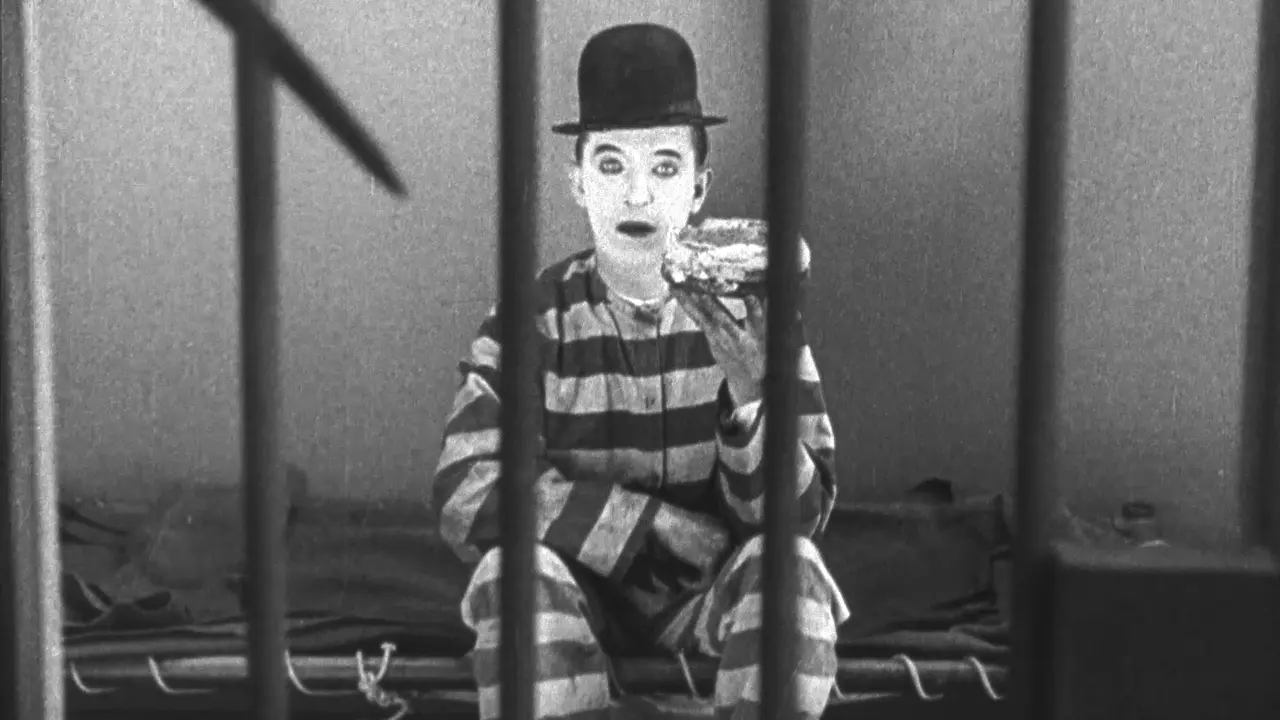
The narrative, sparse yet effective, hinges on a classic comedic trope: mistaken identity. But Detained elevates it beyond mere confusion. Our protagonist, Stan, is an unsuspecting civilian going about his day, minding his own business—a state of being that, for Stan Laurel’s characters, is almost always a prelude to chaos. An escaped prisoner, desperate to evade recapture, spots Stan as an opportune target. The ensuing exchange of clothing, initiated by force and driven by necessity, is where the brilliance begins. The prisoner sheds his tell-tale striped uniform, donning Stan’s unassuming attire, and vanishes into the populace. Stan, conversely, is left literally holding the bag—or rather, wearing the stripes. This sartorial swap is not just a plot device; it’s a symbolic act, instantly transforming the innocent into the guilty in the eyes of the world, or at least, in the eyes of the nearest, most unobservant authority figure.
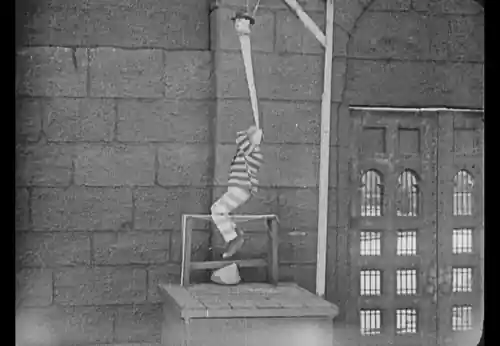
What follows is a masterclass in the comedic inevitability of misfortune. Stan, now clad in the unmistakable uniform of a convict, is, of course, spotted by a guard. The irony is palpable: the very attire meant to signify his status as a lawbreaker is precisely what he was unwillingly coerced into wearing. There's no grand chase, no elaborate scheme of capture. It's a swift, almost perfunctory apprehension, highlighting the absurd simplicity of bureaucratic justice when faced with a visual cue. Stan’s attempts at explanation, his wide-eyed bewilderment, are met with the unyielding authority of the institution. He is, quite simply, ‘detained.’ The film’s title, therefore, isn’t just a descriptor of the plot; it’s a wry commentary on how easily one can become ensnared in circumstances beyond their control, especially when one possesses Stan Laurel’s particular brand of hapless magnetism for trouble.
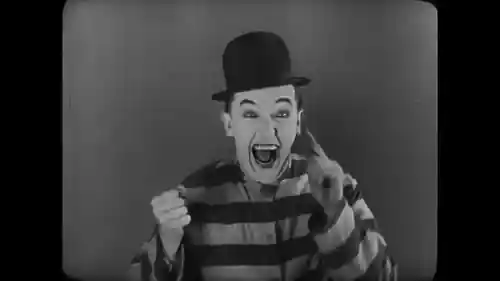
The genius of Detained lies in its brevity and its laser focus on this single, escalating gag. Unlike some of the more sprawling silent comedies, which might weave together multiple subplots, Detained hones in on the core comedic conflict. Stan Laurel's performance is central to its success. He embodies the 'everyman' caught in an extraordinary situation, his facial expressions oscillating between confusion, indignation, and a resigned acceptance of his absurd fate. This early portrayal showcases the nascent stages of the Stan we would come to adore, a character whose innocence is his most potent comedic weapon, often leading him into predicaments that only his unique logic (or lack thereof) can navigate. His reactions are universal, tapping into that primal fear of being misunderstood, of being punished for something you didn't do, all wrapped in a wonderfully ludicrous package.
While Tay Garnett would later achieve considerable renown as a director of diverse genres, from film noir like The Postman Always Rings Twice to adventure epics, his early work in silent comedies like Detained offers a fascinating glimpse into his formative years. Here, his directorial hand is light but assured, understanding the rhythm of slapstick and the visual grammar necessary for silent storytelling. He allows Laurel’s physicality to shine, framing the shots to maximize the comedic impact of Stan’s bewildered expressions and clumsy movements. This isn't just a director pointing a camera; it's a director collaborating with a comedic talent to extract every drop of humor from a scene. One can see the nascent understanding of pacing and visual storytelling that would serve him well in later, more complex productions. The effectiveness of Detained is a testament to Garnett's ability to craft a compelling narrative, even within the confines of a short, comedic format.
The supporting cast, including Julie Leonard and Agnes Ayres, though perhaps not given extensive screen time in such a Stan-centric vehicle, contribute to the overall fabric of the film. Their presence, whether as bystanders or as figures of authority, helps to ground Stan’s fantastical predicament in a semblance of reality, making his subsequent incarceration all the more ludicrous. Ayres, a prominent leading lady of the era, brings a certain gravitas, even in a comedic context, that contrasts nicely with Laurel's more clownish demeanor. These early films often served as proving grounds for many actors and filmmakers, allowing them to experiment and refine their craft, and Detained is a sterling example of such a collaborative proving ground.
Placing Detained within the broader context of silent comedy reveals its particular strengths. While it might not possess the grand scale of a Chaplin epic or the daredevil stunts of a Keaton masterpiece, it shares a common DNA with many of its contemporaries in its exploration of social alienation and the individual's struggle against an indifferent system. The theme of mistaken identity, for instance, runs through many early comedies. Consider the intricate disguises and resulting chaos in films like The Stolen Voice or the various predicaments faced by characters in The Painted Soul, though those leaned more into dramatic territory. Detained takes this concept and distills it into its most purely comedic form, where the absurdity of the situation is the primary driver of humor, rather than character introspection or complex plotting.
Stan Laurel's pre-Hardy work is often overlooked, but films like Detained are crucial for understanding the evolution of his persona. In My Boy, for example, we see a more sentimental side, but the underlying vulnerability and the tendency to attract trouble are already present. The Stan of Detained is a refinement of this, a more distilled version of the character who would eventually become half of the world's most beloved comedic duo. His unique brand of 'slow burn' reaction, where a situation slowly dawns on him, is already well-established here, generating genuine laughs through his bewildered expressions rather than overt gags. This reliance on character-driven humor, even in a slapstick context, sets him apart.
The brilliance of Detained also lies in its simplicity. It doesn't attempt to tackle grand themes or deliver profound social commentary in the vein of some more ambitious silent films. Its objective is purely to entertain through an escalating series of unfortunate events befalling an innocent man. Yet, within that simplicity, there's a subtle critique of how easily appearances can deceive and how swift judgment can be. It’s a timeless idea, encapsulated perfectly in a few reels of film. One might draw parallels to the bureaucratic absurdity found in later, more complex narratives, but Detained presents it with a disarming, almost childlike directness.
The film serves as a fantastic entry point for those curious about early silent comedies or the formative years of screen legends. It’s a reminder that even before the advent of sound, filmmakers were adept at crafting compelling, hilarious, and often thought-provoking narratives using only visuals and intertitles. The kinetic energy of the performances, the precise timing of the gags, and the sheer audacity of the premise combine to create a truly memorable experience. While not as widely known as his later work, Detained holds its own as a valuable piece of cinematic history, showcasing the genius of Stan Laurel and the emerging talent of Tay Garnett. It’s a delightful, concise piece of comedic craftsmanship that proves that sometimes, all you need is a man in the wrong uniform at the wrong time to create lasting laughter.
Looking back at films like Detained offers more than just a nostalgic trip. It provides insight into the foundations upon which modern comedy was built. The physical humor, the timing, the character development through action rather than dialogue – these are all elements that continue to resonate in contemporary entertainment. It's easy to see how the experience gained on such shorts informed the later careers of those involved. Tay Garnett's ability to direct a tight, effective narrative here would be expanded upon in his more ambitious projects, showcasing a versatility that was rare for the era. Similarly, Stan Laurel’s nuanced portrayal of a man out of his depth became a cornerstone of his comedic identity, a character who, despite his constant misfortunes, maintains a certain endearing resilience.
The film doesn't rely on complex set pieces or extravagant effects; its power comes from the sheer relatability of the situation, however exaggerated. Who hasn't felt caught in a system, misunderstood, or judged unfairly based on superficial evidence? Detained taps into these anxieties and transforms them into pure, unadulterated humor. It's a reminder that laughter can be a potent tool for navigating the absurdities of life. While comparison to films like The Big Adventure or Once a Plumber, which also feature comedic predicaments, might highlight different approaches to narrative construction, Detained stands out for its elegant simplicity and the sheer effectiveness of its central gag. It’s a film that proves that sometimes, less is indeed more, especially when that ‘less’ involves a comedic genius like Stan Laurel.
In conclusion, for anyone seeking a delightful dip into the wellspring of silent comedy, Detained offers a concise, hilarious, and historically significant experience. It’s a vibrant snapshot of an era, a showcase for burgeoning talent, and a testament to the timeless appeal of a man in stripes who just wants to go home. The film, despite its age, retains an infectious energy and a comedic punch that transcends the decades, making it a truly captivating watch for both connoisseurs of classic cinema and newcomers alike. It's a small film with a big heart, and an even bigger laugh, confirming Stan Laurel's early mastery of the comedic form long before he became half of the world's most famous duo.
IMDb 5.8
1931
Community
Log in to comment.