DbcultAccessing Vault...
6.6/10
Senior Film Conservator
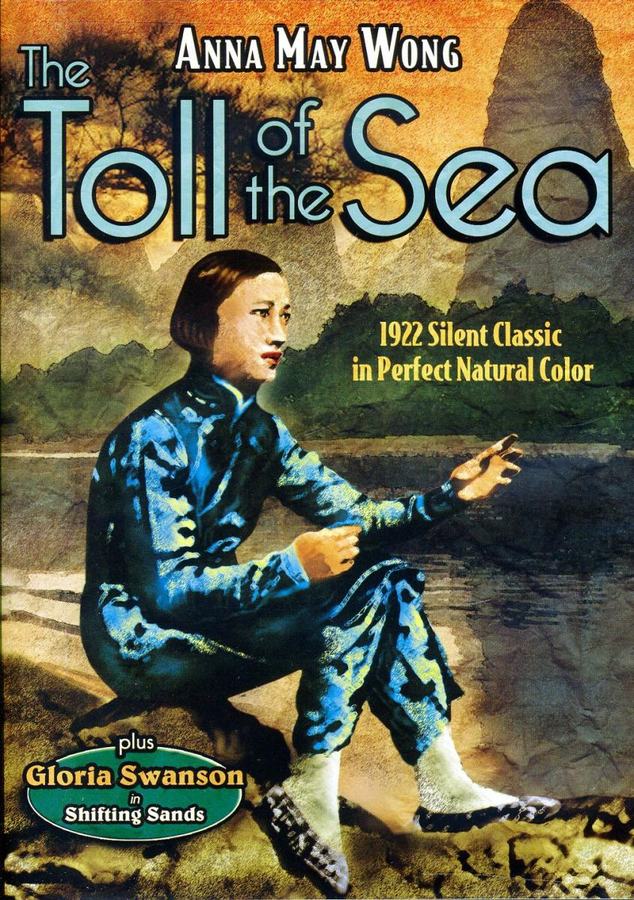
A definitive 6.6/10 rating for a film that redefined the boundaries of cult cinema. The Toll of the Sea remains a cornerstone of transgressive art.
Imagine a film that arrives like a shard of coral in your mailbox: pastel-pink on the surface, but serrated enough to draw blood. That is The Toll of the Sea, a 1922 silent that somehow feels both antique and feral, like a love letter chewed by saltwater and regret.
Director Chester M. Franklin, working within the suffocating strictures of two-strip Technicolor, conjures a palette of bruised lilacs, diseased jade, and cadaverous peach—hues that refuse to console. Every frame vibrates with the tension of a cultural collision: a Chinese woman’s interior vastness versus a white man’s exterior opportunism. The camera does not merely observe; it seems to inhale the acrid perfume of lotus blossoms and exhale colonial smoke.
Let us dispense with nostalgia. The film’s so-called “limited” color is its savage genius. Sea-foam green bleeds into sickly chartreuse whenever Allen’s affection cools; Lotus’s crimson wedding sash mutates into dried blood once betrayal calcifies. These chromatic micro-aggressions weaponize beauty, turning each shot into a slow-acting poison. When Hollywood later splurged on full-spectrum spectacle, it forfeited this strategic anemia—proof that constraint can be more eloquent than opulence.
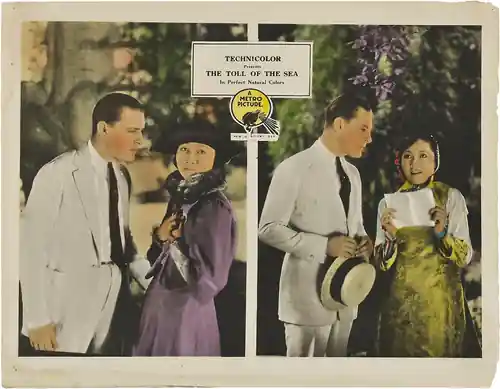
Anna May Wong was nineteen yet already haunted by the knowledge that Tinseltown would never let her kiss a white man on screen. Instead, she weaponizes absence: every close-up is a duel between pupils and prejudice. Watch the way her shoulders collapse—not once but thrice—when Carodoc pronounces “America” as though it were a cathedral. The gesture is microscopic, almost sub-dermal, yet it annihilates the proscenium between 1922 and now. Compare this to the vaudeville mugging in A Night Out or the poker-table stiffness of Cut the Cards; Wong operates in a register of silent-heartbreak so advanced it feels extraterrestrial.
Her voicelessness—imposed by a medium that feared a Chinese-American accent—becomes a paradoxical megaphone. The tear that halts mid-cheek, the way she fingers her own pulse as if verifying she’s still alive: these constitute a lexicon for the dispossessed. When she finally surrenders her infant, the child’s wail is expunged from the soundtrack, leaving only Wong’s mute convulsions. The vacuum is deafening.
Carodoc could have been a mustache-twirling cad; instead Kenneth Harlan gifts him the nervous smile of a man who believes himself decent. Note how he pockets the jade locket—slowly, apologetically—before boarding the outbound steamer, as if thievery were a bureaucratic formality. His cowardice is bureaucratic, too: he follows social scripts rather than moral imperatives, rendering him more chilling than any Snidely Whiplash. In contrast, the predatory males of Fedora or The Janitor at least own their villainy; Carodoc’s self-exoneration is the true colonial virus.
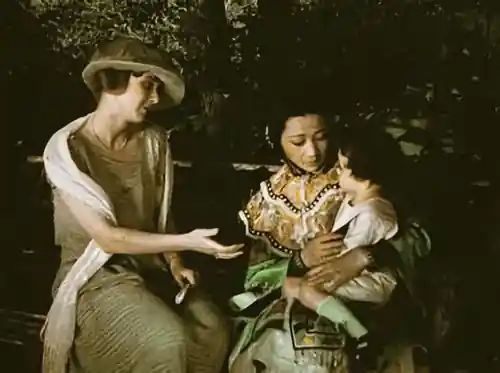
Frances Marion, Hollywood’s premier scenario sorceress, compresses a novella’s worth of imperial guilt into a brisk fifty-three minutes. She excises exposition like a surgeon whittling necrotic bone; we never learn Carodoc’s profession or Lotus’s surname, because this is myth, not biography. Yet Marion sneaks in seditious details: the American consul who signs the adoption papers sports a lapel pin shaped like an eagle clutching opium poppies—an indictment so sly it could be an embroidery error.
Compare the narrative economy here to the sprawl of Common Clay or the sudsy convolutions of Borrowed Clothes. Marion understands that silence is not emptiness but compression: every cut equals a gasp withheld.
Water is not backdrop; it is co-conspirator. It roars over the opening titles like a creditor demanding interest. At times the surf is sped up—Keaton-esque—transforming the Pacific into a ravenous organism, a colonial maw that swallows women who dare to dream transnationally. When Lotus wades into immortality, the film undercranks the tide so that waves sprint past her waist like greyhounds. Death becomes a sports event, a cruel carnival where spectators are complicit.
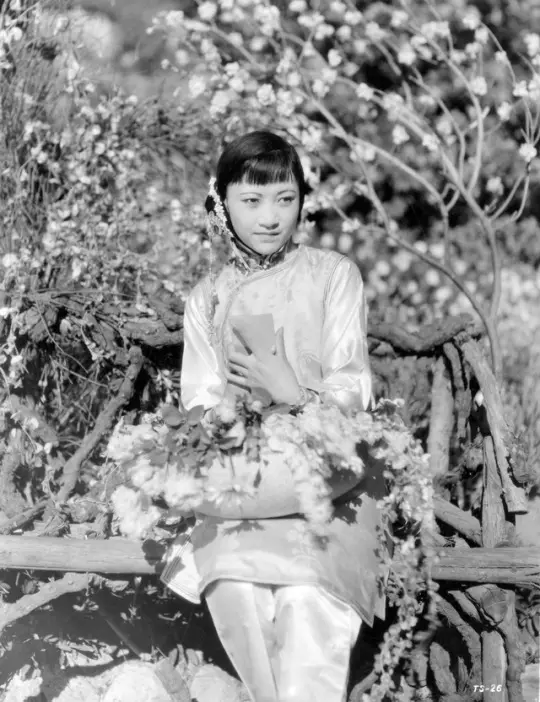
Yes, the film traffics in pagoda silhouettes and willow-pattern iconography, yet it weaponizes them against the viewer. The wedding scene is framed through a circular moon-gate—an iris shot that imprisons the couple inside a porcelain plate. But the plate cracks: Allen’s pupils drift toward the exit, and the camera lingers on the fracture. The message is meta: exoticism is a commodity that shatters under scrutiny, cutting the hand that purchases it.
Silent cinema is often caricatured as histrionic, yet the most devastating moments here hinge on sonic imagination. When Lotus discovers Allen’s betrayal, the surftrack—absent any score—invites you to hallucinate her heartbeat. Try it: you will swear you hear arterial thunder. The absence of a orchestral safety net exposes the viewer’s complicity; we become the voyeuristic tide, lapping at her dignity.
Historians praise Toll as the first “color” feature shot entirely in Hollywood, but they underplay how that chromatic gimmick becomes a trauma engine. The process could only register reds and greens; skin tones oscillate between feverish salmon and mortuary teal. Lotus’s visage thus carries a perpetual bruise, a chromatic reminder that she is—as the intertitles term it—“between worlds.” Even the baby’s cheeks appear gangrenous, as if the new century itself were infected.
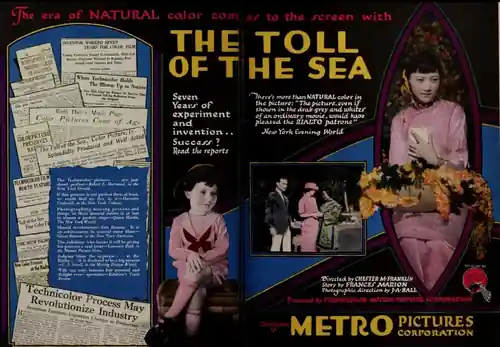
Hollywood loved to stage Asia as feminine—supine, mysterious, available. Here the metaphor collapses inward. Lotus charts her own littoral sovereignty: she names the cove, dictates the courtship tempo, and ultimately chooses the hour of her vanishing. The film reclaims geography as feminist praxis, predating the post-colonial polemics of Li Ting Lang by nearly a decade.
Modern screenwriting gurus insist on a redemption beat; Marion offers none. After Lotus’s disappearance, Carodoc scans the horizon with binoculars, but the film cuts to black before his reaction crystallizes. We are denied catharsis, left instead with a residue of brackish guilt. Compare this to the tidy comeuppance in Her Sister’s Rival, where moral ledgers balance like a PTA balance sheet. Toll understands that imperial wounds do not close; they suppurate across generations.
Contemporary trade sheets raved about the “Chinese atmosphere,” yet derided Wong’s performance as “inscrutable.” Translation: she refused to grin like a geisha. Today, Twitter threads hail her as a proto-Zendaya, but that flattening equally betrays her. She occupies a liminal vanguard—too Asian for classic Hollywood, too dead for contemporary oscar-bait apology films. The only valid homage is to watch her, frame by frame, until your retinas scar.
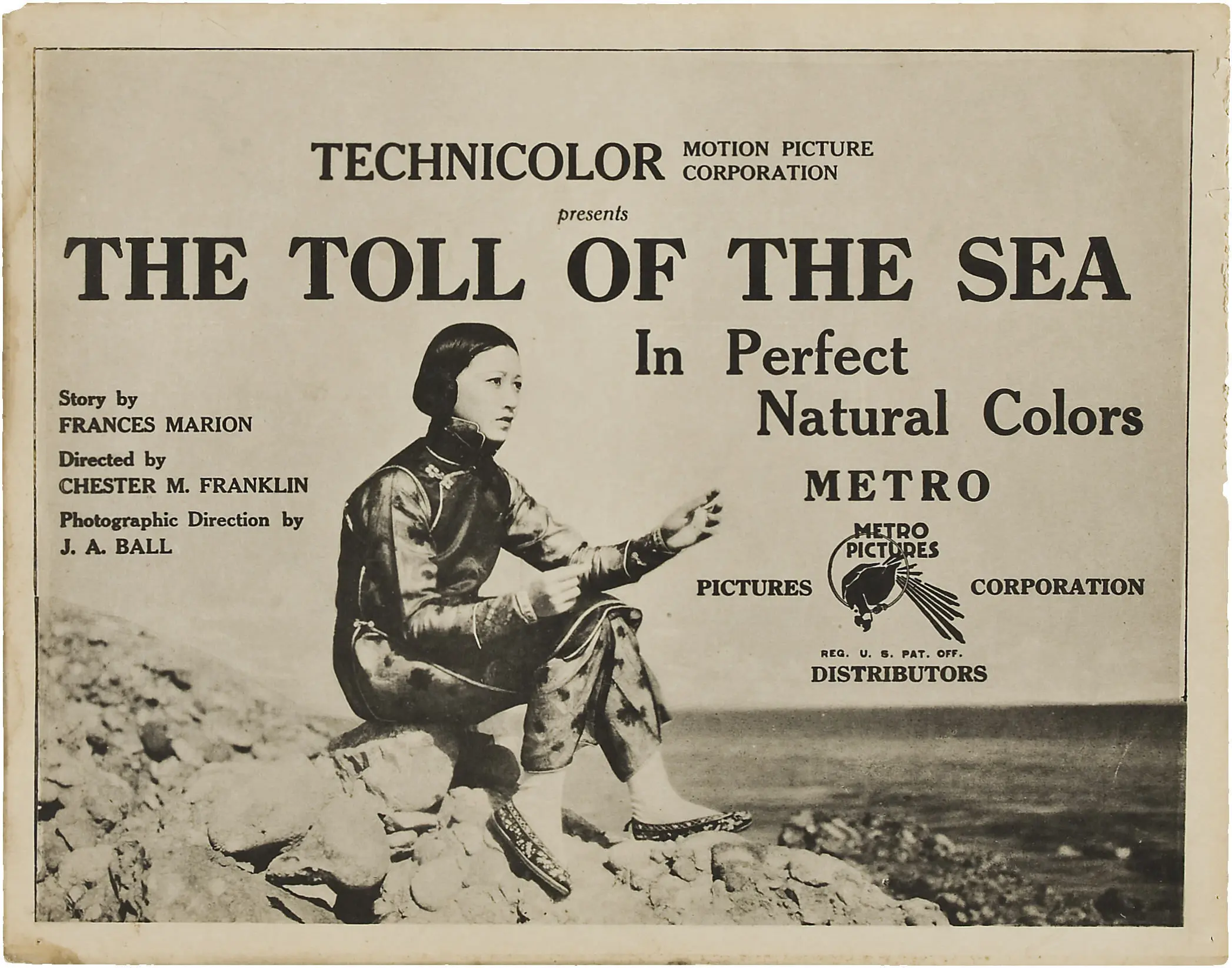
The 4K restoration by the UCLA Film & Television Archive resuscitates the two-strip dyes to their original toxicity: greens that look like oxidized copper, reds that throb like inflamed gums. The projection notes advise “caution for viewers with chromatic epilepsy”—a warning both campy and apt. Streaming on Criterion Channel, the film now reaches dorm rooms where K-pop posters wallpaper the marginalized yearning; Wong’s gaze pierces that pixelated veil, demanding reparations across a century of pixels.
I first watched Toll at 3 a.m. in a sublet above a noodle shop whose fluorescent sign blinked “OPEN” even when closed. The sea onscreen merged with the clatter of dishwashers below; for a moment I believed my floor might tilt into the tide. When Lotus submerged, I realized I had been holding my breath so long my ribs creaked like a junk’s mast. I did not cry; I simply walked to the window, stared at the alley’s neon puddles, and understood that every immigrant romance I’d ever scripted was merely a footnote to Wong’s silence.
That is the film’s ultimate toll: it invoices you for centuries of maritime exploitation, then demands payment in oxygen.
IMDb 6.3
1936
Community
Log in to comment.