DbcultAccessing Vault...
6.5/10
Senior Film Conservator
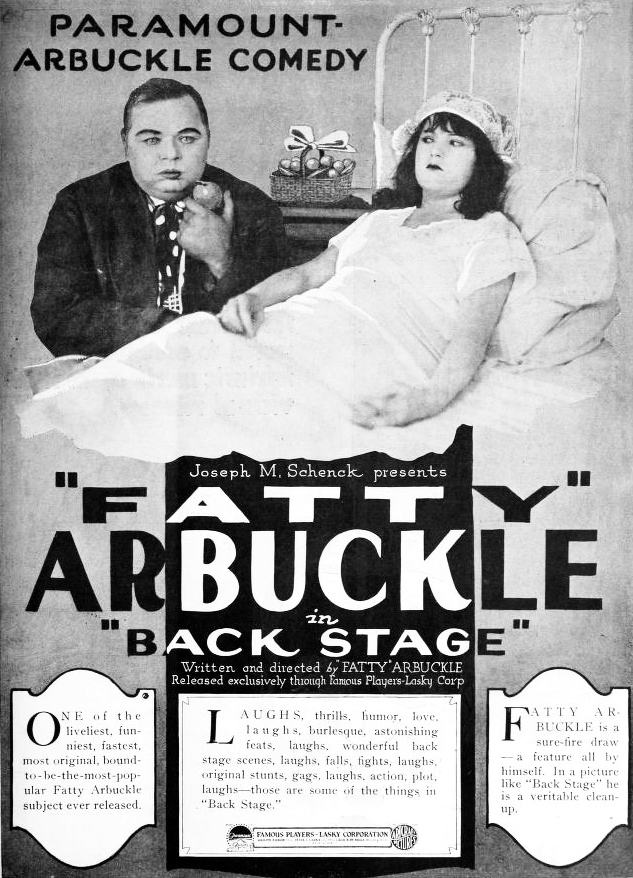
A definitive 6.5/10 rating for a film that redefined the boundaries of cult cinema. Back Stage remains a cornerstone of transgressive art.
In the shimmering, often chaotic landscape of early cinema, a particular brand of magic was forged in the crucible of physical comedy. Before talkies redefined the medium, the silent era’s titans communicated volumes through gesture, expression, and audacious stunt work. Among these luminaries, the partnership of Roscoe 'Fatty' Arbuckle and the incomparable Buster Keaton stands as a monumental testament to comedic genius. Their 1919 collaboration, Back Stage, is not merely a film; it is a vibrant, kinetic document of their collective brilliance, a boisterous ballet of slapstick that continues to resonate with audiences a century later. This short, yet immensely impactful, feature encapsulates the very essence of their creative synergy, offering a glimpse into the frenetic energy that defined their craft and the era itself. It's a masterclass in controlled pandemonium, where every pratfall and every bewildered glance serves a larger comedic purpose, elevating the mundane into the magnificent.
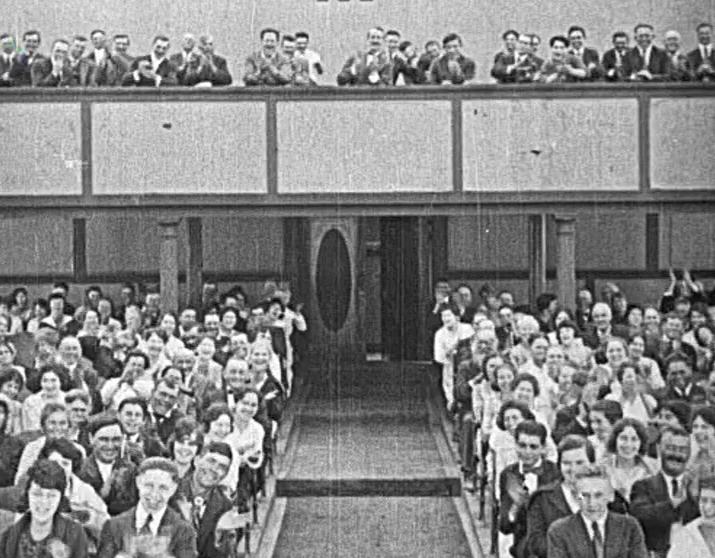
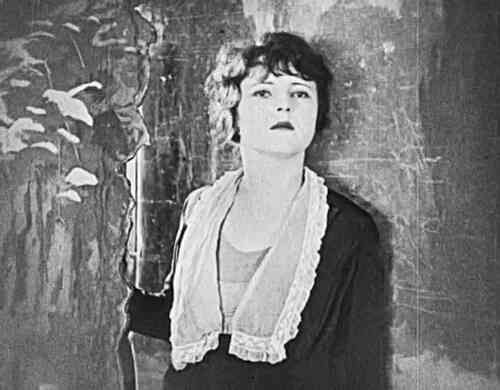
The narrative thrust of Back Stage is deceptively simple, yet it provides a fertile ground for comedic exploration. We are introduced to Roscoe (Roscoe 'Fatty' Arbuckle) and Buster (Buster Keaton), two diligent, if somewhat clumsy, stagehands whose lives revolve around the arduous, often thankless, task of preparing theatrical sets. Their existence is a whirlwind of ropes, pulleys, props, and perpetually shifting backdrops, a meticulous dance of backstage mechanics designed to create an illusion for an audience they rarely see. The opening sequences are a delightful exposition of their mundane reality, establishing their personalities through their interactions with the demanding company manager (Charles A. Post) and the effervescent leading lady, played by Molly Malone. Malone, with her spirited presence, adds a layer of romantic intrigue and a touch of theatrical ambition to the otherwise blue-collar world of the stagehands. Her character, though not central to the primary comedic exploits of Roscoe and Buster, serves as a charming foil and an object of their unassuming admiration, subtly underscoring the divide between the stars and the laborers.
The film truly ignites when the capricious principal cast, a gaggle of melodramatic divas and temperamental performers, collectively stages a walkout, leaving the production in utter jeopardy. In a stroke of comedic serendipity, or perhaps desperate pragmatism, the stage manager, faced with a looming audience and an empty stage, thrusts Roscoe and Buster into the spotlight. This sudden, jarring transition from the anonymity of the wings to the blinding glare of center stage forms the core of the film's uproarious premise. It's a classic underdog story imbued with Arbuckle and Keaton's distinctive brand of physical humor. Their attempts to embody the roles of seasoned performers, armed with nothing but their sheer will and a profound lack of theatrical finesse, become a symphony of missteps, mistaken identities, and escalating chaos. The audience is invited to revel in their earnest, yet utterly disastrous, efforts, finding humor not in malice, but in the universal human experience of being out of one's depth, particularly when thrust into the public eye. The dynamic between Arbuckle's good-natured bulk and Keaton's agile, stone-faced ingenuity creates a compelling visual and comedic contrast that powers the entire narrative. Their attempts to navigate the complexities of performance, from operatic arias to dramatic soliloquies, are riddled with delightful incompetence, transforming what should be a theatrical disaster into an unexpected triumph of laughter.

What elevates Back Stage beyond mere slapstick is the meticulous choreography of its comedic sequences. Jean C. Havez, a prolific writer for the silent era, crafted a scenario that allowed Arbuckle and Keaton to unleash their full comedic arsenal. The film is a relentless barrage of sight gags, each building upon the last with an escalating sense of delightful absurdity. From Roscoe's struggles with unwieldy stage props that seem to have a mischievous life of their own, to Buster's remarkable agility in dodging falling scenery and narrowly escaping disaster, every frame is packed with inventive physical humor. One particularly memorable sequence involves a revolving stage that spins out of control, transforming the dramatic performance into a dizzying spectacle of performers struggling to maintain their balance and their dignity. This mechanical mayhem is a hallmark of Keaton's later work, demonstrating his early fascination with elaborate contraptions and their comedic potential for disarray. The ingenuity in staging these complex gags, often involving real danger and precise timing, speaks volumes about the dedication and physical prowess of these early cinematic pioneers. It’s a testament to their commitment that the laughter generated feels entirely organic, stemming from genuinely perilous, yet hilariously executed, situations.
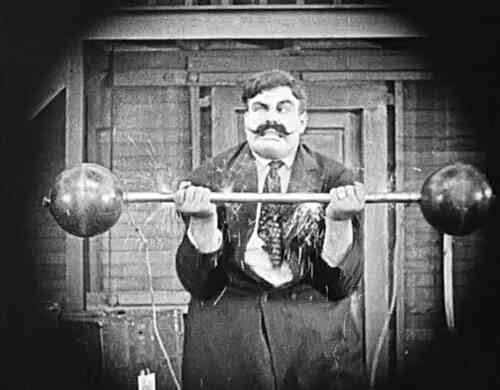
The performances of Jack Coogan Sr., William Collier Jr., and Al St. John, though in supporting roles, contribute significantly to the film’s comedic fabric. Coogan Sr., often seen in various character parts throughout the era, provides solid backing, while Al St. John, a frequent collaborator with Arbuckle, brings his own brand of frantic energy to the ensemble. Their reactions to the escalating chaos around Roscoe and Buster amplify the humor, reflecting the audience's own bewildered amusement. The genius of Havez's writing, combined with Arbuckle's directorial vision, allowed these individual comedic talents to shine within a cohesive, riotous whole. It's a world where the stage itself becomes an antagonist, a character in its own right, conspiring with fate to create maximum comedic impact. The film, in its brief runtime, manages to cram in more inventive gags and physical comedy than many feature-length productions, a testament to the efficient and impactful storytelling prevalent in the short comedies of the time. The sheer physical commitment demanded from the actors, particularly Arbuckle and Keaton, is palpable, demonstrating a dedication to their craft that transcended mere performance; it was a grueling, yet exhilarating, art form.
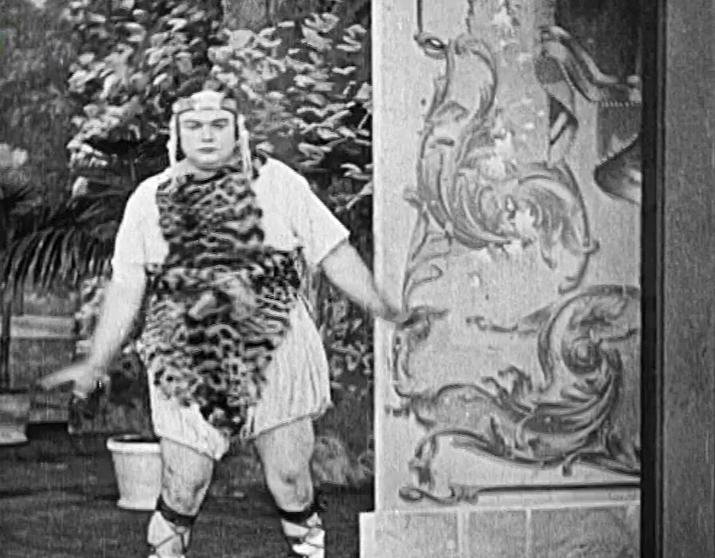
Beyond the surface-level guffaws, Back Stage offers a fascinating, albeit lighthearted, commentary on the nature of performance itself. It playfully critiques the often-inflated egos of professional actors and celebrates the raw, untamed energy of the amateur. Roscoe and Buster, in their accidental ascendancy, strip away the pretense of theatricality, revealing the fundamental human desire to entertain and be acknowledged. Their earnest attempts, though clumsy, possess an authenticity that the 'professional' cast, with their dramatic walkout, utterly lacks. This thematic undercurrent adds a layer of subtle depth to the film, making it more than just a collection of gags. It explores the idea that true artistry might sometimes emerge from unexpected places, from individuals who are not polished or conventionally talented, but who possess an undeniable spirit. The film suggests that the stage, in its essence, is a space for transformation, where ordinary individuals can, even if fleetingly, become extraordinary. This resonates with the notion of unexpected heroes found in other silent films, such as the protagonist in The Waif, who similarly navigates a world beyond their initial station.
The chaotic energy that permeates Back Stage is also a recurring motif in early cinema, reflecting a world in flux and a medium still discovering its boundaries. The relentless pace, the sudden shifts in fortune, and the sheer physical demands placed upon the performers are mirrored in other action-packed films of the era, albeit in different genres. One might draw a parallel, for instance, between the kinetic energy of Roscoe and Buster's backstage antics and the adventurous spirit permeating narratives like The Three Musketeers, where characters are constantly in motion, reacting to rapidly unfolding events. While the latter is an epic adventure, the underlying principle of continuous, physically demanding action, driven by unforeseen circumstances, connects these seemingly disparate works. Even in a drama like A Soul for Sale, which delves into the moral complexities of the theatrical world, the intensity of performance and the pressures behind the curtain are ever-present, though explored with a different tonal palette. Back Stage, however, infuses this theatrical pressure with unbridled mirth, turning potential tragedy into uproarious comedy.
The collaboration between Roscoe 'Fatty' Arbuckle and Buster Keaton was regrettably brief, cut short by the scandalous allegations that derailed Arbuckle's career. Yet, during their time together, they produced a string of comedies that were pivotal in shaping the language of silent film humor. Back Stage stands as a shining example of this fertile period, showcasing Keaton's burgeoning genius under Arbuckle's experienced tutelage. It's evident that Keaton, with his deadpan expression and extraordinary acrobatic ability, was already honing the skills that would define his legendary solo career. His precise movements, his uncanny ability to react to chaos with a detached, almost philosophical calm, are all on full display here. Arbuckle, for his part, provides the genial, often bewildered, counterpoint, his substantial frame a perfect foil to Keaton's lithe grace. Their chemistry is undeniable, a seamless blend of contrasting comedic styles that produced consistently hilarious results.
The film's influence can be traced through the subsequent decades of physical comedy. From the elaborate set pieces of Charlie Chaplin to the intricate stunt work of Jackie Chan, the spirit of Arbuckle and Keaton's inventive chaos lives on. Back Stage, with its meticulous construction of comedic scenarios and its fearless embrace of physical peril for the sake of laughter, remains a vital piece of cinematic history. It reminds us that sometimes, the greatest performances aren't found in the grand pronouncements of a trained actor, but in the earnest, often clumsy, efforts of individuals simply trying to make things work. The film's vibrant energy and timeless humor ensure its place as a perennial favorite among silent film aficionados and a captivating introduction for newcomers to the era. It's a joyful celebration of the unexpected, a testament to the power of improvisation, and a hearty round of applause for the unsung heroes who, for one glorious moment, stepped into the spotlight and stole the show. The legacy of such inventive filmmaking, where the boundaries of physical comedy were constantly being pushed, echoes even in contemporary works that prioritize visual storytelling and elaborate stunt sequences, proving that the foundations laid by films like Back Stage are as robust and entertaining today as they were over a century ago.
IMDb 6
1912
Community
Log in to comment.