Summary
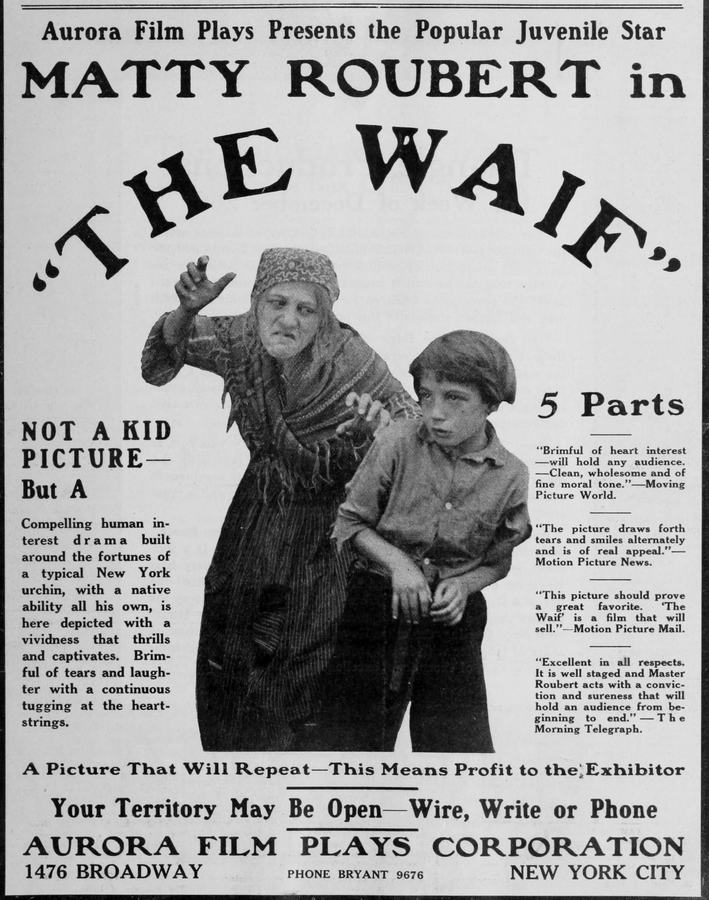
In the labyrinthine alleys and gaslit thoroughfares of a burgeoning metropolis, 'The Waif' unfurls the poignant saga of Eliza (Bessie Shaklein), a young woman cast adrift upon the unforgiving currents of early 20th-century urban life. Stripped of familial solace and material comfort, Eliza navigates a treacherous existence, her days a relentless cycle of menial labor and the constant specter of destitution. Her innocence, a fragile beacon in the encroaching gloom, becomes both a vulnerability and a source of quiet strength. We witness her arduous journey through the underbelly of society, where the promise of a meal often comes entwined with the threat of exploitation. A chance encounter with the ostensibly benevolent, yet ultimately opportunistic, Mr. Silas Croft (William Heidloff) initially offers a semblance of refuge, only to ensnare her in a web of deceit, forcing her into a life she never sought. Meanwhile, a diligent social worker, Miss Eleanor Vance (Jennie Gilbert), tirelessly champions the forgotten, her path destined to intersect with Eliza's, driven by a deep-seated suspicion regarding Croft's true nature and the mysterious disappearance of a prominent family's heiress years prior. The narrative meticulously peels back layers of a long-buried secret, revealing a cruel act of abandonment and identity theft orchestrated by Croft. Eliza's unwavering spirit, aided by the burgeoning affection of a kind-hearted street musician, Leo (Matty Roubert), who sees beyond her tattered garments to the luminous soul within, propels her towards a dramatic confrontation with her past. The film culminates in a powerful revelation, restoring Eliza's rightful lineage and exposing the machinations of her tormentor, offering a redemptive arc that champions resilience, truth, and the enduring power of human connection amidst the stark realities of an indifferent world.
Review Excerpt
"
Rediscovering the Resonant Echoes of 'The Waif' (1915)
Stepping back into the cinematic nascent years of 1915, one encounters a fascinating tapestry of storytelling, where the nascent language of film was still finding its voice, yet already capable of profound emotional resonance. Among the myriad productions from this transformative era, William L. Roubert’s 'The Waif' emerges as a compelling, albeit perhaps understated, testament to the period's burgeoning dramatic capabili..."