DbcultAccessing Vault...
5.6/10
Senior Film Conservator
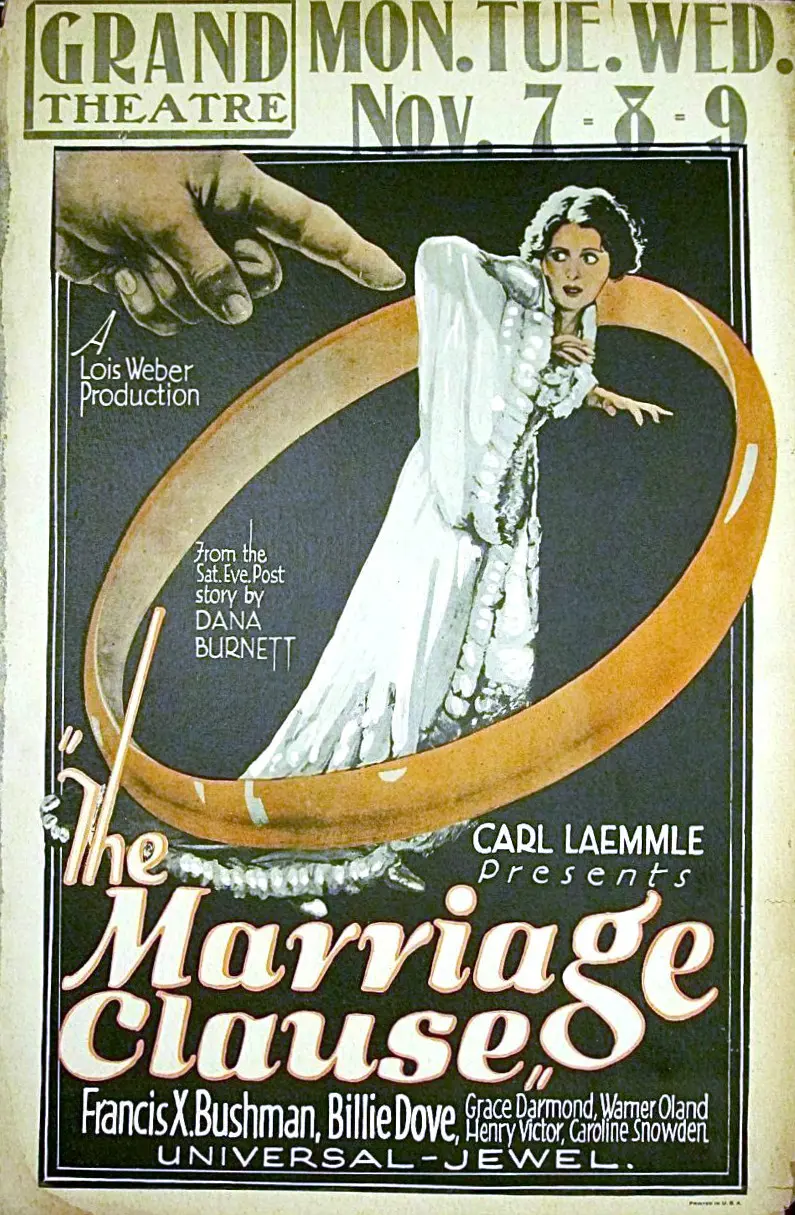
A definitive 5.6/10 rating for a film that redefined the boundaries of cult cinema. The Marriage Clause remains a cornerstone of transgressive art.
Short answer: Yes, but it’s not for everyone. 'The Marriage Clause' is a must-watch for those interested in the history of cinema or early Hollywood stories. However, if you’re looking for modern storytelling or cutting-edge filmmaking, you might find it dated. This film is a fascinating glimpse into the early days of cinema and the complexities of personal and professional relationships.
Key TakeawaysThis film works because it captures the essence of early Hollywood, offering a window into the constraints and opportunities within the industry. It also excels in its performances and the subtle direction from Lois Weber, one of the few female directors of the time. However, it fails in its pacing and occasionally stilted dialogue, which can feel artificial for modern viewers. You should watch it if you enjoy historical cinema, early Hollywood, or stories of personal and professional conflicts.
'The Marriage Clause' is a 1918 silent film that centers around Billie Dove, a struggling actress who becomes a star under the guidance of her director, André Cheron. Their relationship is complicated by a clause in Dove’s contract that prevents them from marrying. This film delves into the struggles of love, ambition, and the often-restrictive nature of the film industry in early Hollywood.
Lois Weber, a pioneering female director, takes the helm, and her direction is both subtle and impactful. She weaves a tale that is both dramatic and intimate, making the most of the silent film format. Billie Dove’s performance is the highlight, embodying the struggle and resilience of a young actress fighting to make her mark in the industry. Her chemistry with André Cheron is palpable, and their scenes together are the emotional core of the film. Other performances, while competent, are overshadowed by Dove’s nuanced portrayal.
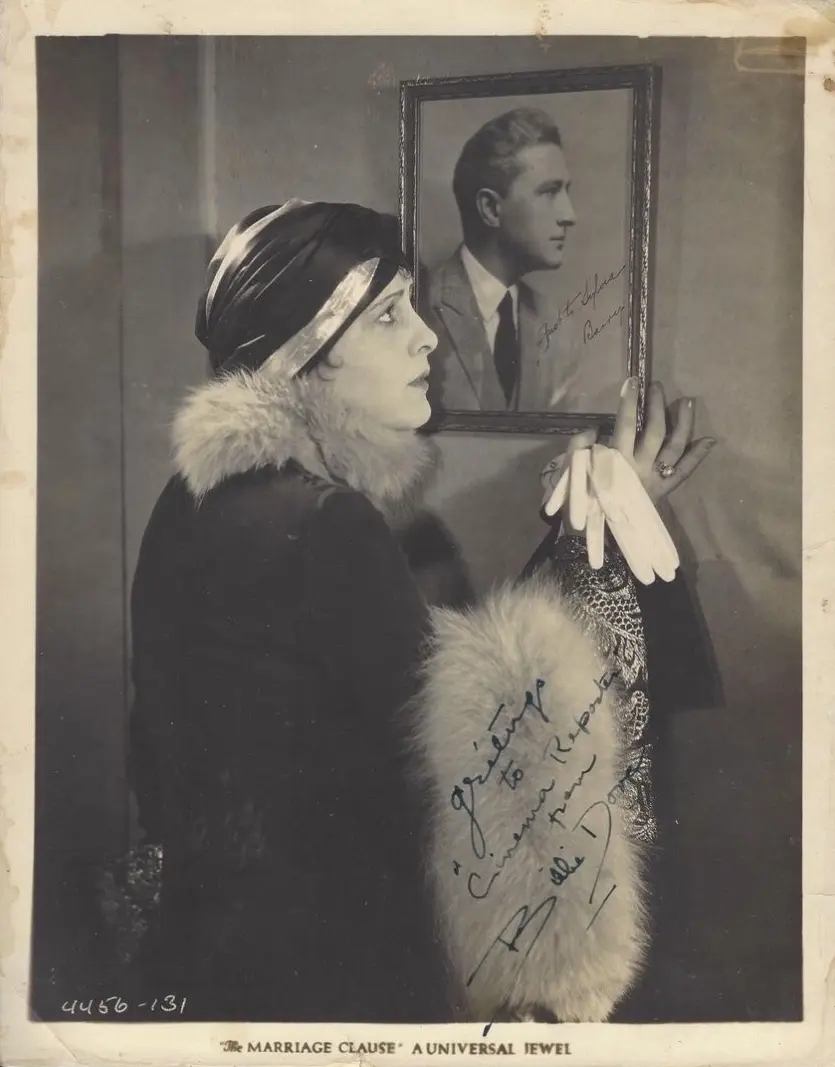
The cinematography of 'The Marriage Clause' is a testament to the technical skill of the era. The use of lighting and shadows enhances the emotional depth of the scenes, particularly in the more dramatic moments. However, the film suffers from a somewhat uneven pacing. Some scenes feel rushed, while others drag, which can detract from the overall flow of the narrative. This is particularly noticeable in the dialogue, which occasionally feels stilted and unnatural, a common issue in early silent films.
The central theme of 'The Marriage Clause' revolves around the conflict between personal happiness and professional success. The film explores how the constraints of the film industry can impact personal relationships, and it does so with a level of nuance that is often lacking in its contemporaries. The plot is relatively straightforward, with the main conflict being the clause in Dove’s contract. This creates a sense of tension that drives the narrative forward, but it also limits the scope of the story, preventing it from delving deeper into the characters' inner lives.
While 'The Marriage Clause' may not be the most innovative film in its genre, it remains a valuable piece of early cinema. It offers a unique perspective on the challenges faced by early Hollywood performers and the industry that supported them. For those interested in the history of cinema or early Hollywood storytelling, this film is a must-see. However, for those looking for modern storytelling or cutting-edge filmmaking, it may not meet your expectations. The film’s strengths lie in its performances, direction, and historical significance, while its weaknesses are in its pacing and occasionally stilted dialogue.
Overall, 'The Marriage Clause' is a film that should be watched by those with an interest in the history of cinema and the early days of Hollywood. It offers a fascinating look at the challenges faced by performers in the industry and the often-restrictive nature of their contracts. While it may not be a perfect film, its strengths more than make up for its weaknesses. It’s a film that should be appreciated for its historical context and the performances it offers, rather than for its technical sophistication or modern storytelling. If you’re willing to embrace the quirks of early cinema, you’ll find much to enjoy in 'The Marriage Clause'.
IMDb 5.5
1936
Community
Log in to comment.