DbcultAccessing Vault...
6.7/10
Senior Film Conservator
A definitive 6.7/10 rating for a film that redefined the boundaries of cult cinema. Ballet mécanique remains a cornerstone of transgressive art.
Step into the roaring twenties, a decade of unprecedented change, artistic upheaval, and the burgeoning marvels of the machine age. In this vibrant crucible, Fernand Léger, a titan of Cubism and Purism, alongside Dudley Murphy, unleashed upon the world a cinematic anomaly: "Ballet mécanique". This isn't merely a film; it's a manifesto, a visceral poem, a radical departure from conventional narrative that dared to redefine what cinema could be. Released in 1924, it stands as an enduring monument to the avant-garde spirit, a hypnotic kaleidoscope of motion and rhythm that continues to challenge and mesmerize audiences a century later.
To approach "Ballet mécanique" with expectations of plot, character development, or dialogue is to fundamentally misunderstand its genius. Léger, a painter who saw the beauty in the everyday and the industrial, sought to liberate cinema from the shackles of storytelling, much as his painterly counterparts had liberated art from strict representation. Here, the true protagonist is movement itself, the relentless pulse of modern life, the elegant choreography of gears and pistons. It's a film that demands to be felt, to be experienced, rather than simply followed.
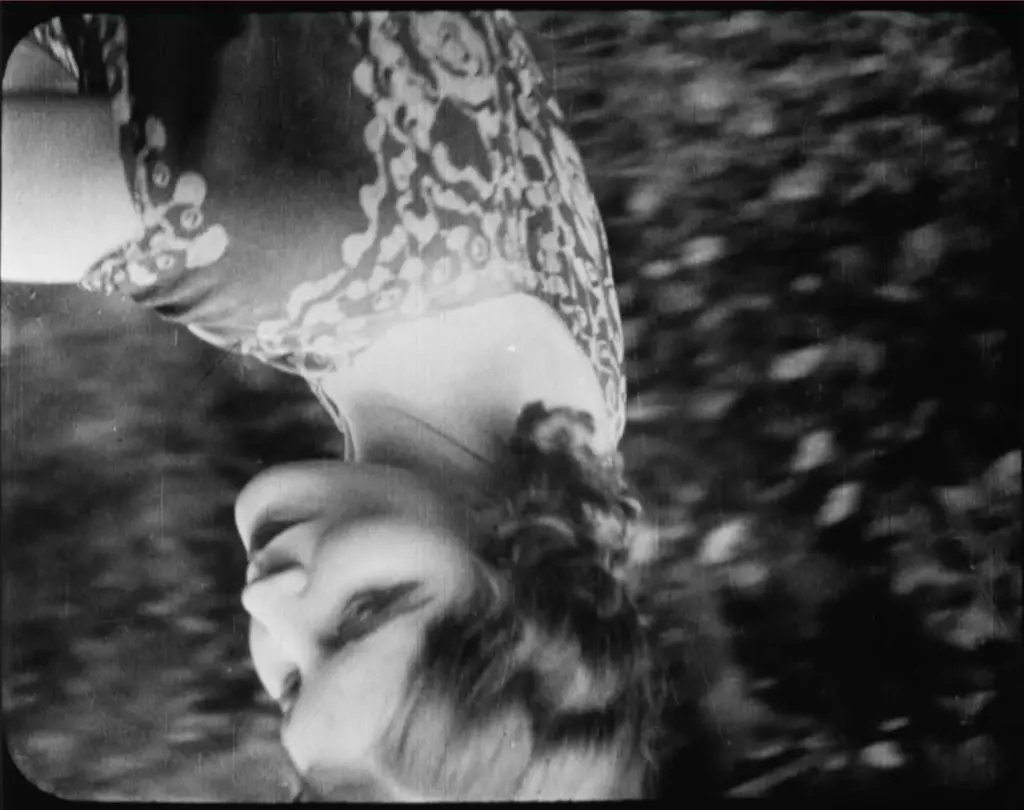
Léger's artistic philosophy, deeply rooted in the principles of Purism – a post-Cubist movement he co-founded – championed clarity, order, and the machine aesthetic. He believed in the beauty of industrial objects and the dynamic energy of the city. "Ballet mécanique" is the cinematic embodiment of this vision, a meticulously constructed symphony of visual elements. The screen becomes a canvas where mundane objects are elevated to abstract art, where human figures are often reduced to their most essential, rhythmic gestures. It's a world where a spinning propeller is as captivating as a human face, and often, more so, in its pure, unadulterated motion.
The film's kinetic language is its most striking feature. Léger and Murphy employ a dazzling array of techniques, from rapid-fire editing and superimposition to split screens and stop-motion animation, all designed to amplify the sense of frenetic energy. We are barraged by close-ups of spinning gears, shimmering pan lids, and funnels arranged in dizzying concentric circles. These aren't just objects; they are percussive instruments in a visual orchestra, each cut a beat, each rotation a rhythm. The relentless repetition of these mechanical motifs creates a hypnotic, almost trance-like effect, drawing the viewer into a world governed by the precise, unwavering cadence of the industrial age.
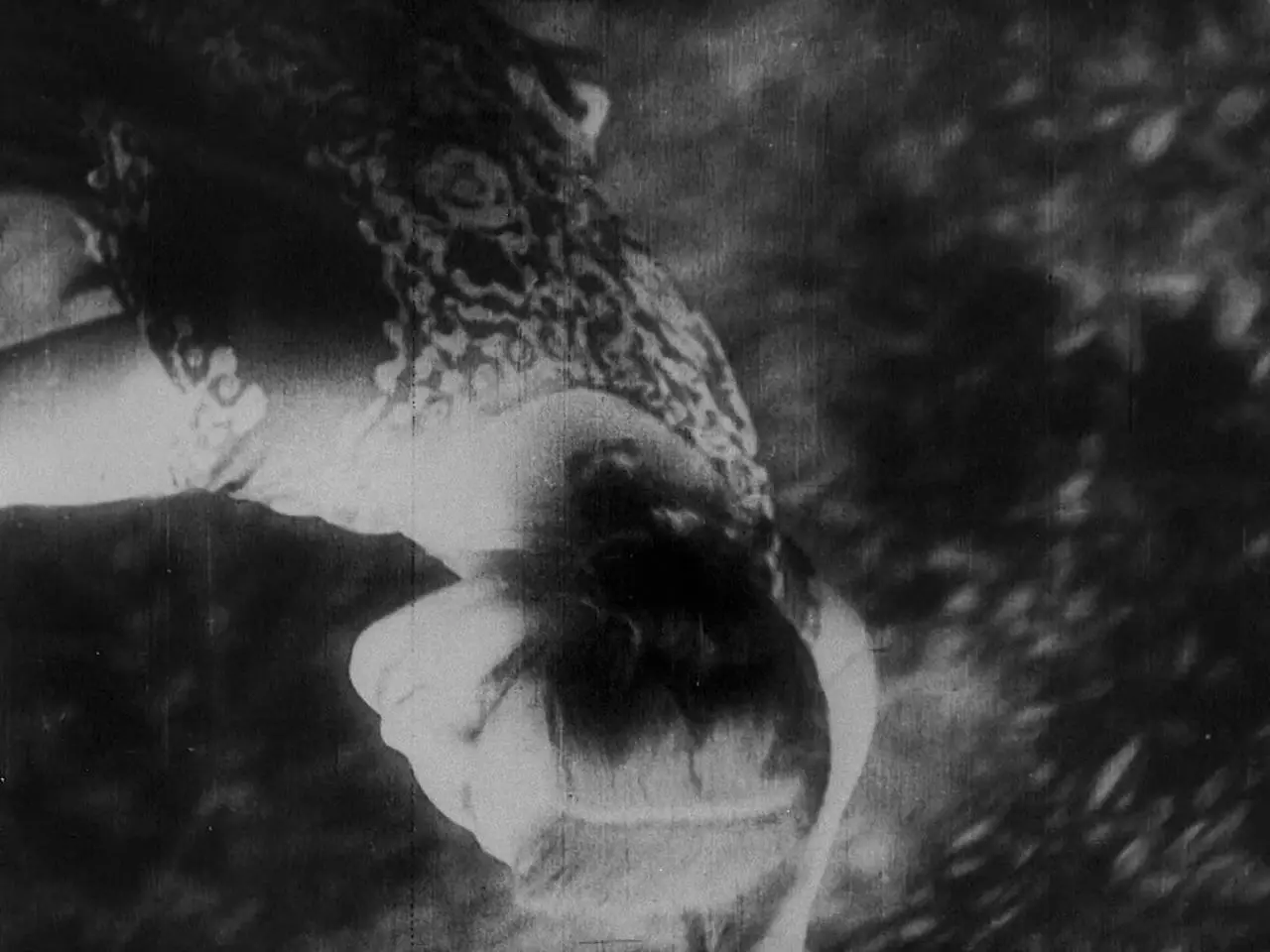
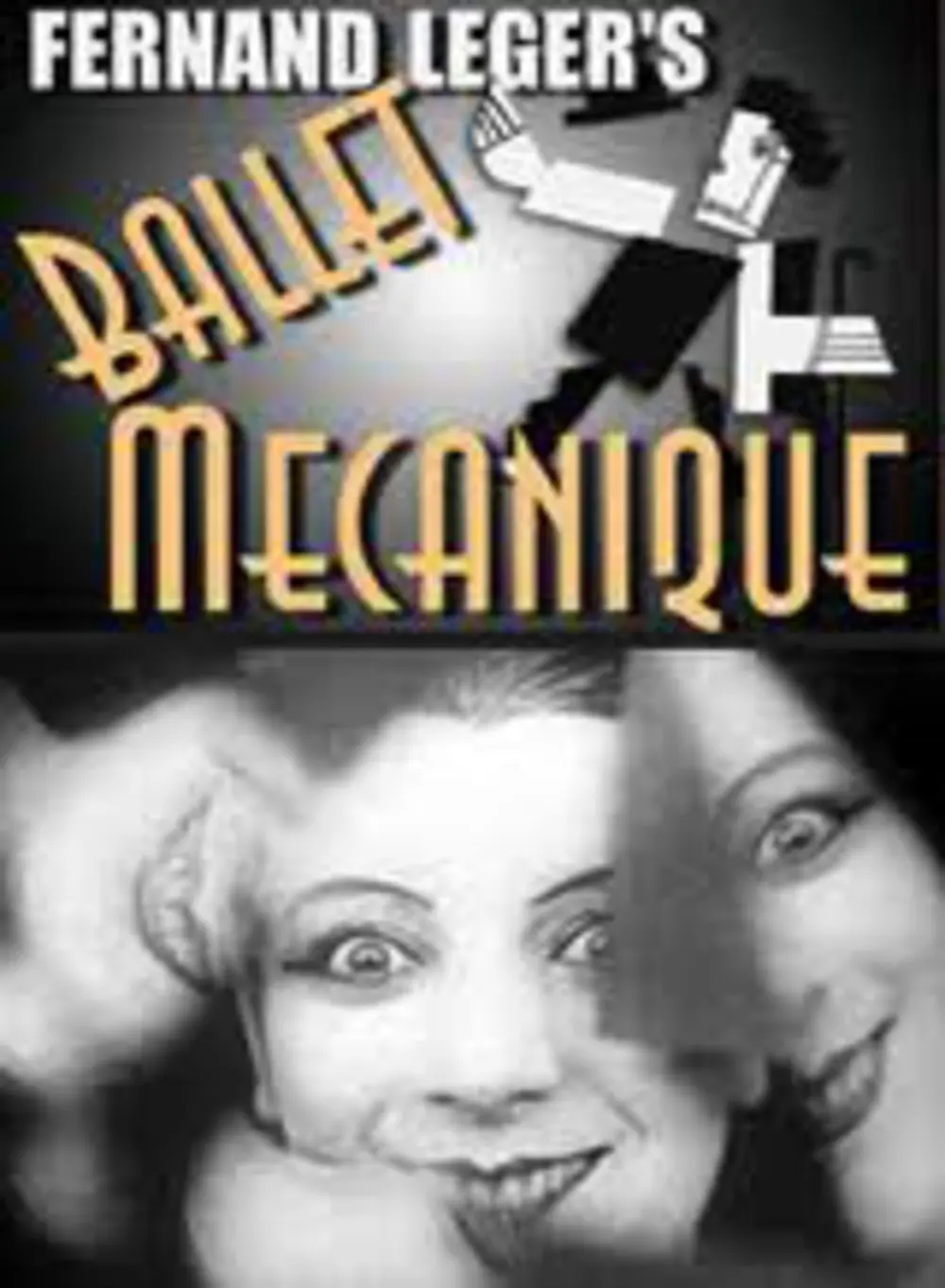
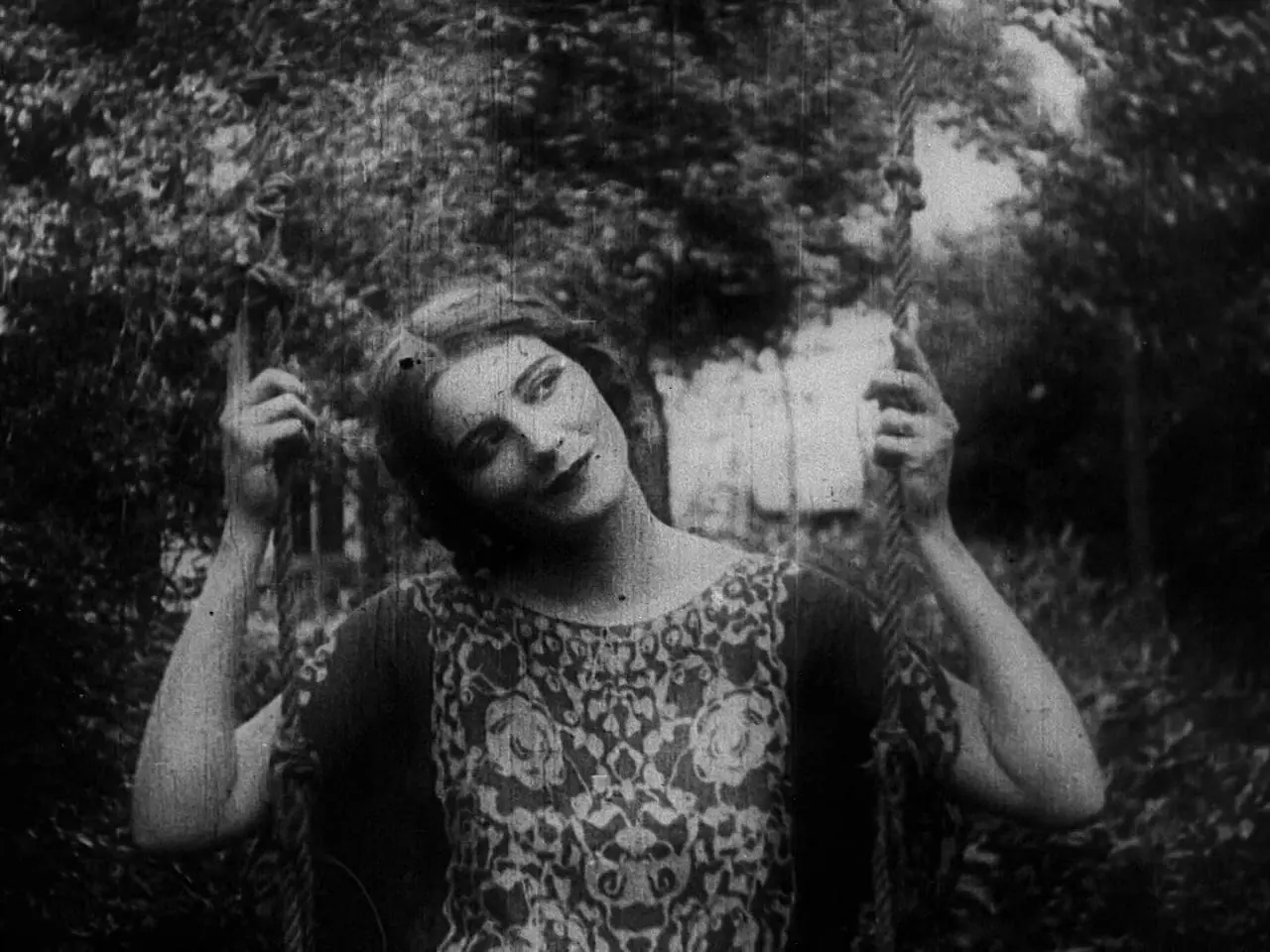
Amidst this mechanical ballet, human elements emerge, offering poignant counterpoints. The iconic image of Kiki of Montparnasse, the legendary artist's model and muse of the Parisian avant-garde, her face smiling enigmatically, is a central motif. Her recurring appearance, sometimes fragmented, sometimes whole, provides a human anchor in the churning machinery. Yet, even her smile becomes another pattern, another visual rhythm to be integrated into the film's larger design. There's a delicate tension here: the organic beauty of a human face juxtaposed with the stark geometry of the machine, a silent dialogue between flesh and steel. This interplay is a core strength of the film, preventing it from devolving into mere abstraction and imbuing it with a subtle, yet profound, emotional resonance.
Another recurring image, both unsettling and mesmerizing, is that of a heavy-set woman endlessly climbing stairs, a large bag slung over her shoulder. This Sisyphean task, repeated to the point of absurdity, becomes a powerful symbol of human labor and the repetitive grind of modern existence. It's a stark contrast to the joyous, almost playful motion of the machines, suggesting a darker, more laborious side to the industrialized world. This sequence, in its stark realism, momentarily grounds the viewer before the film plunges back into its abstract reverie, highlighting the profound impact of mechanization on the human condition.
The collaboration between Fernand Léger and Dudley Murphy was crucial. While Léger brought his profound artistic vision and theoretical framework, Murphy, an American filmmaker, contributed the technical expertise and understanding of cinematic mechanics. Together, they forged a work that transcended their individual contributions, creating a seamless fusion of artistic intent and technical execution. The film's credits also list Katrin Murphy and Katherine Murphy, indicating a familial involvement in its production, further emphasizing the collaborative, almost communal spirit that often characterized avant-garde endeavors of the era.
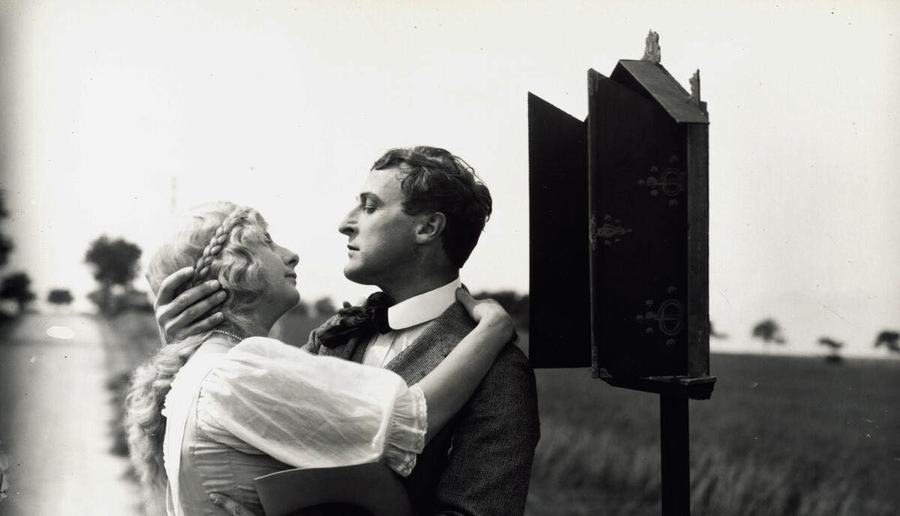
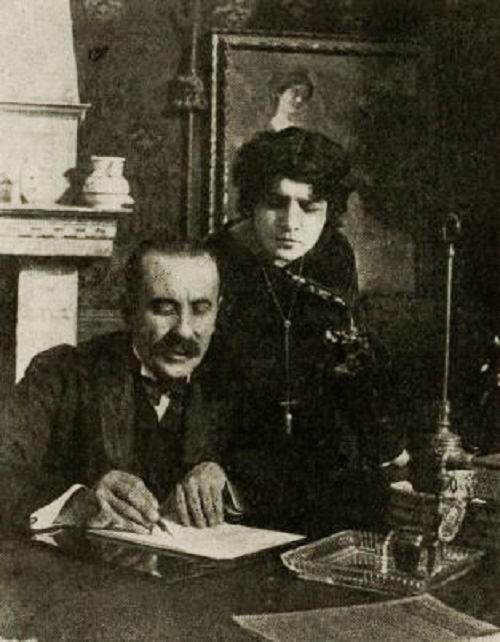
In its historical context, "Ballet mécanique" was revolutionary. It emerged during a period when cinema was still largely dominated by narrative features, from grand dramas like Drama na okhote to lighthearted comedies such as Piccadilly Jim. These films, while entertaining, adhered to traditional storytelling conventions. Léger and Murphy deliberately shattered these norms, offering a vision of cinema as pure visual art, a medium capable of abstract expression akin to painting or music. This radical departure placed it firmly within the burgeoning Dadaist and Futurist movements, which celebrated chaos, speed, and the rejection of traditional aesthetics.

The film's influence reverberated through the experimental cinema landscape. It paved the way for subsequent abstract and rhythmic films, demonstrating the power of editing and visual composition to evoke emotion and ideas without a conventional plot. One could argue that its spirit lives on in everything from modern art installations to contemporary music videos, where visual rhythm and aesthetic impact often take precedence over linear narrative. It forced viewers to re-evaluate their understanding of what constitutes a film, urging them to engage with the medium on a purely sensory and intellectual level.
The interplay of light and shadow, the dynamic compositions, and the sheer audacity of its non-narrative structure make "Ballet mécanique" a profoundly engaging experience. It's a film that doesn't just show you things; it makes you feel the pulse of a new era, the exhilaration and the underlying anxieties of a world accelerating into modernity. The inclusion of an Art Deco cartoon figure, dancing with playful abandon, further underscores the film's embrace of the new, the stylish, and the utterly unconventional. This animated interlude injects a moment of whimsical lightness, a brief, joyous burst of pure, unadulterated movement.
Beyond its technical prowess and historical significance, the film's enduring appeal lies in its ability to tap into something fundamentally human: our fascination with rhythm, repetition, and the beauty found in unexpected places. It transforms the mundane – kitchen objects, car parts, human gestures – into something extraordinary, revealing the hidden poetry within the industrial landscape. It challenges us to see the world with fresh eyes, to appreciate the intricate dance of everyday life, whether it's the swing of a young woman in a garden or the relentless spin of a turbine.
In essence, "Ballet mécanique" is a celebration of motion, a cinematic symphony that orchestrates disparate elements into a harmonious whole. It's a testament to the power of artistic vision to transcend the boundaries of its medium, offering a timeless meditation on the relationship between humanity and the machine. It remains a vital, vibrant piece of cinematic history, a bold declaration that film could be more than just storytelling; it could be pure art, an experience of unparalleled visual and rhythmic intensity. Its legacy is not just in its influence on other experimental works, but in its continued ability to provoke thought and inspire awe in anyone willing to surrender to its unique, mesmerizing beat.
IMDb 5.2
1931
Community
Log in to comment.