DbcultAccessing Vault...
6.8/10
Senior Film Conservator
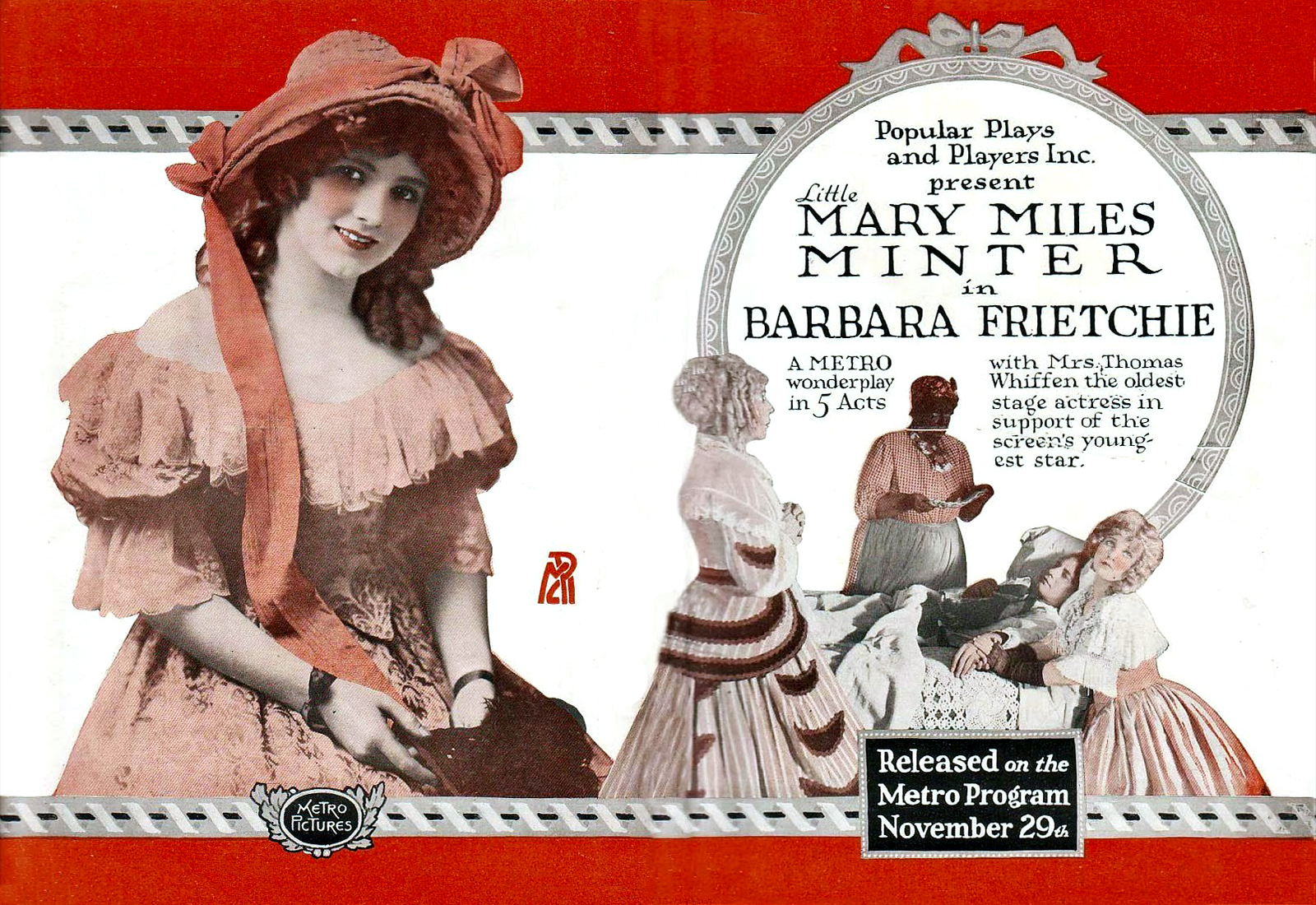
A definitive 6.8/10 rating for a film that redefined the boundaries of cult cinema. Barbara Frietchie remains a cornerstone of transgressive art.
Step back in time to an era when cinema was just beginning to find its voice, a nascent art form grappling with grand narratives and the weight of history. Among the early cinematic endeavors that sought to capture the American spirit, few resonate with the quiet, defiant power of Barbara Frietchie. This isn't merely a film; it's a cinematic echo of a folk tale, a whispered legend given visual form, recounting an act of patriotism so pure, so unyielding, it became immortalized in verse before it ever graced the silver screen. Directed with a nascent understanding of visual storytelling by Clarence J. Harris, who also contributed to the screenplay alongside the literary giants John Greenleaf Whittier (whose poem forms the bedrock) and Clyde Fitch (whose dramatic adaptation preceded the film), this motion picture serves as a fascinating window into both early 20th-century filmmaking and the enduring American mythos of the Civil War.
The narrative, stripped to its essential core, chronicles a pivotal moment in Frederick, Maryland, during the tumultuous American Civil War. As the Confederate forces, led by the legendary General Thomas J. Jackson, march through the Unionist town, an elderly woman named Barbara Frietchie performs an act of singular, breathtaking defiance. She unfurls her American flag from her window, a silent yet profound challenge to the occupying army. This gesture, simple in its execution but monumental in its symbolism, forms the dramatic crux of the film, exploring themes of loyalty, courage, and the unwavering spirit of an individual against an overwhelming tide of conflict. It's a story that, despite its brevity, is etched deeply into the national consciousness, much like the heroic stand in The Independence of Romania captures a nation's struggle, or the personal moral dilemmas in Assunta Spina explore the human condition under duress.
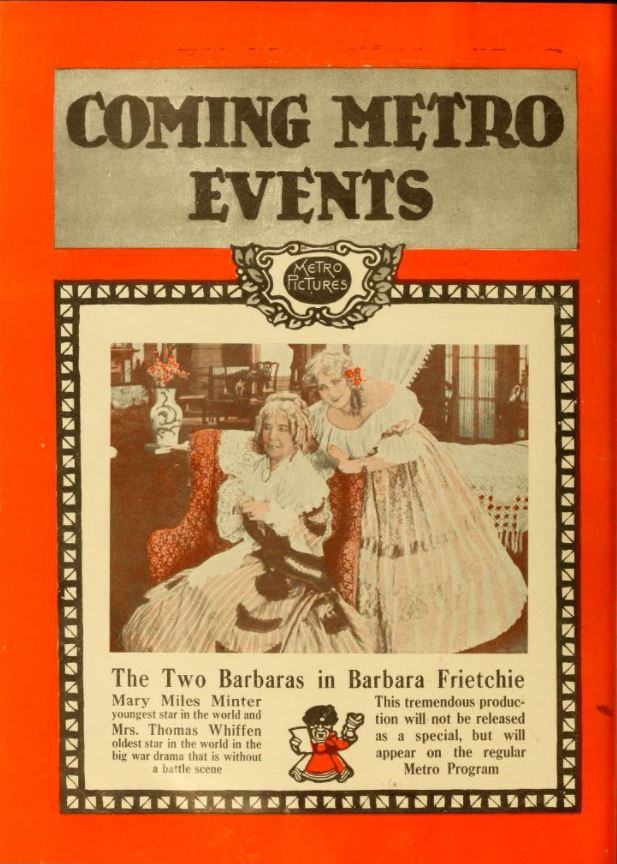
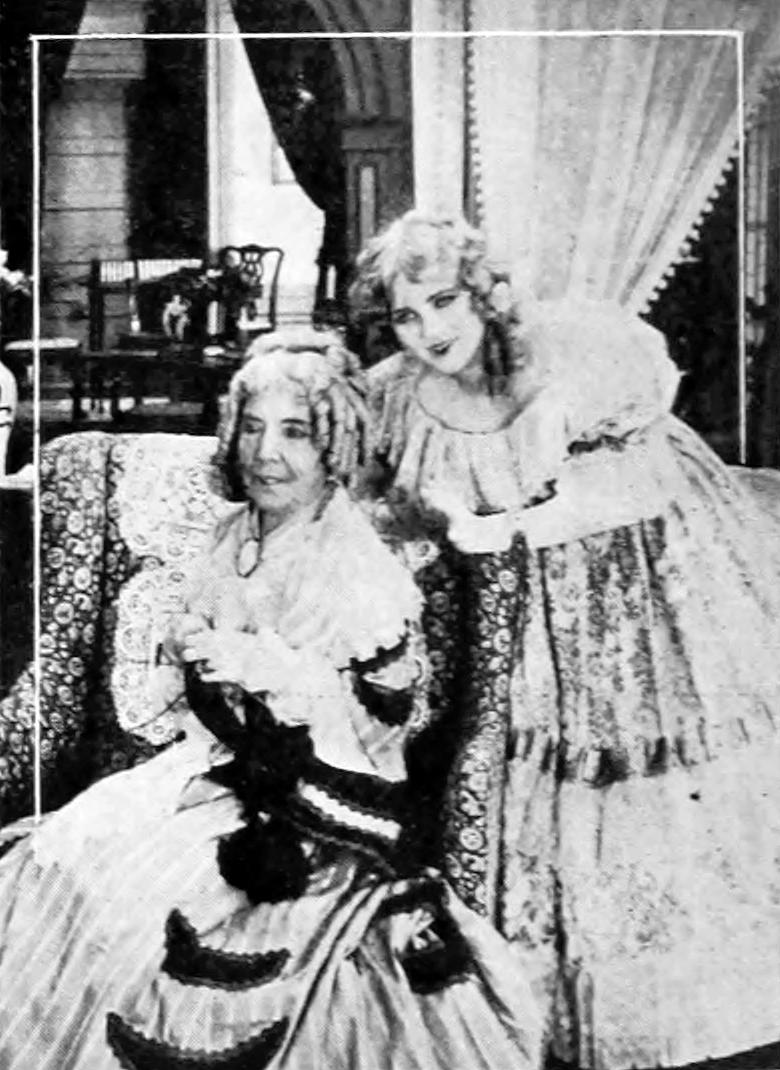
At the heart of Barbara Frietchie is the compelling performance by Mrs. Thomas Whiffen in the titular role. Her portrayal, while undoubtedly adhering to the more theatrical acting conventions of the era, imbues Frietchie with a gravitas and quiet dignity that transcends the limitations of silent film. Through subtle gestures and the expressive power of her gaze, she conveys a lifetime of conviction, a steadfastness born of deep-seated belief. It is a performance that speaks volumes without uttering a single word, embodying the fierce patriotism that drove Frietchie's legendary act. Her defiance is not a bombastic outburst but a deeply personal, almost spiritual, commitment to her principles, a quality that makes the character resonate far beyond the historical context.
Complementing Whiffen's central turn is Guy Coombs as Confederate General Thomas J. Jackson. Coombs manages to capture the formidable presence of 'Stonewall' Jackson, a figure simultaneously revered and feared. The film cleverly positions Jackson not as a cartoonish villain, but as a military leader faced with an unexpected moral challenge. His reaction to Frietchie's defiance, a moment of reluctant admiration amidst the brutality of war, is crucial to the story's enduring appeal. It humanizes the conflict, suggesting that even across the deepest divides, a shared respect for courage can emerge. The supporting cast, including Jack Burns, Mary Miles Minter,
From a technical perspective, Barbara Frietchie, like many films of its vintage, showcases the nascent techniques of cinematic storytelling. The camera work, while largely static by contemporary standards, is surprisingly effective in framing the dramatic action. Close-ups, though used sparingly, punctuate moments of emotional intensity, drawing the viewer into Frietchie's personal struggle. The use of natural light and period costumes, though perhaps not always historically impeccable, contributes to an overall sense of immersion. One must remember the context of its creation; this was an era before elaborate sets and sophisticated editing were commonplace. Yet, within these constraints, Clarence J. Harris manages to evoke a palpable sense of tension and a genuine emotional connection to the characters. The pacing, deliberate and unhurried, allows the gravity of Frietchie's act to fully sink in, building anticipation for the inevitable confrontation.
The film's strength lies not only in its portrayal of a historical event but in its exploration of universal themes. It speaks to the power of the individual conscience, the unwavering conviction that can inspire even the most hardened adversaries. Frietchie's flag becomes more than just a piece of cloth; it transforms into a symbol of identity, resistance, and the enduring belief in a cause. This symbolic weight is something we see echoed in other early cinematic narratives that grappled with personal conviction and societal pressure, such as the poignant introspection found in Sumerki zhenskoy dushi, or the dramatic choices made by characters in The Lady of Lyons; or, Love and Pride, where personal honor often clashes with external forces.
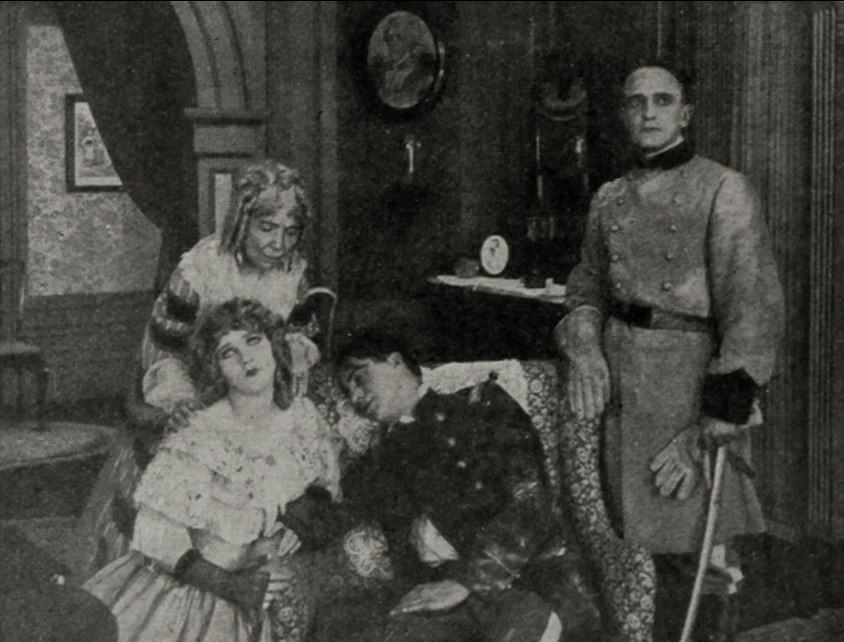
The adaptation from poem to play, and then to film, is a fascinating journey in itself. John Greenleaf Whittier's poem, 'Barbara Frietchie,' published in 1863, almost immediately cemented the tale in American folklore. Clyde Fitch's play in 1899 further popularized the narrative, adding dramatic embellishments suitable for the stage. The film, then, is a testament to the story's enduring appeal and its adaptability across different media. It showcases how a powerful narrative, even one with potentially apocryphal elements, can capture the public imagination and serve as a moral touchstone. The film, in its own silent way, preserves the emotional core of Whittier's lines: "'Shoot, if you must, this old gray head, But spare your country's flag,' she said." While the film cannot deliver these exact words, Whiffen's performance embodies their spirit with remarkable clarity.
In an era when cinema was often viewed as mere entertainment, Barbara Frietchie stands as an early example of its potential for profound storytelling and the preservation of cultural narratives. It's a film that, despite its age, continues to speak to the timeless human desire for freedom and self-determination. It reminds us that heroism isn't always found on the battlefield, but often in the quiet, resolute actions of ordinary people. The film's legacy is intertwined with the very fabric of American identity, echoing the sentiment of resilience found in other historical portrayals, such as Colonel Carter of Cartersville, which similarly delves into the complexities of post-Civil War identity, albeit through a different lens.
Reflecting on Barbara Frietchie today, one cannot help but be struck by its simplicity and its power. It lacks the special effects and intricate plots of modern blockbusters, yet it possesses an emotional honesty that many contemporary films strive for. It's a testament to the idea that a compelling story, well told, is the ultimate special effect. The film's enduring message – that moral courage can disarm even the most formidable foe – remains as relevant today as it was during the Civil War, or at the time of the film's release. It's a cinematic artifact that deserves our attention, not just as a historical curiosity, but as a powerful piece of storytelling that continues to inspire. Its deliberate pacing, characteristic of early cinema, allows for a meditative engagement with the narrative, inviting viewers to ponder the profound implications of Frietchie's stand, a stark contrast to the rapid-fire narratives of films like From Dusk to Dawn.
The performances, particularly that of Mrs. Thomas Whiffen, are a masterclass in silent film acting. Her ability to convey deep emotion and conviction without dialogue is a testament to her skill and the nascent art form's expressive potential. The film asks us to engage with its narrative on a deeper, more visual and emotional level, much like the evocative imagery in In the Land of the Head Hunters or the dramatic tension in The Shooting of Dan McGrew, which relied heavily on visual storytelling to convey cultural nuances and intense action respectively. While the film may seem rudimentary to modern eyes, its impact within its historical context was significant, helping to shape the evolving language of cinema.
In conclusion, Barbara Frietchie is more than just an early American film; it is a cultural touchstone, a cinematic adaptation of a beloved legend that continues to resonate. It captures the essence of a pivotal moment in American history through the lens of individual heroism, reminding us that even in the darkest hours, the human spirit can shine brightest. Its exploration of themes like courage, loyalty, and the power of symbolic acts ensures its place as a significant work in early cinema, a compelling narrative that transcends its technical limitations to deliver a timeless message. The legacy of writers Clarence J. Harris, John Greenleaf Whittier, and Clyde Fitch is beautifully upheld in this cinematic rendition, allowing a new generation to witness a legend reborn on screen.
IMDb 6.5
1929
Community
Log in to comment.