DbcultAccessing Vault...
6.6/10
Senior Film Conservator
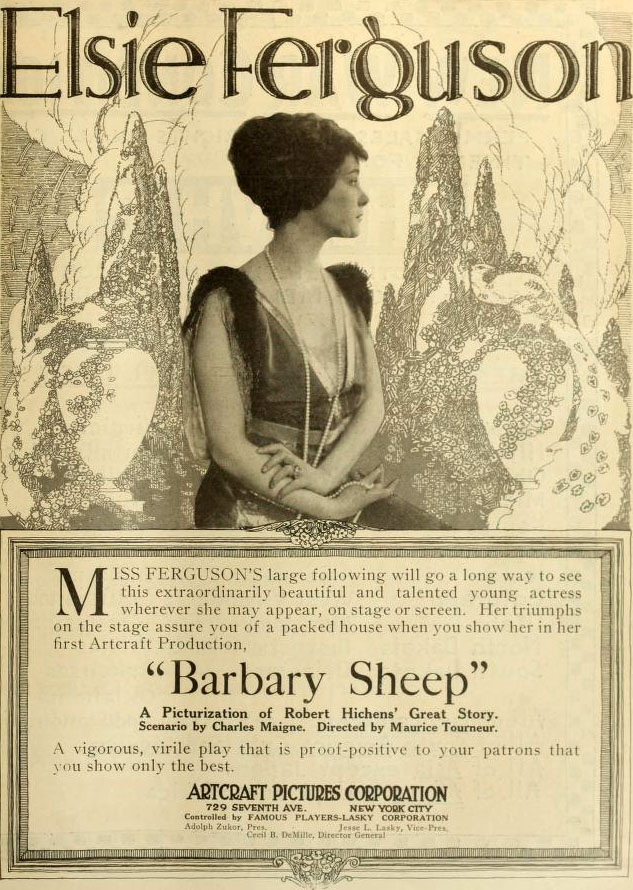
A definitive 6.6/10 rating for a film that redefined the boundaries of cult cinema. Barbary Sheep remains a cornerstone of transgressive art.
The mirage begins with a single intertitle: “The East is a crystal decanter—sip too deeply and you may taste the dust of your own bones.” From that shard of text, director Charles Maigne and source-novelist Robert Hichens uncork a 1917 fever dream that feels less like a polite matinee than like being quietly chloroformed inside a silk tent.
There is, strictly speaking, no plot twist you cannot intuit from the lobby cards—neglected wife, leering sheikh, dagger glinting like a crescent moon—but the film’s venomous majesty lies in how it inhales you into every grain of sand, every tremble of Frances Ross’s lower lip. Cinematographer Alvin K. Bisehoff shoots the desert as if it were an anatomy lesson: vertebrae of ochre dunes, arteries of dried riverbed, the pale scar of a woman’s shoulder blade against indigo twilight.
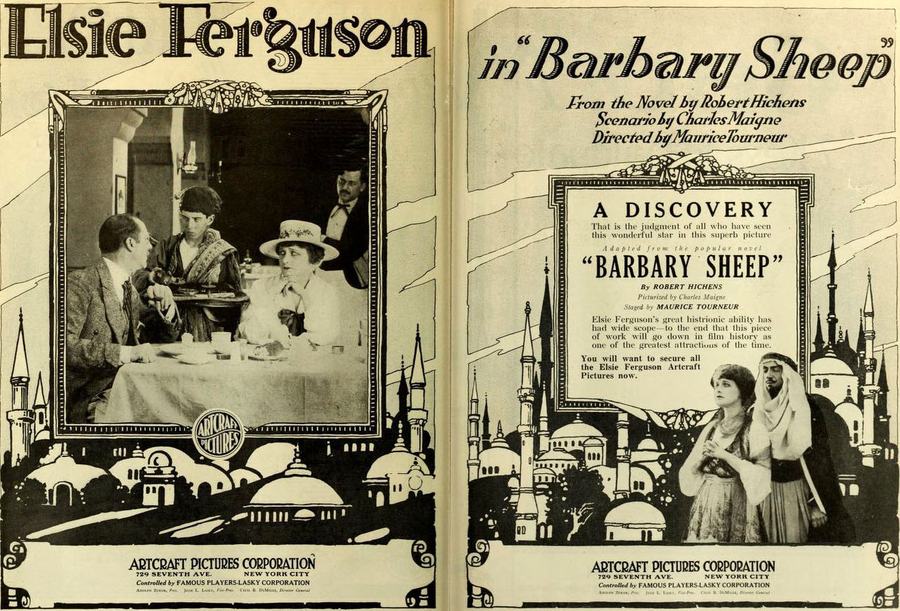
Most desert romances of the era content themselves with orientalist wallpaper—turbaned extras hoisting cardboard scimitars. Barbary Sheep stages empire as a slow-motion ambush. When Katherine steps off the yacht, the camera refuses to grant her a conquering panorama; instead, it traps her inside a lattice of shadows cast by latticework shutters, implying she is already specimen rather than spectator. The husband’s safari khakis, immaculately creased, become a running gag: each time he reappears, a new bloodstain blossoms on the cuff, yet he never remembers her name correctly. The marriage is annulled not by law but by indifference long before anyone reaches the dunes.
Pedro de Cordoba was only twenty-seven when he donned the robes, but he carries himself with the languid patience of someone who has watched empires crumble from the same cushion. His first close-up—a dissolve that lands like a fingerprint on the viewer’s retina—shows a smile that begins benevolent, then lingers half a second too long, until the dimples feel like ventilation holes for something sulfurous underneath. The script never labels him “villain”; it simply allows his courteous gestures to accrue weight, like gold coins sewn into a hem until the garment becomes impossible to wear.
Hollywood censors in 1917 were busy swatting other flies, so the film gets away with a startling amount of haptic suggestion. Note the sequence where Benchaalai gifts Katherine a cloak of Barbary wool: he drapes it over her bare forearms, then slides two fingers beneath the collar, ostensibly to test the weave. The intertitle purrs: “The fleece of the outlaw ram—softest when caressed against the grain.” Cut to a microscopic shot of individual fibers standing on end, a visual shiver that anticipates Goosebumps by seven decades. The cloak returns later, folded into a crude effigy atop a stone altar, its emptiness more obscene than any body could be.
Because this is a silent, the desert’s roar must be implied. Composer Herman Perlet originally toured with a live trio performing a hybrid score—Arabic quarter-tones on cello, punctuated by timpani rolls played with felt-wrapped maracas. Most prints today circulate with a generic photoplayer score, so try syncing a playlist of Oud improvisations in A minor; the dissonance makes Katherine’s panic attacks feel like sandstorms tearing the film stock itself.
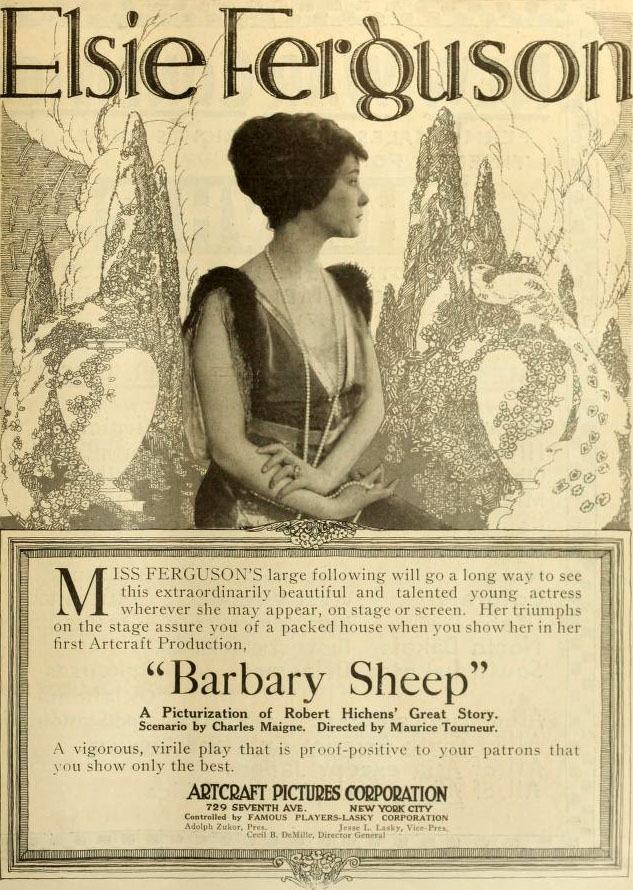
Elsie Ferguson’s star wattage had waned by 1917, so the studio placed newcomer Frances Ross in the lead, gambling that audiences would project their own bewilderment onto her unformed persona. It works. Ross has the porous face of someone who has not yet decided what she wants, and that vacuity becomes the film’s most radical device: every time the camera rests on her in medium shot, we’re invited to scribble our own dread across her pupils. The closest analogue is Babette’s languid close-ups, but where Babette weaponizes stillness as revenge, Katherine’s is the paralysis of prey.
Without spoiling the geometric precision of the finale, suffice it to say the film sidesteps the last-act rescue that mars The Captive God. Instead, we get a ceremonial procession lit entirely by torches dipped in juniper resin; the flames burn green, giving the dunes a copper-sulfate pallor. Just as the dagger hovers, the screen irises in—not on Katherine’s eyes, but on Benchaalai’s, where a single tear dissolves the pigment of kohl until it resembles a bruise. The implication: the hunter, too, is yoked to ritual, his desire merely the thinnest veil over an older, hungrier machinery.
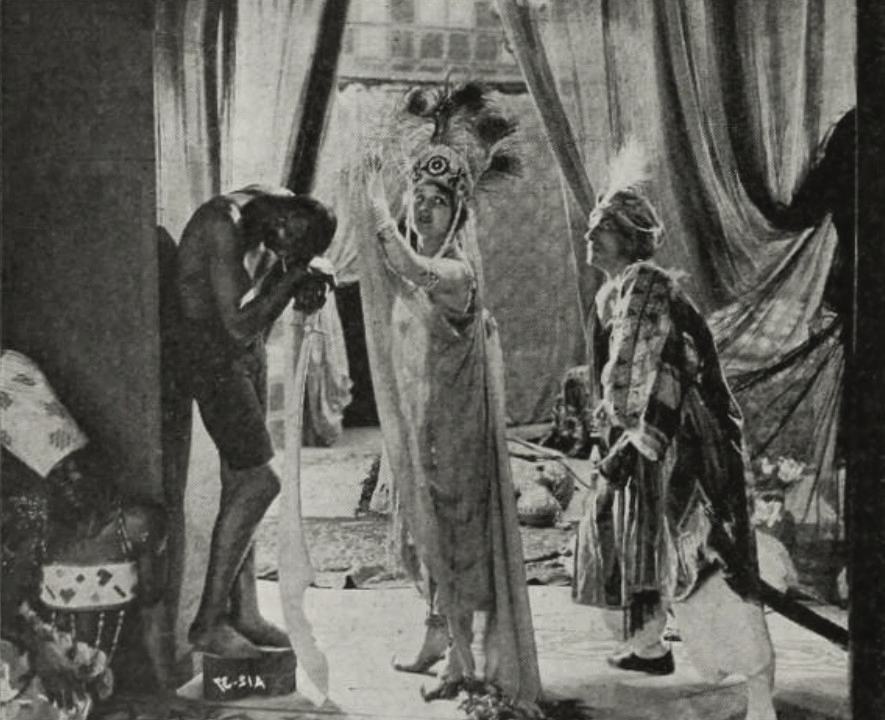
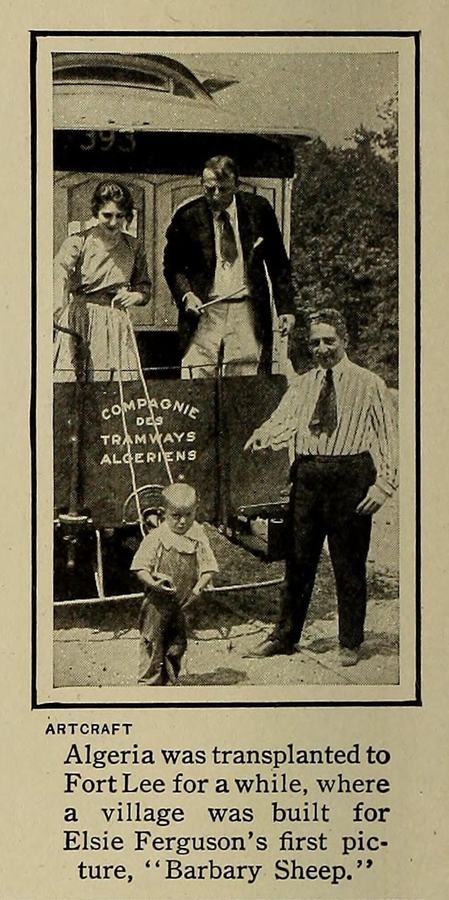
For decades the only extant element was a decomposing 28-minute 9.5 mm Pathé Baby digest unearthed in a Riyadh flea market. In 2019, the Cinematheque Francaise stitched a 4K restoration from two incomplete negatives—one French, one Czech—adding back the amber tinting referenced in the original cue sheets. The new Blu-ray lets you toggle between the desaturated “oasis day” palette and the nocturnal cobalt scenes; toggle mid-scene and you can watch Katherine’s face shift from honey to cadaverous without a cut.
If you crave further imperial self-immolation, pair this with The Prodigal Son for a double bill of white entitlement devoured by its own fantasy. Or chase it with Un día en Xochimilco to note how folkloric color can also imprison its admirers. For a palate cleanser, The English Lake District offers misty hills where the only thing stalking you is your own pastoral nostalgia.
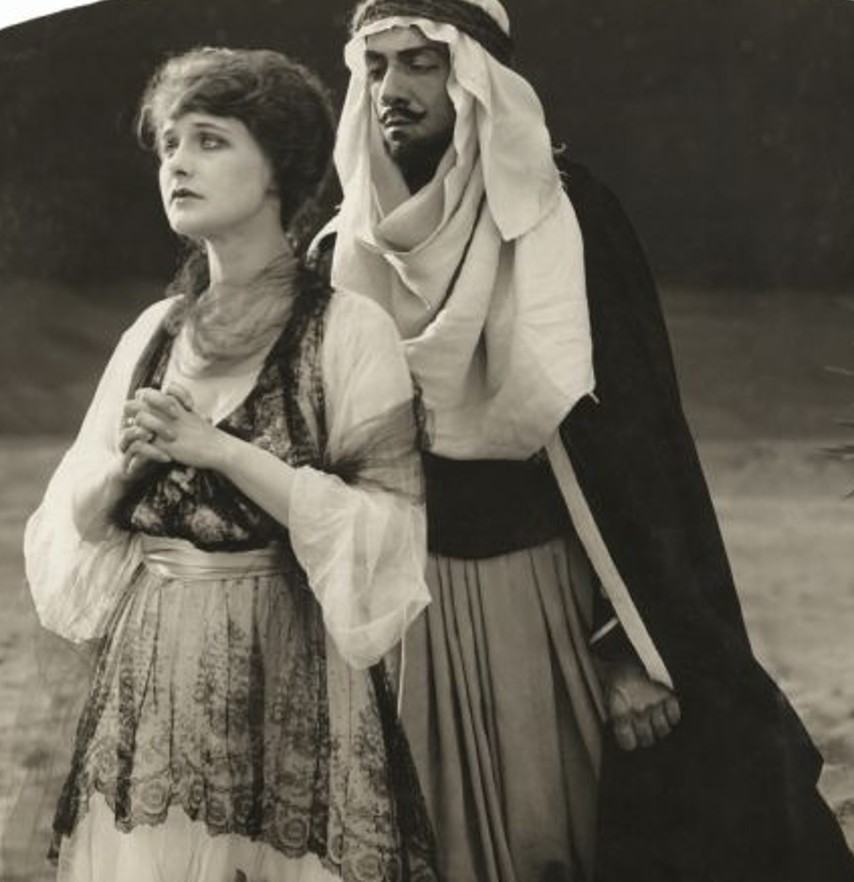
Barbary Sheep is neither a feminist tract nor a racist screed—it is the cigarette shared between executioner and victim, tasting of gunpowder and lipstick. Ninety minutes later you will not remember dialogue (there is none), but you will feel the itch of wool on your nape, the copper stench of torch-smoke in your sinuses, the vertigo of realizing that the most dangerous predator in the desert is the mirage that answers back.
Stream it: Criterion Channel’s “Silent Shadows” bundle, 4K restoration, English intertitles, optional Perlet score performed by the Berlin Chamber Quartet. Own it: Dual-format Blu-ray/DVD from Masters of Cinema, region-free, 44-page booklet with essay by Tag Gallagher and reproduction of the original Hichens serial installments.
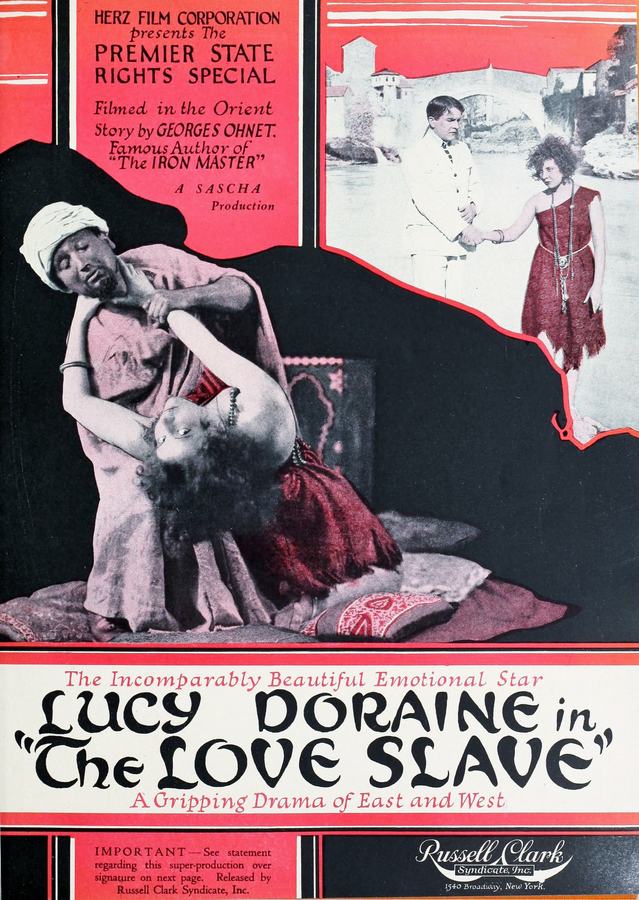
IMDb 3.9
1920
Community
Log in to comment.