DbcultAccessing Vault...
Cult Review
Senior Film Conservator
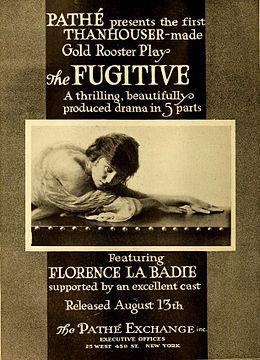
Stepping back into the nascent years of American cinema, one discovers a landscape rich with melodramatic flair, bold moral statements, and the burgeoning artistry of storytelling without spoken dialogue. Among the myriad productions that flickered across screens in 1916, The Fugitive emerges as a particularly poignant artifact, a silent film that, despite its century-old vintage, still possesses a remarkable capacity to resonate. Directed by Frederick Sullivan, this cinematic endeavor, penned by Philip Lonergan, delves into the profound depths of human sacrifice, the complexities of love, and the often-cruel hand of fate. It’s a narrative tapestry woven with threads of desperation, devotion, and a relentless pursuit of an elusive justice, all rendered through the expressive faces and grand gestures characteristic of the period.
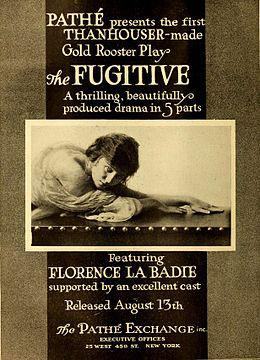
The film introduces us to Margery Carew and her widowed sister, Anna Prentice, two women navigating the treacherous waters of early 20th-century urban life, seeking solace and sustenance within the confines of a brokerage firm. This setting, often depicted as a realm of masculine ambition and cutthroat dealings, becomes the crucible for their intertwined destinies. Margery, portrayed with a quiet dignity by Florence La Badie, quickly captures the attention, and indeed the heart, of James Gray, the junior partner. Their burgeoning romance, however, is overshadowed by the insidious machinations of the firm’s senior partner, William Cleves, a character embodying the era’s archetypal villainy. Cleves, with a predatory gaze and relentless pursuit, preys upon Anna, whose vulnerable position makes her an easy target for his nefarious advances.
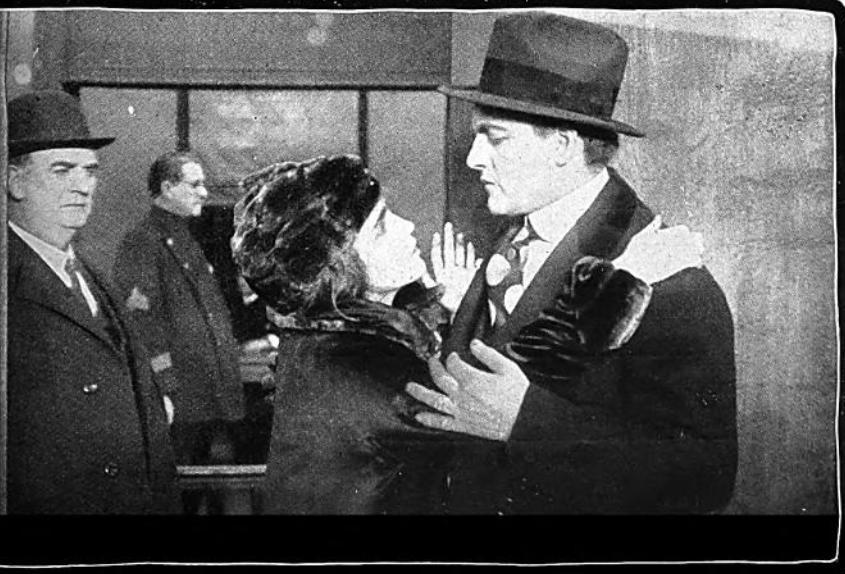
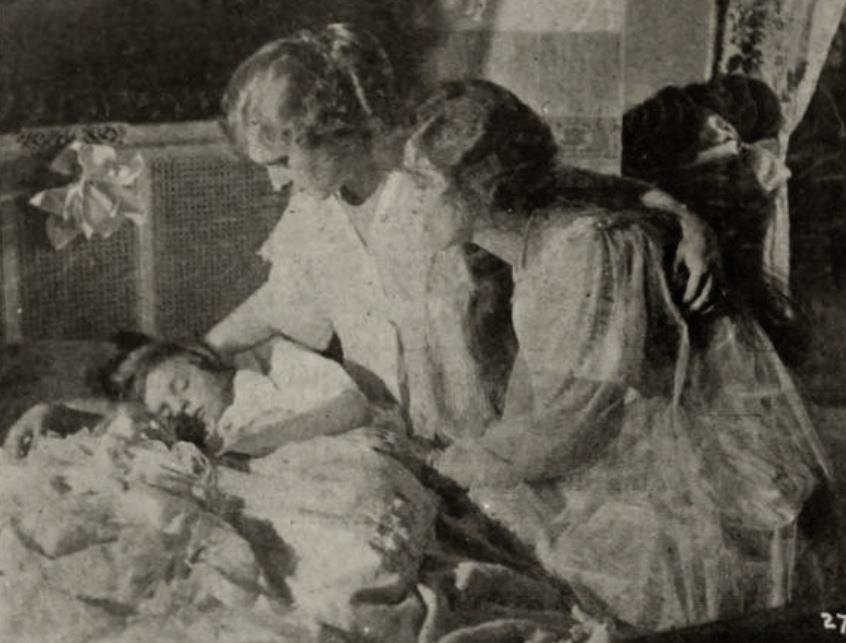
The escalating tension culminates in a harrowing confrontation where Anna, in a desperate act of self-defense, inadvertently causes Cleves’s demise. This pivotal event plunges the narrative into a maelstrom of moral dilemma and profound personal sacrifice. It is Margery, her heart overflowing with a fierce protective love for her sister’s child, who makes the ultimate decision to shield the innocent from the devastating consequences of Anna’s actions. In a move that defines the very essence of the film’s title, Margery assumes culpability for the murder, becoming The Fugitive, fleeing the confines of her familiar world to seek anonymity and a fresh start in the sprawling, untamed West. This act of profound self-abnegation sets the stage for a decades-long saga of deception, endurance, and unwavering loyalty.
In the West, Margery meticulously reconstructs her life, finding love and stability in a new marriage, a poignant testament to human resilience and the desire for normalcy even in the shadow of a grave secret. Yet, the past, as is its relentless nature, refuses to remain buried. The diligent arm of the law, after years of tireless pursuit, eventually catches up with her, threatening to unravel the carefully woven fabric of her new existence. The tension in these scenes, though conveyed through silent performance and intertitles, is palpable, a testament to the era’s ability to conjure profound emotional stakes without spoken word. Even when confronted with the opportunity to clear her name, Margery remains steadfast in her silence, a choice made all the more heartbreaking by the tragic revelation that Anna and her child had perished years prior in a devastating car crash. Her continued sacrifice, now for a legacy that no longer breathes, elevates her character to an almost mythic status of selfless devotion.
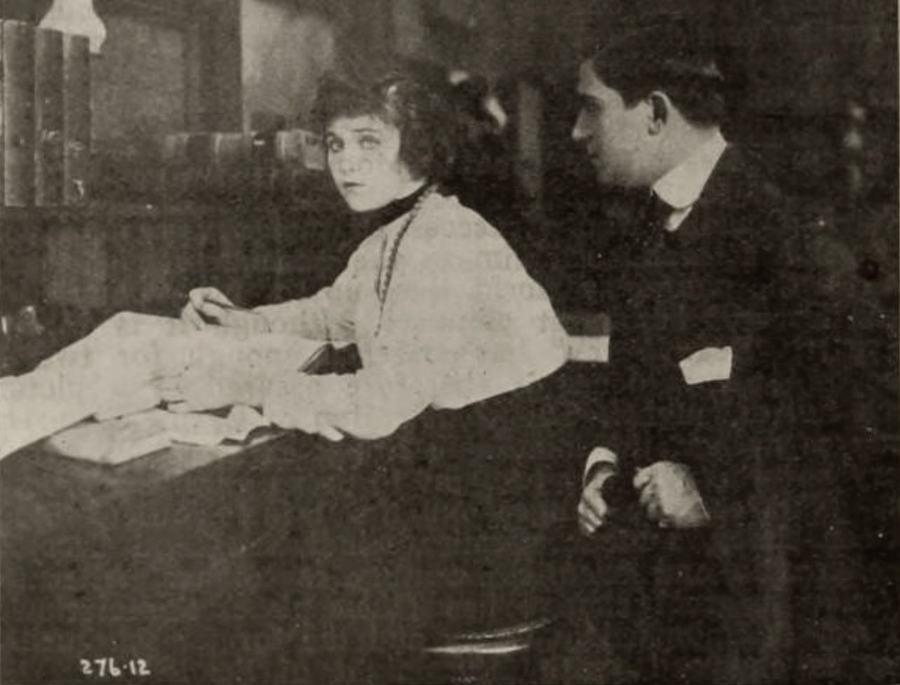
The narrative arc of The Fugitive is a masterclass in melodramatic pacing, building suspense and emotional weight with each twist and turn. Florence La Badie, a prominent star of the Thanhouser Company, delivers a performance that anchors the film’s emotional core. Her portrayal of Margery is one of remarkable restraint and inner strength, communicating volumes through subtle facial expressions and carefully calibrated gestures. The silent era demanded a particular kind of acting, one that could convey complex emotions and motivations without the aid of dialogue, relying heavily on physiognomy and pantomime. La Badie, with her luminous screen presence, excels in this challenging medium, making Margery’s internal struggle and unwavering resolve profoundly empathetic.
The resolution of Margery’s protracted ordeal arrives not through conventional justice, but through a sublime act of love and sacrifice by James Gray, the man who loved her from the very beginning. J.H. Gilmour, as James, embodies the steadfast, noble suitor, whose devotion transcends years and separation. Stricken by a terminal illness, and with only a few months left to live, James makes the ultimate, heart-wrenching decision to confess to Cleves’s murder himself. This act, born of an enduring love and a profound desire to see Margery free, is a testament to the film’s exploration of love’s redemptive power. It’s a tragic yet beautiful resolution, freeing Margery to finally return to her husband and her true life, unburdened by the weight of a false accusation. This dramatic climax, while perhaps stretching the bounds of realism, perfectly aligns with the emotional grandeur and moralistic frameworks often found in silent melodramas, where heightened emotions and grand gestures served to convey profound truths.
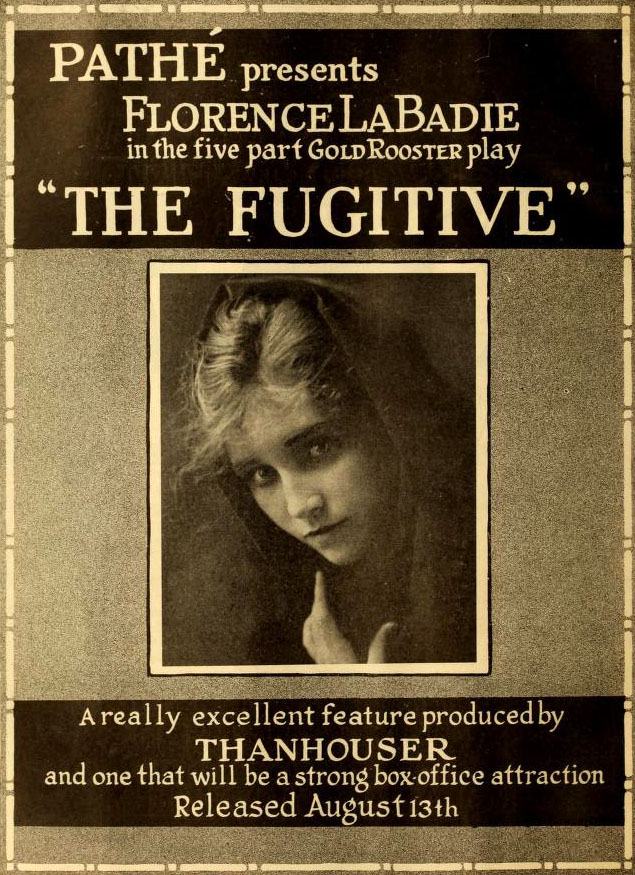
The screenplay by Philip Lonergan, while adhering to the dramatic conventions of the time, crafts a surprisingly intricate plot that keeps the audience engaged in Margery’s plight. The script deftly juggles themes of sacrifice, mistaken identity, the enduring power of love, and the societal pressures placed upon women in a patriarchal world. The choices Margery makes, particularly her continued silence even after Anna’s death, speak volumes about her character’s moral compass and her unwavering commitment to the initial act of protection. It’s a fascinating study in how perceived duty can supersede personal freedom and even logical self-preservation, a motif that resonates with the emotional intensity of films like A Man of Sorrow, where personal anguish is often intertwined with grand, self-sacrificial acts.
Frederick Sullivan’s direction, while perhaps not as widely celebrated today as some of his contemporaries, demonstrates a clear understanding of silent film aesthetics. The use of intertitles is judicious, providing necessary exposition without overwhelming the visual narrative. The cinematography, though rudimentary by modern standards, effectively conveys the mood and setting, from the bustling cityscapes to the expansive, liberating landscapes of the West. The framing often emphasizes the emotional isolation of characters, or their dramatic interactions, drawing the viewer’s eye to the expressive performances. The film’s pacing, a crucial element in silent cinema, maintains a steady rhythm, allowing the emotional beats to land with maximum impact. One can compare the deliberate visual storytelling to other films of the era, such as The Beloved Vagabond, where character journeys are meticulously mapped out through visual cues and subtle acting nuances.
The supporting cast, including Hector Dion as the villainous William Cleves, Samuel N. Niblack, and Ethyle Cooke, contribute significantly to the film’s overall texture. Dion, in particular, embodies the era's archetypal 'heavy,' his menacing presence providing a stark contrast to the vulnerability of Anna and the quiet strength of Margery. The ensemble works in concert to create a believable, if heightened, world where moral lines are sharply drawn, and the stakes are consistently high. The collective performances highlight the collaborative nature of silent filmmaking, where every actor’s gesture, every set piece, and every intertitle had to work in concert to tell a cohesive and emotionally resonant story.
Beyond the captivating plot, The Fugitive delves into several timeless themes. The most prominent is, of course, sacrifice. Margery’s willingness to surrender her freedom and reputation for the sake of another is a powerful testament to altruistic love. This theme of profound personal cost for the benefit of others is a recurring motif in cinematic history, resonating from early melodramas to contemporary dramas. The film also explores the nature of justice – not merely legal justice, but a moral reckoning that sometimes arrives through unconventional means. James’s final act of confession, born of love rather than guilt, offers a nuanced perspective on what constitutes true absolution and freedom. This moral complexity, where characters grapple with difficult choices and their far-reaching consequences, elevates The Fugitive beyond mere entertainment, inviting deeper contemplation.
Furthermore, the film subtly touches upon the societal roles and limitations imposed on women during the early 20th century. Both Margery and Anna find themselves in vulnerable positions, reliant on employment and susceptible to the advances of powerful men. Margery’s flight to the West can be seen as an act of defiance against these societal constraints, an attempt to forge her own destiny outside the confines of the established order. Her eventual return to her husband, freed by James's sacrifice, suggests a complex interplay between personal autonomy and the desire for social acceptance and stability.
Viewing The Fugitive today offers more than just a dramatic narrative; it provides a valuable window into the early development of American cinema. 1916 was a pivotal year, marked by the increasing sophistication of film grammar, the emergence of star systems, and the growing popularity of feature-length narratives. While still rooted in the theatrical traditions of the stage, films like The Fugitive were pushing the boundaries of what was possible through the visual medium. The reliance on strong, clear narratives and archetypal characters made these films accessible to a wide audience, laying the groundwork for the complex storytelling techniques that would follow. It’s a historical document, showing how filmmakers of the era grappled with universal human experiences using the tools available to them. For example, comparing the narrative pacing and character development to other films of its immediate context, such as Money Madness, offers insight into the diverse approaches to storytelling even within a relatively nascent industry.
The film’s legacy, though perhaps not as widely known as some of its more famous contemporaries, lies in its compelling narrative and the powerful performances that bring it to life. It serves as a reminder that even in the absence of spoken dialogue, cinema possessed an innate ability to stir the soul and explore the profound complexities of the human condition. The emotional weight of Margery’s burden, the unwavering nature of James’s love, and the tragic circumstances that bind their fates together, all speak to a timeless appeal that transcends the limitations of its silent format. The dramatic intensity, often bordering on the operatic, is a hallmark of the era, and The Fugitive embraces this with an unreserved passion, ensuring that its narrative thrust remains compelling from start to finish.
In its essence, The Fugitive is a testament to the enduring power of unconditional love and the profound sacrifices individuals are willing to make for those they cherish. It’s a narrative that, despite its melodramatic flourishes, touches upon universal human experiences: guilt, redemption, the search for identity, and the relentless pursuit of peace. For those interested in the foundational years of cinema, or simply in a story that explores the deepest recesses of the human heart, this silent gem offers a rich and rewarding viewing experience. It reminds us that even a century ago, filmmakers were crafting narratives of immense emotional depth, capable of captivating audiences and leaving an indelible mark on the tapestry of cinematic history. The film's enduring message, delivered through the evocative performances of its cast and the careful construction of its plot, is one of hope found amidst despair, and freedom won through the most unexpected acts of devotion. Its place within the silent era pantheon, while perhaps not at the very apex, is nonetheless secure as a compelling and emotionally resonant drama worthy of rediscovery.
IMDb —
1929
Community
Log in to comment.