DbcultAccessing Vault...
6/10
Senior Film Conservator
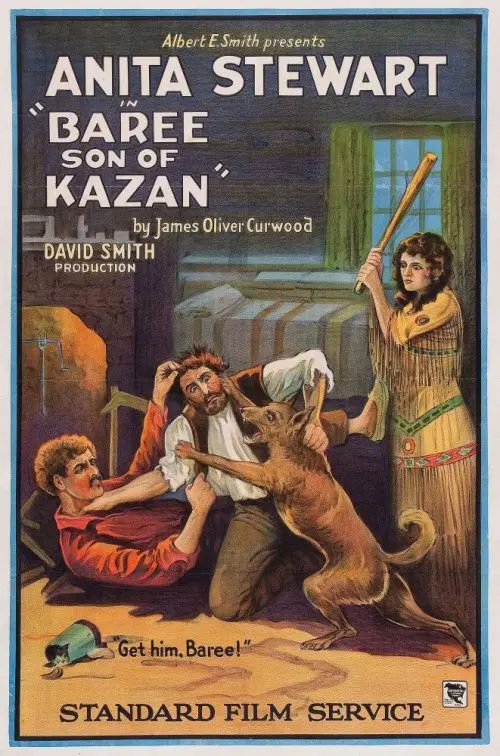
A definitive 6/10 rating for a film that redefined the boundaries of cult cinema. Baree, Son of Kazan remains a cornerstone of transgressive art.
The screen opens to the stark, unforgiving landscape of the Pacific Northwest, a setting that immediately immerses viewers in a world of raw, untamed beauty. The murder of Jim Carvel's father, followed by the shocking escape of the killer, sets the stage for a narrative that is as much about vengeful justice as it is about the deep, abiding love that ultimately prevails.
Jim Carvel, portrayed with a compelling intensity by Donald Keith, embarks on a solitary journey, driven by a singular purpose: to avenge his father's death. This quest is not merely a linear progression of events but a profound exploration of the human condition, marked by moments of introspection, moral dilemma, and emotional turmoil. The film's pacing is deliberate, allowing each scene to unfold with a sense of gravitas and purpose.
Through the brutal shooting of the killer, Jim's path intersects with that of Pierre Eustach and his daughter, Nepeese (Anita Stewart), in a moment that will shape the rest of the narrative. The encounter with Pierre, a man of the land, and Nepeese, a Native American with a deep connection to it, introduces a layer of cultural complexity and emotional resonance. The bond between Jim and Baree, a puppy found in the wilderness, serves as a symbol of hope and companionship amidst a harrowing journey. Their relationship is tender yet fraught with the tension of survival and loyalty.
The film's narrative structure is finely balanced, oscillating between Jim's personal journey and the broader societal themes of justice and morality. When Bush McTaggart, a man of questionable character, expresses interest in Nepeese, the stage is set for a dramatic turn. The attempted abduction and subsequent tragedy serve as a pivotal moment, heightening the stakes and intensifying the emotional impact of the film. Nepeese's escape from the cliff, a harrowing scene of both physical and emotional peril, marks a turning point in the narrative, pushing the story towards its climactic resolution.
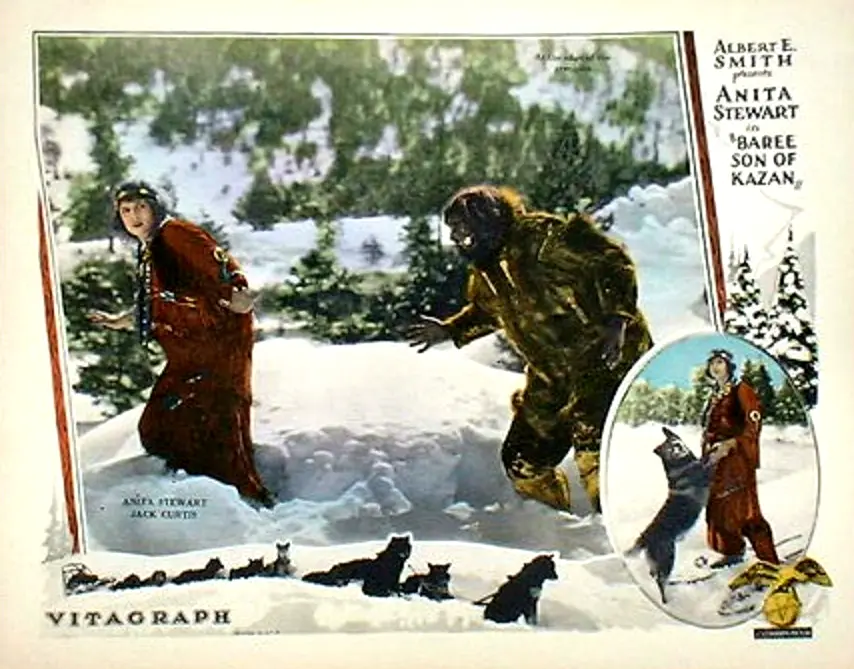
As the narrative unfolds, the film masterfully weaves together elements of romance, survival, and justice. The interplay between Jim and Nepeese is a central emotional thread, enriched by the film's authentic portrayal of their relationship. The film's depictions of the natural world, with its rugged terrain and untamed beauty, serve as a backdrop that amplifies the emotional weight of the story. The quiet moments of tenderness between Jim and Nepeese are contrasted with the raw intensity of their shared struggles, creating a rich tapestry of human experience.
The climax of the film is a violent yet cathartic sequence, where Baree, the loyal companion, takes on Bush McTaggart. This scene, while violent, is not gratuitous but serves as a powerful resolution that cements the bond between Jim, Nepeese, and Baree. The film's conclusion, set in a Native American community, offers a sense of closure and a renewed sense of hope for the future. The narrative's arc is a testament to the power of love and the resilience of the human spirit in the face of adversity.
The performances are uniformly strong, with Donald Keith delivering a nuanced portrayal of Jim Carvel, capturing the character's emotional depth and moral complexity. Anita Stewart's portrayal of Nepeese is equally compelling, imbuing the character with a sense of strength and resilience. The supporting cast, including Jack Curtis and Joe Rickson, contribute to the film's emotional resonance, adding layers of authenticity to the narrative.
The film's technical aspects, including cinematography and direction, are noteworthy. The use of natural light and the film's overall aesthetic contribute to a sense of authenticity and immersion. The score, while not prominently featured, adds to the film's emotional landscape, enhancing the viewer's engagement with the narrative.

Compared to other silent films of its era, such as The Red Circle and Sally of the Sawdust, Baree, Son of Kazan stands out for its emotional depth and the complexity of its narrative. While these films often focused on more straightforward narratives, Baree, Son of Kazan delves into the intricacies of human emotion and the moral complexities of justice. It is a testament to the artistry of silent cinema that it can convey such a rich emotional landscape without the aid of dialogue.
In conclusion, Baree, Son of Kazan is a profound cinematic experience that transcends the limitations of its silent format. It offers a timeless exploration of love, justice, and the human spirit, making it a must-watch for film enthusiasts and those who appreciate the artistry of silent cinema.
For those interested in exploring more silent films of this era, you might also enjoy:

IMDb 5.9
1931
Community
Log in to comment.