DbcultAccessing Vault...
5.5/10
Senior Film Conservator
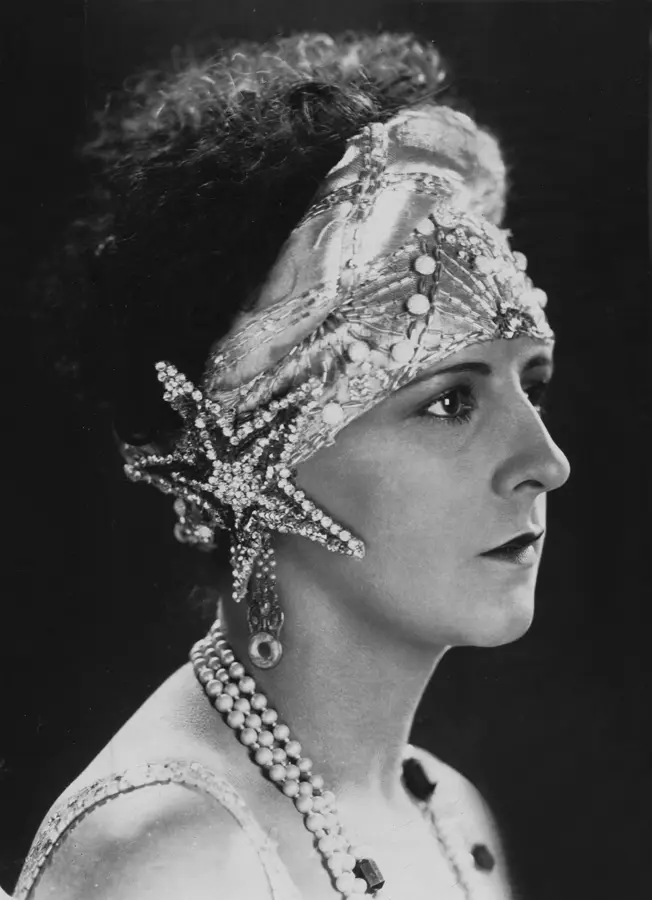
A definitive 5.5/10 rating for a film that redefined the boundaries of cult cinema. Barocco remains a cornerstone of transgressive art.
The year 1925 stands as a monolithic pillar in the history of the moving image. While the Soviet avant-garde was busy redefining the temporal mechanics of montage with films like Strike, the French industry was cultivating a different kind of intensity—a psychological and aesthetic richness that would eventually be termed 'Baroque' in its complexity. Charles Burguet’s Barocco is the quintessential manifestation of this era, a film that breathes through its shadows and speaks through the agonizingly expressive faces of its cast. It is not merely a story of inheritance and murder; it is a visual symphony of the decaying European soul, caught between the Victorian ghost-light and the harsh glare of the twentieth century.
To discuss Barocco without centering the gravitational pull of Charles Vanel would be an exercise in futility. Even in this nascent stage of his career, Vanel possessed a screen presence that felt carved from granite. Unlike the more whimsical or overtly theatrical performances found in contemporary American fare like Young Ideas, Vanel’s approach in Barocco is one of simmering, internalized violence. Every twitch of his brow, every deliberate movement of his hands, suggests a man burdened by the weight of unstated sins. He acts as the narrative’s anchor, preventing the film from drifting into the ethereal realms of pure abstraction.
Opposite him, Suzy Vernon provides the necessary counterpoint of luminous vulnerability. Her portrayal of Gaby is a masterclass in silent film acting; she avoids the histrionic flailing that marred so many productions of the period, opting instead for a performance rooted in the eyes. When she discovers the treachery that has decapitated her family’s future, the camera lingers on her face with a voyeuristic intensity that predates the psychological thrillers of the 1940s. It is a stark contrast to the more lighthearted, almost flippant performances seen in Suzanne, professeur de flirt, highlighting Burguet’s commitment to a more somber, consequential tone.
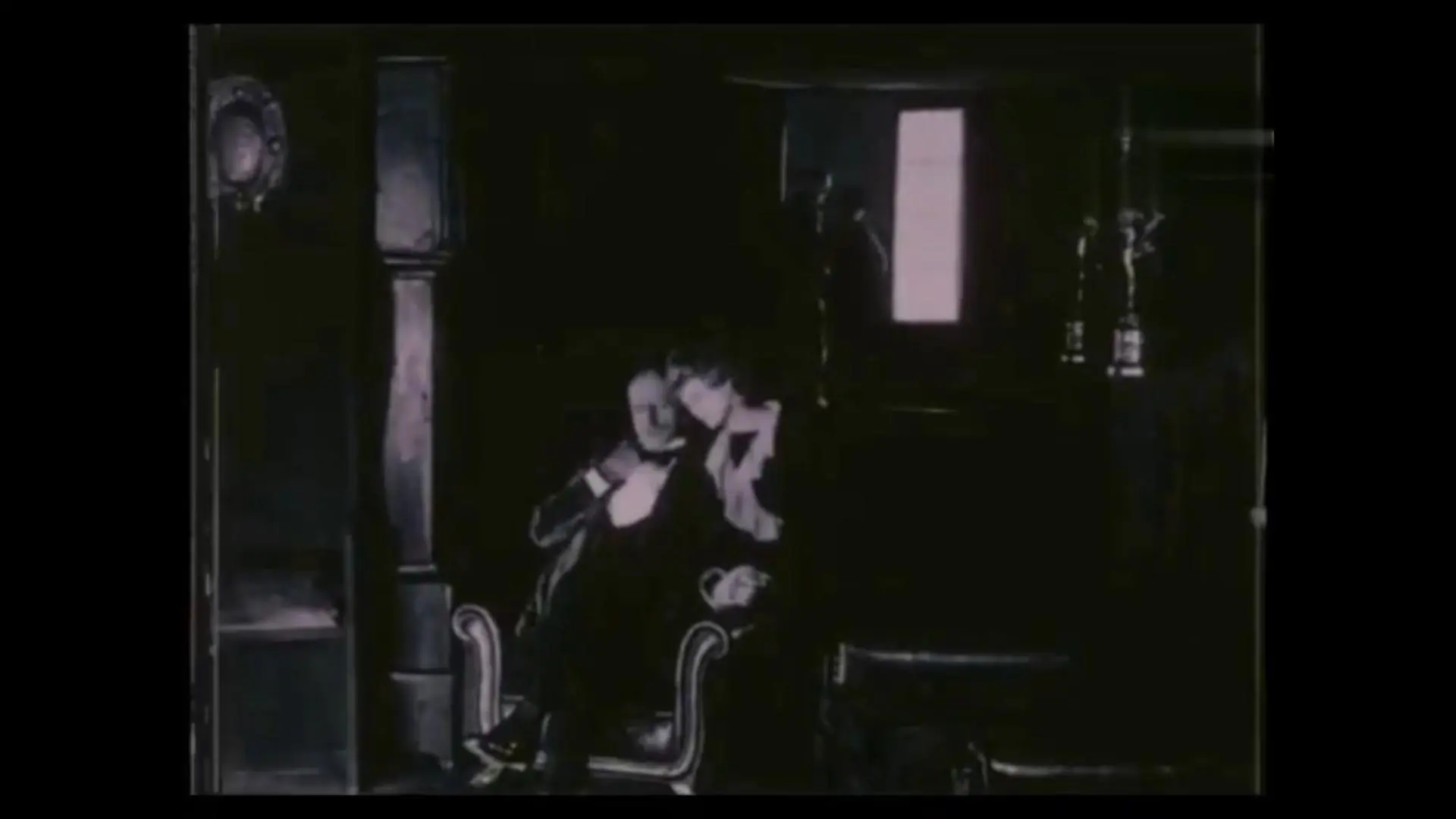
The visual language of Barocco is where the film truly earns its title. Burguet and his cinematographers employ a syntax that feels remarkably modern. The use of depth of field to isolate characters within their environments creates a sense of inescapable destiny. The sets themselves—crumbling chateaus, dimly lit libraries, and fog-drenched streets—are not just backdrops; they are active participants in the drama. They reflect the internal state of a French society struggling to reconcile its opulent past with a fractured present. This atmospheric density is reminiscent of the dark, brooding energy found in Os Lobos, yet Barocco possesses a specifically urban, sophisticated malaise that sets it apart.
One cannot ignore the technical precision of the framing. While many films of 1925 were still grappling with the transition from static, stage-like shots to a more dynamic camera, Barocco utilizes movement with a surgical intent. The camera glides through the hallways of the Barocco estate like a phantom, a silent observer of the crumbling morality within. This fluidity of motion provides a sense of continuity that was often missing in the episodic nature of serials like Fantomas: The Mysterious Finger Print. Here, the suspense is not built through cliffhangers, but through the inexorable march of the narrative toward its tragic zenith.
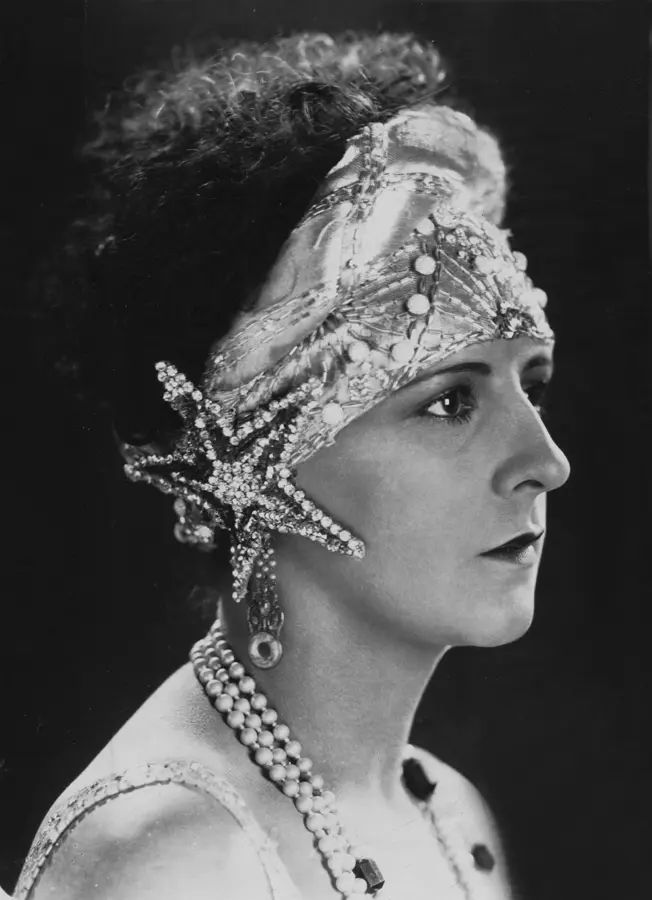
Georges André-Cuel’s screenplay is a marvel of narrative economy and thematic depth. In an era where many plots were derived from flimsy vaudeville sketches or overly sentimental novels, Barocco feels like a literary achievement. The dialogue—presented through elegantly designed intertitles—is sparse but potent. It trusts the audience to interpret the subtext of the imagery. The central mystery of the inheritance is handled with a sophistication that avoids the clumsy tropes of films like The Devil's Riddle or the moralizing simplicity of The Gift Supreme.
Instead, the script delves into the murky waters of legal and social entrapment. Gaby’s struggle is not just against a villainous antagonist, but against a system designed to disenfranchise those who lack the ruthlessness to survive. The supporting cast, including Berthe Jalabert and Camille Bardou, flesh out this world with a series of vignettes that highlight the various strata of French life. From the weary wisdom of the domestic staff to the cold, calculating maneuvers of the legal professionals, the film presents a holistic view of a world in transition. This breadth of scope is something rarely seen in the more focused, character-driven narratives like Hoodoo Ann.
When we place Barocco alongside its contemporaries, its unique stature becomes even more apparent. While American cinema was perfecting the slapstick rhythm of Cleaning Up!!? or the animal-centric escapades of Snooky's Twin Troubles, Burguet was pushing for a cinema of ideas. Even compared to the historical reconstructions of Jamestown, Barocco feels more grounded in a visceral, lived-in reality. It doesn't rely on the novelty of its setting or the scale of its production; it relies on the potency of its emotional truth.
Even the more obscure titles of the era, such as the ethnographic curiosity of Deck Sports in the Celebes Sea or the regional drama of West Meets East, lack the cohesive artistic vision that Burguet brings to Barocco. He is not merely recording a story; he is interpreting a world. The film shares a thematic DNA with the dark morality plays of The Two Edged Sword, yet it executes its themes with a finesse and a visual flair that remains unparalleled in the mid-20s French canon.
Barocco is a film that demands to be watched with an eye for detail. It is a slow-burn experience that rewards the patient viewer with a profound sense of catharsis. The final act, where the various threads of the mystery are finally pulled tight, is executed with a rhythmic precision that leaves the viewer breathless. It is not the explosive climax of a film like The Duck Hunter; it is a quiet, devastating realization of the cost of survival.
In the grand tapestry of silent cinema, Barocco is a thread of deep crimson—rich, dark, and vital. It serves as a reminder that before the advent of sound, the language of film had already reached a peak of expressive power that we are still struggling to replicate today. Charles Burguet created a work that is both a product of its time and a timeless exploration of the human condition. It is a film of shadows, but those shadows are cast by a very real and very human fire. For any serious student of the medium, or for the casual viewer looking to lose themselves in a world of exquisite tragedy, Barocco remains an essential, haunting destination.
IMDb —
1920
Community
Log in to comment.