DbcultAccessing Vault...
7.9/10
Senior Film Conservator
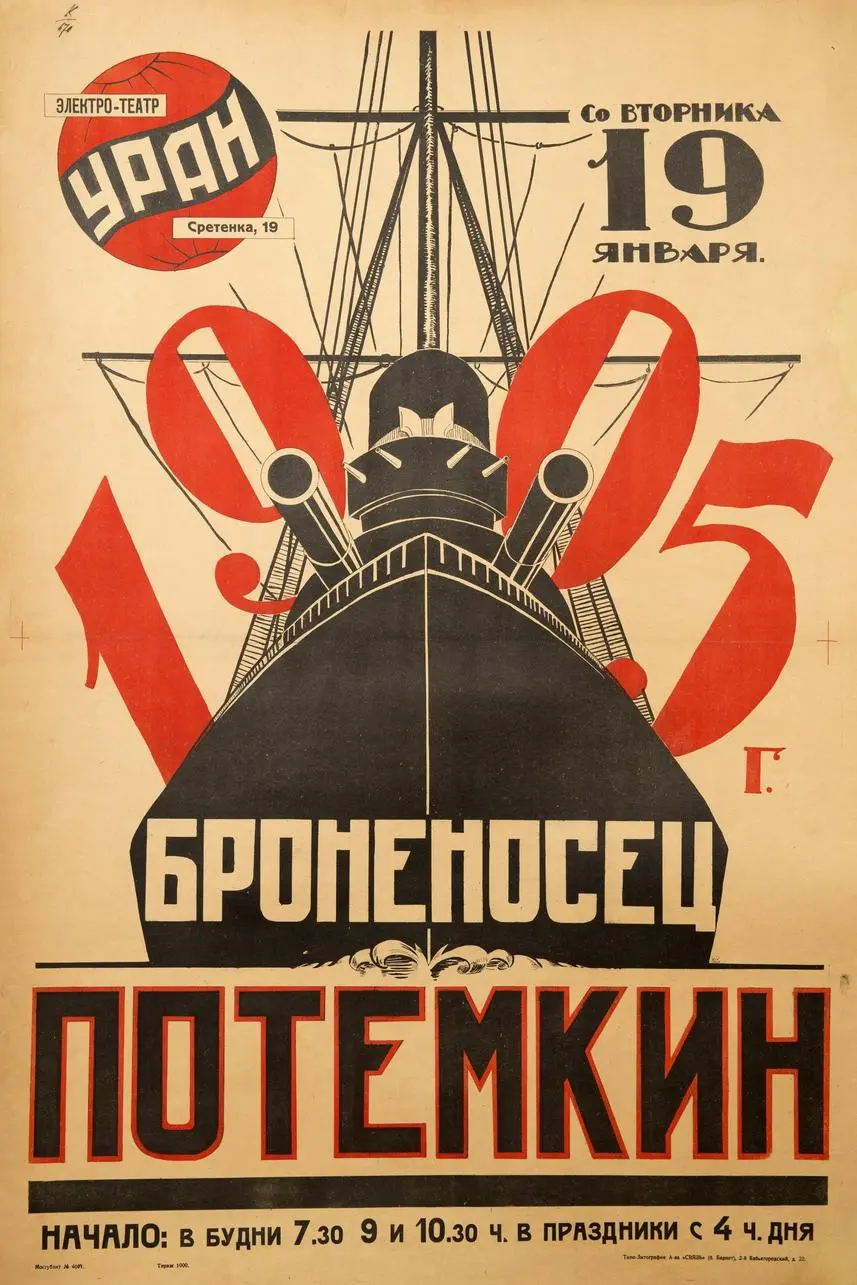
A definitive 7.9/10 rating for a film that redefined the boundaries of cult cinema. Battleship Potemkin remains a cornerstone of transgressive art.
To watch Battleship Potemkin in the modern era is to witness the very DNA of visual storytelling being spliced and reorganized. Sergei Eisenstein did not merely direct a film; he engineered a kinetic weapon. While contemporary audiences might be accustomed to the rapid-fire editing of modern blockbusters, the intentionality behind every frame in this 1925 masterpiece remains unparalleled. It is a work of propaganda, yes, but it is propaganda elevated to the stratosphere of high art through a radical understanding of human psychology and visual rhythm.
The film’s opening act, "Men and Maggots," serves as a masterclass in establishing systemic injustice through sensory repulsion. The officers’ callous insistence that the putrid, vermin-ridden meat is fit for consumption isn't just a plot point; it’s a microcosm of the Tsarist regime’s indifference to human life. Eisenstein uses close-ups of the meat not just for shock, but to build a visceral bridge between the audience and the sailors. We feel the nausea, the simmering resentment, and the eventual boiling point of the crew. Unlike the more traditional seafaring narratives seen in Mutiny, Potemkin eschews individual heroics for a collective awakening.
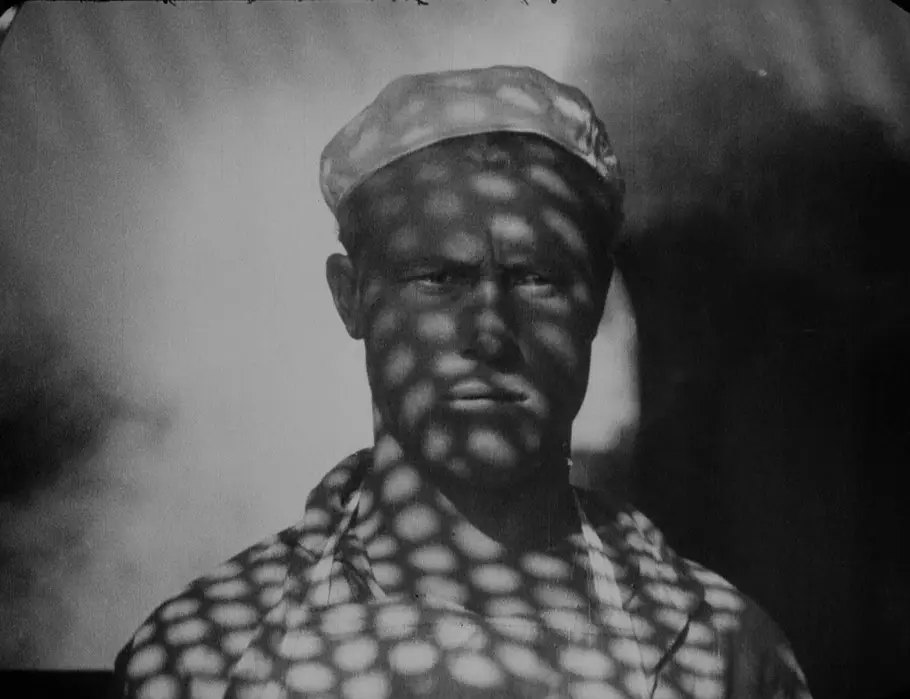
The performance of Aleksandr Antonov as Grigory Vakulinchuk provides the emotional anchor. He isn't a swashbuckling hero of the sort one might find in The Lone Star Ranger; he is a man of the earth—or rather, the sea—whose quiet dignity makes his eventual martyrdom a tectonic shift in the film's energy. When the officers attempt to execute the dissenters under a tarpaulin, the tension is so thick it feels physical. This sequence demonstrates Eisenstein’s ability to manipulate time, stretching the moments before the command to "Fire!" into an agonizing eternity.
One cannot discuss this film without dissecting the Odessa Steps sequence. It is perhaps the most analyzed six minutes in cinematic history, and for good reason. Here, Eisenstein utilizes what he called "montage of attractions." He doesn't just show a massacre; he forces the viewer to assemble the horror in their own mind through the juxtaposition of clashing images. The rhythmic descent of the Cossacks’ boots—mechanical, faceless, and inexorable—contrasts sharply with the chaotic, individualized terror of the fleeing citizens.
Consider the iconic image of the mother carrying her dead son toward the line of rifles. It is a moment of pure, unadulterated pathos that rivals the documentary gravity of The Battle of the Ancre and the Advance of the Tanks. Then, of course, there is the baby carriage—a frantic, bouncing descent into oblivion that has been homaged and parodied for a century. Eisenstein understands that the horror of the state is best illustrated not through grand gestures, but through the shattering of the most fragile human bonds. This isn't the melodrama of The Love Letter; this is the raw, bleeding edge of historical trauma.
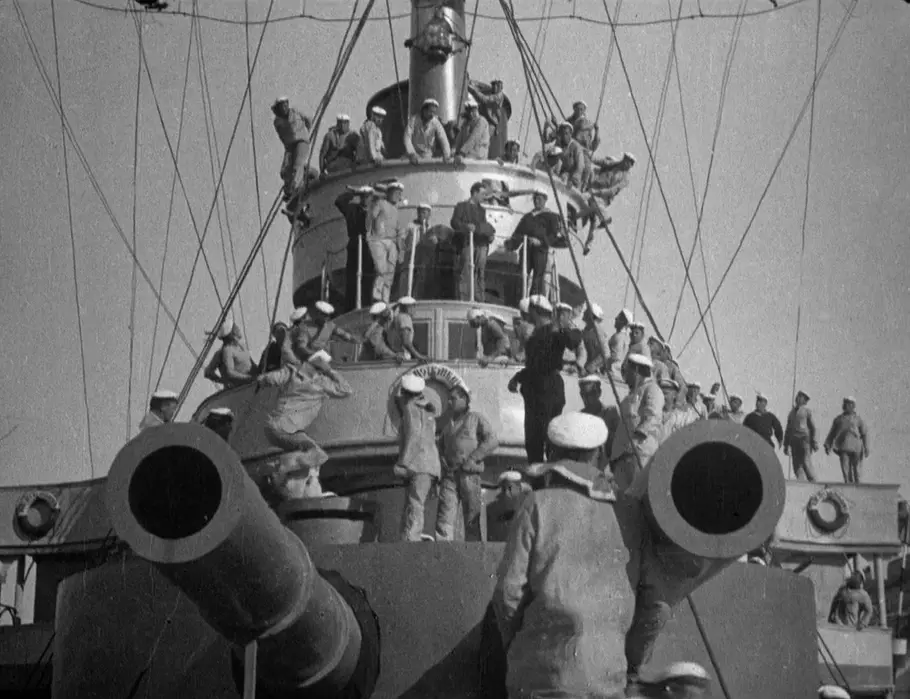
What sets Potemkin apart from contemporary silent efforts like Foolish Lives or Miss Crusoe is its total rejection of the "star system." While actors like Vladimir Barskiy and Grigoriy Aleksandrov deliver potent performances, the true protagonist is the masses. The ship itself becomes a living organism, a steel beast reclaimed by its handlers. The cinematography by Eduard Tisse captures this with a geometric precision that feels both industrial and organic. The shots of the ship's engines, the churning water, and the looming cannons are edited with a percussive intensity that mirrors the heartbeat of the revolution.
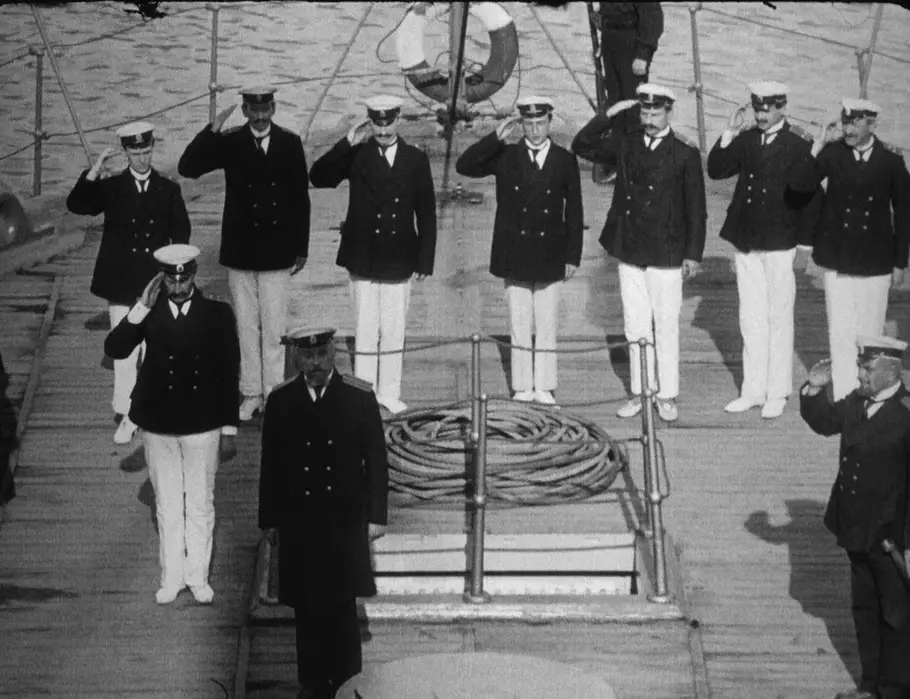
The film’s fourth act, the encounter with the Admiral’s squadron, is a masterclass in suspense. As the Potemkin prepares its guns, the tension isn't built on the threat of combat, but on the possibility of solidarity. The intertitles scream with an urgency that transcends the silent medium. When the signal flags go up and the brotherhood of the sailors is realized, it is a catharsis that feels earned, not through sentimentality, but through the rigorous application of dialectical struggle. It lacks the escapist whimsy of The Flower Girl, opting instead for a gritty, uncompromising realism that still feels modern.
Eisenstein’s influence extends far beyond the borders of Soviet cinema. His theories on montage—the idea that the collision of two independent shots creates a new, third meaning in the viewer's mind—changed the way films were made globally. You can see the echoes of his work in everything from the gritty realism of Lest We Forget to the psychological depth of The Inner Voice. Even in seemingly unrelated genres, like the early crime dramas of The Yellow Traffic, the DNA of Eisenstein’s pacing and framing can be found.
The film also manages to be surprisingly intimate despite its grand scale. The grief of the citizens over Vakulinchuk’s body is handled with a poetic reverence. The use of light and shadow in these scenes creates a somber, liturgical atmosphere. It’s a stark contrast to the bright, adventurous tones of Australia's Own or the rugged exteriority of Two-Gun Betty. Eisenstein proves that cinema can be both a political manifesto and a deeply humanistic exploration of loss and hope.
The sheer craftsmanship on display is staggering. The way the stone lions in Odessa appear to "wake up" through the clever editing of three different statues is a testament to the playfulness and intellectual rigor of the director. He wasn't just recording reality; he was sculpting it. This level of artistic intervention is what separates Battleship Potemkin from more straightforward narratives like Dangerous Days or the exoticism of The Jungle Child. Every frame is a conscious choice, every cut a deliberate provocation.
Even the writing, credited to a team including Nikolay Aseev and Sergey Tretyakov, understands that in silent cinema, brevity is the soul of impact. The dialogue is sparse, allowing the visual language to do the heavy lifting. This is a film that understands the power of the image to bypass the intellect and strike directly at the emotions. It shares an atmospheric intensity with A napraforgós hölgy, though its goals are far more revolutionary.
In the final analysis, Battleship Potemkin remains essential viewing not just for historians, but for anyone who wishes to understand the emotive power of the moving image. It is a film that breathes, snarls, and eventually soars. Eisenstein’s vision of a unified proletariat may have been a product of its time, but his understanding of the cinematic form is timeless. It is a visceral reminder that cinema, at its best, is not just a reflection of the world, but a force capable of reshaping it. The grain of the film, the flickering light, and the sheer audacity of its construction continue to demand our attention, proving that even after nearly a century, the Potemkin’s engines are still running at full steam.
Review by the Cine-Analyst Collective. A deep dive into the archives of revolutionary aestheticism.

IMDb —
1924
Community
Log in to comment.