Summary
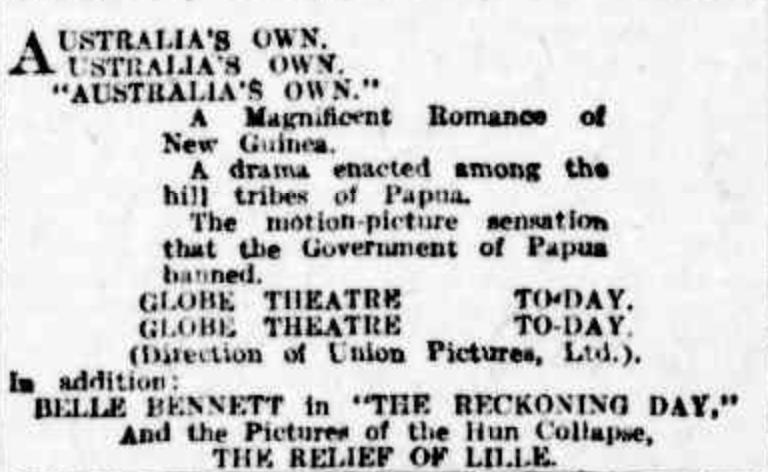
In the sweeping hinterlands of post‑war Queensland, the modest township of Marree becomes the crucible for an unlikely saga of redemption and cultural reckoning. Garry Gordon portrays Jack Whitmore, a weather‑beaten railway foreman whose stoic exterior masks a haunted past tied to a clandestine wartime operation that left a scar on the land and its people. When a series of inexplicable disappearances rattles the community, Jack is reluctantly thrust into the role of investigator, navigating a labyrinth of colonial legacies, Aboriginal spiritualities, and the simmering resentments of a town teetering on the brink of economic collapse. Nellie Romer shines as Lila McKinnon, a fiercely independent schoolteacher of mixed heritage, whose intimate knowledge of Dreamtime narratives and fluency in the local language prove indispensable. Together, they unearth a hidden cache of gold—an artifact of the 19th‑century gold rush—buried beneath the rusted tracks, a symbol of greed that has haunted generations. As the duo delves deeper, they confront a shadowy syndicate led by the charismatic yet duplicitous businessman Victor Hale (a cameo by a yet‑unnamed actor), whose polished veneer conceals a ruthless ambition to commodify the very soul of the outback. The narrative crescendos in a storm‑swept showdown at the abandoned telegraph station, where personal histories collide, and the truth about the missing townsfolk—who are revealed to be custodians of a sacred site—forces Jack to reconcile his own lineage with the collective memory of the land. J.E. Ward’s script weaves lyrical prose with stark realism, painting a portrait of Australia that is at once hauntingly beautiful and unflinchingly brutal, while the cinematography captures the ochre‑tinted horizon against a relentless, blackened sky, underscoring the film’s meditation on loss, belonging, and the inexorable pull of home.
Review Excerpt
"
A Landscape of Memory and Conflict
Australia's Own arrives like a dust‑laden wind sweeping across the red earth, stirring up forgotten stories that have lain dormant beneath the sun‑bleached scrub. From the opening frame—an aerial sweep over the parched expanse of Marree—viewers are immediately anchored in a world where geography is as much a character as any human protagonist. The film's mise‑en‑scene is meticulously crafted; the muted palette of ochre and ash is punctuated by the occasion..."