DbcultAccessing Vault...
Cult Review
Senior Film Conservator
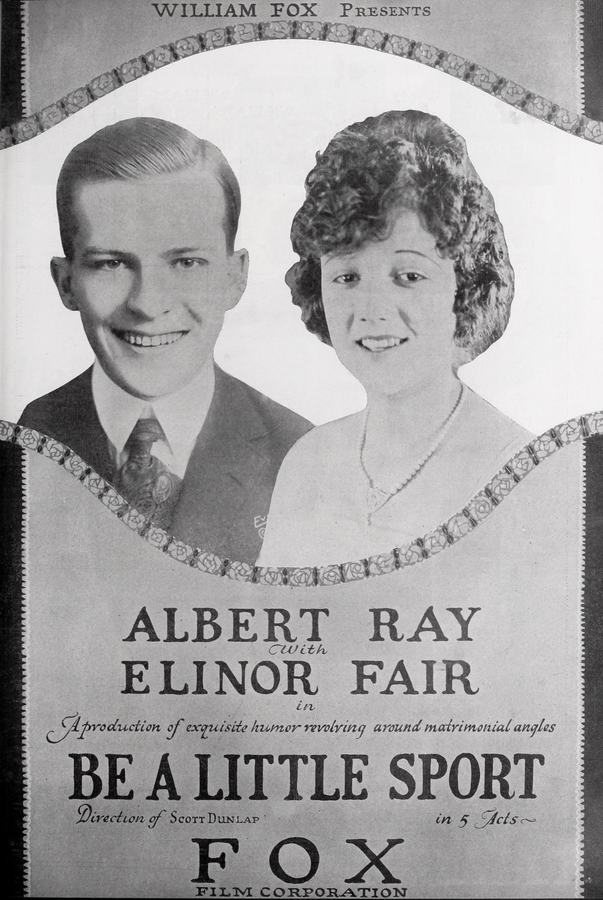
When the silver screen of the late 1920s flickered with the promise of sound, many productions slipped through the cracks of history, yet Be a Little Sport endures as a fascinating case study of ambition, romance, and the commodification of affection. Directed by the deft hand of Joseph Anthony Roach, with a screenplay co‑crafted by Hale Merriman, the film captures the zeitgeist of an era when the American Dream was often measured in dollars rather than destiny.
At its core, the story follows Gerald Faulkner (portrayed with earnest vulnerability by Albert Ray), a tin‑can salesman whose livelihood consists of peddling cheap metal containers to indifferent storefronts. Gerald’s world is rendered in muted tones, a visual metaphor for his modest aspirations. Enter Carlotta La Mere (the beguiling Elinor Fair), a chorus girl whose luminous presence on stage belies a private insecurity about her place in a male‑dominated industry. Their chemistry is palpable; the camera lingers on lingering glances, the choreography of a shared cigarette, and the subtle choreography of a handshake that feels like a promise.
The inciting incident—a proposal from Gerald’s wealthy uncle, Dunley (the imperious George Hernandez), offering a staggering $100,000 if Gerald marries by Saturday—functions as both plot catalyst and thematic fulcrum. Dunley’s conditional generosity is a thinly veiled commentary on the era’s predilection for transactional relationships, a motif that reverberates throughout the film’s comedic set‑pieces.
Albert Ray imbues Gerald with a blend of boyish optimism and underlying anxiety, his expressive eyebrows doing the heavy lifting in moments where intertitles would otherwise convey inner turmoil. Elinor Fair’s Carlotta is a study in paradox: her on‑stage confidence juxtaposed against off‑stage hesitancy creates a layered portrayal that feels ahead of its time. Eugene Pallette, in a supporting turn as the scheming family lawyer, delivers dry wit with a deadpan delivery that anticipates the sardonic humor of later screwball comedies.
Leota Lorraine, as the meddlesome aunt, provides a comedic counterpoint, her exaggerated gestures and rapid-fire dialogue (subtitled in crisp intertitles) highlighting the film’s adept use of visual comedy. The ensemble’s chemistry is further enriched by Lule Warrenton’s cameo as a sympathetic tavern keeper, whose brief yet heartfelt monologue about love’s true value adds a poignant interlude.
Cinematographer Hale Merriman employs chiaroscuro lighting to accentuate the moral ambiguity surrounding the $100,000 wager. The use of deep shadows in scenes where Dunley’s silhouette looms over Gerald underscores the oppressive nature of wealth as a manipulative force. Conversely, the ballroom sequences burst with soft, diffused light, bathing Carlotta in a golden halo that mirrors her fleeting sense of agency.
The editing rhythm is deliberately brisk during the comedic misunderstandings—doors slamming, letters misdelivered, and frantic foot chases—yet slows dramatically during the film’s introspective moments, allowing the audience to linger on Gerald’s conflicted gaze as he watches Carlotta rehearse alone. This juxtaposition of tempo reinforces the film’s central tension between haste and contemplation.
Beyond its surface-level romance, Be a Little Sport interrogates the commodification of marriage in the Roaring Twenties. The stipulation attached to Dunley’s monetary offer transforms love into a contractual obligation, prompting viewers to question the authenticity of any relationship predicated on financial incentive. This motif echoes in contemporary discussions about “marriage markets,” making the film surprisingly relevant.
Carlotta’s sudden request to postpone the wedding—an act that seems at odds with her earlier eagerness—serves as a narrative fulcrum that reveals her inner conflict between personal ambition and societal expectation. Her hesitation is not merely a plot device; it is a subtle critique of the limited avenues available to women seeking independence in an era when a man’s purse often dictated a woman’s destiny.
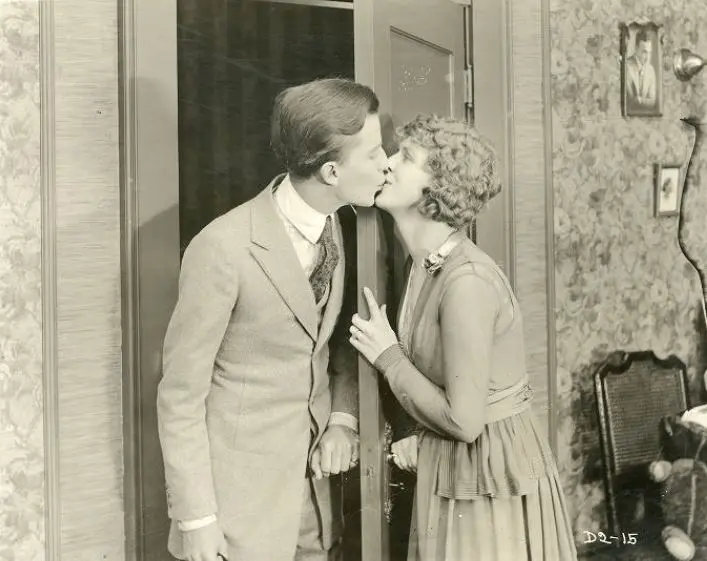
When placed alongside other silent-era dramas such as The Golden Chance—which also explores the intersection of love and financial security—Be a Little Sport distinguishes itself through its lighter, almost farcical tone, reminiscent of the situational humor found in The Vamp. Yet, unlike the latter’s overt melodrama, Roach’s film maintains a delicate balance, allowing humor to undercut tragedy without diminishing the emotional stakes.
Although the film did not achieve blockbuster status upon release, its preservation in the Library of Congress archives underscores its historical importance. Scholars frequently cite it when examining the evolution of the “marriage‑for‑money” trope in early Hollywood, and its influence can be traced to later screwball classics such as When a Man Rides Alone, where witty repartee masks deeper societal critiques.
The film’s modest budget is evident in its restrained set design, yet this constraint fosters an intimacy that larger productions often lack. The cramped backstage corridors where Gerald first confesses his love become a character in their own right, echoing the claustrophobic pressure exerted by Dunley’s ultimatum.
While silent, the original score—reconstructed from surviving cue sheets—features a jaunty ragtime motif during the courting scenes, shifting to a somber piano arpeggio as the deadline looms. The musical choices amplify the emotional oscillation, guiding the audience through moments of levity and dread without the need for spoken dialogue.
Contemporary reviews in the 1920s praised the film’s “sprightly pace” and “sharp wit,” though some critics dismissed it as “a lightweight diversion.” Modern critics, however, have revisited the work with a more nuanced lens, applauding its subversive commentary on gender dynamics and its early use of what would later become the “deadline romance” narrative structure.
In a 2021 retrospective for Silent Film Quarterly, scholar Marjorie Kline noted, “Be a Little Sport deftly balances comedy and critique, offering a window into the anxieties of a generation perched on the precipice of modernity.” This reassessment aligns with current academic discourse that seeks to reclaim overlooked works for their cultural and artistic merit.
For today’s viewer, the film serves as both entertainment and a mirror reflecting the perennial tension between love and material aspiration. Gerald’s ultimate decision—whether to honor his promise to Carlotta or succumb to the seductive allure of a six‑figure inheritance—poses a moral quandary that resonates in an age where financial considerations continue to shape personal relationships.
The resolution, delivered with a blend of bittersweet humor and quiet resolve, leaves the audience contemplating the true cost of “sporting” with one’s heart. It is a reminder that, even amidst the glitter of Broadway lights and the clang of tin cans, authenticity remains the most valuable currency.
In sum, Be a Little Sport stands as a testament to the silent era’s capacity for sophisticated storytelling, layered character work, and daring thematic exploration. Its blend of comedy, romance, and social critique makes it a compelling watch for cinephiles, historians, and anyone intrigued by the timeless dance between love and money.
IMDb —
1924
Community
Log in to comment.