DbcultAccessing Vault...
6.4/10
Senior Film Conservator
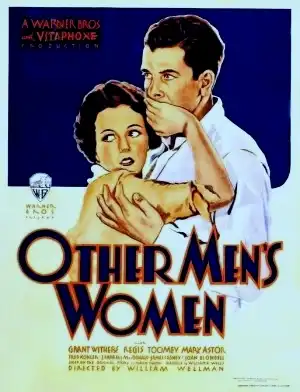
A definitive 6.4/10 rating for a film that redefined the boundaries of cult cinema. Other Men's Women remains a cornerstone of transgressive art.
If you're into that early 30s Hollywood vibe, with all its raw edges, then yeah, Other Men's Women is definitely worth digging up. It's a neat little time capsule, especially for folks who obsess over pre-Code dramas and want to see some familiar faces before they became the faces. But if you're expecting sleek storytelling or a super fast pace, you might find yourself checking your watch.
This film plunges us right into the grimy, noisy world of locomotive engineers. You can almost smell the coal smoke and feel the rumble of those big engines. The opening shots of the trains chugging along, steam billowing, really set a mood.
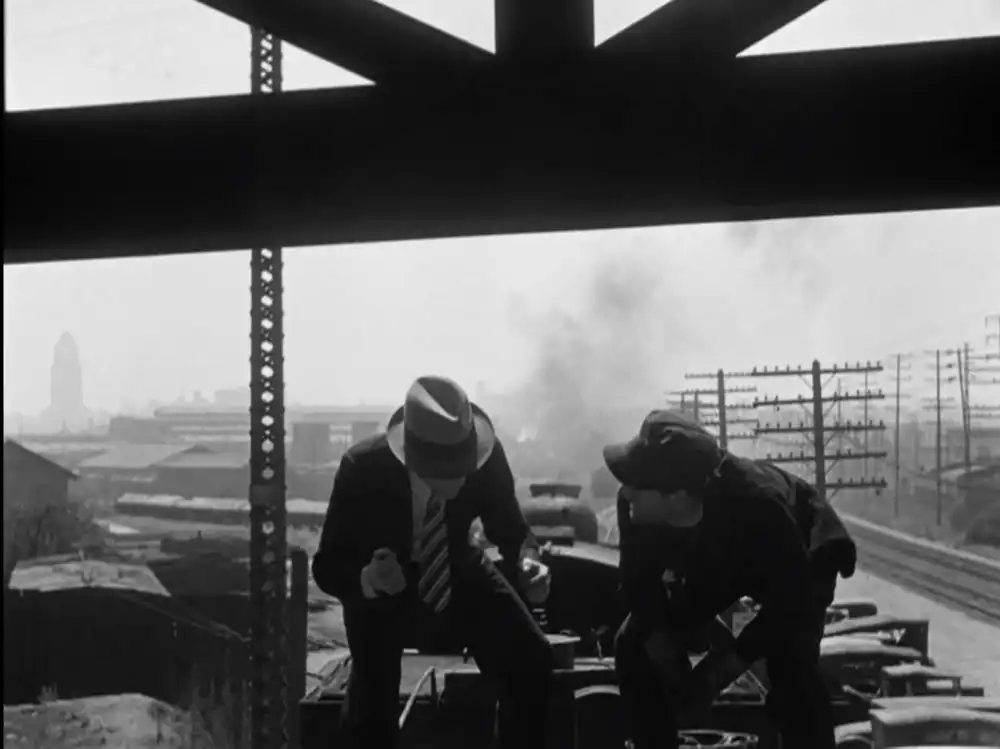
It’s a story about two best pals, Bill (Grant Withers) and Jack (Regis Toomey), who literally drive these massive machines together. Their friendship feels genuine, the kind forged in long hours and shared danger. You see them joking around in the depot, it’s got a good, easy rhythm.
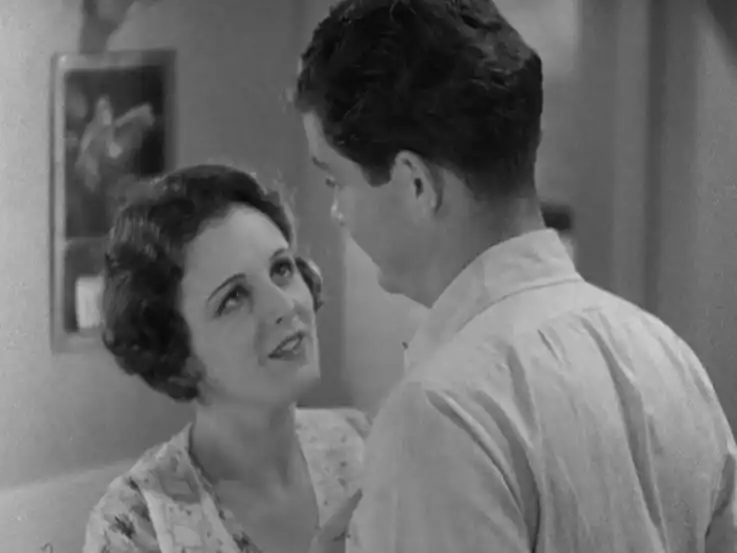
Then Mary Astor shows up as Rupert, Jack’s wife. And, boy, does she bring a quiet storm. Her performance is really understated, which makes Bill’s growing attraction to her feel less like a cheap plot device and more like a slow, inevitable pull. There’s a scene where she’s just listening to Bill talk, and the way her eyes track him — that’s where the trouble starts brewing.
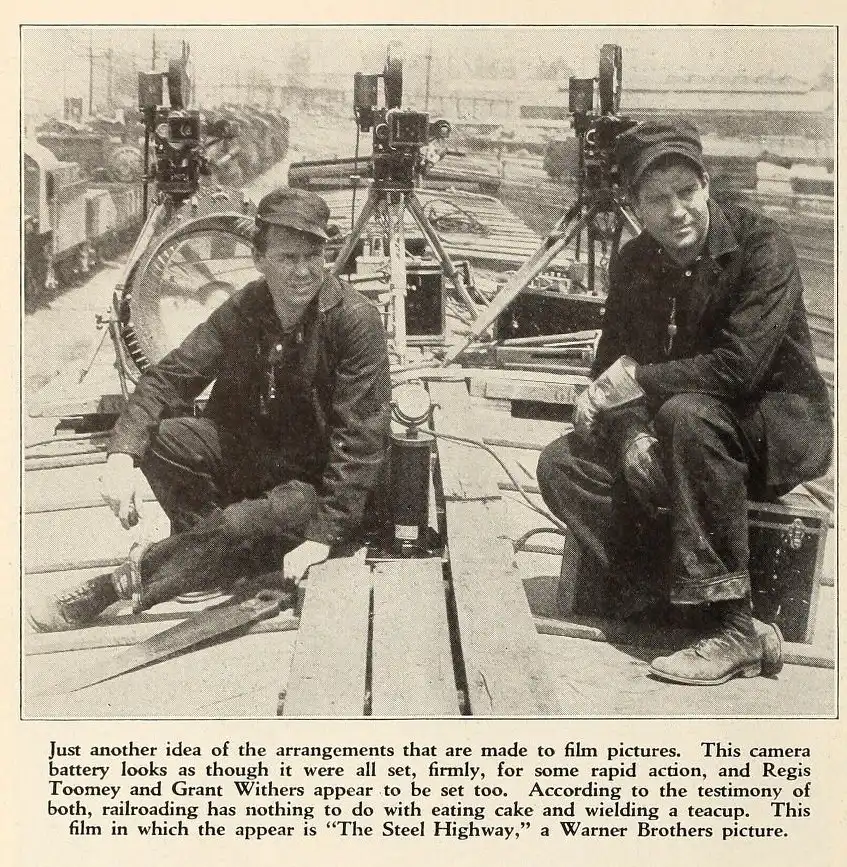
You can tell the movie isn't afraid to get a little messy with human emotions, which is often the case with these pre-Code pictures. There’s a directness to the dialogue that sometimes feels almost startlingly modern for 1931. Nobody’s beating around the bush much.
James Cagney, bless him, is in this, too, as Ed, one of the other engineers. It's a smaller part, but man, does he just pop off the screen. Even in group shots, you find your eye going straight to him. He’s got this incredible energy, a little wildness even when he’s just sitting there. You can already see the star power brewing, years before he was truly unleashed.
His presence, even in small doses, kind of shakes up the scene. It’s like a jolt of espresso in a movie that otherwise takes its sweet time building up the central drama. There’s a moment where he just laughs at someone’s misfortune, and it’s so perfectly Cagney, you just grin. 😂
Joan Blondell is here as Marie, and she's as charming as ever. She plays a woman who clearly has a thing for Jack, and her scenes often bring a much-needed lighter touch. She’s got this great, knowing look she gives sometimes, like she sees right through everyone’s nonsense. It makes you wish her part was a little bigger, honestly.
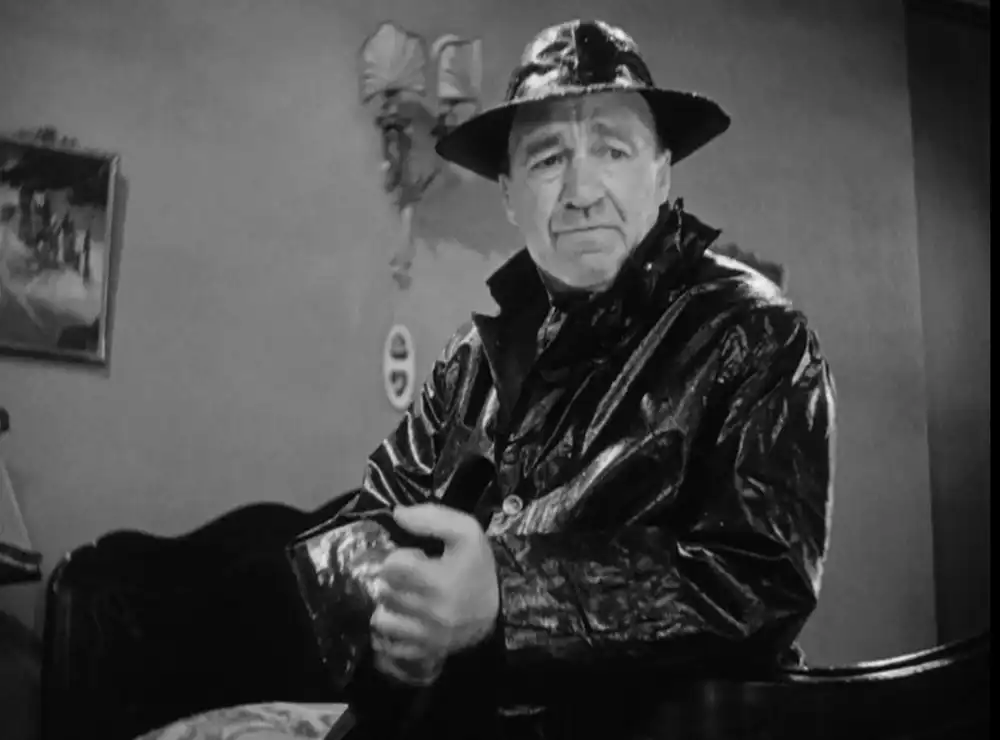
The pacing sometimes gets a bit… deliberate. There are these long stretches where not a whole lot happens, just folks looking at each other or thinking deeply. One dinner scene felt like it lasted forever, with everyone just kinda picking at their food. It really gives you a sense of the everyday, but also tests your patience a little bit.
The train accidents, when they happen, are pretty impressive for the era. They don't shy away from the danger of the job, and it’s a good reminder that these guys are risking their necks every day. The sound design, though rudimentary, really sells the impact. You can hear the screech of the brakes and the clang of metal.
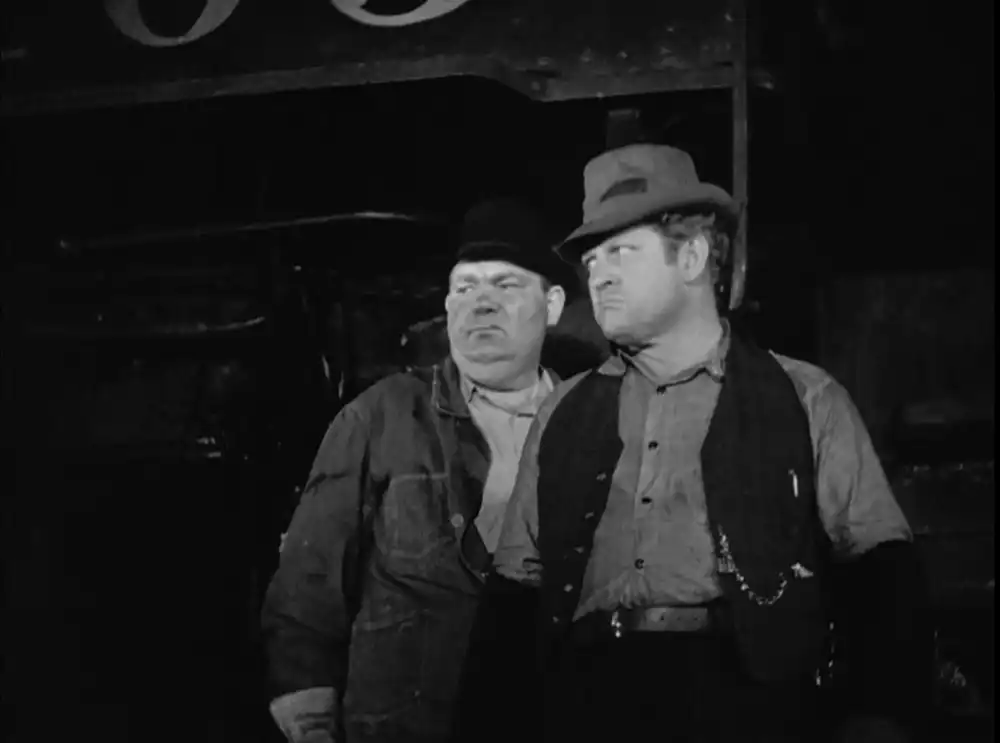
There's a subtle moral ambiguity that lingers. No one is entirely good or bad, just flawed people caught in a tough situation. Bill’s choices are questionable, but you sort of understand the pull. Mary Astor’s Rupert isn’t just a conniving 'other woman' either; she’s complex. It’s all very human.
The ending feels a little abrupt, like they just ran out of film or something. It ties things up, but maybe a bit too neatly after all the emotional turmoil. Still, it leaves you thinking about the decisions everyone made. A solid, if slightly clunky, look into that era’s idea of romance and loyalty.
IMDb 7.4
1926
Community
Log in to comment.