DbcultAccessing Vault...
Cult Review
Senior Film Conservator
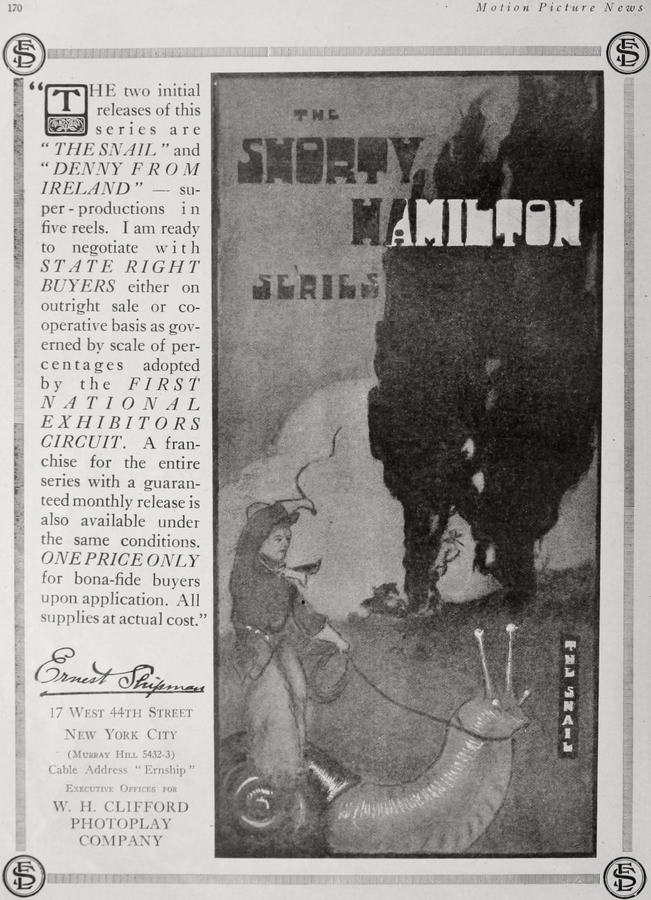
Stepping back into the early twentieth century of cinema is always an intriguing venture, offering a unique lens through which to view societal anxieties, moral compasses, and the burgeoning art of storytelling. Today, we're unearthing a fascinating artifact from 1918, a film enigmatically titled The Snail. Far from suggesting sluggishness, this title might ironically hint at the relentless, almost imperceptible creep of destiny, or perhaps the slow, agonizing journey of its protagonists across continents and social strata. This silent melodrama, featuring the talents of Shorty Hamilton and Ethel Grey Terry, is a surprisingly intricate tapestry woven with threads of cross-cultural romance, class conflict, shocking betrayal, and a pursuit of justice that navigates both the explicit and the clandestine corners of society.
At its core, The Snail is a testament to the enduring power of love against insurmountable odds, even if those odds are manufactured by the very people who should protect. We begin in an exoticized China, a popular setting for many early Western films, where a scion of American wealth finds himself captivated by a young Chinese woman. Their romance, blossoming amidst the cultural tapestry of the East, is tragically cut short by an act of profound injustice: her abduction and forced transportation to America, destined for a life of servitude. This immediate plunge into tragedy sets a high emotional stakes for the narrative, establishing the central conflict that will drive the rest of the story.
The young American, bereft but resolute, follows his heart across the Pacific. His arrival in America, however, is not a simple reunion, but the beginning of a desperate search. Here, the film introduces an element of intriguing intrigue: his recourse to a Chinese secret society. This plot device, common in early 20th-century cinema (one might recall the shadowy organizations in films like Gar el Hama V or even the episodic mysteries of Beatrice Fairfax Episode 9: Outside the Law), adds a layer of pulp adventure and underscores the protagonist's willingness to transgress conventional boundaries in his quest. It also reflects a prevalent, albeit often stereotypical, fascination with hidden ethnic communities and their internal structures within American society at the time.
The narrative then introduces a powerful, duplicitous American figure, whose machinations form the core of the film's dramatic tension. This man, a pillar of society on the surface, attempts to orchestrate a marriage between his own daughter and the young American, fully aware that both parties are romantically entangled with others. This manipulation highlights the callous disregard for individual affection often seen in melodramas of the era, where social standing and strategic alliances frequently trump genuine emotional connection. It echoes themes of arranged marriages and societal pressure found in other dramas like Flower of the Dusk or even the class-conscious narratives of The Fear of Poverty and A Little Brother of the Rich, where wealth and status dictate much of the romantic landscape.
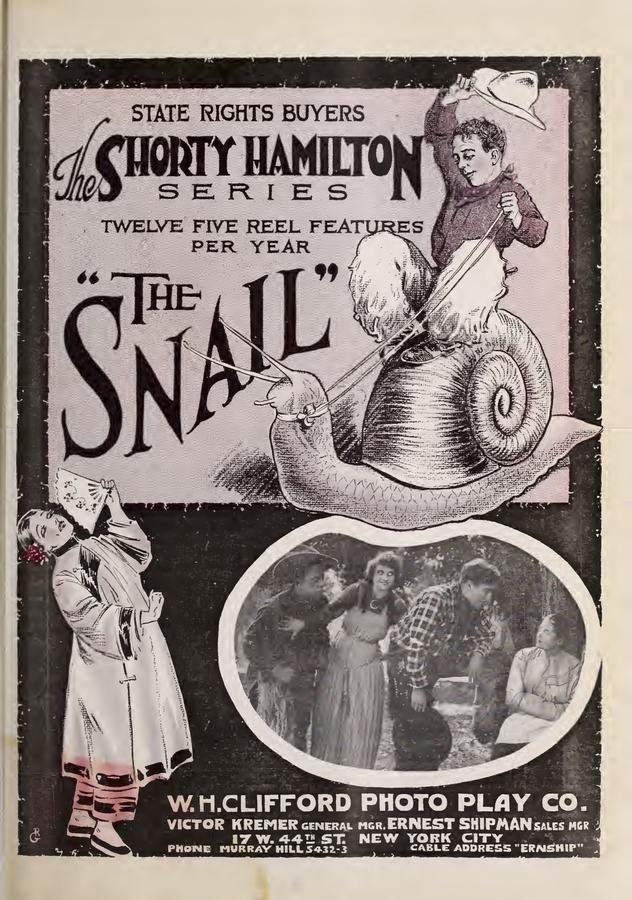
The film's central betrayal unfurls with a chilling precision. Upon finally locating his beloved, the young American, perhaps naively, seeks the assistance of this prominent figure, believing him to be an ally. Instead, he discovers a viper in the bosom: the prominent man attempts to have the Chinese girl deported, a cruel stratagem designed to remove her from the picture and clear the path for his preferred marital arrangement. This act of perfidy is particularly heinous, showcasing a character utterly devoid of moral compass, willing to use legal and social power to crush the hopes of others.
Yet, the narrative takes an even darker, more shocking turn. Before the deportation plot can be executed, a truth of staggering magnitude is revealed: the prominent American is not just an antagonist, but the Chinese girl's own father. Furthermore, he was the orchestrator of her initial captivity and transport across the ocean. This revelation transforms the villain from a mere social climber into a truly monstrous figure, a man who would sell his own flesh and blood into bondage for reasons left to the viewer's imagination, but likely tied to social standing, racial prejudice, or perhaps a perceived stain on his reputation. This twist elevates The Snail beyond a simple melodrama into a profound exploration of paternal betrayal, a theme rarely explored with such visceral impact in early cinema. It introduces a layer of psychological horror, challenging the audience's perceptions of familial bonds and moral integrity. The depth of this villainy rivals some of the more complex antagonists found in films dealing with hidden secrets and family shame, such as Das Geheimschloss or When False Tongues Speak.
Given the limited information on the film's production and the silent nature of the medium, judging directorial nuance can be challenging. However, the strength of The Snail undoubtedly lies in its intricate plot and the dramatic opportunities it affords its cast. Shorty Hamilton, known for his work in Westerns and adventure serials, likely brings a robust earnestness to the role of the devoted American lover. His character's journey from privileged youth to a determined seeker of justice would have required a range of expressions, from lovesick longing to desperate frustration and righteous anger. One can imagine him embodying the steadfast hero, a common archetype in films like The Daughter of the Don, driven by a singular, noble purpose.
Ethel Grey Terry, a prominent actress of the era, would have carried the immense emotional weight of the Chinese woman's plight. Her character endures not only separation and servitude but also the shocking revelation of her father's monstrous treachery. Such a role demands a nuanced performance, conveying vulnerability, resilience, and ultimately, the triumph of spirit. Silent film acting, with its reliance on exaggerated facial expressions and body language, would have been key to portraying such profound suffering and eventual solace. Her ordeal, a journey from a beloved partner to a commodity, then to a pawn in a larger scheme, is truly harrowing, reminiscent of the emotional travails faced by protagonists in highly dramatic narratives such as The Siren.

Thematic exploration in The Snail is rich and multilayered. Beyond the central romance, the film delves into the ugly realities of human trafficking and indentured servitude, albeit through a melodramatic lens. It touches upon racial prejudice and the challenges faced by immigrants in a new land, particularly those from non-European backgrounds. The prominent American's betrayal of his own daughter, rooted in what can only be described as a profound moral corruption, serves as a stark commentary on the dangers of unchecked power and social ambition. This character's moral bankruptcy is perhaps the most compelling aspect of the film, forcing audiences to confront the idea that evil can reside not just in shadowy figures, but in the very heart of the establishment.
The climax of the film sees the prominent man, his schemes unraveled and his reputation hanging by a thread, forced to concede. Under the threat of exposure for his heinous acts, he agrees to the marriage of the young American to his Chinese daughter. This resolution, while perhaps swift, delivers a satisfying sense of poetic justice. It restores the rightful order, affirming the power of true love and exposing the deceit of the powerful. Furthermore, his American daughter is also permitted to marry the poor cowboy she loves, an outcome that rectifies the initial attempts at forced matrimonial alliances and champions genuine affection over social standing. This secondary romance, though less central, reinforces the film's message that love, regardless of class, should ultimately prevail.
The film's ending, by ensuring that both couples find happiness and that the villain is brought to heel, aligns with the conventions of melodrama, providing a moral resolution that would have resonated deeply with audiences of the time. While modern viewers might find the swiftness of the villain's capitulation a tad convenient, it serves the narrative's purpose of delivering a clear triumph of good over evil. The moral clarity, while perhaps simplistic by today's standards, was a powerful tool in early cinema for conveying unambiguous messages about justice and integrity.
The Snail, in its intricate plotting and dramatic twists, stands as a fascinating example of early cinematic storytelling. It captures a moment in time when films were rapidly evolving, experimenting with complex narratives and pushing the boundaries of what could be depicted on screen. The portrayal of a Chinese secret society, while potentially stereotypical, also reflects a contemporary fascination with and anxieties about non-Western cultures and their integration into American society. This film, like many others of its period, navigates a complex cultural landscape, often through the lens of adventure and romance.
Comparing The Snail to other films of its time reveals its unique blend of elements. Unlike the straightforward narratives of adventure serials or the domestic dramas, it combines elements of international romance, social commentary on class and race, and a deeply personal story of familial betrayal. While it lacks the grand scale of some historical epics, its focus on individual struggles and moral quandaries gives it an intimate power. It’s a reminder that even in the nascent years of cinema, filmmakers were unafraid to tackle dark themes and explore the complexities of human nature, albeit often within the framework of a clear moral universe.
Ultimately, The Snail, despite its age and the limitations of its medium, offers a compelling narrative. Its intricate plot, featuring shocking betrayals, cross-cultural romance, and a determined pursuit of justice, makes it a significant piece of silent cinema. The film’s ability to weave together such disparate elements into a cohesive and emotionally resonant story speaks to the ingenuity of its creators. For those interested in the evolution of film and the rich tapestry of early 20th-century melodrama, The Snail is not merely a historical curiosity but a potent dramatic work that continues to intrigue and provoke thought, proving that even the slow, deliberate pace of a snail can cover immense emotional and narrative ground.
IMDb 2.6
1926
Community
Log in to comment.