DbcultAccessing Vault...
3.6/10
Senior Film Conservator
A definitive 3.6/10 rating for a film that redefined the boundaries of cult cinema. Be Honest remains a cornerstone of transgressive art.
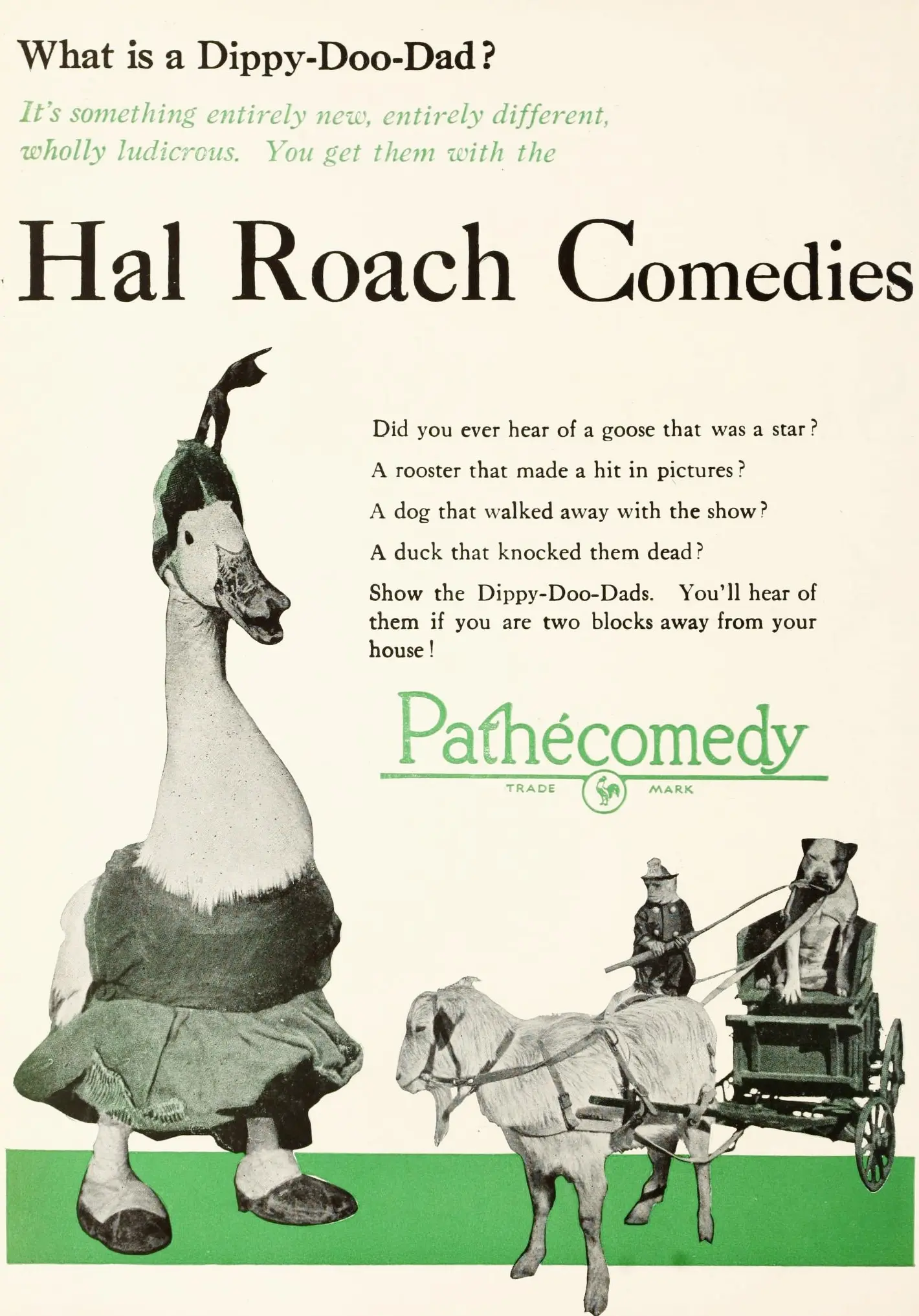
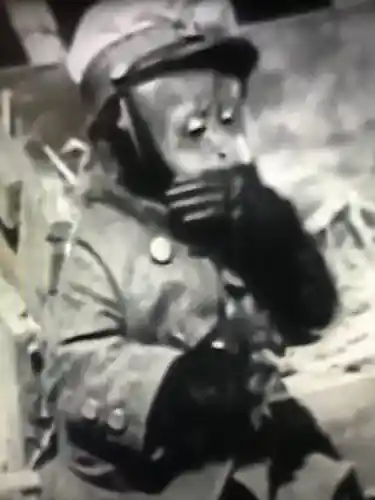
The opening tableau presents a bucolic farmyard, the kind of pastoral canvas that Hal Roach frequently used as a stage for chaos. A lone monkey, rendered with deft puppetry and swift physicality, slips between coops and pilfers eggs with the nonchalance of a seasoned thief. The camera lingers on the stolen shells, emphasizing the absurdity of a primate committing a poultry‑theft. The narrative thrust arrives with the introduction of a second monkey, portrayed by Len Powers, whose earnest eyes betray a moral compass that refuses to be swayed by the allure of easy loot. He is accompanied by a scrappy dog whose expressive bark and wagging tail become the film’s rhythmic backbone.
What follows is a cat‑and‑mouse (or rather, monkey‑and‑dog) chase that traverses the farm’s winding paths, the barn’s shadowy lofts, and the sun‑drenched cornfields. The pursuit is choreographed with a precision that belies the film’s modest budget; each pratfall is timed to the dog’s bark, each slip is countered by a comedic rebound, and the audience is invited to root for the underdog—literally—who seeks justice for the farmer’s ruined breakfast. The climax resolves in a comically tender moment where the rogue monkey, cornered and humbled, returns the eggs, prompting a brief, wordless reconciliation that underscores Roach’s belief in redemption through humor.
Len Powers, though better known for his later work in melodrama, demonstrates a surprising versatility here. His physical comedy is rooted in a kinetic awareness reminiscent of Buster Keaton’s dead‑pan stunts, yet he infuses his monkey with a gentle vulnerability that elevates the role beyond a mere caricature. The dog, an unnamed mutt, operates as a silent partner, its expressive eyes and timing of barks providing a counterpoint to Powers’ earnestness. The animal performances, coordinated by Roach’s seasoned animal wranglers, feel remarkably organic; the monkeys appear to act of their own volition, a testament to the director’s patience and the performers’ discipline.
Hal Roach’s direction is economical. He employs static wide shots to establish the farm’s geography, then cuts to medium close‑ups during moments of heightened tension. The use of intertitles is sparing, allowing the visual gag to carry the narrative weight. Roach’s signature is evident in the film’s pacing: each gag lands with a deliberate beat, and the final reconciliation is granted a lingering pause, inviting the audience to savor the moral payoff.
The cinematography, credited to an unnamed cameraman, embraces natural light, casting the farmyard in a warm, amber hue that complements the film’s comedic tone. Shadows are deep, providing contrast against the bright sky, while the occasional use of a sea‑blue filter (#0E7490) during night‑time sequences adds a surreal quality to the chase. The monochrome palette is punctuated by the occasional splash of colour in the title cards, a technique Roach occasionally employed to draw the viewer’s eye to crucial narrative beats.
The film’s set design is minimalistic yet effective. The coop’s slatted doors, the farmer’s weathered barn, and the rust‑stained fence all serve as functional props that anchor the absurdity in a recognizable reality. This grounding allows the audience to suspend disbelief and fully engage with the animal protagonists’ moral dilemma.
Beyond its surface-level slapstick, "Be Honest" subtly interrogates the ethics of survival versus honesty. The rogue monkey’s theft can be read as a commentary on the desperation that drives individuals to compromise integrity, while the earnest monkey’s pursuit embodies the societal pressure to uphold communal standards. The dog’s unwavering loyalty serves as a reminder that moral guidance often comes from unexpected allies.
In the broader context of Roach’s oeuvre, the film echoes the moral simplicity found in contemporaneous shorts such as The Last of the Duanes and Getting Mary Married, yet it distinguishes itself through its animal-centric narrative, a rarity in the silent era.
When juxtaposed with other 1920 productions like The Terror or Ship Ahoy, "Be Honest" stands out for its light‑hearted approach to a moral quandary. While the former films delve into suspense and adventure, Roach opts for a gentle, comedic resolution that reflects the era’s appetite for feel‑good entertainment after the hardships of World War I.
The film also prefigures later animal‑centric comedies, such as the 1930s “Our Gang” shorts, where children and animals collaborate in mischief. In this sense, "Be Honest" can be viewed as a proto‑template for the genre, influencing narrative structures that pair human‑like animal protagonists with moral lessons.
Though "Be Honest" did not achieve the box‑office heights of Roach’s later collaborations with Laurel and Hardy, its preservation in several archives attests to its enduring appeal. Film scholars cite its concise storytelling and innovative use of animal actors as early examples of visual comedy that rely less on dialogue and more on kinetic expression.
The film’s modest runtime—approximately twelve minutes—makes it a perfect study piece for students of silent cinema, illustrating how narrative economy can coexist with thematic depth. Its influence is detectable in later works such as The Woman of Mystery, where animal symbolism underscores human intrigue.
Contemporary audiences, accustomed to CGI‑laden animal protagonists, may find the hand‑crafted puppetry charmingly nostalgic. The film’s humor translates across generations because it relies on universal physical comedy rather than period‑specific references. Moreover, its core message—honesty triumphs over opportunistic theft—remains resonant in today’s climate of rapid information exchange and ethical ambiguity.
Streaming platforms that specialize in classic cinema have reported a modest uptick in viewership for "Be Honest" after its inclusion in curated silent‑film collections. Viewer comments frequently highlight the film’s “sweetness” and “unexpected emotional punch,” indicating that its affective impact endures despite the passage of a century.
"Be Honest" is a compact masterclass in silent‑era storytelling, marrying slapstick choreography with a moral compass that points unerringly toward redemption. Hal Roach’s direction, Len Powers’ earnest performance, and the dog’s impeccable timing coalesce into a work that feels both of its time and timeless. For scholars, cinephiles, and casual viewers alike, the film offers a delightful glimpse into the early mechanics of animal comedy, a genre that would later blossom into full‑blown cinematic institutions.
IMDb 6
1929
Community
Log in to comment.