DbcultAccessing Vault...
Cult Review
Senior Film Conservator
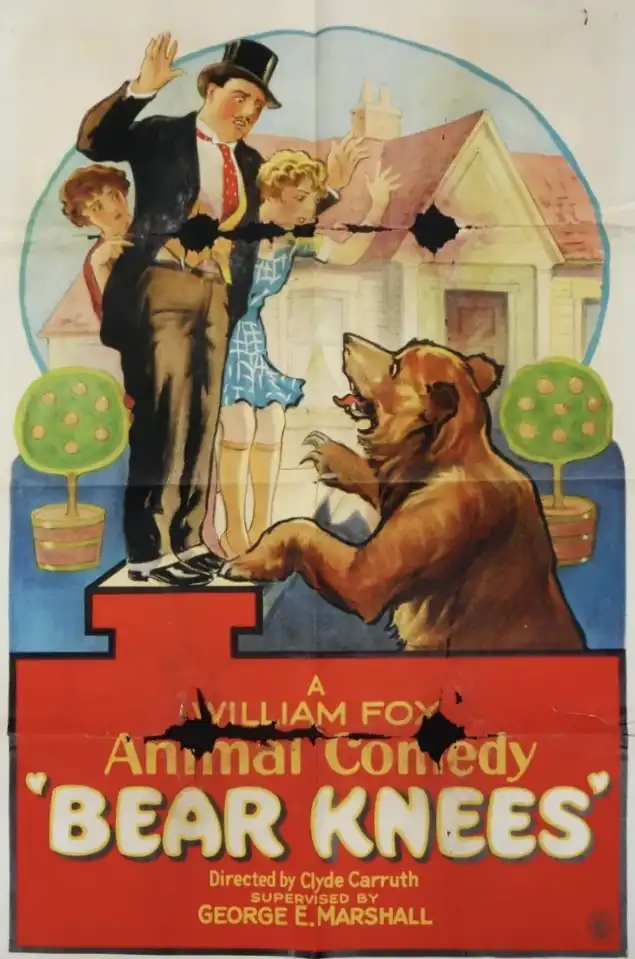
Bear Knees is one of those films you probably stumble upon late at night, half-expecting a forgotten gem, half-dreading a total slog. For the right kind of viewer – someone with a deep affection for early cinema's quirks, who finds charm in the truly bizarre rather than polished storytelling – it's absolutely worth a look. If you need tight plotting, modern sensibilities, or even consistently competent acting, you'll likely find it a tedious, baffling experience.
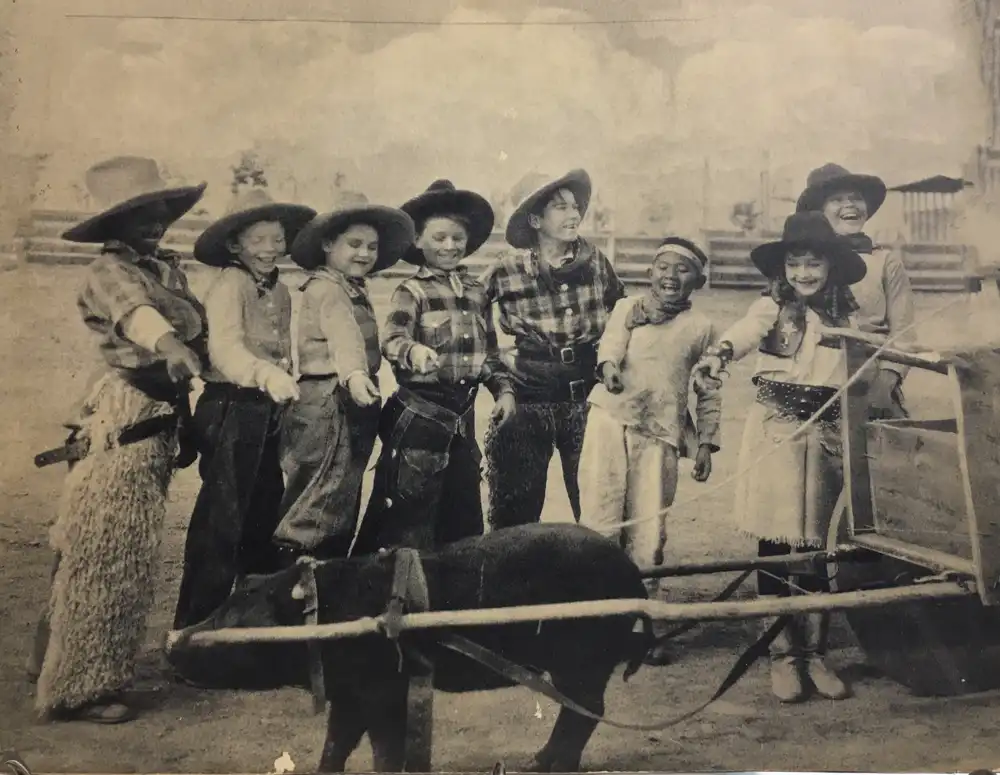
The film opens with Richard Carruth, playing some hapless fellow named Bartholomew, trying to fix a leaky faucet. This isn't a metaphor for anything, it's just a long, long scene of him wrestling with pipes. His face here, a sort of perpetually bewildered pout, really sets the stage. You can tell he’s committed, but also maybe not entirely sure what he’s supposed to be doing. The faucet eventually bursts, drenching him, and the camera just holds on his soaked, defeated form for a good five seconds too long. It’s not funny, not sad, just… wet.
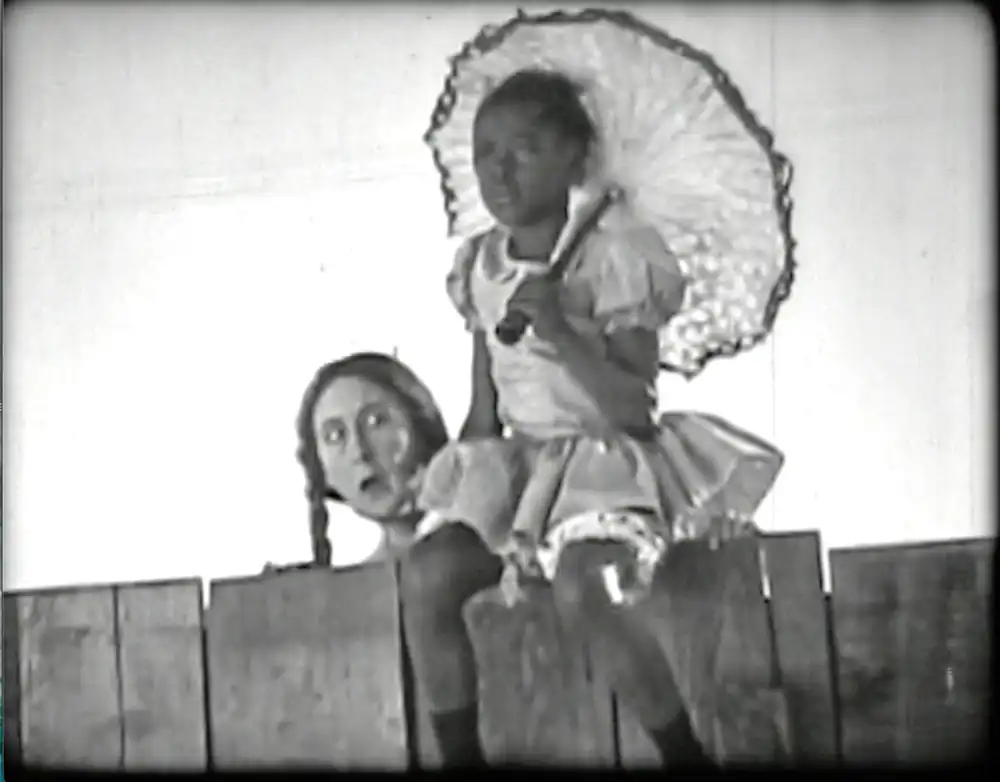
Then the bear shows up. Now, this isn't a particularly convincing bear. It's clearly a person in a very shaggy, slightly misshapen costume, and the way it shuffles rather than walks is a dead giveaway. But the film leans into it. The bear, which Bartholomew somehow manages to "adopt" after a truly inexplicable chase through a small-town market (where the extras look genuinely confused, not acting confused), becomes his companion. Bob Finlayson, as the perpetually annoyed neighbor, gets some great reaction shots here. His eyebrows alone deserve a separate credit.
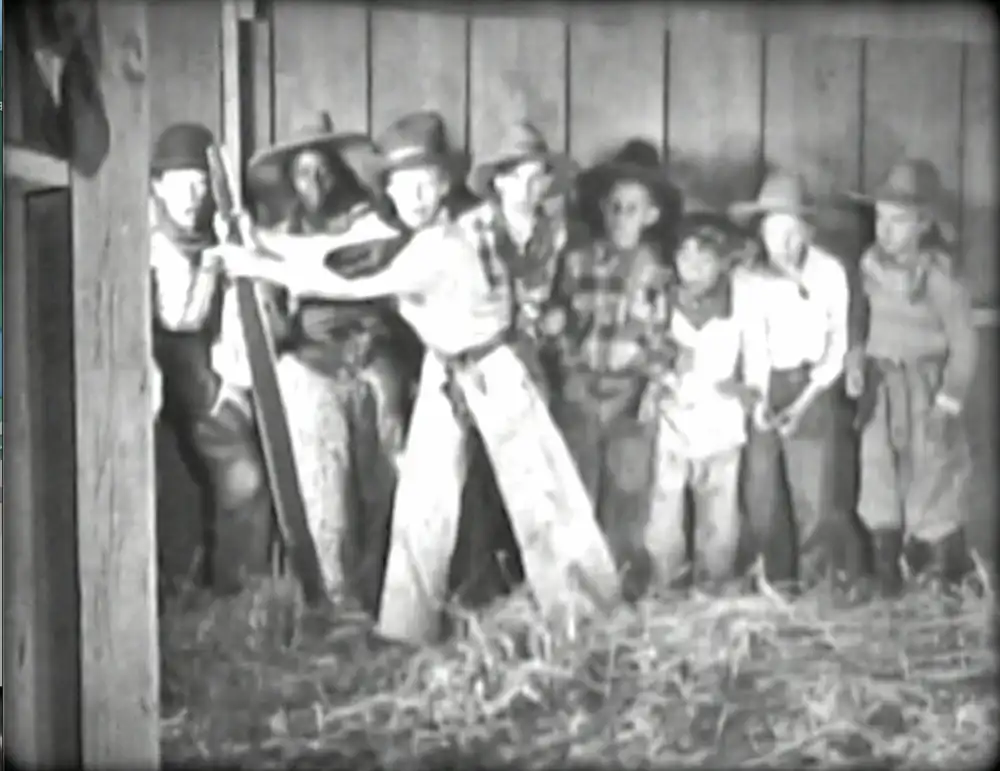
There's a scene where Bartholomew is trying to teach the bear to sit at a table for dinner. It's supposed to be endearing, I guess. The bear costume actor just kind of flops into the chair. The shot lingers on this for a while, and the silence in the room (I'm assuming early sound, with minimal score) becomes less charming and more like everyone on set is waiting for someone to yell "cut." Annabelle Magnus, as Bartholomew's long-suffering wife, just sighs. A very real, very audible sigh. It’s probably the most authentic moment in the whole film.
The town itself feels a bit off. The main street, where the aforementioned bear chase happens, looks like it was dressed for about half a day and then everyone gave up. There are these two storefronts, one selling "Fancy Goods" and the other "Farm Implements," right next to each other, which feels like a very specific, slightly jarring choice. And in the background of a few shots, you can see what looks like a modern car from the late 20s or early 30s, parked just a little too casually for the supposed turn-of-the-century setting the rest of the film hints at. A small detail, but it pulls you right out.
The dynamic between Carruth and Magnus is interesting. It’s not really chemistry in the romantic sense, more like two people who have been dealing with each other’s nonsense for decades. When she asks him, "Bartholomew, what exactly do you think you're doing with that... animal?" the delivery is so flat, so resigned, it’s almost poetic. And his response, a mumbled "He needs a home, dear," is just as perfectly inadequate. It’s not witty dialogue, but it feels like real, tired conversation.
The film takes a strange turn when a local hunter (played by Bud Jamison, all bluster and a comically oversized rifle) decides the bear is a menace. Suddenly, it’s a chase, but with a weirdly serious undertone. The music, which up until this point has been mostly jaunty, becomes quite dramatic. It’s hard to tell if we’re supposed to genuinely fear for the bear, or if it’s just another setup for slapstick. Then the bear trips the hunter with a well-placed paw, and he tumbles into a barrel of apples. The sudden return to absurdity is jarring but also, somehow, a relief.
There’s a shot, brief but memorable, of the bear looking directly into the camera during the barrel scene. Just for a second. It's not a knowing look, more like the person in the suit forgot where they were for a moment. Or maybe they were just hot. You never know with these old costumes. Allen Chan, as the town’s perpetually confused sheriff, has this running gag where he keeps losing his hat. It stops being funny after the third time, but he keeps doing it. Every single time.
So, is Bear Knees a masterpiece? Absolutely not. Is it a coherent narrative? Barely. But there’s something undeniably captivating about its sheer earnestness and its complete disregard for conventional filmmaking. You watch it and you think, "Someone really made this. Someone really believed in this bear." It’s a time capsule of a certain kind of cinematic innocence, where the spectacle was often in the attempt itself. It drags, it confuses, it delights in equal measure. You won't remember the plot, but you'll remember the bear trying to eat a biscuit at the dinner table. And Annabelle Magnus's sigh. Definitely that sigh.

IMDb —
1920
Community
Log in to comment.