DbcultAccessing Vault...
7.9/10
Senior Film Conservator
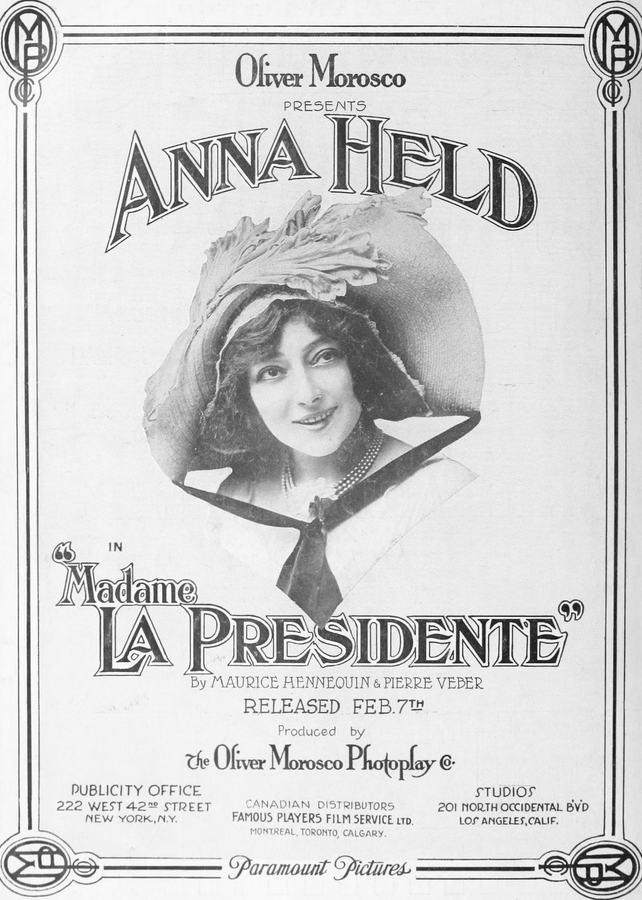
A definitive 7.9/10 rating for a film that redefined the boundaries of cult cinema. Madame la Presidente remains a cornerstone of transgressive art.
Ah, the delightful labyrinth of French farce! There's a certain je ne sais quoi to the Gallic comedic tradition, a particular effervescence that transcends mere slapstick, elevating mistaken identities and amorous entanglements into an art form. Madame la Presidente, a cinematic gem from an era when the silent screen was truly finding its voice, is a quintessential example of this very spirit. Released when cinema was still largely an emerging novelty, this film, adapted from a wildly popular stage play, offers a fascinating window into the societal anxieties and humorous hypocrisies of its time, all wrapped up in a package of charming chaos. It's not merely a historical curiosity; it's a vibrant, often hilarious, exploration of human foibles that continues to resonate with its underlying wit and surprisingly sharp social commentary.
At its heart, Madame la Presidente is a meticulously crafted clockwork of comedic mishaps, set in motion by the seemingly innocuous pleasures of three rather distinguished, yet entirely human, French judges. These aren't the stoic, unyielding figures of justice one might imagine; no, these are men with a taste for life's lighter side, prone to the occasional game of whist and, perhaps more dangerously, a penchant for charming company. Their primary objective, beyond their judicial duties, appears to be maintaining the good graces of their superior, the formidable Judge Galipaux, a man whose life is already sufficiently complicated by the ambitions of his own formidable wife. The judges' strategy? To strategically, and subtly, lose a game of cards here and there, a small offering at the altar of professional advancement. It's a delightful setup, hinting at the subtle corruption and social maneuvering that often underpins even the most rigid institutions.
The true catalyst for the ensuing pandemonium, however, arrives in the captivating form of Mlle. Gobette, a leading lady of the theatrical stage whose allure proves too potent for our judicial trio to resist. An ill-advised escapade with this enchanting actress catapults the judges from their comfortable complacency directly onto the unforgiving carpet of a severe reprimand. This initial scandal, leading to Mlle. Gobette's unceremonious eviction from her lodgings, serves as the first domino in a chain reaction of comedic events. Here, the film begins to truly shine, showcasing how a minor transgression can balloon into an epic struggle for reputation and social standing. The writers—Jose G. Levy, Elliott J. Clawson, Pierre Veber, and Maurice Hennequin—demonstrate a masterful understanding of how to escalate a simple premise into a multi-layered comedic narrative, a skill that would make even the most seasoned modern screenwriter nod in appreciation.
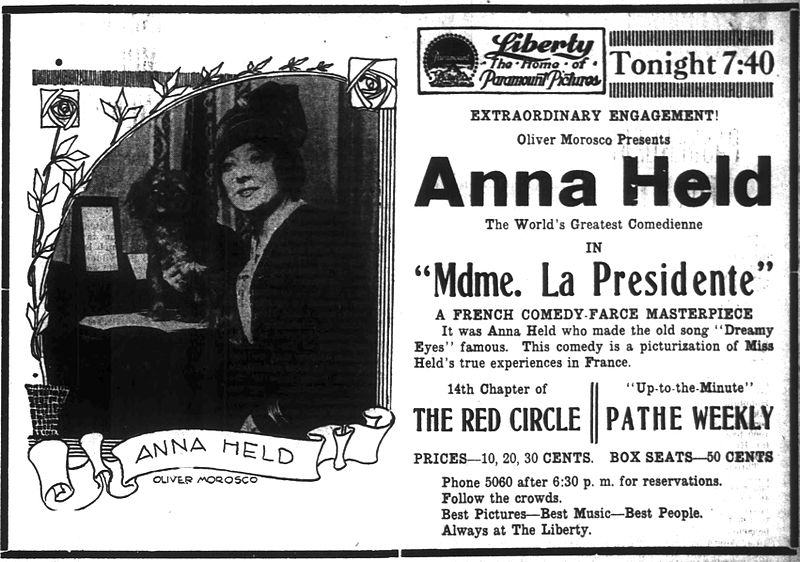
It is in the crucible of their collective predicament that one of the judges, struck by a flash of desperate inspiration, concocts a plan as audacious as it is improbable. This is where the narrative truly pivots, embracing the classic trope of mistaken identity with a vigor that is both timeless and endlessly entertaining. The stage is set for a night of unparalleled confusion: Judge Galipaux, having just seen his ambitious wife off on a train to Paris, returns to his seemingly quiet abode only to discover it occupied by a stranger of undeniable beauty and equally undeniable resolve. Mlle. Gobette, the very actress whose presence caused the initial scandal, now utterly refuses to vacate his premises. The sheer audacity of this move, coupled with Gobette's unwavering commitment to the charade, immediately establishes her as the true force of nature in this narrative.
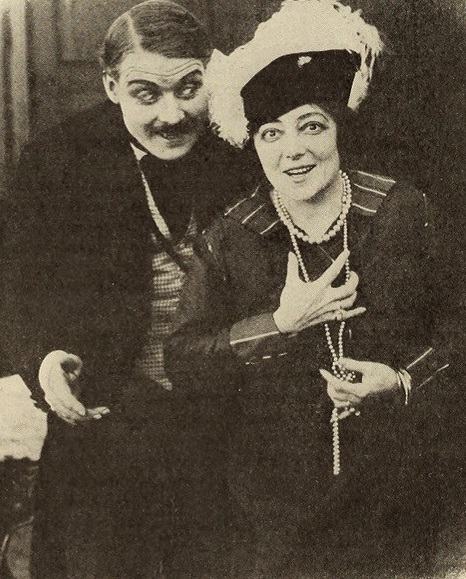
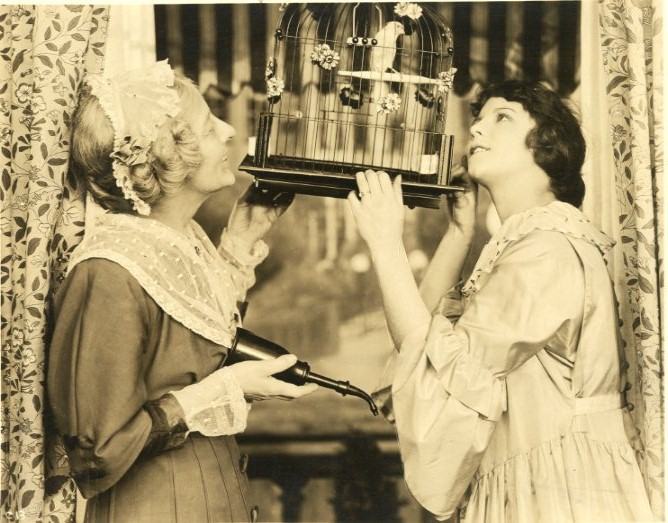
The arrival of M. Gaudet, the handsome and impeccably upright Minister of Justice, elevates the farce to dizzying new heights. Gaudet, utterly captivated by Gobette's charm and beauty, readily believes her to be the demure Mme. Galipaux. This central misunderstanding forms the comedic backbone of the film, allowing for a delightful exploration of social perception versus reality. Anna Held, as Mlle. Gobette, delivers a performance that is nothing short of magnetic. Her ability to embody both the spirited actress and the seemingly respectable magistrate's wife is a testament to her comedic timing and stage presence, even in the silent era. Forrest Stanley, portraying M. Gaudet, complements her perfectly, his earnestness providing the ideal foil to Gobette's mischievous deception. Their chemistry, though unspoken in a silent film, crackles with an undeniable energy that drives much of the film's appeal.
The deception, far from being confined to a provincial drawing-room, soon escalates to the grand stage of Parisian politics. Gobette, still masquerading as Mme. Galipaux, travels to the capital to call upon the smitten Minister Gaudet. This geographical shift amplifies the stakes, moving the intimate farce into the public sphere, where reputations are made and broken with ruthless efficiency. The film cleverly uses the backdrop of officialdom to heighten the comedic tension, illustrating how easily appearances can be manipulated within the very halls of power.
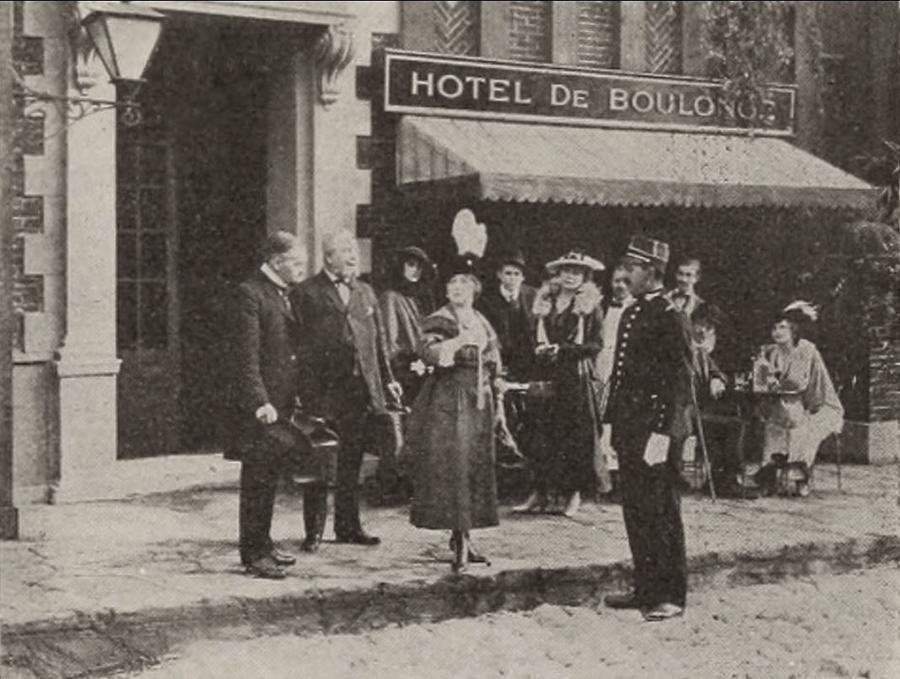
It is here that Marius, the shrewd head usher, enters the fray, scenting a potential scandal that could either ruin careers or, perhaps, provide him with a moment of personal triumph. His decision to lay a trap for Mlle. Gobette, believing her to be an imposter, adds another layer of suspense and comedic inevitability. The moment the trap is sprung, when Gobette calls upon the Minister, is a masterclass in silent film pacing, building anticipation through subtle gestures and heightened expressions. The ensuing chaos, as events crowd quickly upon the beleaguered Gaudet, is a testament to the film's well-structured narrative, reminiscent of the intricate plots found in contemporary stage farces like those by Georges Feydeau. One might draw a parallel to the intricate, character-driven comedic mechanisms seen in films like Snobs, which similarly explores social class and pretension through a comedic lens, albeit with a distinctly American flavor.
The cast of Madame la Presidente, though operating within the confines of silent cinema, delivers performances that are remarkably expressive and full of life. Anna Held, a stage legend known for her vivacious personality, translates her theatrical charisma effortlessly to the screen. Her Gobette is not merely a pretty face; she is intelligent, resourceful, and possesses a mischievous glint in her eye that makes her a truly compelling protagonist. It's easy to see why both the judges and the Minister fall under her spell. Her performance embodies the spirit of the 'femme fatale' but with a comedic twist, less about destruction and more about delightful disruption.
Forrest Stanley, as M. Gaudet, is equally commendable. He portrays the Minister of Justice with a charming blend of uprightness and susceptibility. His reactions to Gobette's machinations are priceless, conveying a man genuinely smitten and increasingly bewildered by the rapid succession of bizarre events. His struggle to maintain his dignity amidst the escalating absurdities forms a significant part of the film's humor. Howard Davies, as Judge Galipaux, brings a wonderfully flustered energy to his role, embodying the quintessential man caught in a web of his own making, further complicated by the machinations of others. The ensemble cast, including Page Peters, Frank A. Bonn, Helen Jerome Eddy, Lydia Yeamans Titus, Herbert Standing, Robert Newcomb, Liane Held Carrera, and Richard L'Estrange, all contribute to the film's vibrant tapestry, each actor playing their part in the grand comedic symphony with precision and gusto. Their collective efforts demonstrate the collaborative artistry required to bring a silent film to life, where every gesture, every facial expression, carries immense narrative weight.
The direction, while not attributed in the provided information, clearly understands the mechanics of comedic timing specific to the silent era. The pacing is brisk, allowing the narrative to build momentum as one complication leads inevitably to the next. Intertitles are used judiciously, providing necessary exposition without bogging down the visual storytelling. The film relies heavily on visual gags, exaggerated reactions, and the inherent humor of its characters' predicaments, all hallmarks of successful silent comedies. There's a certain theatricality to the blocking and performance, a direct lineage from its stage origins, which is perfectly suited to the medium. This film, like many of its contemporaries such as The Warrens of Virginia or Dr. Rameau, showcases the foundational techniques that would evolve into the sophisticated cinematic language we recognize today, demonstrating a clear understanding of how to engage an audience without spoken dialogue.
The visual composition, though perhaps not as groundbreaking as some avant-garde works of the period like Drama v kabare futuristov No. 13, is nonetheless effective in conveying the film's tone and advancing the plot. Camera angles are generally straightforward, focusing on clarity and the expressive faces of the actors. The sets, while modest by today's standards, effectively evoke the interiors of French bourgeois homes and government offices, grounding the fantastical plot in a believable, if slightly exaggerated, reality. It’s a testament to the early filmmakers' ability to conjure worlds with limited resources, relying instead on the power of performance and narrative ingenuity.
While Madame la Presidente is undeniably a comedy, it also offers subtle, yet potent, social commentary. The film playfully satirizes the hypocrisy of the judiciary, the superficiality of social standing, and the often-fragile nature of reputation. The judges, supposedly paragons of virtue, are revealed to be susceptible to the same temptations and weaknesses as anyone else. Judge Galipaux's ambitious wife highlights the societal pressures placed upon women of the era to climb the social ladder through their husbands, while Gobette's ability to manipulate these expectations through sheer wit and charm offers a subversive counter-narrative. The film implicitly critiques a system where appearances often trump reality, and where a beautiful, clever woman can upend the established order with a few well-placed lies. This thematic depth elevates it beyond mere escapism, providing a comedic lens through which to examine societal norms.
The theme of mistaken identity, a cornerstone of farce, is explored with particular finesse. It's not just a plot device; it's a commentary on how readily people believe what they *want* to believe, especially when influenced by beauty or social status. Gaudet's infatuation blinds him to the obvious discrepancies, illustrating how personal desires can cloud professional judgment. This universal theme ensures the film's continued relevance, as the human tendency to project desired qualities onto others remains a constant. The film also touches upon the power dynamics between men and women in a patriarchal society, subtly suggesting that wit and cunning can be potent weapons against entrenched power structures.
Despite the mounting perplexities and the ever-present threat of exposure, M. Gaudet, through a combination of his own innate integrity and perhaps a touch of dumb luck, remains undaunted. His journey through this comedic gauntlet is one of endearing resilience. He navigates the social labyrinth with an admirable, if at times bewildered, composure, ultimately emerging triumphant. This resolution, while perhaps a touch convenient, aligns perfectly with the spirit of farce, where order is eventually restored, but not before a thorough, humorous shaking-up of the established norms.
Madame la Presidente stands as a delightful testament to the enduring power of classic French farce, skillfully translated to the nascent art form of cinema. It’s a film that, despite its age and silent format, manages to elicit genuine laughter and admiration for its clever plotting and spirited performances. For anyone interested in the evolution of comedic cinema, or simply in need of a good, old-fashioned laugh, this film is an absolute must-see. It's a vivid reminder that even in the absence of spoken dialogue, a compelling story, well-drawn characters, and impeccable comedic timing can create a truly memorable and impactful cinematic experience. Its charm is as undeniable as the wit of Mlle. Gobette herself, proving that some stories, and some laughs, are truly timeless. The film offers a lighthearted yet insightful glimpse into human nature, reminding us that even the most esteemed individuals are susceptible to the allure of gaiety and the complications that inevitably follow. It’s a joyful, intricate dance of deception and discovery, leaving the viewer with a smile and a renewed appreciation for the enduring magic of early cinema.
IMDb —
1917
Community
Log in to comment.