DbcultAccessing Vault...
Cult Review
Senior Film Conservator
In the thrilling world of early cinematic serials, Beatrice Fairfax carved out a significant niche, captivating audiences with its weekly installments of suspense, moral quandaries, and daring investigations. Episode 7, aptly titled A Name for a Baby, stands as a particularly potent example of the series' ability to weave complex social commentary into a tightly plotted melodrama. This chapter plunges us into the heart of a scandal that, even a century later, resonates with poignant familiarity: the plight of an unmarried mother and the duplicity of a powerful man. It’s a narrative that speaks volumes about societal expectations, the nascent stirrings of female agency, and the lengths to which individuals will go, both to conceal and to reveal, uncomfortable truths.
The episode opens with an immediate jolt of human desperation. Madge Minturn, a young woman caught in the unforgiving crosscurrents of societal judgment, dispatches a heart-wrenching plea to Beatrice Fairfax. Her infant son, nameless and unacknowledged, faces a future shrouded in illegitimacy, while his father, a prominent lawyer, prepares to embark on a socially advantageous marriage the very next day. This scenario, a classic trope of early 20th-century drama, immediately establishes the high stakes and the moral urgency that define Beatrice's mission. The silent film era, often dismissed for its lack of dialogue, excelled at conveying raw emotion through visual storytelling, and here, Madge's predicament is painted with stark, evocative strokes, her vulnerability palpable even without spoken words. The very title, A Name for a Baby, underscores the profound significance of identity and legitimacy in an era where social standing dictated so much of one's destiny.
Enter Beatrice Fairfax, portrayed with compelling resolve by Grace Darling, and her intrepid associate, Jimmy Barton (Harry Fox). Their dynamic is the engine of the series, a blend of journalistic tenacity and amateur detective work. Jimmy, with a flash of intuitive brilliance, immediately suspects James Conley (Robin H. Townley), the very society man and lawyer slated to marry Margaret Payne (Mary Cranston). His method of investigation is a masterclass in subtlety: a feigned political interview at Conley's law office, punctuated by a seemingly casual mention of Madge Minturn. The film expertly captures Conley's internal turmoil through his physical reactions – a subtle flinch, a sudden confusion, a momentary break in his polished demeanor. These are the silent cues that speak volumes, confirming Jimmy's suspicions and setting the stage for the unfolding drama. It reminds one of the intricate character studies in films like The Disciple, where moral failings are often etched onto the faces of the performers.
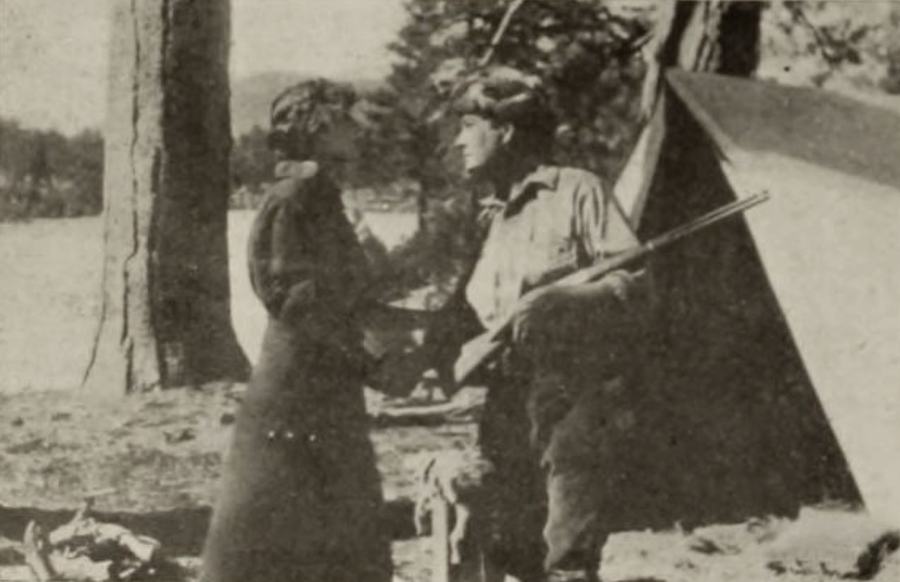
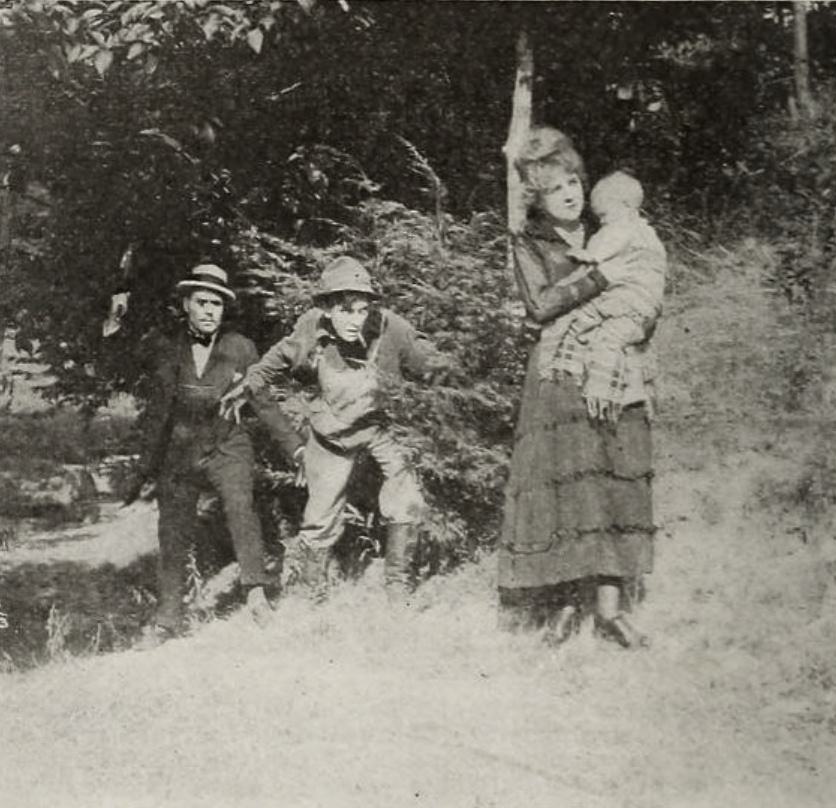
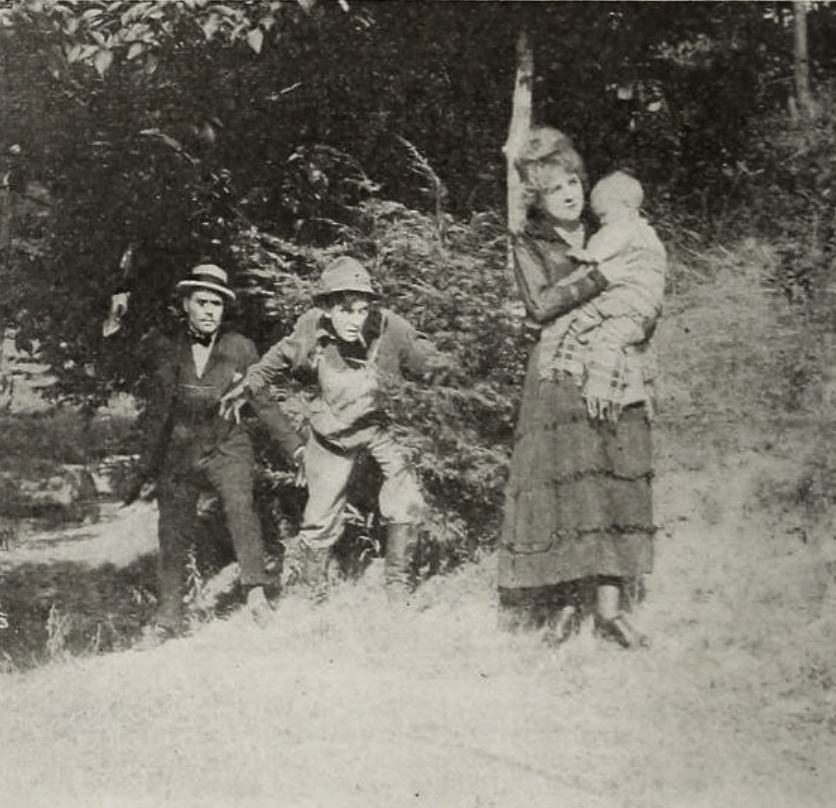
Beatrice, ever the empathetic listener, then seeks out Madge, allowing her to articulate her story of betrayal and abandonment. This act of listening, of validating Madge's experience, is a quiet but powerful statement on Beatrice's character. Meanwhile, Conley's father, acutely aware of the potential for scandal to tarnish their family's impeccable reputation, advises his son to resort to the age-old solution: money. This is a stark portrayal of the privilege and power dynamics at play, where social standing often trumped moral obligation. Conley's subsequent clandestine meeting with Madge in the woods, baby in tow, is a scene steeped in dramatic irony. His offer of mere lucre to silence her, to erase his paternity with a handful of cash, is met with Madge's fervent scorn. Her rejection of his money is a powerful act of defiance, asserting her dignity against his callous indifference. It's a moment that elevates Madge from a mere victim to a woman of principle, much like the resilient figures often seen battling adversity in features such as A Child of the Prairie.
The narrative then takes a chilling turn into darker, more melodramatic territory with the introduction of a lurking tramp. This opportunistic figure, witnessing Conley's retreat and Madge's vulnerability, becomes an instrument of Conley's escalating desperation. A sinister pact is forged: Conley, blinded by his desire to preserve his social standing, commissions the tramp to abduct Madge and the baby, coercing her into marriage. This bizarre and morally reprehensible scheme highlights the depths of Conley's depravity and the social pressures that could drive individuals to such extreme measures. The silent era often leveraged such villainous archetypes to heighten tension, and Allan Murnane's portrayal of the tramp, even through exaggerated gestures, effectively conveys his menacing intent. The sudden shift from domestic drama to outright abduction injects a raw, visceral suspense that keeps the audience on edge.
The tramp seizes his moment of opportunity when Madge, momentarily distracted, places her baby on the grass to fetch water. The swift, silent abduction of the infant to an abandoned hut is a sequence designed for maximum impact, eliciting immediate fear and sympathy for Madge. Her frantic pursuit, her desperate attempts to gain entrance to the hut, and her eventual overpowering and binding within, are all expertly choreographed to build suspense. The baby is then hidden in a nearby barn, adding another layer of terror, as the tramp delivers his chilling ultimatum: marry him or the child perishes. Madge's struggles, her futile attempts to break free, are a testament to the power of silent acting, conveying her utter despair and determination without a single spoken word. The scene is a masterclass in early cinematic tension, reminiscent of the nail-biting suspense found in films like The Mysterious Mrs. Musslewhite, where peril lurks around every corner.
Concurrently, Beatrice is not idle. Armed with the damning truth, she confronts Margaret Payne. What follows is a pivotal moment that defies easy categorization. Margaret, rather than reacting with predictable outrage or heartbroken retreat, demonstrates a remarkable strength of character and moral fortitude. Her decision to aid Madge, the woman her fiancé has wronged, is a powerful subversion of traditional female roles in melodrama. It transforms her from a mere romantic interest into an active agent of justice, aligning herself with Beatrice's progressive ideals. This unexpected alliance is a refreshing departure from typical silent film narratives, where women were often depicted as passive figures. It hints at a budding sense of female solidarity and a challenge to patriarchal norms, a theme that perhaps subtly echoes the independent spirit explored in Nan of Music Mountain.
The race against time then intensifies. Beatrice and Jimmy, tracing Madge's disappearance, follow her trail to the woods, arriving at the deserted cabin just as Madge's desperate struggle reaches its zenith. The ensuing battle between Jimmy and the tramp is a classic silent film action sequence, characterized by physical exertion and dramatic close-ups. Jimmy's heroism in overpowering the villain, Madge's liberation, and the joyful recovery of her baby provide a much-needed catharsis. This sequence, while adhering to the conventions of the serial format, is executed with a brisk pace that maintains the episode's high-octane energy. It underscores the recurring theme of good triumphing over evil, a narrative satisfaction that was crucial for weekly audiences.
However, the true brilliance of A Name for a Baby lies in its audacious climax. The following day, at the opulent Payne home, everything is prepared for the wedding of Conley and Margaret. The scene is set for a conventional resolution, but the series has one more ingenious twist up its sleeve. As Conley lifts his bride's veil for the customary kiss, he is met not with Margaret's face, but with Madge's. This breathtaking substitution, meticulously orchestrated by Margaret, is a stroke of narrative genius. It's a moment of pure cinematic delight, a subversion of expectation that delivers both justice and dramatic surprise. Conley's indignant cries of an illegal union, based on his license naming Margaret, are swiftly and cleverly countered by Beatrice and Jimmy. Anticipating precisely such a legalistic objection, they had already secured a second, valid marriage license bearing Madge's name. This foresight elevates Beatrice and Jimmy from mere investigators to proactive architects of justice, ensuring the legal and moral rectitude of the outcome. The complexity of this plot twist, though silent, speaks volumes, rivaling the intricate narrative constructions of something like The Little Liar in its cleverness.
The final scene offers a satisfying, if somewhat swift, resolution. With Beatrice presenting the baby and Madge radiant in her wedding dress, Conley is confronted with the undeniable reality of his new situation. The film subtly suggests a moment of transformation, as Conley, seeing Madge in a new light – beautiful and now legally bound to him – finally capitulates, accepting her as his wife and acknowledging his child. This ending, while perhaps a touch too convenient for modern sensibilities, delivered the moral satisfaction that audiences of the era craved. It underscored the idea that even the most morally bankrupt individuals could be brought to account, and that justice, however convoluted its path, would ultimately prevail. The film, in its own way, offers a form of redemption, albeit one forced upon the reluctant groom. It’s a testament to the power of serial storytelling to deliver both suspense and moral instruction.
From a technical standpoint, Beatrice Fairfax Episode 7 exemplifies the strengths of early silent cinema. The performances, particularly by Grace Darling as the titular detective and Mary Cranston as the surprisingly resourceful Margaret, are nuanced, conveying complex emotions through facial expressions and body language. Harry Fox brings a robust energy to Jimmy Barton, making him a dynamic foil for Beatrice. The pacing is relentless, moving from desperate plea to investigation, abduction, rescue, and finally, the audacious wedding twist without a wasted frame. The use of intertitles is efficient, providing just enough information to propel the narrative without bogging down the visual flow. While modern audiences might find some of the dramatic conventions overly theatrical, it's crucial to appreciate these films within their historical context. They were pioneers, establishing the very grammar of cinematic storytelling that we take for granted today. The visual storytelling, relying on expressive acting and clear narrative progression, allowed for universal understanding, regardless of language barriers, a characteristic shared with global productions like Pratas Conquistador.
The themes explored in A Name for a Baby are remarkably enduring. The responsibility of fathers, the agency of women in the face of societal pressure, and the pursuit of justice against powerful adversaries are all handled with a surprising degree of sophistication for a weekly serial. Beatrice Fairfax herself is a fascinating proto-feminist figure, an intelligent, independent woman who uses her wits to right wrongs, challenging the passive female archetypes prevalent in much of early cinema. Her character, alongside Margaret's unexpected courage, offers a glimpse into evolving gender roles and the burgeoning desire for female empowerment. The dramatic stakes here are arguably as high as in a morality play like The Disciple, where choices have profound, life-altering consequences.
In conclusion, Beatrice Fairfax Episode 7: A Name for a Baby is far more than a simple silent film serial installment. It's a vibrant piece of cinematic history, offering a compelling blend of melodrama, detective work, and social commentary. It showcases the strengths of its era's filmmaking – expressive performances, taut pacing, and ingenious plot twists – while tackling themes that remain relevant. For anyone interested in the evolution of narrative film, the development of the serial format, or simply a gripping story of justice served, this episode is a captivating watch. It reminds us that even in the absence of spoken dialogue, the power of visual storytelling to evoke emotion, challenge norms, and deliver satisfying resolutions was, and remains, profoundly effective. Its legacy, alongside other impactful serials, continues to inform and inspire, proving that a compelling narrative, regardless of its technological constraints, will always find its audience.
Community
Log in to comment.