DbcultAccessing Vault...
7.4/10
Senior Film Conservator
A definitive 7.4/10 rating for a film that redefined the boundaries of cult cinema. The First Men in the Moon remains a cornerstone of transgressive art.
In the nascent days of cinema, when the medium itself was still grappling with its narrative potential, certain films dared to dream beyond the confines of terrestrial reality. Among these audacious early ventures stands 'The First Men in the Moon,' an adaptation of H.G. Wells’ seminal science fiction novel. This cinematic artifact, a product of an era where the very idea of space travel was confined to the wildest reaches of imagination, presents a fascinating confluence of scientific aspiration, human ingenuity, and the darker currents of greed. It's a film that, despite its vintage, resonates with an enduring power, offering a glimpse into the anxieties and excitements of a world on the cusp of unprecedented technological and social change.
The narrative, penned by Byron Webber with the foundational genius of H.G. Wells, plunges us into the world of Professor Cavor, a character epitomizing the archetypal eccentric inventor. Cavor, brought to life with a compelling blend of intellectual fervor and detached impracticality by Lionel d'Aragon, is the architect of 'Cavorite'—a substance that defies gravity. This extraordinary invention isn't merely a plot device; it's a conceptual leap, challenging the very fabric of understood physics and opening the door to the cosmos. His ambition is not fueled by avarice or conquest, but by an insatiable curiosity, a pure scientific drive to explore the unknown. This distinguishes him sharply from the other key player in this cosmic drama: the unscrupulous financier, whose motivations are rooted firmly in the terrestrial mire of profit and control.
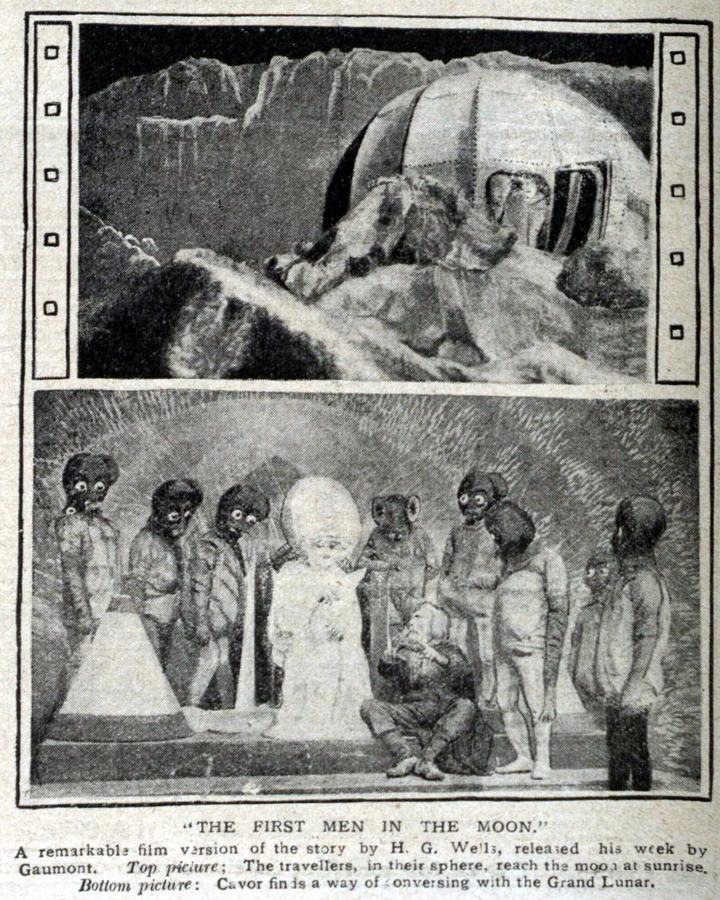
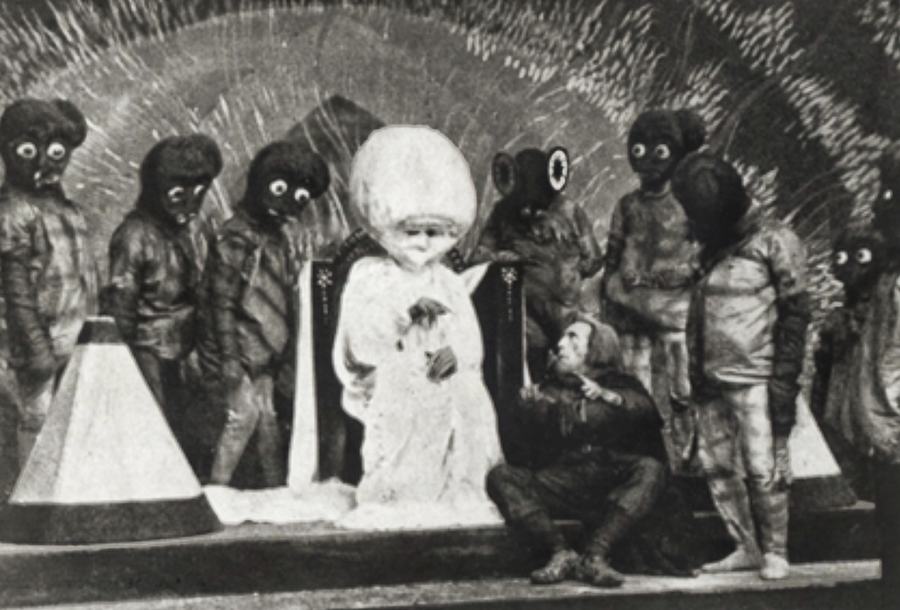
To properly appreciate 'The First Men in the Moon,' one must contextualize it within the filmmaking landscape of its time. This was an era preceding sophisticated special effects, where cinematic illusion was a nascent art form, relying heavily on ingenuity, forced perspective, and practical trickery. The sheer audacity of attempting to depict a journey to the moon and an alien landscape speaks volumes about the filmmakers' pioneering spirit. While modern audiences might find the visual execution quaint, it's crucial to recognize the profound impact such imagery would have had on contemporary viewers. The spectacle of a sphere hurtling through space, or the otherworldly vistas of the lunar surface, would have been nothing short of breathtaking, a genuine marvel that pushed the boundaries of what cinema could achieve.
The film, despite its age, manages to convey a sense of wonder and peril. The moments leading up to the launch, the initial ascent, and the eventual landing on the moon are imbued with a palpable tension. This isn't just a simple travelogue; it's an exploration of the psychological impact of venturing into the absolute unknown. The isolation of space, the silence of the lunar surface, and the confrontation with an alien environment, even if depicted through rudimentary means, effectively establish an atmosphere of profound otherworldliness. The creative teams behind these early visual effects laid crucial groundwork for generations of science fiction cinema to come, proving that the human imagination, when coupled with nascent technology, could transport audiences to realms previously accessible only through literature.
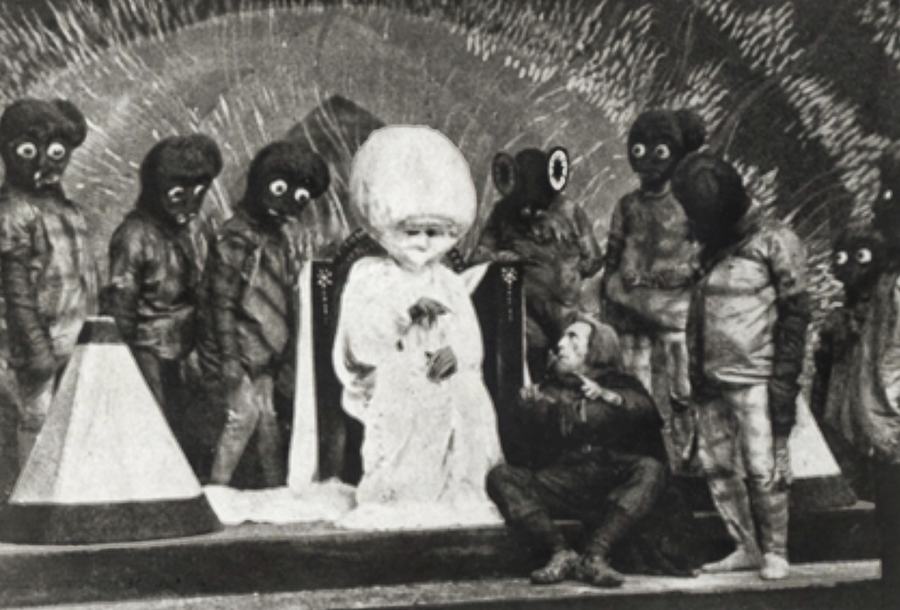
The performances, while adhering to the more theatrical conventions of early cinema, are nonetheless compelling. Lionel d'Aragon's portrayal of Professor Cavor is particularly noteworthy. He captures the essence of a man so consumed by his intellectual pursuits that he remains somewhat oblivious to the mundane realities and dangers of the world around him. His wide-eyed enthusiasm for scientific discovery contrasts sharply with the grounded, often cynical, pragmatism of his companions. This dynamic is central to the film's exploration of different human responses to the extraordinary.
Bruce Gordon, as the more relatable and perhaps more humanly flawed character, provides a necessary anchor. His reactions, from trepidation to wonder, often mirror those of the audience, allowing for a point of entry into the fantastical narrative. The supporting cast, including Hector Abbas, Heather Thatcher, and Cecil Morton York, contribute to the film's dramatic texture, embodying various societal archetypes that ground the fantastical journey in recognizable human concerns. The financier, for instance, is not merely a villain but a representation of the corrupting influence of unchecked ambition, a theme that resonates just as powerfully today as it did a century ago. This character's actions highlight the perennial conflict between the noble pursuit of knowledge and the base desire for material gain, a struggle often central to Wells' own works.
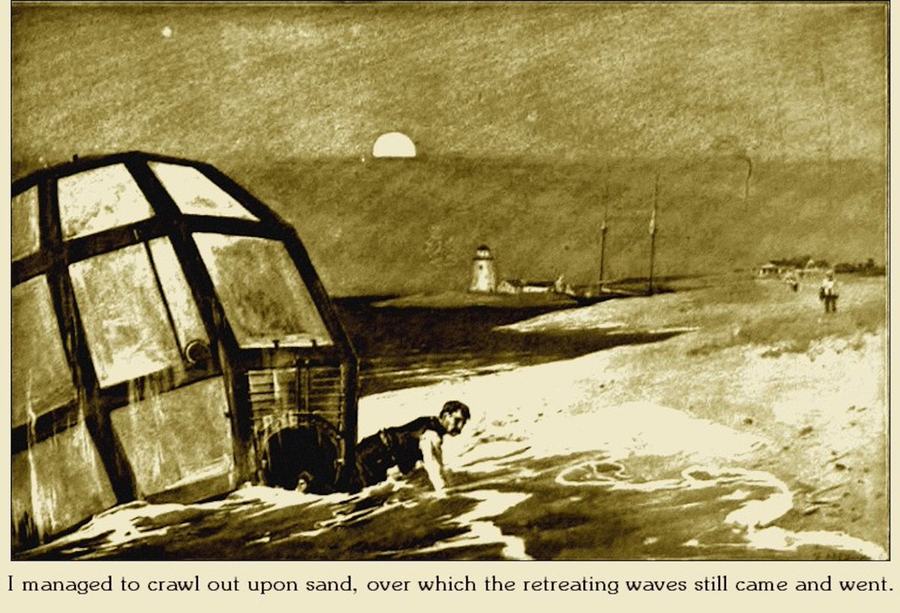
Beyond the sheer spectacle of lunar travel, 'The First Men in the Moon' delves into profound thematic territory. At its core, it's a meditation on scientific progress and its inherent moral ambiguities. Cavor's invention, a triumph of intellect, becomes a tool for exploitation in the hands of the financier. This dichotomy underscores Wells' recurrent concern about the ethical responsibilities that accompany groundbreaking discoveries. Is humanity truly ready for the power it can wield? The film, much like the novel, suggests a cautionary tale, implying that our capacity for wonder and innovation is often matched, if not overshadowed, by our capacity for greed and self-interest.
The notion of exploration itself is also a central theme. The moon, a symbol of the ultimate unknown, represents humanity's innate drive to push boundaries, to understand what lies beyond our immediate grasp. Yet, the film questions the purity of this drive when confronted with earthly vices. The tragic marooning of Cavor is a potent symbol of this conflict: the visionary, the one who truly understands and appreciates the cosmos, is abandoned by those who see only opportunity for personal gain. This stark ending is not merely a plot twist; it's a philosophical statement on the precarious position of idealism in a world often dominated by pragmatism and ruthlessness.

Furthermore, the film touches upon themes of isolation and the human condition. The vast emptiness of space and the lunar landscape serve as a stark backdrop against which human dramas of ambition, betrayal, and survival play out. Cavor's ultimate fate, alone on a distant world, is a poignant commentary on the vulnerability of even the most brilliant minds when confronted with the darker aspects of human nature. This sense of profound isolation could be subtly echoed in films like The Last of His People, which, though dealing with terrestrial solitude, taps into a similar vein of individual struggle against overwhelming forces.
While 'The First Men in the Moon' might not boast the sophisticated narrative structures or character depth of later cinematic works, its significance lies in its pioneering spirit and its bold engagement with ideas that were, at the time, purely speculative. It stands as an important precursor to the entire genre of science fiction cinema, paving the way for countless space operas and futuristic visions. One could argue that without such early, audacious attempts, the cinematic landscape of science fiction would be considerably poorer. It dared to ask 'what if?' and then attempted to visualize the answer, however crudely by modern standards.
The film's enduring appeal also stems from its philosophical underpinnings. Wells' original story, and by extension this adaptation, serves as a timeless allegory for humanity's fraught relationship with progress. We are constantly striving for more, reaching for the stars, yet often stumble over our own inherent flaws. The journey to the moon becomes less about the destination and more about the journey of the human soul, fraught with both glory and ignominy. Even in earlier narratives focusing on more grounded conflicts, like The Crime and the Criminal or The Dollar and the Law, the corrupting influence of personal gain and the moral dilemmas faced by individuals against societal pressures are central, drawing a thematic parallel with the financier's betrayal in this cosmic adventure.
In conclusion, 'The First Men in the Moon' is more than just an antiquated curiosity; it is a foundational text in the cinematic exploration of the cosmos. It encapsulates the dreams and fears of an era, reflecting humanity's nascent understanding of its place in the universe and its perpetual struggle with its own nature. For those interested in the evolution of cinema, the birth of science fiction on screen, or simply a compelling narrative of ambition, betrayal, and ultimate isolation, this film remains a vital and thought-provoking experience. It reminds us that while technology can take us to unimaginable places, the most profound journeys often remain those within the human heart, where the battles between innovation and avarice, wonder and cynicism, are perpetually waged.

IMDb —
1925
Community
Log in to comment.