DbcultAccessing Vault...
Cult Review
Senior Film Conservator
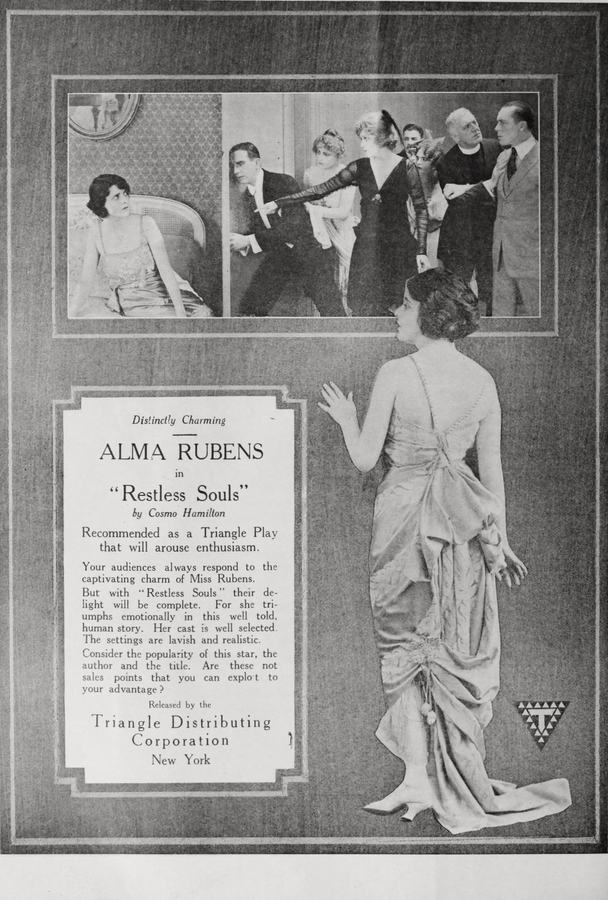
The cinematic landscape of the late 1910s, often perceived through a hazy sepia lens, was far from simplistic. It bristled with narratives that, while perhaps melodramatic by modern standards, grappled with profound human dilemmas. Among these, Restless Souls emerges as a particularly poignant artifact, a silent film that, despite its age, speaks volumes about the timeless struggle between aspiration and reality, particularly within the confines of matrimony and societal expectation. It's a drama that peels back the layers of polite society to expose the raw, often ugly, desires pulsating beneath.
At its core, Restless Souls presents a fascinating duality in its two central female characters, Judith Wingate and Marion Gregory. Their intertwined fates serve as a compelling allegorical exploration of the age-old dilemma: is it better to marry for wealth and yearn for love, or to marry for love and long for wealth? Judith, portrayed with a compelling blend of weary cynicism and desperate longing, has chosen the former. Her union with Chester Wingate is a gilded cage, providing material comfort but suffocating her emotional life. Chester, a character painted with broad strokes of self-indulgence and moral laxity, embodies the very worst of the idle rich, refusing Judith a divorce even as he brazenly pursues his own illicit affairs. Judith's desperate search for affection leads her to Oliver Sloan, another man of means, whose presence only further complicates the already tangled web of her existence.
Marion, by contrast, initially represents the romantic ideal. She married Hugh Gregory, an earnest inventor, for love. Yet, as the narrative unfolds, the daily grind of waiting for Hugh's promised fortune from his submarine invention for the United States government begins to fray her resolve. The allure of wealth, so easily dismissed by the young and idealistic, starts to cast a long, tempting shadow over her contentment. This contrast between the women is not merely a plot device; it's a profound commentary on the societal pressures and personal compromises inherent in early 20th-century womanhood, a theme echoed in other contemporary dramas like Just a Woman, which similarly explores the often-unspoken sacrifices made within marriage.
The narrative, penned by Cosmo Hamilton, truly ignites when Judith, driven by a cocktail of desperation and cunning, invites Marion to her lavish estate for a weekend. Her intention is nothing short of Machiavellian: to ensnare Chester with Marion, thereby providing Judith with the irrefutable grounds for divorce she so desperately craves. This intricate plotting showcases a keen understanding of human manipulation and the lengths to which individuals will go when cornered by their circumstances. The film, in this regard, functions as a morality play, albeit one steeped in the opulent settings of the privileged.
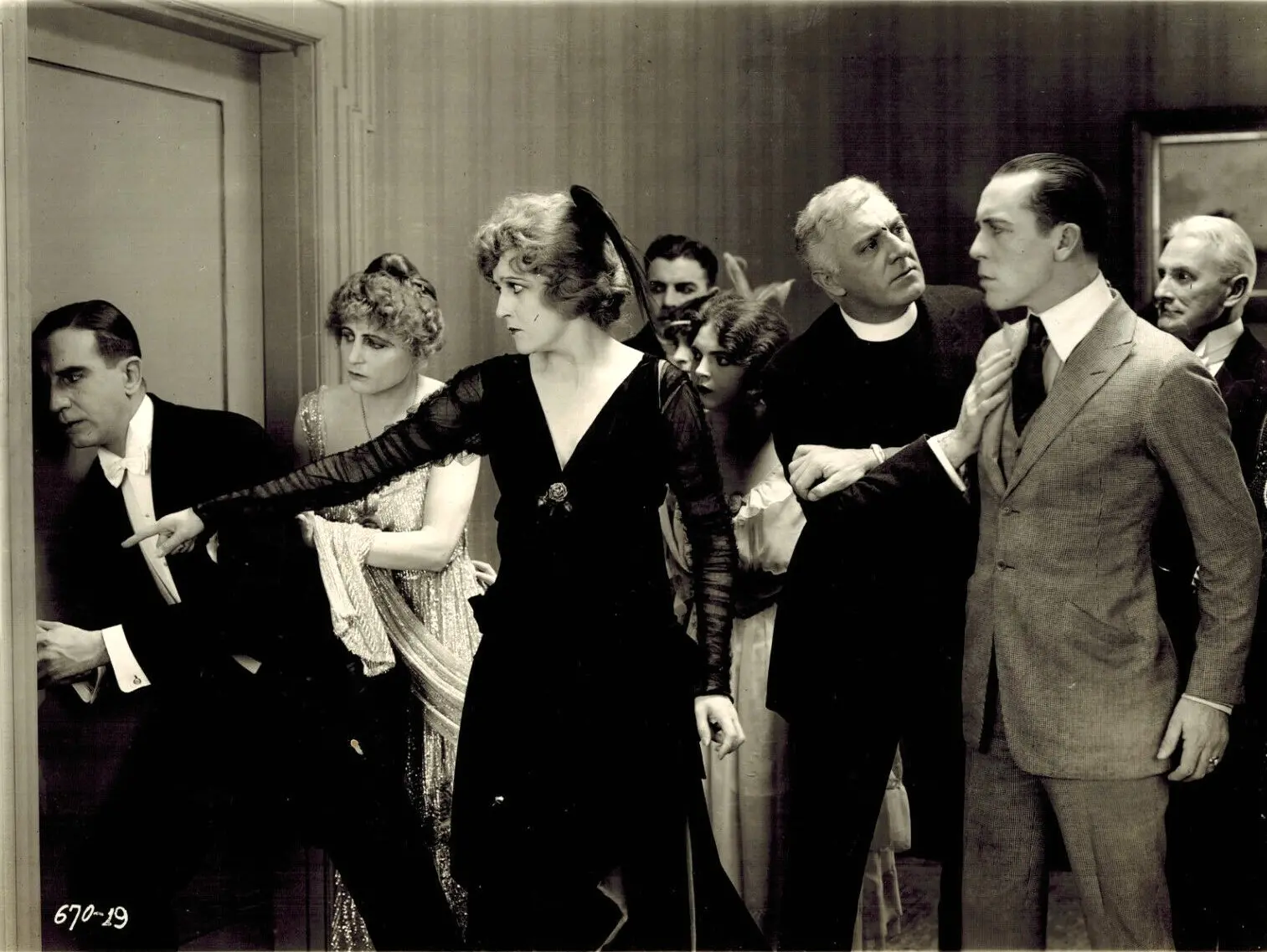
However, the best-laid plans of mice and manipulative women often go awry. Marion, despite her growing impatience with Hugh's financial stagnation, possesses an innate moral compass that rejects Chester's crude advances. Her refusal, rather than deterring the predatory male gaze, merely shifts its focus. Oliver Sloan, Judith's own lover, now sees an opportunity to win Marion's favor, adding another layer of betrayal and irony to the unfolding drama. This unexpected turn of events is where the film truly begins to unravel the ethical fabric of its characters, exposing the inherent selfishness that often masquerades as affection or opportunity.
The tension culminates in a moment of exquisite dramatic irony: Judith, hoping to expose Chester and Marion in a compromising position, instead discovers Oliver, her own lover, with Marion. The visual impact of such a scene in a silent film would have been immense, relying on powerful performances and evocative staging to convey the shock, betrayal, and humiliation. Kathryn Adams, as Judith, would have had to navigate a complex emotional landscape, transitioning from calculating manipulator to heartbroken victim in an instant. Her performance, alongside Alma Rubens's portrayal of Marion, would have been central to the film's resonance, carrying the weight of the characters' internal turmoil without the aid of dialogue.
The aftermath of this discovery sends shockwaves through the lives of all involved. Hugh Gregory, the earnest inventor, is plunged into an abyss of suspicion. The success of his invention, a beacon of future prosperity and national pride, offers little consolation against the perceived infidelity of his beloved wife. This juxtaposition of public triumph and private despair is a powerful narrative device, highlighting how personal integrity and trust often outweigh material achievements. The film, in this sense, subtly critiques the notion that wealth alone can guarantee happiness or stability, a sentiment explored with equal fervor in A Rich Man's Plaything.
The resolution arrives in the form of Robert Calvert, a minister whose moral rectitude and investigative prowess prove Marion's innocence. His character serves as a crucial moral anchor, providing the necessary external force to untangle the web of misunderstandings and malicious intent. This reliance on a figure of moral authority to restore order is a common trope in early cinema, reflecting societal values and perhaps a desire for clear-cut justice in a world often perceived as complex and morally ambiguous. The performances of J. Barney Sherry and Jack Conway, likely in key supporting roles, would have contributed to the gravitas and emotional depth of these pivotal interactions, especially during the moments of revelation and reconciliation.
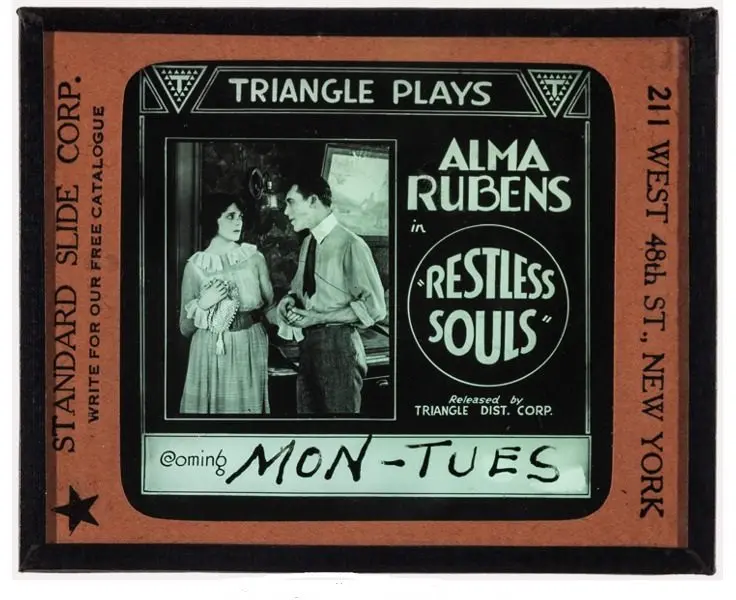
Ultimately, Restless Souls culminates in Marion's profound re-evaluation of her life and choices. Having flirted with the temptations of wealth and endured the humiliation of false accusation, she returns to Hugh with a renewed appreciation for the genuine love they share. Her journey is one of maturation, shedding the superficial longing for material gain in favor of authentic connection. This transformation also grants her a new, critical perspective on the 'idle rich,' recognizing the emptiness and moral compromises that often accompany their seemingly enviable lives. It's a powerful message, one that resonates long after the final fade-out, reminding us that true contentment rarely resides in opulence alone.
The success of Restless Souls hinges significantly on its cast's ability to convey intricate emotions without dialogue. Kathryn Adams, as Judith, must project both her initial weariness and her subsequent manipulative resolve, followed by profound heartbreak. This demands a mastery of facial expression and body language, turning subtle gestures into powerful statements. Alma Rubens, as Marion, carries the arc of innocence lost and wisdom gained, requiring a performance that transitions from yearning to steadfastness. Her journey through temptation and vindication is the emotional core of the film, and Rubens's ability to elicit audience empathy would have been paramount.
Supporting players like Harvey Clark and Eugene Burr would have fleshed out the moral ambiguities and villainy of Chester and Oliver, respectively. A silent film's villain often relies on exaggerated gestures and menacing glances to communicate their nefarious intent, and these actors would have been crucial in establishing the darker undertones of the story. Meanwhile, the steady presence of J. Barney Sherry, likely in a more sympathetic role, would have anchored the moral dimension of the narrative, providing contrast to the moral decay surrounding the central conflict.
While specific directorial credits are not provided, the film's coherent narrative and escalating tension suggest a thoughtful hand guiding the visual storytelling. Silent film directors of this era were adept at using mise-en-scène, lighting, and editing to build suspense and convey character psychology. Close-ups would have been vital for capturing the nuanced expressions of Adams and Rubens, while wider shots would have emphasized the opulent settings and the characters' isolation within them. The pacing, crucial for maintaining audience engagement without dialogue, would have dictated the rhythm of the revelations and emotional beats.
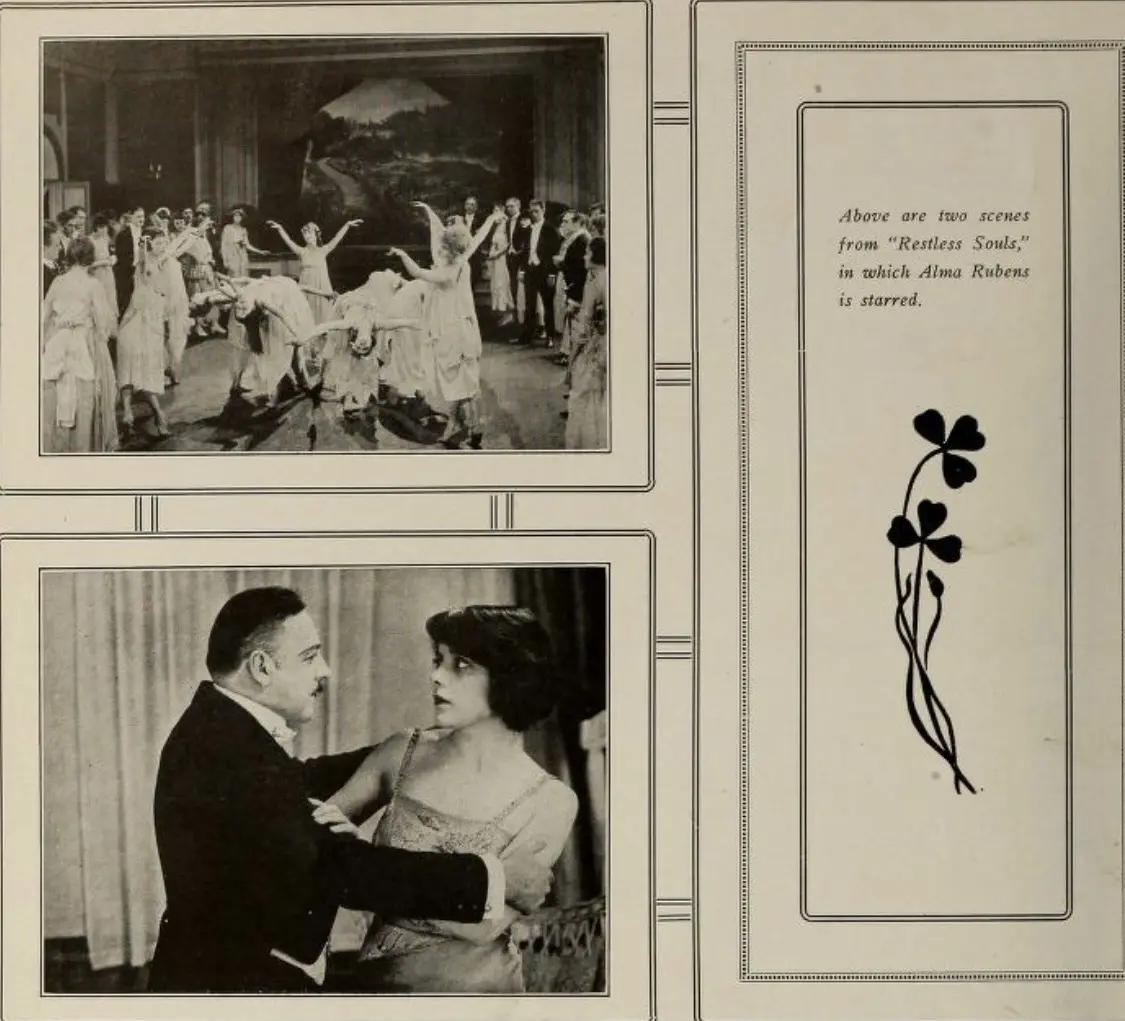
Restless Souls is more than just a tale of marital intrigue; it's a potent piece of social commentary. The film critiques the superficiality and moral bankruptcy of a segment of society that prioritizes wealth and status above all else. Judith's initial choice, Marion's subsequent temptation, and the depravity of Chester and Oliver all serve as stark warnings against the corrupting influence of unchecked material ambition. This theme resonates strongly with films like Lady Windermere's Fan, which similarly dissects the hypocrisy and hidden lives beneath society's polite exterior.
The portrayal of Hugh Gregory as an inventor, dedicated to a project for the United States government, adds another layer to the film's social fabric. He represents a form of productive labor and national service, contrasting sharply with the parasitic existence of the 'idle rich.' His eventual triumph, though initially overshadowed by personal turmoil, reinforces the idea that true value lies not in inherited wealth, but in genuine contribution and honest endeavor. This emphasis on ingenuity and hard work as a path to true happiness is a recurring motif in early American cinema, often contrasting with the moral decay found in urban or aristocratic settings.
The film's resolution, with Marion returning to Hugh with a newfound appreciation, offers a decidedly moralistic conclusion, typical of its era. It champions the virtues of love, loyalty, and integrity over the fleeting allure of material gain. While modern audiences might find such a tidy ending somewhat prescriptive, it reflects the social anxieties and moral lessons filmmakers often sought to impart. It's a narrative that, despite its period trappings, continues to speak to universal human desires and the difficult choices we face when confronted with conflicting values. The 'restless souls' of the title are not just Judith and Marion, but perhaps all of us, perpetually searching for balance between what we have, what we want, and what truly fulfills us.
In conclusion, Restless Souls, though a product of its time, remains a compelling exploration of marital dynamics, social class, and the pursuit of happiness. Its intricate plot, driven by human folly and desire, is elevated by the silent film era's reliance on powerful visual storytelling and nuanced performances. It serves as a valuable window into the moral landscape of the early 20th century, reminding us that the human heart, perpetually torn between love and lucre, remains a source of endless dramatic possibility. Its themes of betrayal, redemption, and the search for genuine connection are as relevant today as they were over a century ago, making it a film worthy of rediscovery and thoughtful consideration for anyone interested in the foundational narratives of cinema.

IMDb —
1928
Community
Log in to comment.