DbcultAccessing Vault...
4.9/10
Senior Film Conservator
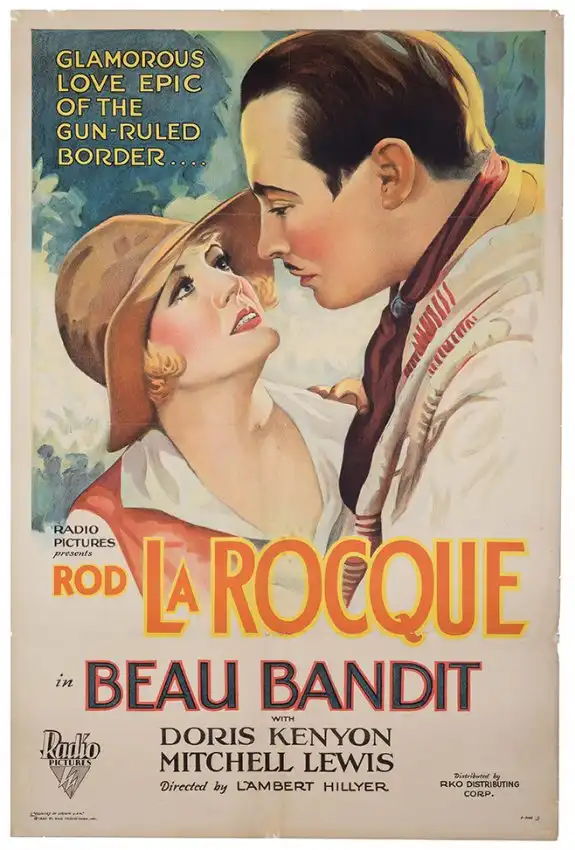
A definitive 4.9/10 rating for a film that redefined the boundaries of cult cinema. Beau Bandit remains a cornerstone of transgressive art.
Alright, so Beau Bandit. Is it worth tracking down today? Look, if you’re a real devotee of the silent Westerns, the kind that feels a bit like watching a play on horseback, then sure, maybe. For anyone else? It’s a bit of a mixed bag. You’ll probably find yourself chuckling at things that weren't meant to be funny. But it’s not for someone just dipping their toes into old films. They’d probably hate it, honestly. 😬
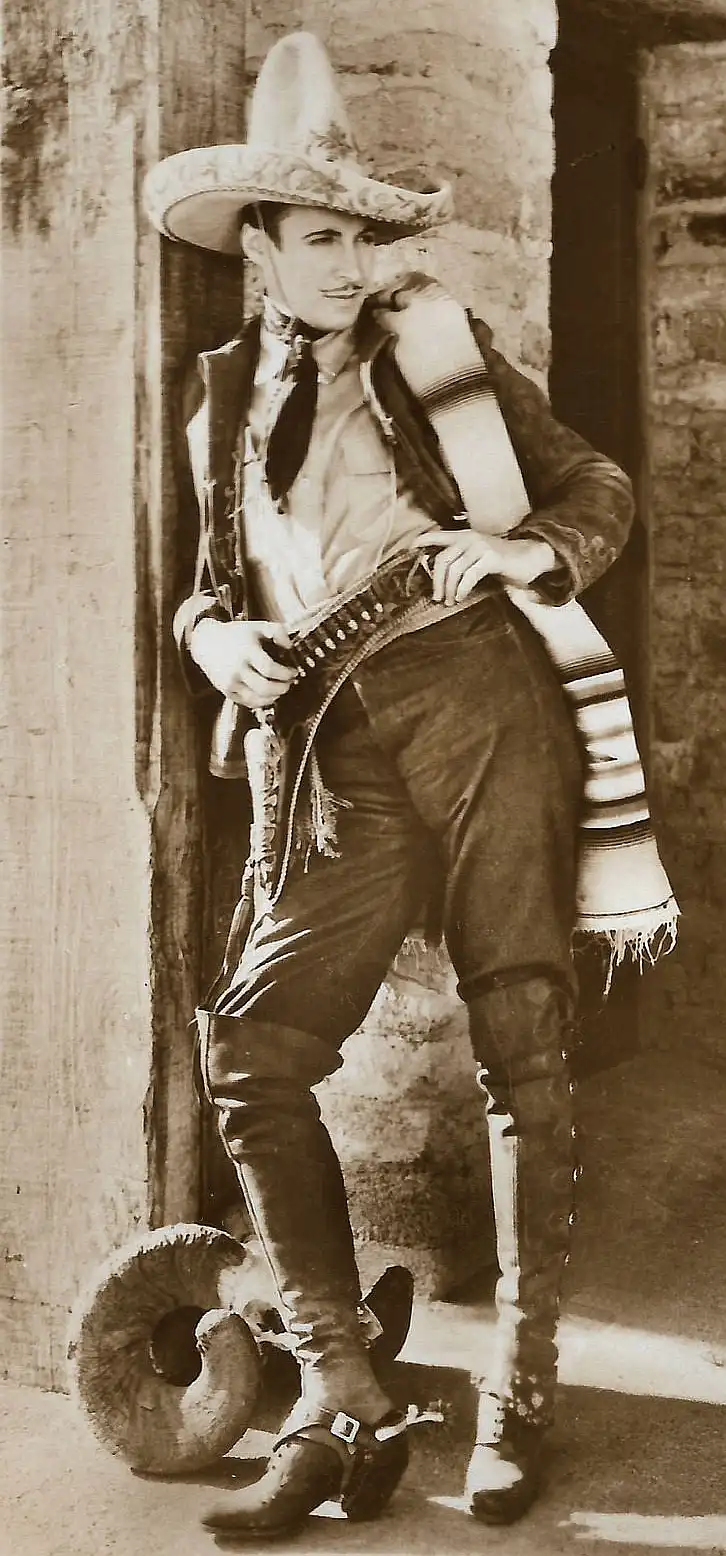
Rod La Rocque plays Montero, our 'smooth-talking' bandit. He’s got this grin. It’s supposed to be charming, I think, but sometimes it just looks like he’s holding his breath. He’s always adjusting his hat, too. Like, every other scene, his hand goes up to his brim. It’s a tic.
Then there’s Colosso, his deaf-mute sidekick. Played by Buff Jones. This is a choice, right? Colosso is surprisingly expressive with his face. You can really feel his loyalty to Montero. It’s a nice touch, actually, making him more than just a silent shadow. Though, I did wonder how they communicated all their elaborate bandit plans.
They roll into town, all set to rob Lucius Perkins’ bank. Charles Middleton as Perkins is just delightfully smarmy. He’s got that classic villain sneer. The way he adjusts his tie and stares at people? You just want to punch him. He’s a good, solid bad guy, no complaints there.
But Montero gets… distracted. Helen Wardell (Doris Kenyon) shows up. She’s a music teacher, and she’s just *pining away* for this dirt-farmer, Bill Howard. And I mean pining. The silent film acting for 'pining' involves a lot of looking out windows sadly. 🥺 It’s a whole thing. Her sorrow kinda overtakes Montero's initial bad-guy mission.
The whole love triangle feels a little tacked on at first. Montero, this cool bandit, suddenly gets all soft around Helen. You can almost feel the movie trying to convince you this moment matters more than the bank robbery. And then Perkins, because he’s a menace, offers Montero **$1250** to kill Bill Howard. It’s such a specific amount, isn’t it? Not a round thousand, but twelve-fifty. It makes you wonder about the going rate for hitmen back then.
Montero’s internal struggle here is pretty well done, given the limitations of silent film. You see him hesitate, you see the money tempting him. But also, he seems genuinely conflicted about Helen’s feelings. It adds a bit of depth to him beyond just being a hat-adjusting bandit.
There are these bounty hunters trailing Montero throughout the film. They’re mostly just a presence. They pop up, look menacing, and then seem to disappear for long stretches. One scene, a bounty hunter just stands there, staring, for what feels like 20 seconds too long. It’s almost comical.
The pacing is a little odd. The first half is all about setting up the robbery and Montero’s character. Then it veers hard into the love story and the moral dilemma. The bank almost becomes an afterthought. It picks up again near the end, but it's not a smooth ride.
Some of the outdoor shots are pretty nice. You get a real sense of the dusty, wide-open spaces. But then you also get some really tight, almost stagey indoor scenes. The contrast is a little jarring. Like they ran out of budget for location scouts after the first week.
Honestly, Beau Bandit isn't going to redefine your view of cinema. It’s got some charm, especially in the performances of Montero and Perkins. Colosso is a standout in his quiet way. But the plot kind of meanders, and some of the emotional beats feel a tad forced. It’s a curiosity, a glimpse into a time when stories were told with exaggerated gestures and lots of sad stares.
It’s not a film you need to rush out and see, but if you’re ever stuck on a rainy afternoon and curious about what Westerns looked like a century ago, it’s not the worst way to spend an hour. Just be ready for a lot of hat adjustments. And maybe a little too much pining.
IMDb 4.8
1935
Community
Log in to comment.