DbcultAccessing Vault...
Cult Review
Senior Film Conservator
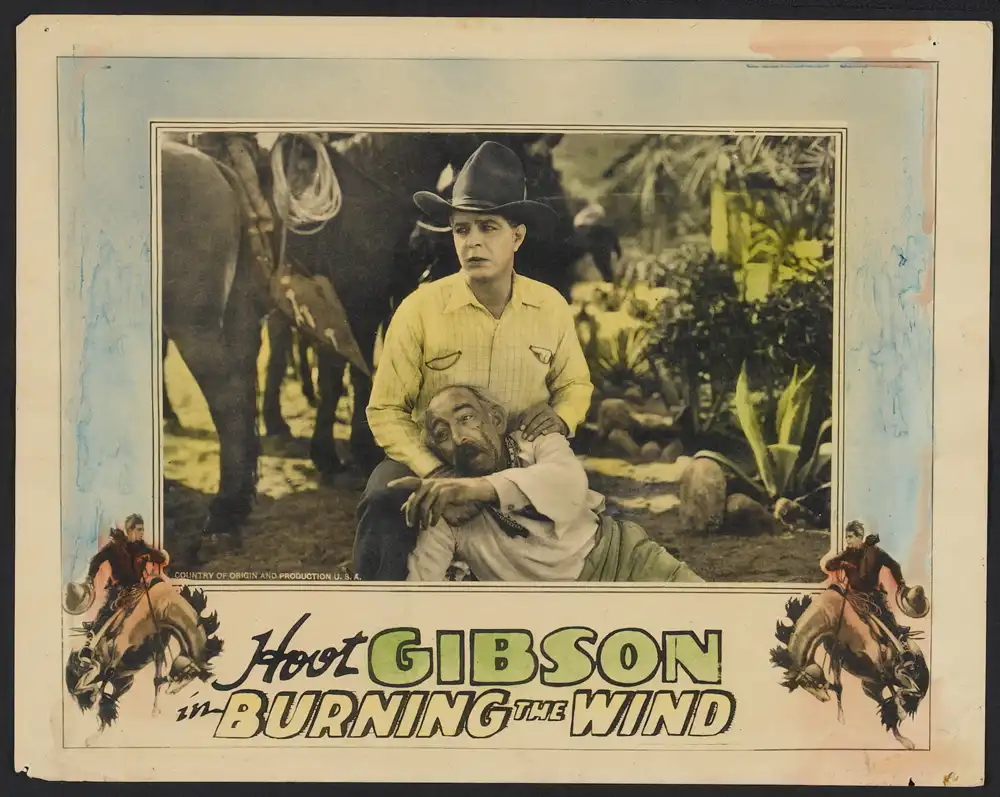
If you’re looking for a deep, soul-searching western, move on. But if you have an hour to kill and want to see Hoot Gibson look incredibly comfortable on a horse while a pre-fame Boris Karloff tries his best to look menacing in a Stetson, Burning the Wind is a decent enough way to spend a Tuesday night. It’s a movie for people who like the smell of dust and don’t mind a plot that’s thinner than a cheap poncho.
Hoot Gibson was always a weird star to me. He doesn’t have that stiff, moralistic weight of William S. Hart. He’s more like that guy at the bar who tells really good stories and might steal your drink if you look away. In this one, he’s Richard Gordon, and he spends a lot of the first act just sort of... hanging out. There’s a specific shot early on where he’s leaning against a fence, and he looks so relaxed I thought he might actually fall asleep before the scene ended. It’s charming, in a lazy sort of way.
The whole conflict is about a fence. Seriously. It’s a rancher feud that feels like it could have been solved with a five-minute conversation, but then we wouldn’t have a movie. Virginia Brown Faire plays the love interest, and while she’s great to look at, her character doesn't have much to do besides look worried. There’s a scene where she and Hoot are talking by a stream, and the editing is so jumpy it feels like they’re teleporting six inches to the left every time the camera cuts. It breaks the mood entirely.
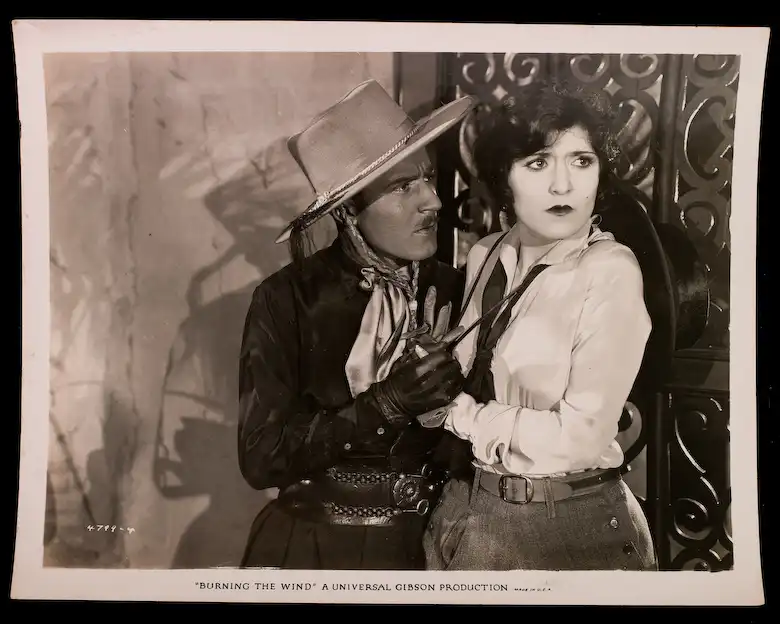
Then there’s Boris Karloff. This was 1929, so he hadn't hit the big time with Frankenstein yet. He plays Pug Gordon, the villainous cousin. He’s got this incredible face—all sharp angles and deep shadows—and he’s clearly acting in a different movie than everyone else. While Hoot is playing it light and breezy, Karloff is staring into the camera like he wants to eat the lens. It’s an odd contrast. It reminds me a bit of the tonal shifts in The Canyon of Light, where the villain feels like he wandered in from a much darker film.
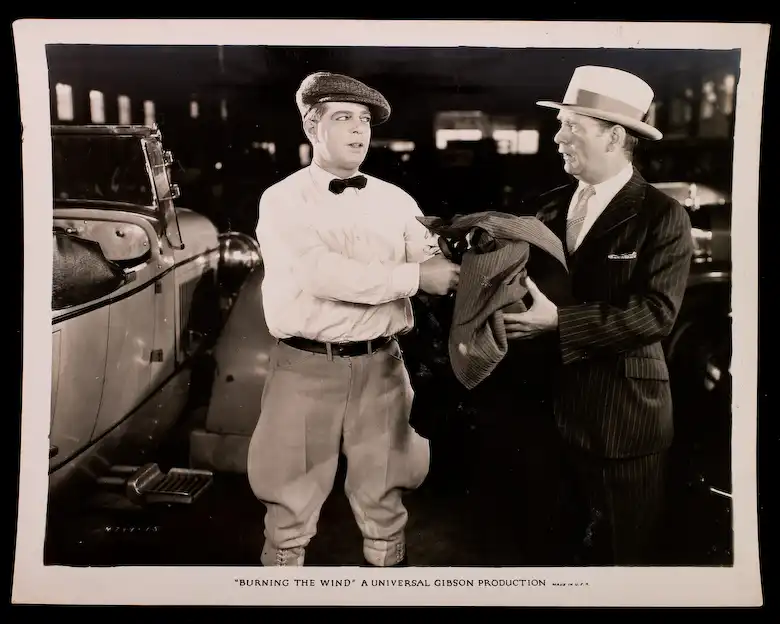
The action scenes are the real reason to stay. Hoot Gibson did most of his own stunts, and there’s a sequence involving a jump onto a moving stagecoach that made me lean forward. No CGI, no wires, just a guy who really knows how to handle a horse and doesn't mind breaking a bone or two. The camera stays wide, so you can actually see the physics of it. It’s a refreshing change from modern action where everything is a blur of three-second cuts.
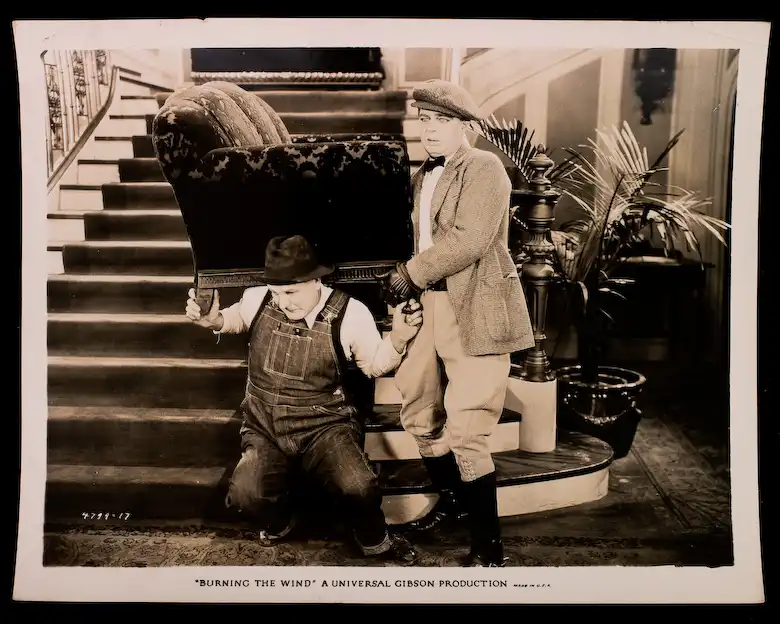
The middle of the movie drags. There’s a lot of standing around in dusty rooms talking about land rights. You can tell the writers—there are four of them credited, which is usually a bad sign—were trying to stretch a short story into a feature. One scene in a ranch house goes on for about three minutes longer than it needs to. They just keep nodding at each other. It’s the kind of moment where you start noticing the background details, like a weirdly placed taxidermy bird on a shelf that seems to be watching the actors.
I noticed the costumes are a bit hit-or-miss too. Hoot’s hat is comically large in some scenes, almost like a parody of a cowboy. It’s a bit like the wardrobe choices in Hot Heels, where things feel just a little too clean and theatrical to be real. But then you see the sweat on the horses and the way the dirt cakes onto the actors' faces during the finale, and it grounds it again.
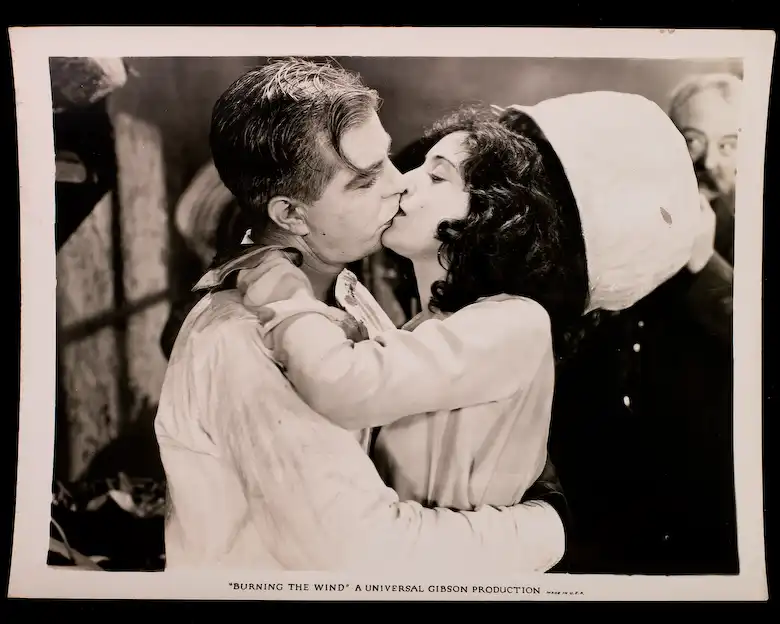
The "falling in love" part of the plot feels tacked on. One minute they’re arguing about fences, and the next they’re gazing into each other's eyes while the music (if you’re watching a version with a synchronized score) gets unnecessarily loud. There’s no real build-up. It’s just: Action, Action, Land Dispute, Romance, The End. It’s abrupt, but honestly, I’d rather have an abrupt ending than a twenty-minute epilogue where everyone explains their feelings.
Is it a classic? No. But seeing Karloff before he was "Karloff" is worth the price of admission alone. He has this way of lurking in the corner of the frame that makes the hair on your neck stand up, even when he’s just supposed to be a regular ranch hand. It’s a weird, lopsided little western that doesn't quite know if it wants to be a comedy or a thriller, and that’s exactly why I didn't hate it.
IMDb —
1932
Community
Log in to comment.