DbcultAccessing Vault...
Cult Review
Senior Film Conservator
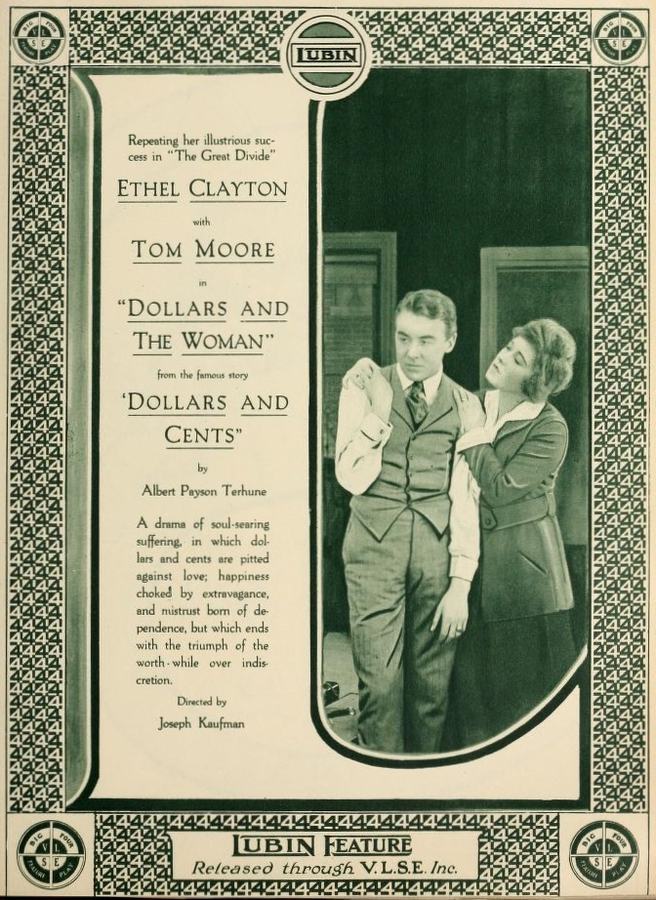
Stepping back into the sepia-toned world of early cinema, one often encounters narratives that, despite their antiquated presentation, resonate with surprisingly modern emotional complexities. Such is the case with the 1916 drama, Dollars and the Woman. Directed with a keen eye for domestic strife and human vulnerability, this film, while perhaps not as widely known as some of its contemporaries, offers a compelling exploration of trust, suspicion, and the often-unseen sacrifices made within the confines of matrimony. It's a testament to the power of silent storytelling that, even without spoken dialogue, the anguish and eventual triumph of its characters manage to pierce through the veil of time, compelling us to reflect on the enduring nature of human relationships.
At its core, Dollars and the Woman is a domestic drama, but one imbued with a psychological depth that elevates it beyond mere melodrama. The story pivots on Madge Hilyer, portrayed with a nuanced blend of fortitude and fragility by Ethel Clayton, whose performance is arguably the film's most compelling asset. Clayton, a prominent figure in early American cinema, imbues Madge with an inner strength that is palpable even in her moments of profound vulnerability. Her husband, Dan Hilyer, an inventor with grand aspirations, finds himself in a familiar cinematic predicament: he needs capital to realize his dreams. Bartley McCullum, as Dan, captures the inventor's single-minded ambition and later, his agonizing doubt, with a commendable earnestness. The film establishes their marital bond as one of genuine affection, yet one that is immediately tested by the harsh realities of financial constraint.
The initial conflict arises from Dan's need for funds to market his new patent out West. In a move that defines her character, Madge, rather than burden her husband with her fears or expose him to potential failure, secretly procures a loan. The source of this loan is Arthur Crewe, played by Crauford Kent, a figure from Madge's past romantic entanglements. This clandestine act, while born of love and a desire to support her husband's dreams, immediately introduces a ticking time bomb into their relationship. The dramatic irony is thick; Madge believes she is protecting Dan, but her secrecy inadvertently sets the stage for future misunderstanding and heartache. This narrative device, where well-intentioned secrecy leads to dire consequences, is a recurring theme in cinema, seen in various forms from the more overt deceptions in a film like The Innocent Lie to the complex moral quandaries of Dvoynaya zhizn. However, Dollars and the Woman renders it with a particular sensitivity, focusing on the emotional toll on Madge.
The plot thickens with Dan's departure. Madge, now alone and facing the imminent arrival of their baby, finds herself in another desperate financial bind. Again, she turns to Arthur Crewe, who, with an almost too-convenient availability, provides the necessary support. This second instance of reliance on her former sweetheart ratchets up the tension considerably, painting Madge into an ever-tighter corner of perceived impropriety. The film, through its visual storytelling, conveys the quiet desperation that drives Madge's decisions. Her choices, while ethically ambiguous in their execution, are rooted in an unwavering loyalty to her family's well-being. This era of cinema often explored the precarious financial situations of women, particularly when left to fend for themselves, a theme echoed in films like The Might of Gold, though Dollars and the Woman focuses more intensely on the personal, rather than systemic, implications.
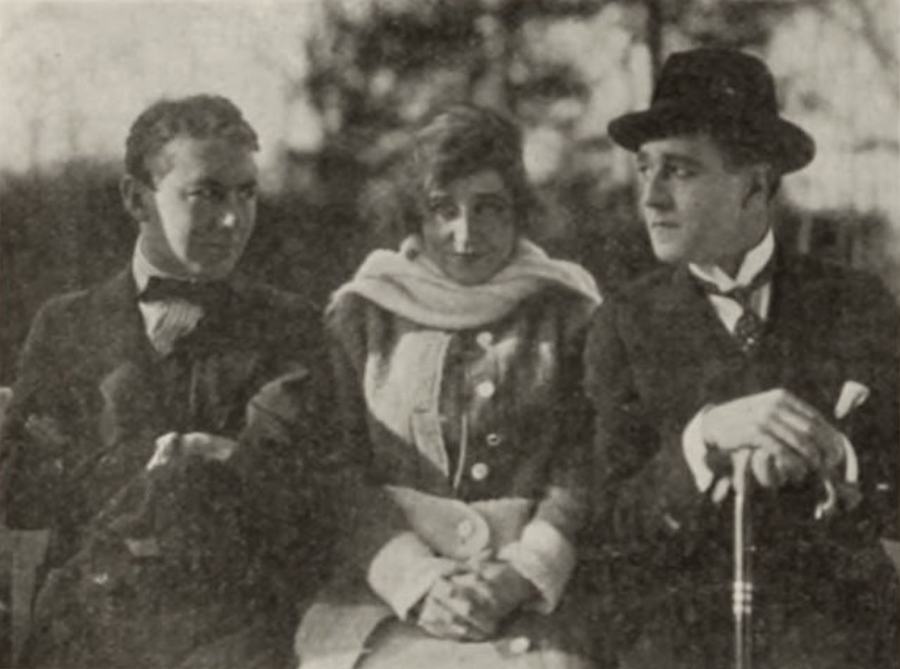
Dan's eventual return, presumably successful in his endeavors, should mark a joyous reunion. Instead, it ushers in the film's central conflict: the revelation of Arthur Crewe's financial assistance. The news, delivered perhaps through an ill-timed comment or an overheard conversation, shatters Dan's contentment. His initial gratitude quickly curdles into suspicion. The film masterfully portrays Dan's descent into doubt, using McCullum's expressions and gestures to convey the torment of a man grappling with the perceived betrayal of his most trusted companion. He suspects Madge of having 'given far too much in return for the money,' a phrase laden with the societal judgments and gendered expectations of the period. This moment is critical, as it exposes the fragility of trust when confronted with circumstantial evidence and unspoken histories. It's a stark reminder that even the strongest bonds can be undermined by assumptions and a lack of open communication.
The ensuing marital crisis is depicted with a palpable sense of impending doom. Dan, consumed by his suspicions, contemplates separation, a drastic step that underscores the perceived gravity of Madge's actions in his eyes. This portrayal of a marriage on the brink due to misunderstanding is a powerful narrative thread, and the filmmakers, including writers Mark Swan and Albert Payson Terhune, expertly build the tension, allowing the audience to feel the weight of Madge's unspoken burden and Dan's misguided pain. The film's strength lies in its ability to humanize both characters, allowing us to understand Dan's reaction, however flawed, as a product of his love and wounded pride, rather than simple malice. This intricate dance of emotions is a hallmark of effective silent drama, where every gesture, every flicker of expression, carries immense narrative weight, much like the nuanced performances required in a film such as Jeanne Doré.
Just as the marital ship seems destined to founder, Arthur Crewe re-enters the scene, this time as a force for good. Having learned of the turmoil his well-intentioned loans have caused, he bravely confronts Dan. This scene is pivotal, as Crewe, despite his past with Madge, unequivocally vouches for her 'perfectly upright behavior.' Crauford Kent delivers this crucial intervention with a quiet dignity, transforming his character from a potential rival into a catalyst for truth and reconciliation. His integrity in this moment is striking, a noble act that transcends any personal feelings he might still harbor for Madge. It’s a powerful narrative choice, demonstrating that honor can emerge from unexpected quarters and that sometimes, the truth needs an external voice to cut through the fog of suspicion. This resolution, while perhaps a touch convenient, serves the film's thematic purpose: the ultimate triumph of truth and trust.
The reconciliation that follows is earned through this dramatic confrontation. Dan, finally convinced of his wife's innocence and the purity of her intentions, is able to shed his doubts. The film concludes with the couple's embrace, signifying the restoration of their bond, strengthened perhaps by the ordeal they have endured. It's a classic resolution, yet deeply satisfying because it addresses the core emotional conflict head-on. The film doesn't shy away from the pain of misunderstanding, but it ultimately champions the enduring power of love and forgiveness. This kind of redemptive arc is a common, and often comforting, element in early cinema, offering audiences a sense of moral order restored, much like the resolution found in a film such as The Pursuing Shadow, where clarity eventually dispels darkness.
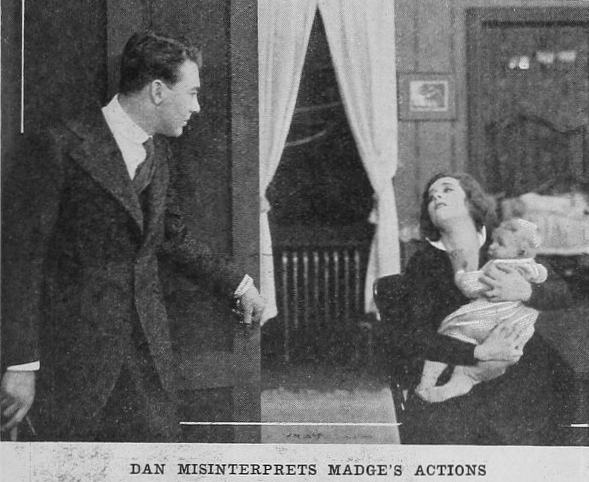
Ethel Clayton's portrayal of Madge is undoubtedly the film's anchor. She navigates Madge's emotional landscape with remarkable subtlety, conveying desperation, love, anxiety, and ultimate relief without the aid of spoken words. Her expressive eyes and controlled gestures communicate volumes, making Madge a sympathetic and relatable character. Bartley McCullum, as Dan, effectively conveys his character's journey from ambitious inventor to jealous husband and finally, to understanding partner. His struggles with pride and suspicion feel authentic, lending credibility to the dramatic arc. Crauford Kent, as Arthur Crewe, manages to make his character more than just a plot device; he is a man of honor whose actions, though initially problematic for the Hilyers, ultimately save their marriage. The supporting cast, including Tom Moore and Herbert Fortier, provide solid performances that contribute to the film's overall coherence.
The direction of Dollars and the Woman, while adhering to the conventions of 1916 filmmaking, demonstrates a clear understanding of visual storytelling. The use of close-ups to emphasize emotional states, the staging of scenes to highlight character relationships, and the pacing of the narrative all contribute to a compelling viewing experience. The film effectively uses its limited resources to create a believable world for its characters, drawing the audience into their predicament. The editing, for its time, is quite effective in building suspense and conveying the passage of time, particularly during Dan's absence. While it might lack the avant-garde experimentation of some European contemporaries like L'enfant prodigue, its straightforward narrative style serves the emotional core of the story well. The film focuses on the human element, ensuring that the audience remains invested in the fate of Madge and Dan.
Thematically, Dollars and the Woman delves into several enduring concerns: the corrosive nature of suspicion, the weight of financial burden on relationships, and the often-unseen sacrifices made for love. It explores the societal pressures placed upon women to maintain appearances and the precariousness of their financial independence in the early 20th century. Madge's actions, though driven by admirable motives, are constrained by a social fabric that often judged women harshly for perceived impropriety. Her choice to seek help from an old flame, rather than openly discuss her struggles with her husband, speaks volumes about the gender dynamics and communication patterns of the era. This aspect of the film offers a fascinating historical lens into the constraints faced by women, echoing the societal critiques found in films like Caste, though Dollars and the Woman frames it through a more intimate, marital conflict.
The film also serves as a poignant reminder of the importance of open communication within a marriage. Had Madge been forthcoming about her financial struggles and her arrangement with Arthur, much of the subsequent heartache could have been avoided. Similarly, Dan's quickness to judge, rather than to seek understanding, highlights the dangers of allowing pride and insecurity to dictate one's perceptions. The ultimate reconciliation, therefore, is not just a happy ending, but a lesson learned: trust, once broken, can only be rebuilt through honesty and a willingness to believe in the good intentions of one another. This theme of overcoming adversity through renewed understanding is a powerful one, resonant across decades and cultures, making the film's message surprisingly timeless.
For those interested in the evolution of cinematic storytelling, Dollars and the Woman offers valuable insights. It showcases the early mastery of visual narrative, the power of expressive acting in the absence of dialogue, and the enduring appeal of human drama. While it may not possess the grand scale or innovative techniques of some of its more celebrated contemporaries, its intimate focus on a couple's struggle for trust and understanding makes it a compelling watch. It stands as a solid example of early American silent film, demonstrating how effective storytelling can transcend technological limitations and resonate with audiences through the sheer force of its emotional truth. It reminds us that the fundamental ingredients of compelling cinema – engaging characters, relatable conflicts, and a satisfying resolution – have remained largely unchanged since the flickering images first graced the silver screen. In its quiet way, Dollars and the Woman continues to speak volumes about the complexities of the human heart and the intricate tapestry of marital life.
Ultimately, Dollars and the Woman is more than just a historical artifact; it is a relevant piece of dramatic art that explores the delicate balance of love and finance, trust and suspicion. It’s a film that asks us to consider the hidden costs of ambition and the profound value of unwavering faith in those we hold dear. Its conclusion, a powerful affirmation of marital love, reminds us that even in the face of grave misunderstanding, truth, when spoken and heard, has the power to heal and restore. This little-known gem from 1916 deserves another look, not just for its historical significance, but for its timeless message about the enduring strength of the human spirit and the unbreakable bonds forged in the crucible of shared experience.
IMDb —
1929
Community
Log in to comment.