DbcultAccessing Vault...
Cult Review
Senior Film Conservator
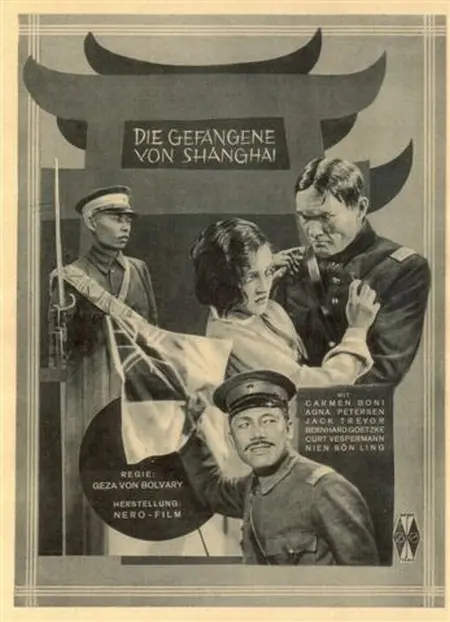
Is Die Gefangene von Shanghai a forgotten gem or a relic best left in the archives? Short answer: it's a fascinating, if imperfect, window into early cinematic melodrama, certainly worth a watch for silent film enthusiasts and those curious about cross-cultural narratives of the era, but likely to challenge audiences accustomed to modern pacing and sensibilities. This 1927 German production, directed by Gennaro Righelli, offers a compelling, albeit often problematic, glimpse into a past era's dramatic sensibilities, demanding a certain patience but rewarding it with a potent emotional core.
For those who appreciate the artistry of silent cinema, the nuanced performances, and the historical context of global filmmaking, this film provides genuine value. However, viewers seeking fast-paced action, unambiguous heroism, or culturally sensitive portrayals might find its period conventions a significant barrier.
Let's get straight to it:
At its core, Die Gefangene von Shanghai is an exploration of sacrifice under duress, set against the exoticized backdrop of 1920s China. Maria Sinclair, played with a captivating blend of fragility and resolve by Agnes Petersen, is not merely a British consul's wife; she is a woman caught in a geopolitical chessboard, her personal fate entangled with international tensions. Her journey to reunite with her husband is abruptly derailed, not by a simple misunderstanding, but by a calculated act of power.
General Hai Lung, portrayed by Bernhard Goetzke with a chilling blend of authority and menace, isn't just an antagonist; he's an orchestrator of moral torment. His offer—her husband's life for her own indefinite imprisonment and companionship—is a masterful stroke of narrative cruelty. It strips Maria of agency, forcing her into a choice that no human should ever have to make. This premise alone elevates the film beyond simple adventure, pushing it into the realm of psychological drama.
The story’s strength lies in its unyielding focus on this central dilemma. It doesn’t shy away from the profound implications of Maria’s decision, allowing the audience to feel the weight of her impossible situation. This narrative precision, even in a silent film, speaks volumes about the screenwriters' intent to create a deeply personal tragedy within a grand, sweeping setting. It’s a testament to the power of a single, well-defined conflict.
The success of any silent film hinges almost entirely on the expressive capabilities of its cast, and Die Gefangene von Shanghai largely delivers on this front. Agnes Petersen, as Maria Sinclair, carries the film's emotional burden with remarkable grace. Her performance is a masterclass in conveying inner turmoil without uttering a single word. Observe her subtle shifts in posture, the anguish etched across her face during the general's ultimatum scene; it’s a palpable portrayal of a woman teetering on the brink.
Petersen avoids the over-the-top gesticulations often associated with early silent acting, opting instead for a more internalized suffering that feels surprisingly modern. There’s a quiet dignity to her despair, making her sacrifice all the more poignant. Her moments of defiant stillness, even when surrounded by the general's intimidating retinue, speak volumes about Maria's inner strength.
Bernhard Goetzke’s General Hai Lung is equally compelling, though in a starkly different register. Goetzke imbues the general with a cold, calculating intellect that makes him a truly formidable adversary. He’s not a cartoonish villain; his eyes hold a certain weary authority, suggesting a man accustomed to absolute power. His measured gestures and piercing gaze convey a sense of unshakeable resolve, making Maria’s predicament feel genuinely inescapable. The scene where he first confronts Maria, his face a mask of inscrutable intent, is particularly effective.
Nien Soen Ling, though in a supporting role, adds a layer of authenticity to the Chinese ensemble, even if the characters themselves are framed through a
IMDb 5.2
1933
Community
Log in to comment.