DbcultAccessing Vault...
Cult Review
Senior Film Conservator
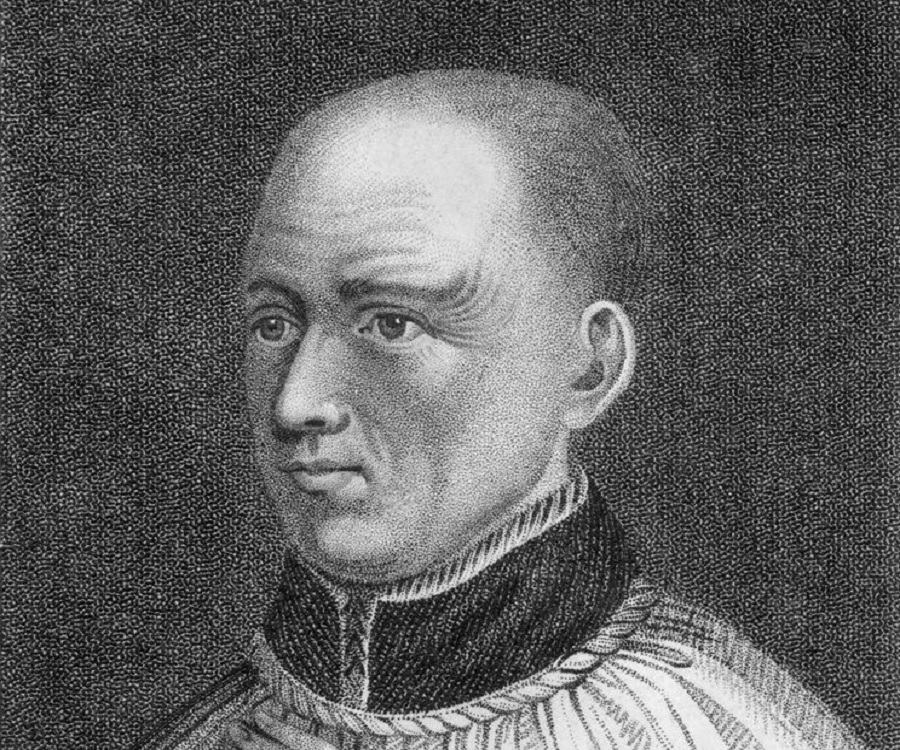
When the black‑and‑white frame of Becket flickers to life, the viewer is thrust into a world where the clang of church bells reverberates like a metronome, dictating the rhythm of every whispered oath and clandestine glance. The film, a collaborative effort between the lyrical pen of Alfred Lord Tennyson and the screen‑savvy Eliot Stannard, translates the weight of medieval intrigue into a visual poem, each tableau a brushstroke of moral ambiguity.
Harry Worth, embodying Archbishop Baldwin, delivers a performance that is simultaneously austere and trembling with suppressed yearning. His eyes, often narrowed beneath a furrowed brow, betray a man whose spiritual mantle is as much a shield as it is a cage. Worth’s measured gestures—an outstretched hand that never quite touches—convey a yearning for control that borders on the tragic. William Lugg, as King Alaric, is the embodiment of regal composure, yet his occasional glances toward Lady Eleanor (portrayed with haunting vulnerability by Gladys Jennings) hint at a ruler whose political veneer is eroding under the pressure of personal desire. Jennings, with a delicate balance of poise and desperation, captures Eleanor’s forced transition from courtly allure to monastic restraint, her eyes often lingering on the stone walls that become both sanctuary and prison.
The plot unfurls with a deliberate pace, mirroring the slow, inexorable march of monastic life. The Archbishop’s edict—mandating Eleanor’s entry into the convent—acts as the catalyst for a chain reaction that exposes the fissures between sacred duty and secular yearning. The film’s narrative structure is reminiscent of the moral entanglements explored in A Seminary Scandal, yet Becket distinguishes itself through its stark visual austerity.
The murder of the Archbishop, executed with a swift, almost clinical precision, serves not merely as a plot twist but as a thematic fulcrum. It forces the audience to confront the paradox of a man who, in his quest to enforce divine order, becomes the victim of the very chaos he sought to quell. This inversion of power is echoed in the treacherous machinations of The Curse of Greed, where ambition begets downfall.
Cinematographer Arthur Burne employs chiaroscuro with a deft hand, bathing the convent’s cloisters in a pallid glow that juxtaposes the darkness of the surrounding forest—a visual metaphor for the clash between cloistered devotion and the untamed wilderness of human desire. The camera lingers on the interplay of candlelight and stone, each flicker a reminder of the fragile line between enlightenment and obscurity.
A particularly arresting sequence features a long tracking shot that follows Eleanor as she traverses the vaulted hallway, her footsteps echoing like a metronome of guilt. The camera’s fluid motion mirrors her internal turbulence, a technique reminiscent of the kinetic storytelling in Flirting with Fate, yet here it is employed to underscore the suffocating weight of religious obligation.
The set designers painstakingly recreate the austere grandeur of a 12th‑century cathedral, from the towering arches to the intricate stained‑glass windows that filter sunlight into shards of amber—mirroring the film’s thematic motif of fragmented truth. The convent’s interior, with its wooden benches and simple tapestries, serves as a visual counterpoint to the opulent court scenes, emphasizing the dichotomy between worldly excess and monastic humility.
Although a silent film, Becket is accompanied by a haunting orchestral score that weaves leitmotifs for each principal character. The Archbishop’s theme—a low, resonant brass line—underscores his imposing presence, while Eleanor’s motif, a plaintive violin, rises and falls like a prayer caught in a storm. The music’s dynamic range amplifies the emotional stakes, much like the auditory tapestry employed in Matrimonial Web.
When measured against contemporaneous works such as The Governor and The Liar, Becket stands out for its unflinching examination of ecclesiastical authority. While many silent dramas of the 1920s opted for melodramatic excess, this film opts for restraint, allowing the audience to read between the silences and infer the unspoken power struggles.
The film’s narrative economy is reminiscent of the tightly woven plot of Pitfalls of a Big City, where each scene propels the story forward without superfluous embellishment. Yet, unlike the urban setting of that film, Becket thrives on the claustrophobic intimacy of stone walls and candlelit chambers, turning architecture into a character in its own right.
At its core, Becket interrogates the paradox of power wielded in the name of divinity. The Archbishop’s insistence on Eleanor’s seclusion is less an act of piety than a demonstration of his dominion over both the secular and the spiritual. This dynamic mirrors the power play explored in Marriage for Convenience, where personal ambition masquerades as societal duty.
The murder itself, executed by an unseen hand, is a stark reminder that even the most sacrosanct institutions are vulnerable to human frailty. The film refrains from providing a tidy moral resolution; instead, it leaves the audience grappling with the lingering question: does true faith survive when its champions are compromised?
Percy Standing’s portrayal of the assassin, a figure shrouded in anonymity, is a masterclass in subtlety. He never fully reveals his motives, allowing the audience to project their own interpretations onto his cold stare. This ambiguity adds a layer of psychological intrigue, akin to the enigmatic antagonist in The Prospector's Vengeance.
Supporting characters, such as the pious Mother Superior (played by Mary Clare), provide a counterbalance to the central conflict, offering moments of quiet compassion that illuminate the human capacity for forgiveness even amidst betrayal.
The film’s deliberate pacing may challenge modern viewers accustomed to rapid cuts, yet it rewards patience with a richly textured narrative. Each act—court intrigue, forced convent life, and the climactic assassination—unfolds like a well‑crafted sonnet, each line building upon the last to culminate in a resonant climax.
Nearly a century after its release, Becket remains a poignant exploration of how institutional power can be both protective and oppressive. Its themes echo in contemporary debates surrounding the separation of church and state, making it a timeless study in governance, gender dynamics, and the price of obedience.
For scholars of early cinema, the film offers a rare glimpse into the collaborative synergy between a poet of the Victorian era and a pioneering screenwriter, illustrating how literary gravitas can be transmuted into visual storytelling.
In the pantheon of silent epics, Becket distinguishes itself through its meticulous attention to visual symbolism, its restrained yet powerful performances, and its willingness to confront uncomfortable truths about authority. It is a film that demands contemplation, rewarding the attentive viewer with layers of meaning that unfold long after the final frame fades to black.
IMDb 3.5
1930
Community
Log in to comment.