DbcultAccessing Vault...
Cult Review
Senior Film Conservator
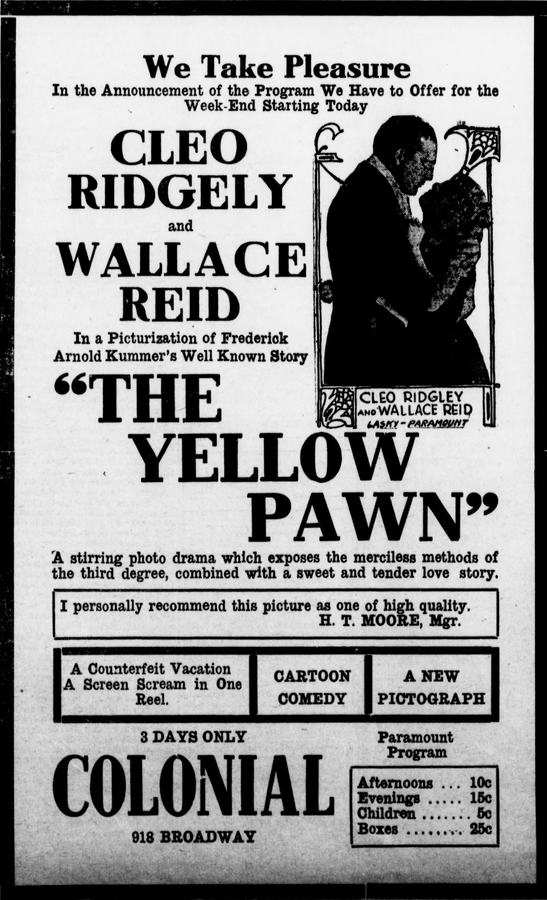
In the pantheon of early silent cinema, few films manage to balance the tightrope of domestic melodrama and legal thriller with the poise found in The Yellow Pawn. This 1916 production, directed with a keen eye for spatial dynamics, transcends its era's penchant for broad strokes by delving into the psychological rot that accompanies unearned authority and the redemptive power of aesthetic devotion.
The narrative foundation of The Yellow Pawn is built upon the classic trope of the 'mercenary marriage,' yet it is handled with a nuance that avoids the clichéd pitfalls of its contemporaries. Kate Turner is not merely a victim of circumstance; she is a strategic actor in a world that offers her no viable currency other than her own autonomy. By choosing Allen Perry over James Weldon, she engages in a grim calculus of survival. This thematic resonance of female sacrifice for familial stability is a recurring motif in the era, often explored in works like The Market of Vain Desire, where the commodification of affection serves as a scathing critique of the social hierarchy.
Allen Perry, played with a simmering, bureaucratic malice, represents the intersection of law and ego. He is the 'District Attorney' not as a seeker of justice, but as a gatekeeper of his own vanity. His jealousy is not born of love, but of possession. When he discovers that James Weldon has ascended from the ranks of the 'struggling artist' to a figure of international acclaim, his reaction is not one of admiration, but of a perceived threat to his hegemony. The way the film utilizes the setting of the portrait studio—a space of observation and interpretation—serves as a brilliant metaphor for Perry’s desire to control the narrative of Kate’s life.
James Weldon’s evolution from a destitute painter to a successful portraitist provides the film with its most potent visual language. The act of painting Kate is an act of reclamation. As he captures her likeness, he is essentially stripping away the layers of the 'Mrs. Perry' persona to find the Kate Turner he once knew. This artistic intimacy is what triggers Perry’s final descent into madness. Unlike the more pastoral tragedies found in On the Banks of Allan Water, the conflict here is urban, claustrophobic, and deeply interior.
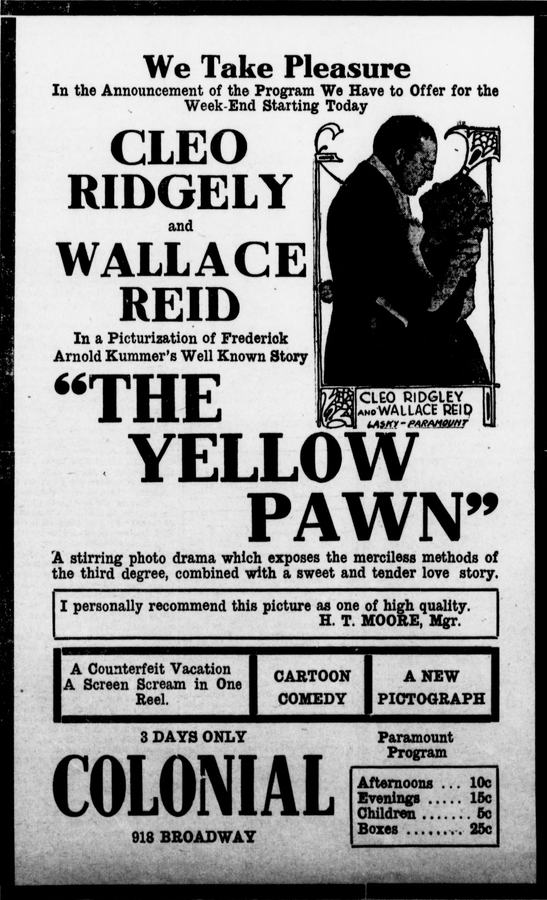
The studio scenes are masterfully lit, utilizing the primitive yet effective techniques of the time to create a sense of impending doom. The shadows that stretch across the canvas during the late-night sessions foreshadow the arrival of Tom, James’s brother. Tom represents the shadow-self of the Weldon family—the corrupt, grasping reality that threatens to derail James’s hard-won respectability. This fraternal conflict adds a layer of Shakespearean gravity to the proceedings, reminiscent of the moral dilemmas posed in The Chosen Prince, or the Friendship of David and Jonathan, though here the bond is one of toxicity rather than loyalty.
Perhaps the most fascinating and complex element of The Yellow Pawn is the character of Sen Yat, James’s servant. Played by George Kuwa, the character navigates the precarious 'Orientalist' tropes of the 1910s while simultaneously serving as the film’s ultimate moral arbiter. Sen Yat’s loyalty is absolute, yet it is a lethal loyalty. When he kills Tom to protect James’s property and reputation, he initiates a chain of events that exposes the fundamental rot in the American legal system.
While modern viewers might find the 'loyal servant' trope problematic, there is an undeniable power in Sen Yat’s silence. He observes everything and says nothing, until the moment of maximum impact. His final intervention—stabbing Perry to death just as the attorney prepares to murder James—is a visceral rejection of the 'pawn' status. In many ways, Sen Yat is the only character who acts with total clarity of purpose, unclouded by the romantic or ego-driven delusions that plague the white protagonists. This subversion of the 'subservient' role can be contrasted with the more traditional depictions of class and service seen in The Waifs.
The courtroom sequences in The Yellow Pawn are a masterclass in tension. Allen Perry’s role as the prosecutor against the man he believes is his wife’s lover is a staggering conflict of interest that the film uses to highlight the fallibility of the law. Perry doesn’t want a conviction; he wants an execution. He wants to erase James Weldon from the map of Kate’s heart. This misuse of the state's power for personal vendetta is a theme that resonates even today, echoing the darker undertones of Winner Takes All, where the stakes of the 'game' are life and death.
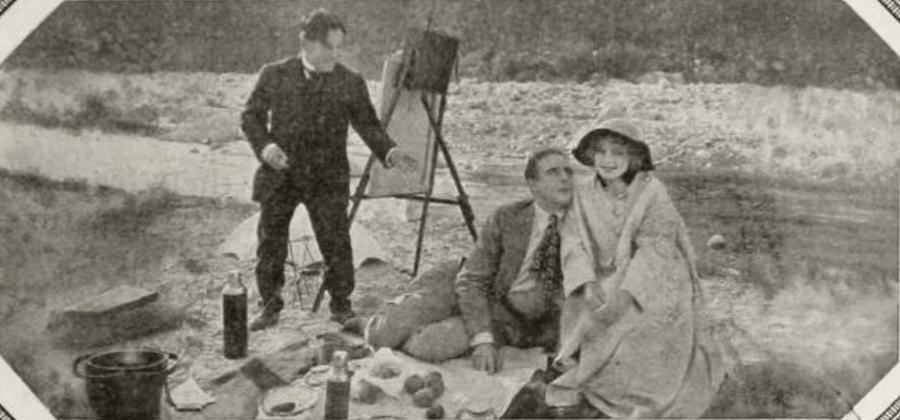
Kate’s decision to testify is the film’s turning point. By admitting she was at the studio, she effectively destroys her own social standing to save James. In the social climate of 1916, this was a radical act of self-immolation. She becomes a 'fallen woman' in the eyes of the law, but a hero in the eyes of the audience. The psychological pressure of this moment is captured through intense close-ups, a technique that was still evolving at the time but is used here with surgical precision. The emotional weight is similar to the tragic revelations in Molchi, grust... molchi, where the silence of the medium amplifies the internal scream of the protagonist.
When comparing The Yellow Pawn to other films of its era, such as The House with the Golden Windows, one notices a distinct difference in the treatment of domesticity. While the latter often focuses on the aspirational aspects of the home, The Yellow Pawn treats the home as a site of surveillance. The Perry household is a prison, whereas James’s studio is a sanctuary—albeit a fragile one. This dichotomy is further explored in Silence of the Dead, where the physical environment becomes an extension of the character’s psyche.
Furthermore, the film’s pacing is remarkably modern. It eschews the episodic nature of many early features for a more cohesive, escalating structure. The way the plot threads—the sister’s need, the artist’s rise, the brother’s greed, and the servant’s loyalty—converge in the final act is a testament to the screenplay by Margaret Turnbull and Frederic Arnold Kummer. Their work here is far more sophisticated than the pulpier narratives of The Border Legion or the melodrama of From the Valley of the Missing.
The resolution of The Yellow Pawn is both shocking and deeply satisfying. The death of Allen Perry at the hands of Sen Yat is not just a plot convenience; it is a symbolic purging of the corrupt forces that held Kate and James apart. Sen Yat’s confession to both murders—the accidental killing of Tom and the intentional execution of Perry—positions him as a tragic figure who sacrifices his own life to ensure the happiness of his master. This level of devotion, while typical of the era's racialized storytelling, is elevated by George Kuwa’s dignified performance.
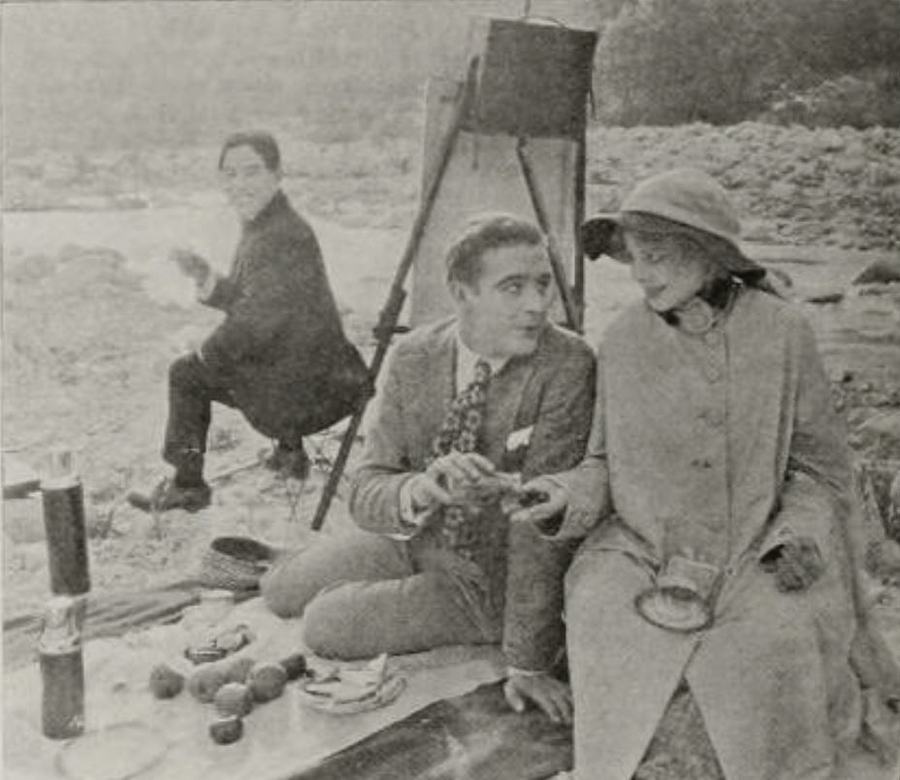
As Kate and James are finally reunited, the 'pawn' of the title is no longer a piece to be moved by others. Kate has reclaimed her agency, James has maintained his integrity, and the legal system's corruption has been laid bare. The film ends not with a simple 'happily ever after,' but with a sense of weary relief. They have survived a system designed to crush them. This ending bears a thematic resemblance to the resolution in La principessa di Bagdad, where the protagonists must navigate a sea of treachery to find a fleeting moment of peace.
The Yellow Pawn remains a vital piece of cinema history because it refuses to simplify the human experience. It acknowledges that love often requires sacrifice, that justice is often a tool of the powerful, and that true loyalty is a rare and dangerous thing. For those interested in the evolution of the legal thriller or the psychological melodrama, this film is essential viewing. It stands alongside other innovative works like Il film rivelatore in its ability to use the camera as a tool for unmasking the truth.
Whether it is the haunting performance of Wallace Reid as James Weldon or the intricate plotting that keeps the viewer guessing until the final frame, The Yellow Pawn is a testament to the sophistication of early Hollywood. It avoids the preachy moralizing of The Penny Philanthropist and the simplistic heroism of The Square Deceiver, opting instead for a complex, morally grey exploration of the human heart. In the end, the 'Yellow Pawn' is no longer a victim of the board, but the one who finally breaks the game.
Reflecting on the silent era's ability to convey profound emotional truths without a single spoken word, one cannot help but be moved by the enduring power of Kate Turner's journey. Like the lighthouse keeper in Fyrvaktarens dotter, she stands as a beacon of resilience in a world of crashing waves and shifting tides.
IMDb —
1934
Community
Log in to comment.