DbcultAccessing Vault...
Cult Review
Senior Film Conservator
In the bustling, often superficial world of early 20th-century celebrity, where public image was meticulously crafted and consumed with voracious appetite, a cinematic trifle like "Bee's Knees" emerges not merely as a relic of forgotten laughter but as a surprisingly incisive commentary on human foibles. This 1923 short, a vibrant testament to the era's burgeoning obsession with sensationalism and the power of visual media, masterfully weaves a narrative of journalistic ambition thwarted and ultimately transformed by a clever ruse and a dash of sartorial magic. The film, concise yet brimming with character and thematic depth, offers a delightful peek into the comedic sensibilities of its time, presenting a world where perception often trumps reality, and a well-placed photograph can ignite or extinguish a career with equal swiftness. It's a testament to the enduring appeal of the underdog narrative, juxtaposed with a sharp critique of superficial values.
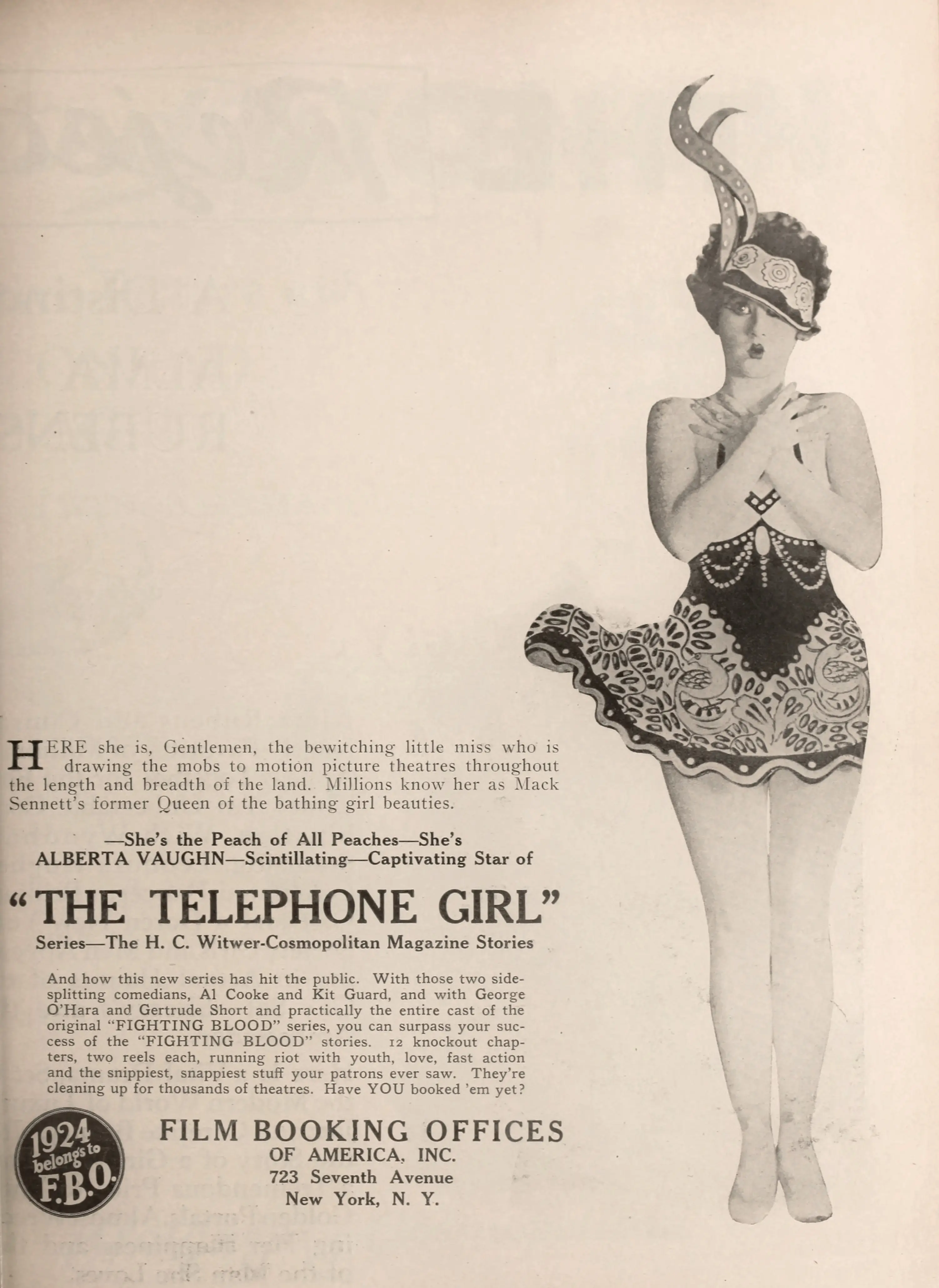
At its core, "Bee's Knees" is a delicious exploration of media manipulation and the lengths to which individuals, both within and outside the spotlight, will go to control narratives and achieve fleeting fame. Our protagonist, a press agent (portrayed with an earnest, almost desperate zeal by Kit Guard), is consumed by a singular, rather peculiar mission: to obtain a photograph of a celebrated star's knees. This isn't just about a salacious scoop; it's about capturing an elusive, perhaps even metaphorical, essence of celebrity – a titillating detail that promises to electrify newspaper headlines and bolster his professional standing. The star, an astute manipulator of her own fame, embodied with a knowing glint by Alberta Vaughn, recognizes the agent's fervent desire but staunchly refuses to grant him this specific, arguably absurd, honor. Her refusal, however, isn't born of prudishness but of strategic cunning, a calculated move to maintain control over her carefully curated public persona.
What transpires next is a brilliant comedic pivot, showcasing the film's sharp wit. Instead of outright rejection, the star devises a masterful deception, palming off on the eager agent the photograph of another woman entirely – a veritable "frump," a character designed to embody the antithesis of glamour and conventional attractiveness. This substitution is not merely a gag; it’s a profound statement on the malleability of perception, particularly in an age where images held immense, almost unquestionable, power. The agent, blinded by his ambition and perhaps a touch of profound naiveté, is utterly convinced he has secured his prize. His delight is so profound, so absolute, that he not only celebrates his supposed journalistic triumph but, in a dizzying leap of illogical romanticism, agrees to marry the woman he believes to be the star, based solely on the doctored image. This comedic escalation perfectly underscores the film's critique of superficiality: a man is willing to commit to a lifelong union based on a visual deception, rather than genuine connection or even a fleeting real-world encounter. It's a biting commentary on how easily the public, and even those in the trade, can be swayed by fabricated realities.
The true comedic zenith arrives when the agent finally encounters the "frump" in the flesh. The stark, undeniable contrast between the idealized image he cherished and the unvarnished reality before him triggers a near-catastrophic collapse of his meticulously constructed fantasy. His shock, his dismay, his utter disillusionment, are played for maximum comedic effect, highlighting the profound chasm between expectation and actuality. It’s a moment that could easily veer into cruelty, but "Bee's Knees" deftly navigates this, ensuring the humor stems from the agent's misguided perceptions and his own superficiality rather than the woman's inherent appearance. This pivotal scene serves as a powerful reminder of the dangers of judging solely by appearances and the often-humorous consequences of such narrow-mindedness.
However, the narrative refuses to leave its "frump" character in a state of perpetual comedic ignominy. This is where the true heroine of the piece, a character whose agency and insight provide the moral and narrative fulcrum, steps in. With a keen eye for potential and an intuitive understanding of the transformative power of presentation, she undertakes a remarkable metamorphosis. The "frump," initially a figure of unassuming plainness and sartorial neglect, is meticulously dressed, styled, and perhaps even coached in deportment, until she is utterly unrecognizable. This isn't merely a superficial makeover; it's a complete re-envisioning of her public persona, a testament to the idea that attractiveness, particularly in the public sphere, is often a carefully constructed artifice, a performance rather than an inherent quality. This transformation speaks volumes about societal beauty standards and their arbitrary nature.
The culmination of this transformation is nothing short of triumphant. The woman, once overlooked and dismissed, becomes an undeniable magnet, drawing the fervent admiration of every eligible bachelor in her vicinity. The irony is rich and deeply satisfying: the agent, initially repulsed, now finds himself among a throng of suitors, all vying for the attention of the very woman he had so recently scorned and rejected. This final act of the film delivers a powerful, albeit lighthearted, message about the mutable nature of beauty, the societal pressures that dictate attractiveness, and the profound impact of presentation. It suggests that while initial perceptions can be deceiving, the right 'packaging' can indeed alter one's destiny, at least in the realm of romantic pursuit. The film, in this regard, shares a thematic thread with features like Vanity's Price, which similarly delves into the societal cost and perceived value of physical appearance, albeit often with a more dramatic and less comedic underpinning. Both films, in their distinct ways, explore the chasm between outward show and intrinsic worth.
While specific directorial credits for such shorts can sometimes be elusive, the performances within "Bee's Knees" are pivotal to its enduring charm and comedic efficacy. Kit Guard, as the press agent, delivers a performance steeped in physical comedy and exaggerated expressions, characteristic of the silent era. His shifts from eager anticipation to profound dismay are palpable, drawing the audience into his hapless predicament with a blend of sympathy and amusement. His rubbery face and frantic gestures are perfectly calibrated for the broad strokes of silent humor. Alberta Vaughn, as the cunning star, exudes an air of sophisticated mischief, her subtle gestures and knowing glances conveying a depth of character beyond the two-dimensional screen. She embodies the allure and strategic mind of a true celebrity, effortlessly manipulating those around her.
Lige Conley and Al Cooke, likely playing some of the subsequent suitors or supporting characters, contribute to the ensemble, ensuring the comedic timing remains crisp and the reactions appropriately over-the-top, adding layers to the final, bustling scene. The uncredited actress embodying the "frump" and her glorious transformation is particularly noteworthy, as her portrayal requires a significant range, moving from understated plainness to captivating allure, a silent testament to her acting prowess. Her ability to convey such a dramatic shift in persona without a single spoken word is a highlight of the film. The screenplay, penned by H.C. Witwer, demonstrates a keen understanding of comedic pacing and character archetypes. Witwer, known for his witty short stories, translates his knack for engaging narratives into a cinematic format, ensuring that even within the confines of a short film, a full arc of deception, revelation, and transformation is achieved. The narrative progression is swift, yet never feels rushed, allowing each comedic beat to land effectively and contribute to the overall satirical thrust.
IMDb 6.1
1922
Community
Log in to comment.