DbcultAccessing Vault...
Cult Review
Senior Film Conservator
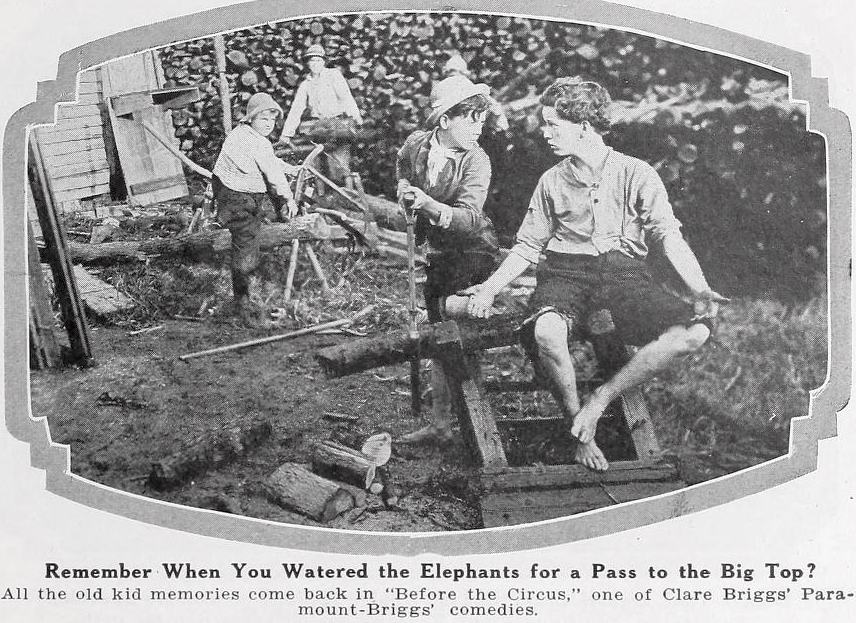
Before the Circus unfurls like a meticulously stitched tapestry, each thread a character’s yearning, each knot a suppressed memory. The film’s title, deceptively simple, operates on a dual plane: it denotes the temporal space preceding the arrival of the circus, and it gestures toward the internal circuses that rage within each protagonist. This structural bifurcation allows director Doty Hobart to juxtapose the external spectacle of the traveling troupe against the intimate drama of the Carr family, creating a chiaroscuro of desire and dread that recalls the emotional economy of The Eternal Question while forging its own distinct visual lexicon.
The circus, in Hobart’s hands, is less a setting than a metaphorical crucible. Its arrival is heralded by a procession of lantern‑lit wagons, the orange glow of fire‑breathers, and the low‑rumble of a distant drum that seems to echo the heartbeats of the town’s residents. This visual motif, rendered in a palette dominated by dark orange (#C2410C) and sea‑blue shadows (#0E7490), underscores the tension between the mundane and the magical. The audience is invited to perceive the circus not merely as entertainment but as a catalyst that forces the Carrs to confront the performative aspects of their own lives.
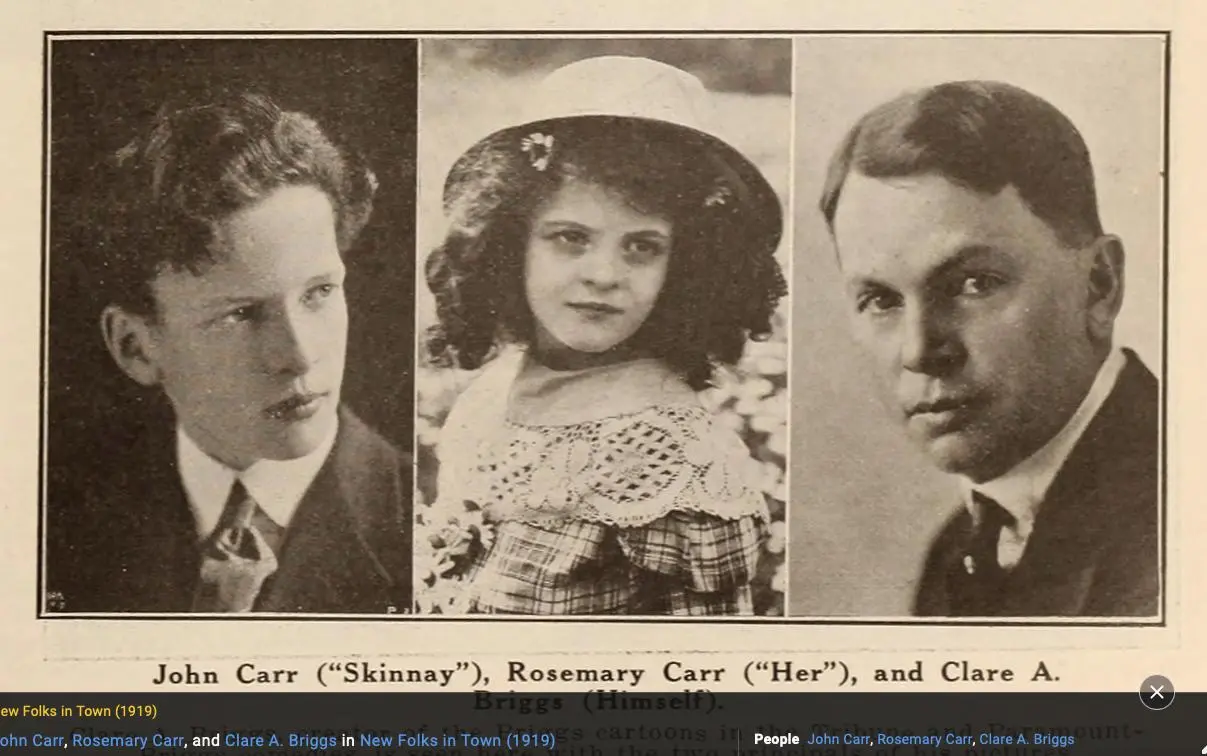
Clarence McGinty, embodying the circus manager, delivers a performance that oscillates between enigmatic charm and unsettling authority. His eyes, perpetually half‑closed, suggest a man who has witnessed the rise and fall of countless spectacles, and whose very presence carries the weight of histories unspoken. Stephen Carr, portrayed by Stephen Carr himself, offers a restrained portrayal of a man whose stoicism masks a cavernous grief. The actor’s deliberate pacing, punctuated by occasional tremors in his voice, evokes the lingering trauma of soldiers returning from conflict—a theme that resonates with the post‑war undercurrents explored in Captain Starlight, or Gentleman of the Road.
Rosemary Carr, played by Rosemary Carr, is a study in quiet desperation. Her gestures are precise, her smile a practiced veneer that cracks under the weight of unfulfilled dreams. The actress employs a palette of micro‑expressions—subtle furrowing of the brow, a fleeting glance toward the circus tents—that convey a yearning for a life beyond the domestic sphere. John Carr’s youthful exuberance, captured by John Carr, brings a kinetic energy that contrasts sharply with his parents’ inertia. His fascination with the rusted carousel horse becomes a visual allegory for the cyclical nature of hope and disappointment.
When measured against the ensemble dynamics of No Children Wanted, the Carr family’s interactions feel more claustrophobic, as if each dialogue is a rope stretched to its limit. The restraint exhibited by the actors mirrors the film’s broader aesthetic restraint, where every frame is composed with the precision of a circus act.
Cinematographer Clare A. Briggs employs a visual language that is at once austere and sumptuous. The opening sequences are bathed in a muted, almost monochrome palette, allowing the later introduction of the circus’s vivid hues to explode onto the screen like fireworks. The strategic use of dark orange (#C2410C) during moments of emotional climax—such as Stephen’s confession beneath the flickering lanterns—creates a visceral warmth that envelops the viewer. Conversely, the sea‑blue (#0E7490) washes over scenes of introspection, particularly when John tinkers with the carousel, imbuing those moments with a sense of melancholy serenity.
Briggs’ camera often lingers on textures: the grain of the wooden floorboards, the frayed edges of a circus banner, the dust motes that dance in shafts of amber light. These details serve as visual metaphors for the characters’ internal states, echoing the tactile storytelling found in Rolling Stones. The decision to retain a black background throughout the film reinforces the notion that the circus, with its flamboyant colors, is a temporary intrusion into an otherwise shadowed existence.
Lighting is employed not merely for illumination but as a narrative conduit. During the climactic performance, spotlights converge on the central ring, casting elongated silhouettes that mirror the characters’ fragmented identities. The interplay of light and darkness becomes a visual soliloquy, articulating what dialogue cannot. This technique recalls the chiaroscuro employed in The Crucible of Life, yet Hobart’s execution feels uniquely his own, infusing each beam with symbolic weight.
Doty Hobart and Clare A. Briggs have crafted a script that rewards repeated viewings. The dialogue is sparse, each line laden with subtext. When Stephen remarks, “We’ve all been waiting for the show to begin,” the line functions on two levels: a literal reference to the circus and a metaphorical acknowledgment of his own life’s stagnation. The recurring motif of the carousel horse—its rusted metal echoing the decay of forgotten dreams—serves as a tangible anchor for the film’s exploration of memory and renewal.
The screenplay also interweaves intertextual nods to classic circus narratives, yet subverts them. Unlike the jubilant optimism of The Spitfire of Seville, Before the Circus adopts a more somber tone, suggesting that the spectacle is not a panacea but a mirror reflecting the audience’s own imperfections. The script’s structure—three acts mirroring the three phases of the circus (arrival, performance, departure)—provides a rhythmic cadence that resonates with the audience’s expectations while simultaneously challenging them.
The film’s most potent lines are often delivered in whispers, as if the characters are aware of being observed. When Rosemary confides, “I once dreamed of being under the big top, not behind it,” the confession reverberates beyond her personal narrative, encapsulating the universal longing for agency. Such moments echo the thematic depth found in For sin Dreng, where personal aspiration collides with societal constraints.
The auditory design of Before the Circus is a masterclass in subtlety. Ambient sounds—crackling campfires, distant animal calls, the low hum of the circus’s organ—are layered with a minimalist score that employs a lone violin, its timbre oscillating between mournful and hopeful. The music swells during the climactic ring performance, where the brass section punctuates the tension, yet never overwhelms the intimate moments of character introspection. This restraint mirrors the film’s visual philosophy, where excess is eschewed in favor of emotional precision.
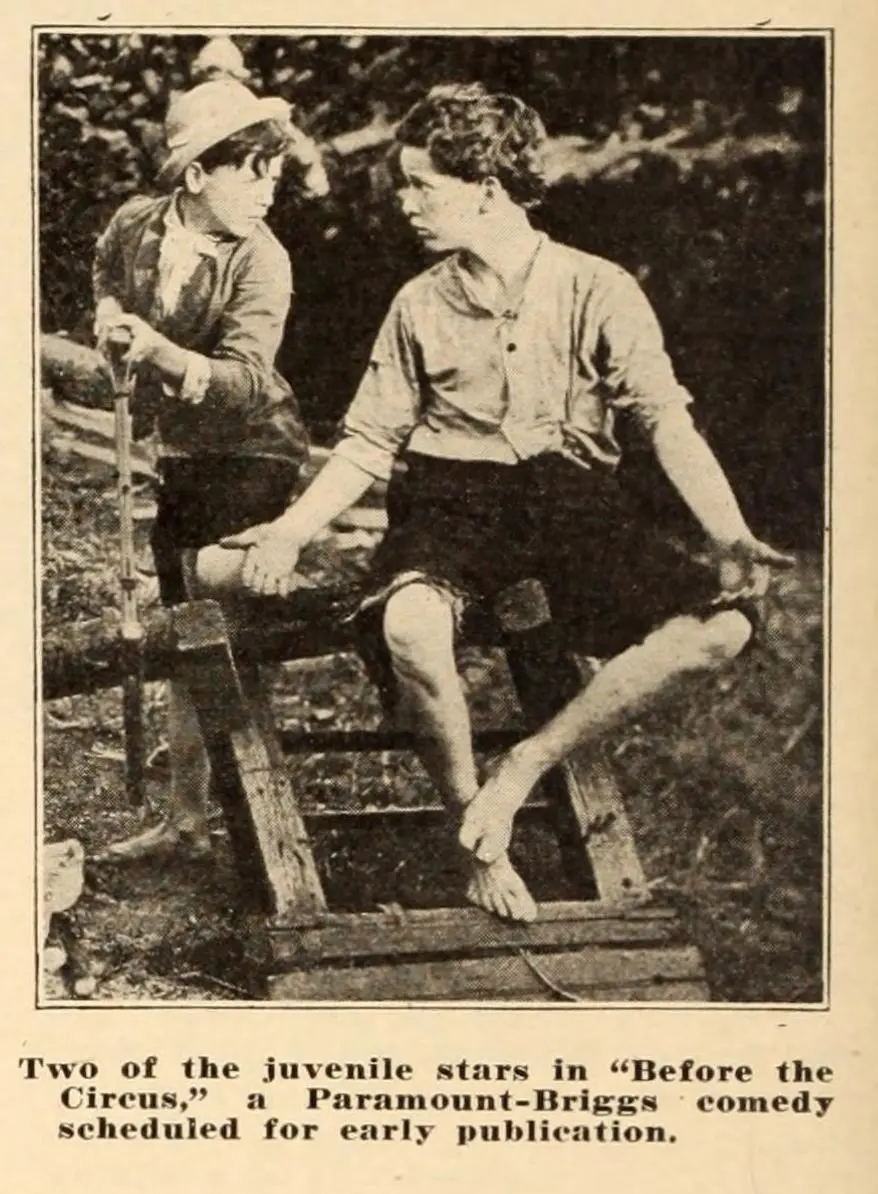
The sound design also incorporates diegetic elements, such as the clatter of John’s tools as he repairs the carousel horse. These sounds become rhythmic motifs, underscoring his journey from curiosity to agency. The auditory palette is reminiscent of the soundscapes in Manya, die Türkin, where environmental noises are integral to narrative propulsion.
Strategic silences punctuate the film’s most emotionally charged scenes. When Stephen finally confronts his wartime trauma, the absence of music amplifies the rawness of his confession, compelling the audience to fill the void with their own empathy. This use of silence aligns with the principle that what is left unsaid often carries greater weight than spoken exposition.
Before the Circus occupies a liminal space within contemporary cinema, bridging the gap between period melodrama and modern psychological thriller. Its thematic preoccupations—memory, performance, the dichotomy between public façade and private reality—resonate with the narrative concerns of Souls Triumphant and Manden med Arret. However, Hobart’s insistence on visual restraint and auditory minimalism sets the film apart, offering a fresh perspective on the age‑old trope of the traveling circus as a harbinger of change.
Culturally, the film invites discourse on the role of spectacle in societal healing. By positioning the circus as both a literal and figurative catalyst, the narrative suggests that communal experiences—though fleeting—can illuminate hidden fissures within a community. This notion aligns with contemporary scholarly discussions on performative catharsis, making the film a valuable text for both cinephiles and academics alike.
Given its intricate layering of symbolism, the film is poised to become a staple in film studies curricula, particularly in courses examining the intersection of visual art and narrative structure. Its deliberate pacing and emphasis on mise‑en‑scene render it an ideal case study for discussions on auteur theory, reinforcing Doty Hobart’s emerging status as a filmmaker of considerable depth.
Before the Circus stands as a testament to the power of restraint. Every frame, every line of dialogue, and every note of music is calibrated to serve a larger thematic purpose. The film’s ability to weave an intimate family drama into the larger tapestry of a circus’s transient magic demonstrates a mastery of narrative balance rarely seen in contemporary cinema. For viewers seeking a film that rewards patience, observation, and emotional investment, this work offers a richly textured experience that lingers long after the final curtain falls.
IMDb —
1930
Community
Log in to comment.