DbcultAccessing Vault...
5.6/10
Senior Film Conservator
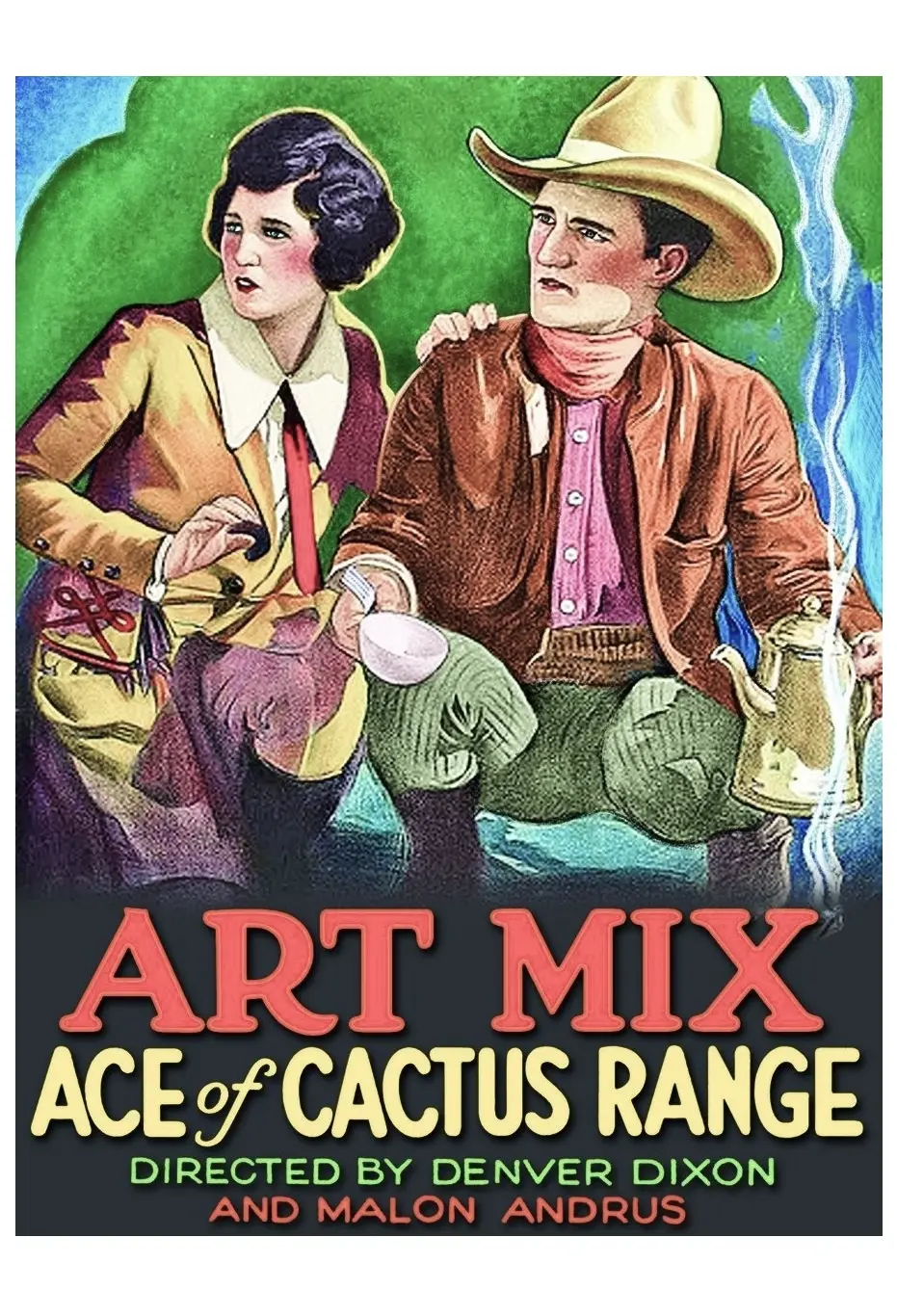
A definitive 5.6/10 rating for a film that redefined the boundaries of cult cinema. Ace of Cactus Range remains a cornerstone of transgressive art.
There's a certain raw, unvarnished charm to the Westerns of yesteryear, a quality that often gets lost in the bombast and overproduction of modern cinema. Ace of Cactus Range, a film that might otherwise languish in the forgotten reels of cinematic history, possesses this charm in spades, delivering a narrative that, while ostensibly straightforward, manages to weave a surprisingly engaging tapestry of deceit, courage, and the relentless pursuit of justice. It’s a film that asks us to suspend our disbelief not with grand special effects, but with the sheer force of its characters' conviction and the stark, beautiful brutality of its setting. The story, penned by the collaborative efforts of Irving Goldstein, Nellie Whitefield, and Al Martin, is a testament to the enduring appeal of the classic good-versus-evil trope, yet it imbues it with enough twists and turns to keep even a jaded viewer invested.
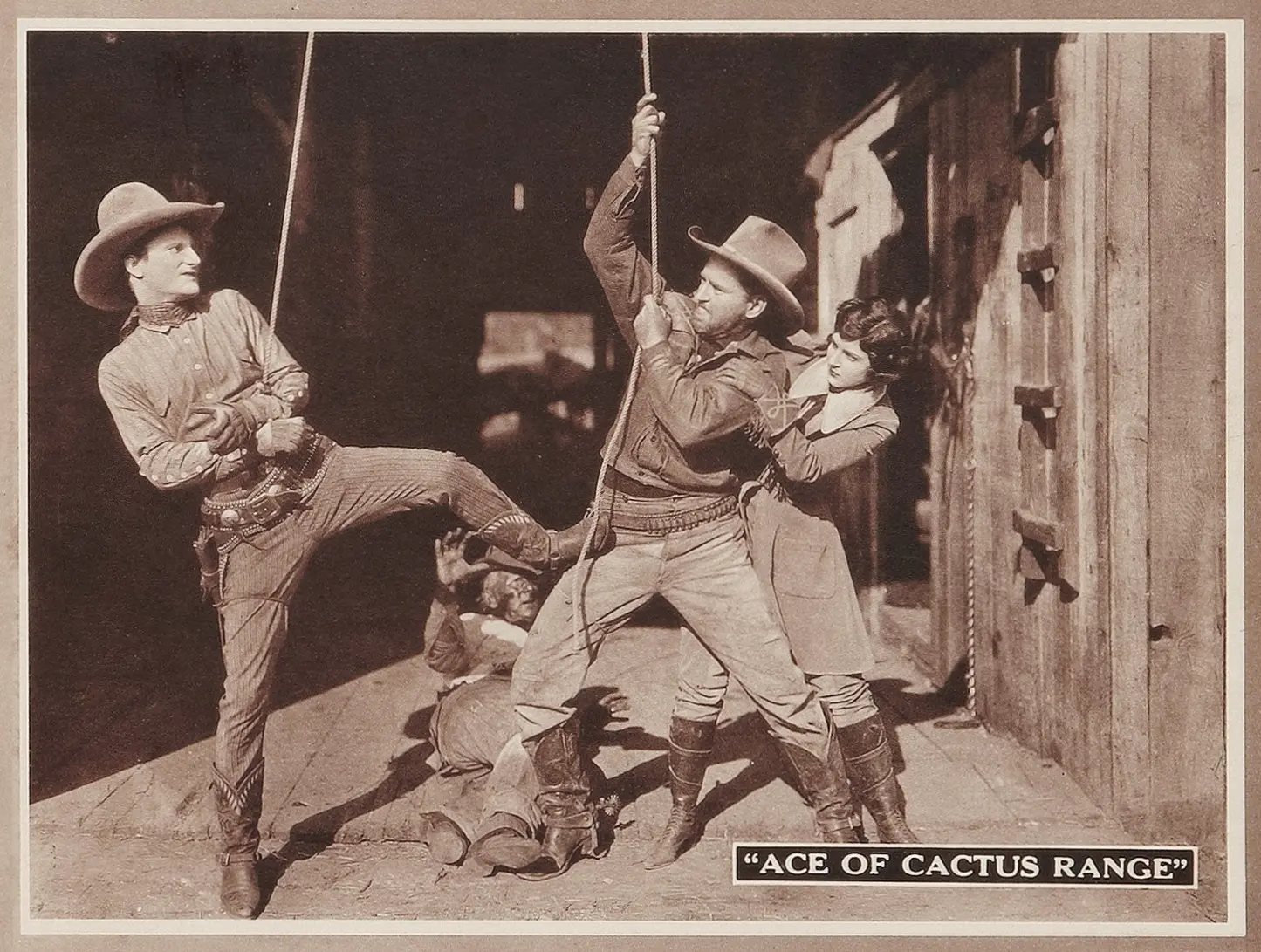
At its heart, the film is a classic undercover operation, a trope that has served countless thrillers well across genres. Here, however, it is transplanted to the dusty, sun-scorched plains where an undercover agent, Bob Cullen, portrayed by the stoic Harvey Stafford, must infiltrate a gang of diamond thieves. Stafford, a name that might not immediately resonate with contemporary audiences, brings a quiet intensity to Cullen that is utterly compelling. He’s not a man of many words, but his actions speak volumes, often conveyed through a subtle shift in his gaze or the determined set of his jaw. This understated performance is crucial, allowing the audience to project their own anxieties and hopes onto his perilous mission. It’s a performance that reminds one of the strong, silent types who populated the golden age of Hollywood, characters whose moral compass was unshakeable even when surrounded by depravity. His interactions with King the Horse, a true equine co-star, are particularly noteworthy, showcasing a believable bond that adds an unexpected layer of warmth to an otherwise tense narrative.
The stakes are immediately apparent: a syndicate of diamond thieves operating with alarming impunity, threatening the very economic stability of the region. The film doesn’t waste time with elaborate backstories for the villains, instead allowing their ruthlessness to manifest through their actions. Art Mix, Charles Mears, and A.W. Dearie, among others, embody the various shades of villainy, from the cunning strategist to the brutish enforcer. Art Mix, in particular, has a menacing presence that is palpable, making his character a formidable adversary for Cullen. Their performances, while perhaps lacking the psychological depth of modern antagonists, are perfectly suited to the film's gritty, no-nonsense aesthetic. They are bad because they are bad, and their motivations are clear: greed. This simplicity, far from being a weakness, allows the narrative to maintain a brisk pace, focusing on the cat-and-mouse game rather than delving into convoluted ethical dilemmas.
One cannot discuss Ace of Cactus Range without acknowledging its visual grammar. While the production values might appear modest by today's standards, there’s an authenticity to the wide-open vistas and the dusty town sets that is genuinely immersive. The cinematography, though uncredited in many historical records, captures the harsh beauty of the Western landscape with an almost documentary-like precision. The sun beats down relentlessly, the shadows stretch long and ominous, and the vastness of the terrain underscores the isolation of Cullen’s mission. This environmental storytelling is a powerful tool, making the landscape itself a character in the drama, a silent witness to the unfolding conflict. It’s a stark contrast to the more stylized, almost theatrical settings seen in films like Camera Obscura, which relies on intricate interior designs to convey mood. Here, the mood is dictated by the untamed wild.
The writers, Goldstein, Whitefield, and Martin, craft a plot that, despite its apparent simplicity, is remarkably efficient. Every scene serves a purpose, driving the narrative forward without extraneous fluff. The unfolding of Cullen's infiltration, his delicate balancing act between maintaining his cover and gathering crucial intelligence, is handled with a surprising degree of tension. There are moments of genuine suspense, particularly when Cullen’s identity is almost compromised, or when he must make split-second decisions that could unravel his entire operation. This taut plotting ensures that the audience remains engaged, constantly wondering when and how the leader of the diamond thieves will finally be unmasked. It’s a testament to their ability to build suspense through character interaction and escalating stakes, rather than relying on cheap thrills.
Compared to other Westerns of its era, Ace of Cactus Range holds its own. It might not possess the epic scope of The Lion of the Hills, nor the overt romanticism of The Fighting Shepherdess, but it offers a grounded, workmanlike approach to the genre that is refreshing. It’s less about grand pronouncements and more about the quiet heroism of an individual doing what needs to be done. The supporting cast, including Charles Mears, A.W. Dearie, Charles Colby, Dorothy Chase, Virginia Warwick, Clifford Davidson, and H. Paul Walsh, contribute to the film’s rich tapestry, each playing their part in creating a believable community, however fractured by criminal enterprise. Their performances, while often brief, add texture and depth to the world Cullen inhabits, making the stakes feel more personal and immediate.
The film’s pacing is another strong suit. It’s deliberate, allowing scenes to breathe and characters to develop through their actions rather than lengthy exposition. This unhurried approach, common in films of this period, stands in stark contrast to the rapid-fire editing and constant sensory overload of many modern productions. It encourages the viewer to settle in, to absorb the atmosphere, and to appreciate the nuances of the performances. This isn't a film that rushes to its conclusion; instead, it allows the tension to build organically, culminating in a satisfying, if predictable, showdown. This methodical build-up is something that even contemporary thrillers could learn from, demonstrating that true suspense often lies in the anticipation, not just the explosive climax.
What truly elevates Ace of Cactus Range beyond a mere genre exercise is its keen understanding of the Western archetype. Bob Cullen is the quintessential lone wolf, a man operating on the fringes, driven by a moral code that transcends the lawlessness around him. His struggle isn’t just against the diamond thieves; it’s against the pervasive sense of lawlessness that threatens to engulf the frontier. The film, in its own understated way, explores themes of justice, redemption, and the constant battle between order and chaos. It’s a narrative that resonates deeply, tapping into primal human desires for fairness and retribution. This thematic depth, while not overtly philosophical like Tao, is nonetheless present and powerful, offering more than just simple entertainment.
The action sequences, while not as elaborate as those found in later Westerns, are effective and impactful. They are grounded in realism, focusing on practical stunts and genuine horseback riding. The fistfights are gritty, the shootouts quick and decisive, reflecting the harsh realities of frontier justice. There’s no glorification of violence, merely its depiction as a necessary, albeit brutal, tool in the pursuit of order. These sequences are seamlessly integrated into the narrative, serving to advance the plot and heighten the stakes rather than existing purely for spectacle. It’s a refreshing change from the often over-the-top choreography that can detract from the emotional core of a story. Think of the straightforward, no-nonsense confrontations in films like Shift the Gear, Freck, where every punch carries weight.
The film also touches upon the social dynamics of the frontier, albeit subtly. The presence of characters like Dorothy Chase and Virginia Warwick, though not central to the main plot, provides a glimpse into the lives of women in this rugged environment. They are not merely passive bystanders but active participants, however limited their roles might appear. Their resilience and strength are implied, adding another layer of authenticity to the world depicted. This attention to detail, even in minor roles, speaks to the craftsmanship of the filmmakers and their desire to create a believable, lived-in world for their story to unfold within. It avoids the one-dimensional portrayal of characters often seen in lesser genre films, giving even the background players a sense of purpose.
In an era where cinema was still finding its voice,
The collaborative efforts of the writers, Irving Goldstein, Nellie Whitefield, and Al Martin, are particularly evident in the way the plot threads are woven together. They manage to maintain a sense of mystery regarding the true leader of the diamond gang for a significant portion of the film, ensuring that the reveal is impactful. This sustained suspense is a hallmark of good writing, keeping the audience guessing without resorting to cheap red herrings. Their understanding of character motivation, however simple, ensures that the actions of both hero and villain feel authentic within the world they’ve created. This is a far cry from the often convoluted and inconsistent characterizations found in some B-movies, providing a sturdy foundation for the performances to build upon.
Ultimately, Ace of Cactus Range is more than just a relic of a bygone era; it’s a vibrant, engaging piece of cinematic history that continues to entertain and inform. It offers a window into the filmmaking sensibilities of its time, showcasing a dedication to storytelling that prioritizes clarity, character, and genuine excitement. For those who appreciate the foundational works of the Western genre, or simply enjoy a well-told tale of good triumphing over evil, this film is a rewarding experience. It’s a reminder that sometimes, the greatest treasures are found not in the most obvious places, but in the dusty, overlooked corners of cinematic archives. Its enduring appeal lies not in its grandeur, but in its honest depiction of a relentless struggle for justice, making it a compelling watch even today. It stands as a testament to the power of straightforward narrative in a world often obsessed with complexity, proving that a well-executed classic premise can still shine brightly, like a newly discovered diamond from the Cactus Range itself.
IMDb 6
1928
Community
Log in to comment.