DbcultAccessing Vault...
5.9/10
Senior Film Conservator
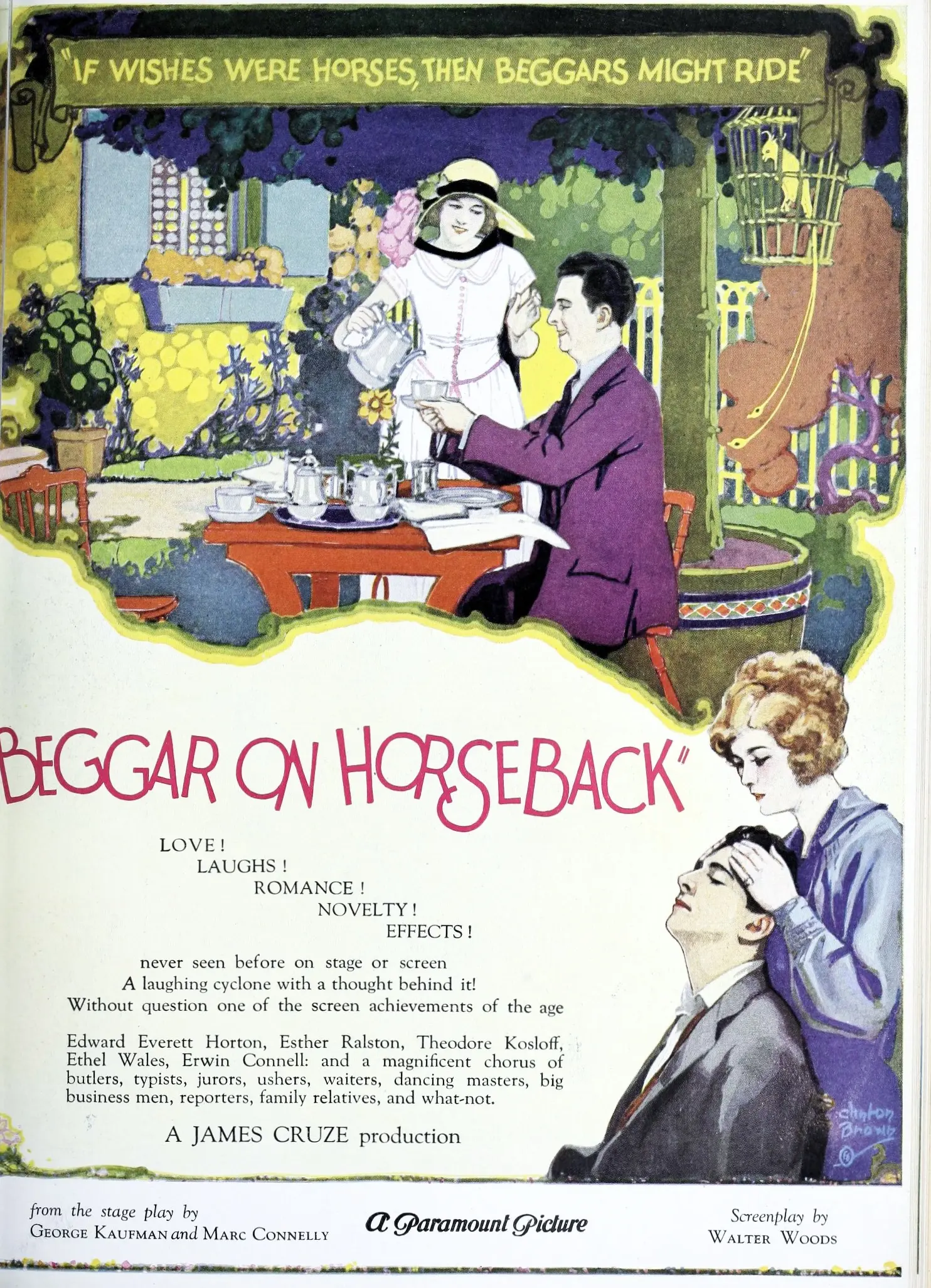
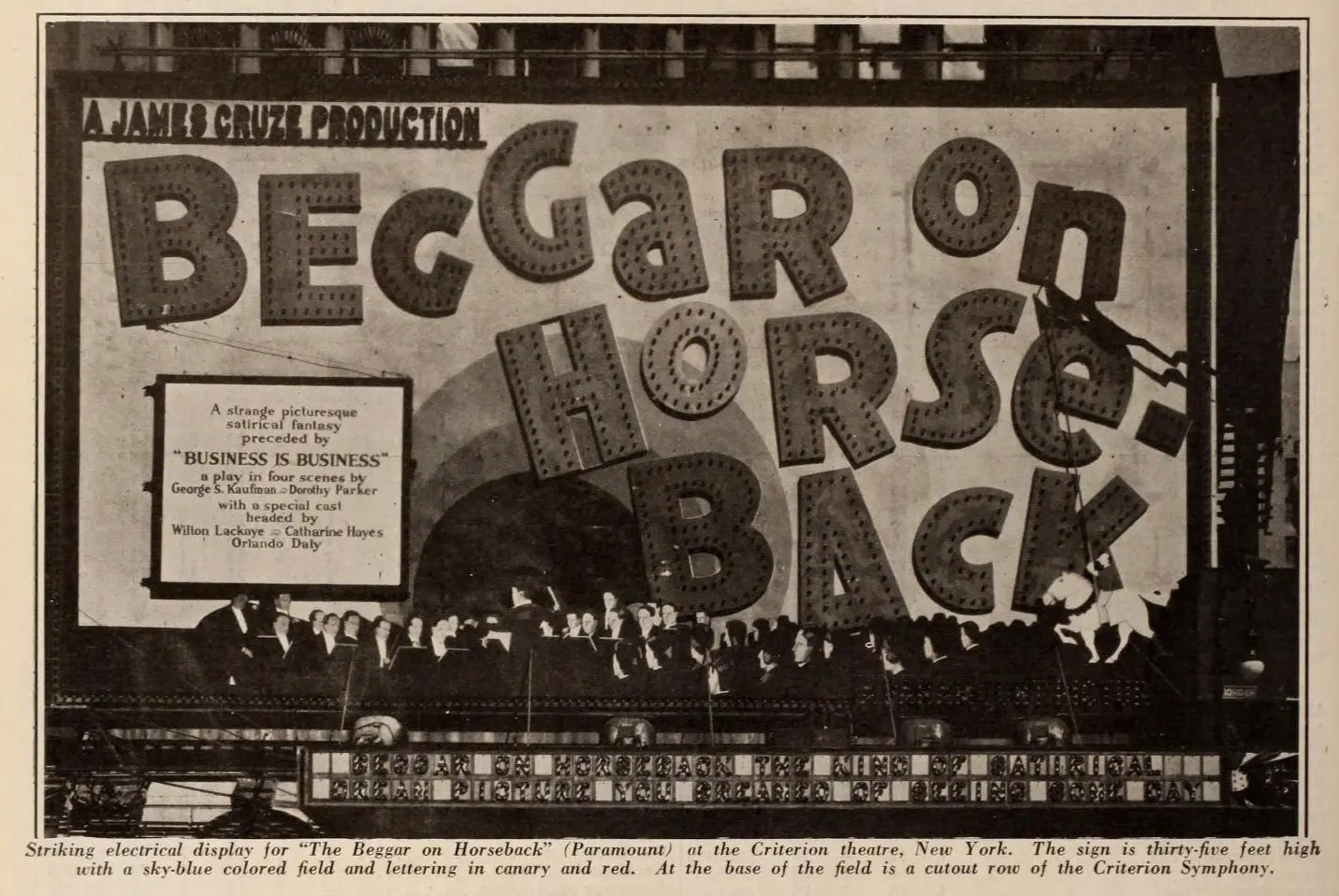
A definitive 5.9/10 rating for a film that redefined the boundaries of cult cinema. Beggar on Horseback remains a cornerstone of transgressive art.
In the cinematic realm of 1925, a year marked by the burgeoning art of silent filmmaking, Beggar on Horseback emerges as a thought-provoking morality tale, expertly navigating the complexities of love, ambition, and the human condition. This nuanced exploration, penned by Walter Woods, Marc Connelly, and George S. Kaufman, presents a scathing critique of a society where material wealth often supplants emotional fulfillment.
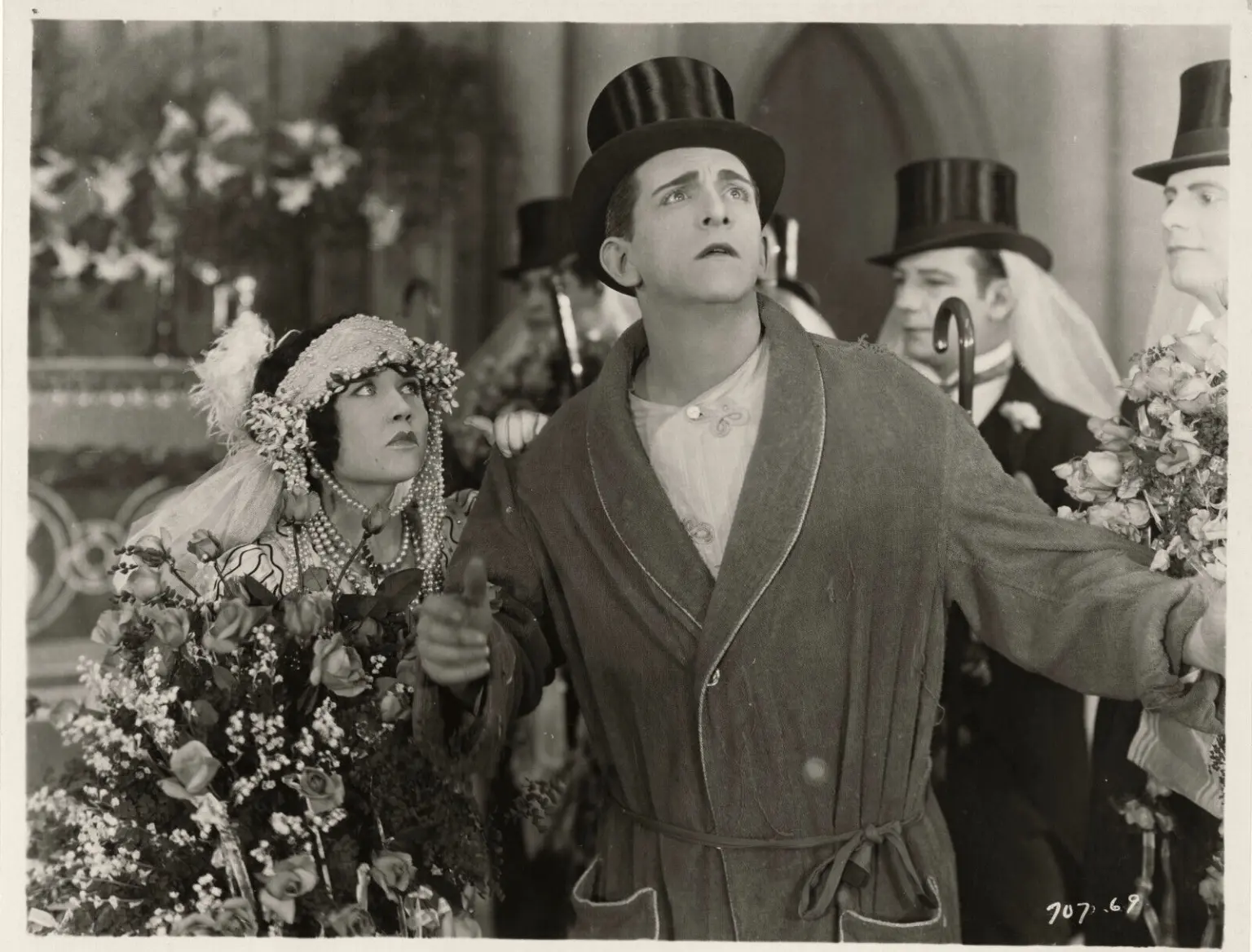
At the film's core lies Neil McRae, a talented yet impoverished composer, whose existence is a testament to the struggles of the artistic class. His impossible choice between pursuing a life with the captivating Cynthia Mason, a free-spirited embodiment of creative passion, and securing financial stability with the wealthy Gladys Cady, a symbol of bourgeois comfort, serves as the narrative's linchpin.
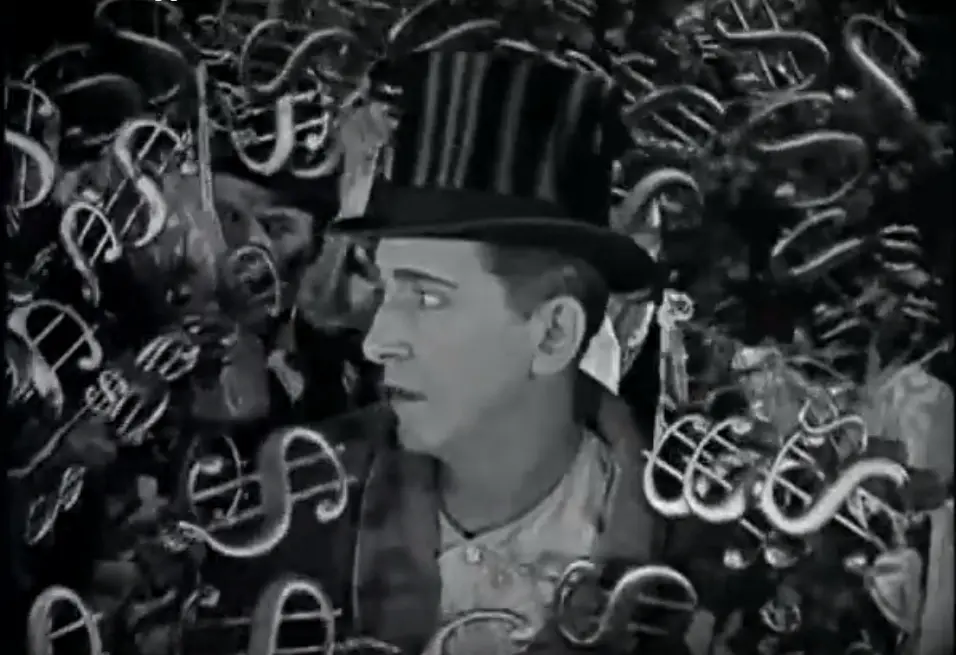
The fantastical nightmare sequence, wherein Neil's subconscious confronts the consequences of his decision, is a masterclass in surrealist storytelling. A The Little Diplomat-esque Master of Ceremonies orchestrates the dreamlike proceedings, replete with a non-sequitur band of frogs, their melodic croaking heightening the sense of unease. This hallucinatory episode skillfully distills Neil's inner turmoil, laying bare the tension between his artistic aspirations and the seductive allure of material security.
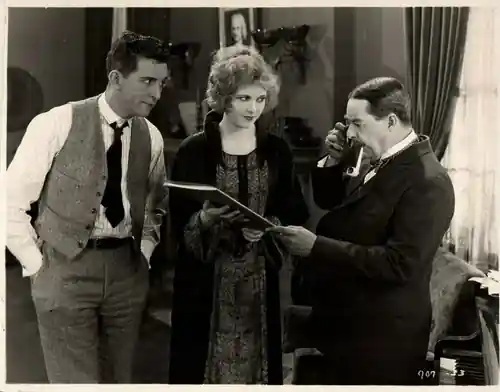
Gertrude Short and Frederick Sullivan deliver commendable performances as Cynthia and Neil, imbuing their characters with a palpable sense of longing. Esther Ralston, as the eponymous beggar's love interest, Gladys, brings a sense of entitlement and superficiality to her role, effectively conveying the vacuity of her character. The supporting cast, including Edward Everett Horton and Ethel Wales, add depth and texture to the narrative, their portrayals imbuing the film with a sense of authenticity.
Thematic resonance is achieved through the film's deft exploration of love, sacrifice, and the pursuit of happiness. Beggar on Horseback poses essential questions regarding the value of artistic passion and the true cost of material comfort. In doing so, the film aligns itself with a cinematic tradition that prioritizes introspection and emotional intelligence, recalling the likes of Sapho (1917) and St. Elmo (1923).
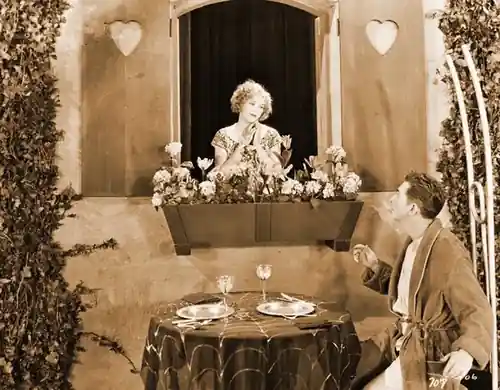
The cinematography, while not revolutionary, effectively captures the zeitgeist of the Roaring Twenties. The mise-en-scène, replete with ornate set designs and lavish costumes, provides a visually stunning backdrop for the drama to unfold. One cannot help but draw comparisons to Big Happiness and Black Is White, films that similarly employed visual grandeur to explore the intricacies of human relationships.
Upon reflection, Beggar on Horseback emerges as a seminal work, expertly balancing pathos and social commentary. This 1925 masterpiece invites viewers to contemplate the enduring struggle between love and ambition, encouraging introspection and empathy. As such, it remains an essential viewing experience for cinephiles and scholars alike, a poignant reminder of the power of cinema to illuminate the human condition.
Ultimately, the film's thought-provoking narrative and memorable performances render it a must-see for enthusiasts of silent cinema. By exploring themes of love, morality, and artistic passion, Beggar on Horseback solidifies its place within the pantheon of cinematic classics, alongside Going Straight (1920) and The Dummy.
The movie's availability, while not universally accessible, is a testament to its enduring appeal. For those interested in exploring the film's historical context, In the Spider's Grip and Matrimonial Web offer valuable insights into the societal attitudes of the time.
As a work of art, Beggar on Horseback continues to captivate audiences with its richly nuanced exploration of the human experience. It is a film that defies categorization, instead occupying a liminal space where art, morality, and social commentary intersect.

IMDb 6.2
1919
Community
Log in to comment.