DbcultAccessing Vault...
Cult Review
Senior Film Conservator
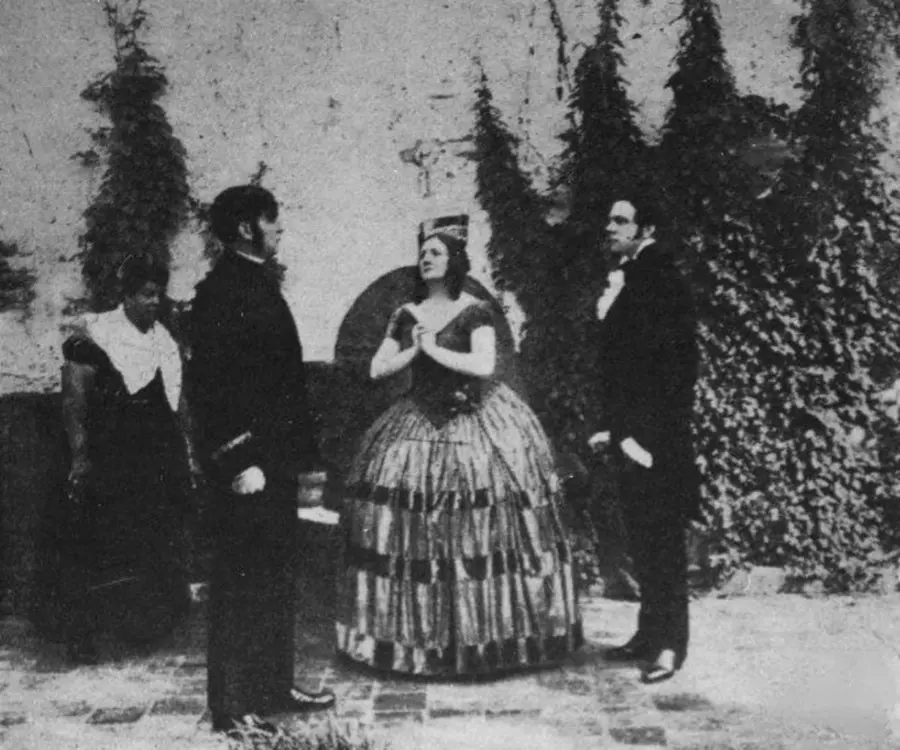
Picture the scene: candle-flame waltzing across polished oak, hymnals exhaling the scent of calfskin and beeswax, and a crystal bowl of punch that glints like liquid topaz. The prank is childish—rum decanted into sacramental lemonade—yet the fallout is cosmic. In one swig Arthur Rayburn’s vocation shatters into kaleidoscopic shards, each reflecting a different hell: the bishop’s apoplectic jowls, Rene’s gloved hand recoiling from his now-toxic palm, the marble vestry echoing with the thud of his collar cast to the floor. J.G. Hawks stages this debauch with a surgeon’s detachment; the camera does not leer at the drunken stagger but watches from pew-height, as though the lens itself were a penitent witness.
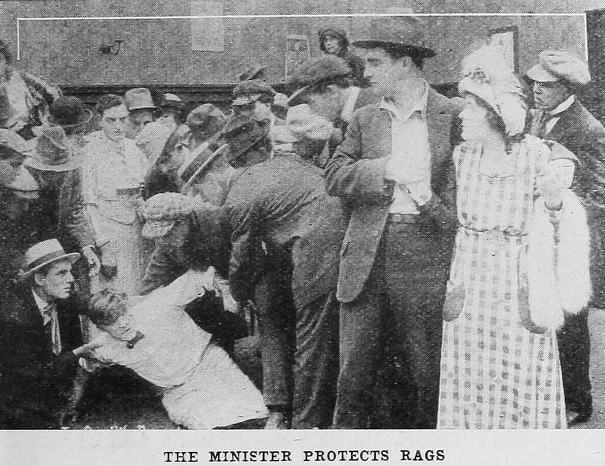
Rayburn’s descent is not a mere tumble—it is a vertical odyssey through strata of social cartilage. He slips past philanthropic ladies who smell of lavender and disdain, past newsboys who chant his surname like a curse, until the cobblestones grow mossy with river fog and the air tastes of rusted rivets. Hawks intercuts his trajectory with shots of stained-glass windows whose colors invert: cobalt bleeds into bruise, rubies into clot. By the time the protagonist topples through the swinging doors of a dockside saloon, the screen itself seems to reek of malt and wet sawdust. William Desmond’s shoulders fold inward like broken wings; the actor knows how to let shame inhabit the spaces between breaths.
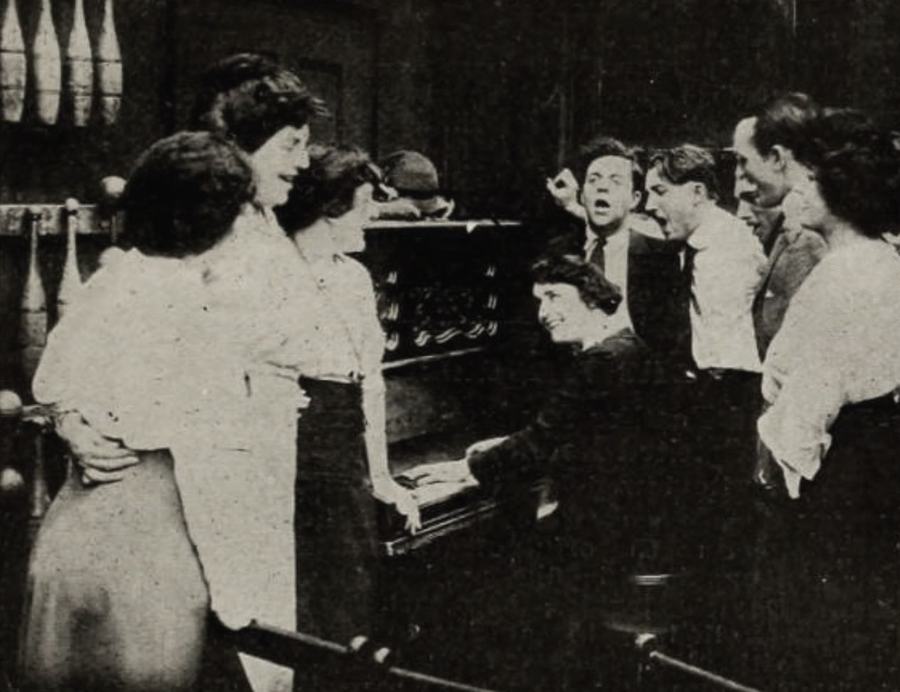
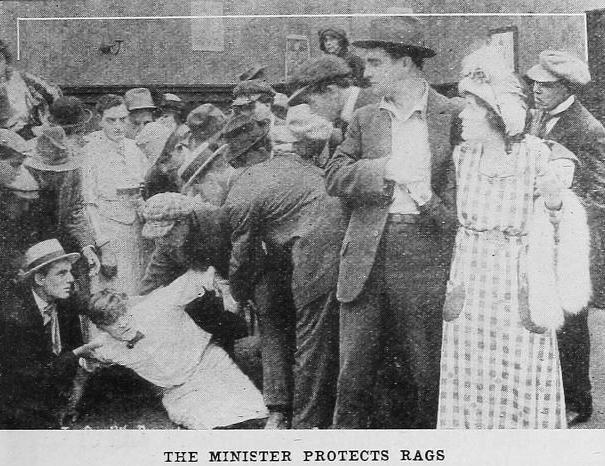
Truly Shattuck plays Rags with the brittle swagger of a woman who has learned to weaponize her own silhouette. She enters swaddled in piano smoke, cigarette glowing like a punctuation mark in the gloom. Her first close-up—a medium-long shot that drifts from chipped lacquer nails to the half-moon bruise beneath one eye—tells entire novellas of dockyard courtships gone sour. Yet the miracle is how, without sanctimony, she recognizes Rayburn’s river-plunge as a mirror of her own earlier sinking. Hawks refuses the cliché of the harlot-with-heart; instead Rags’s altruism is transactional—she trades rescue for company, hope for harmony, and ultimately love for freedom. Watch how Shattuck pauses before pulling Rayburn from the water: a single frame of hesitation that implies she is fishing out her own possible corpse.
What emerges from the bilge is neither sermon nor tavern but a liminal chapel where riveters nurse beers and dockhands debate scripture between hammer-blows. Rayburn, re-christened “Brother Art,” mounts a soapbox pulpit; his voice, once trained in homiletics, now syncopates to the hiccup of a player-piano. The cinematographer bathes these scenes in chiaroscuro: amber lamplight pools over faces while the periphery recedes into obsidian, suggesting holiness as a portable spotlight rather than an architectural given. Hawks is astute enough to montage the club’s growth through vignettes—an illiterate stevedore learning to spell his daughter’s name, a consumptive cough eased by communal soup—escaping the preachiness that hobbles many social-gospel pictures of the era.
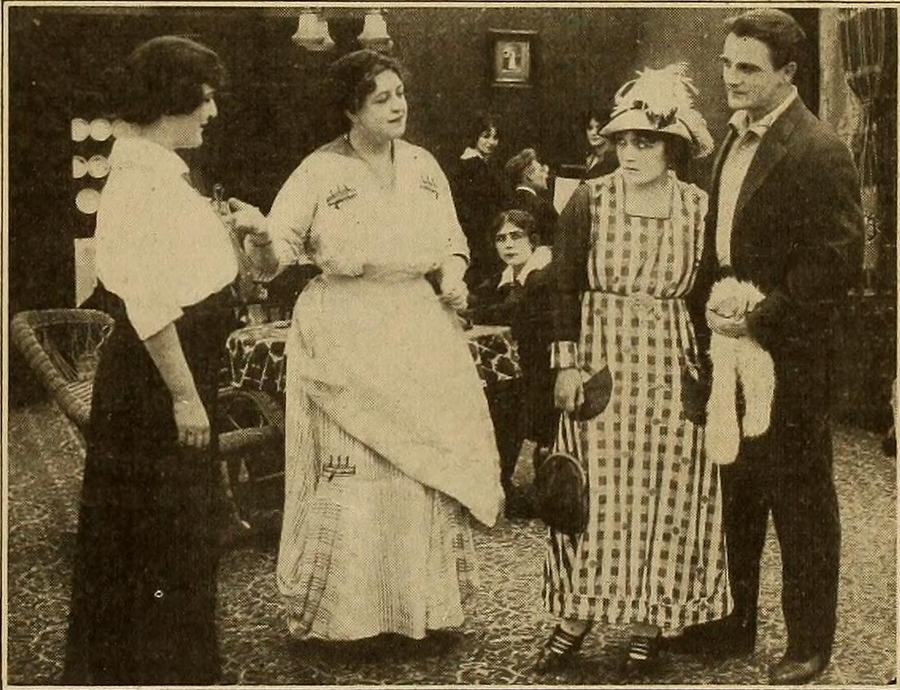
Enter the bishop again, silk hat now beaded with river sleet. Recognition dawns in a glance that travels from Rayburn’s rolled sleeves to the sawdust crucifix some drunk has etched on the floor. The scene is blocked like a chess problem: two kings circling, one cloaked in ermine rhetoric, the other in sweat-soaked cotton. Hawks drowns the soundtrack (piano, hushed chatter) to let the silence clang. The reinstatement, when it arrives, feels less like absolution than corporate merger—church authority colonizing successful grassroots zeal. Note the subtle shift in Desmond’s posture: spine straightens, chin lifts, yet the eyes retain the hunted glint of a man who suspects salvation may be merely another brand of handcuff.
Jane Grey’s Rene drifts through the final reel like a cameo cut from moth-eaten lace. She embodies everything Rags refuses to become: pedigree without substance, devotion without risk. When Rayburn proposes to Rags on the pier, gulls wheel overhead like torn paper, and the camera shares its gaze equitably between both women—one reflected in the river’s obsidian skin, the other watching from a lamplit doorway. Rags’s refusal is not self-abnegation; it is a radical assertion that love cannot thrive on gratitude’s crooked currency. Carol Holloway’s screenplay gift-wraps her exit line—“Go marry your ghost, preacher; I’ve got songs to play”—a declaration that reverberates beyond the iris-out.
Though celluloid is black-and-white, Hawks inscribes chromatic ghosts. Rum appears as oleaginous swirls across the punch bowl, visually rhyming with the inky sludge of the river later on. Rags’s yellow silk neck-scarf, hand-tinted for some prints, flames like a Pentecostal tongue whenever she pounds the ivories. The bishop’s purple vestments—rendered in deep charcoal—carry a halo of scratched emulsion that hints at imperial decadence. These chromatic suggestions anticipate the symbolic palettes that would flower in later masterpieces like The Bells or The Mysteries of Myra.
William Desmond eschews the arm-flailing histrionics common to 1916 melodramas; his intoxication is a slow leak rather than a dam burst—eyelids that droop like wet tissue, fingers that scrabble for meaning along trouser seams. Truly Shattuck counterbalances with feral precision: watch her stub a cigarette with the same delicacy another actress might reserve for a rose-sniff. Even minor players—Fanny Midgley as the gin-crone, Bob Kortman as the dock bully—sketch entire livelihoods with a single prop (a thimble, a grappling hook).
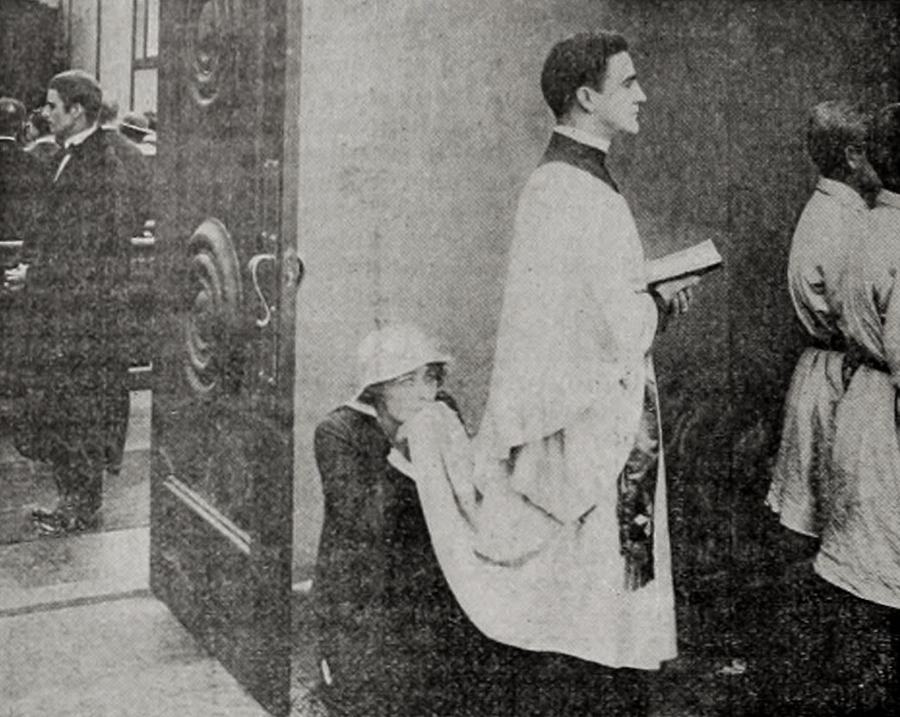
Hawks structures the 68-minute runtime like a four-movement jazz suite: 1) brisk ragtime of academic pride, 2) adagio of public shaming, 3) scherzo of skid-row camaraderie, 4) reprise of quasi-liturgical triumph shot through with blue-note loss. Intertitles by J.G. Hawks lean toward the poetic—“The river asked for a soul; the piano offered a prayer”—yet never balloon into the purple prose that sank contemporaneous efforts like The Folly of Desire.
Though released four years before nationwide Prohibition, The Waifs vibrates with the era’s moral schism. Rum is both sacrament and poison, and the film declines to sermonize. The saloon’s conversion into a mission anticipates the speakeasies-cum-chapels that would dot the Depression. One suspects Hawks, himself a reformed newspaper wag, winking at the notion that America’s truest liturgy might occur not in basilicas but in basement gin joints where the host is served with a beer chaser.
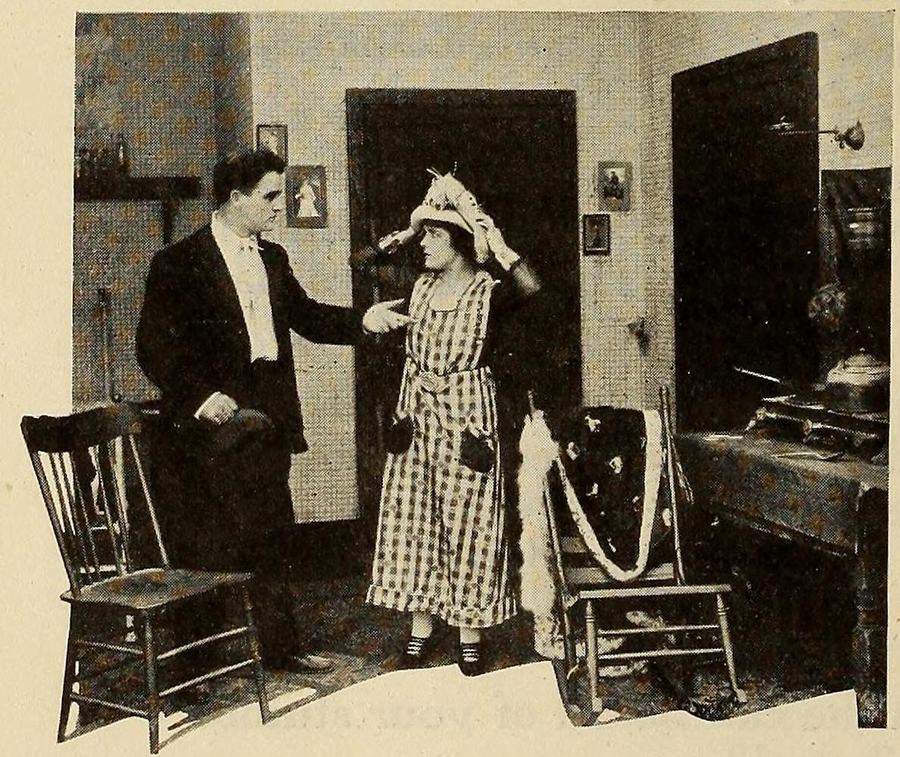
Viewers who cherish the vagabond redemption arc of The Beloved Vagabond will recognize the template, yet Hawks refuses to collapse class tensions into sentimental grout. Conversely, the film’s river-suicide tableau inverts the gendered rescue of Gretchen the Greenhorn, granting the female savior both agency and exit. And where Birth of Democracy mythologizes civic virtue, The Waifs insists that grace is leased by the hour, renewable only through communal toil.
Once feared lost, a 35mm nitrate with Dutch intertitles surfaced in a Haarlem rectory in 1987; a second, incomplete reel resides in the Library of Congress Paper Print collection. The current digital restoration by Gartenberg Media flaunts a sepia gradient that approximates two-strip Technicolor testing, though purists may quibble about frame-line duplication. The tints, fortunately, do not drown the delicate interplay of lamplight and river-mist that constitutes the film’s visual scripture.
Modern algorithmic cinema often peddles redemption as a McGuffin, a quick rinse before the sequel. Hawks’s artifact reminds us that salvation is a communal improvisation, scored in the key of shared vulnerability. Rags’s last walk into foggy anonymity leaves the viewer suspended between triumph and wistfulness—an emotional overtone that no franchise can replicate. For anyone excavating the DNA of American moral storytelling, The Waifs is indispensable: a celluloid sermon where the steeple is a bar-rail, the choir a honky-tonk piano, and the benediction a cigarette glow receding into darkness.
Runtime: 68 min | Director: J.G. Hawks | Writers: J.G. Hawks | Cast: Truly Shattuck, William Desmond, Carol Holloway, Jane Grey | Cinematography: Louis Durham | Distributor: Mutual Film Corporation
IMDb 6
1936
Community
Log in to comment.