DbcultAccessing Vault...
Cult Review
Senior Film Conservator
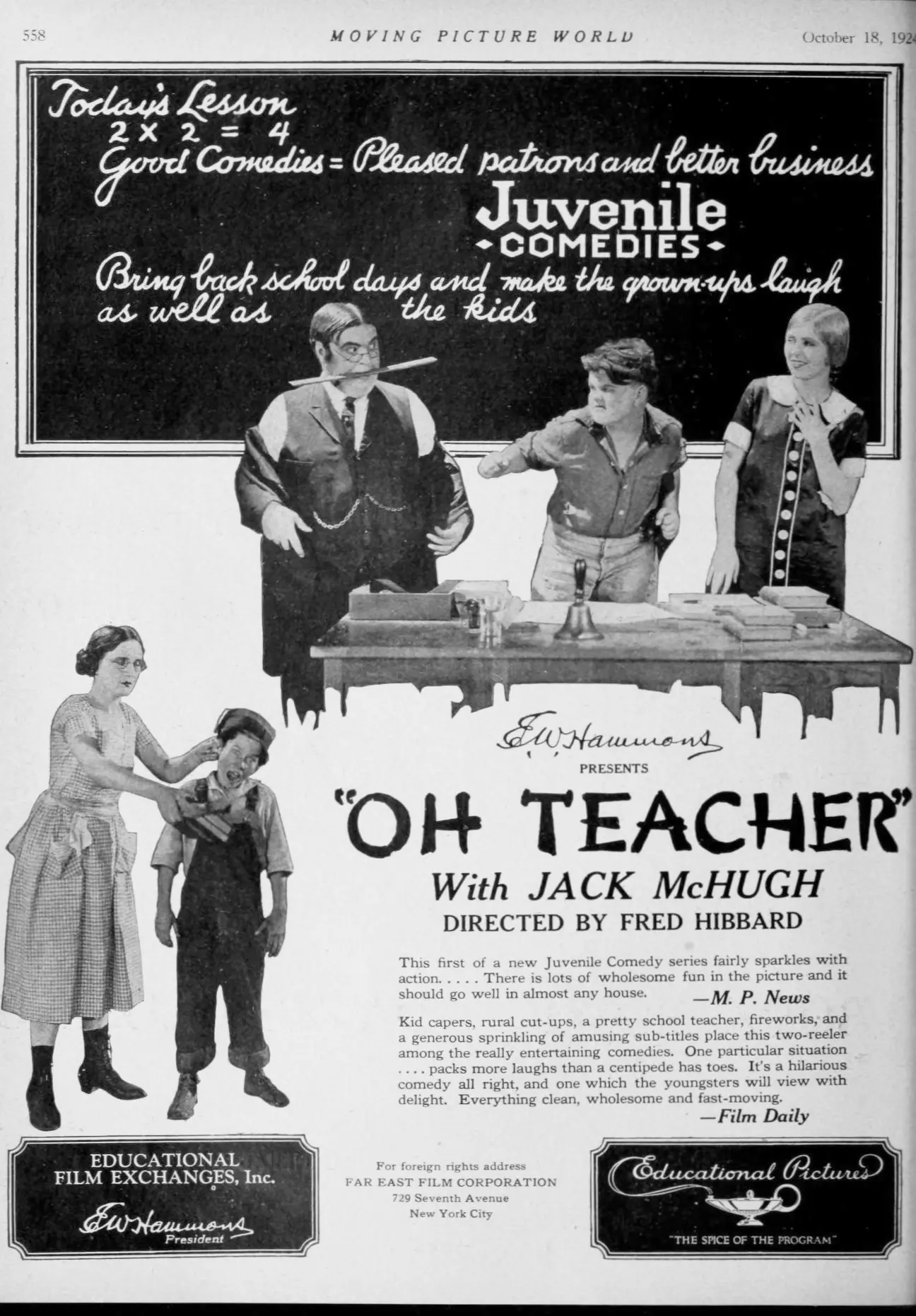
In the rarefied realm of cinematic satire, few films have managed to skewer the pretensions of pedagogical politics with the same level of acerbic wit and precision as 'Oh, Teacher!' (1924). This oft-overlooked gem, directed by an anonymous auteur, presents a scathing critique of bureaucratic overreach, one that remains remarkably resonant in the present day.
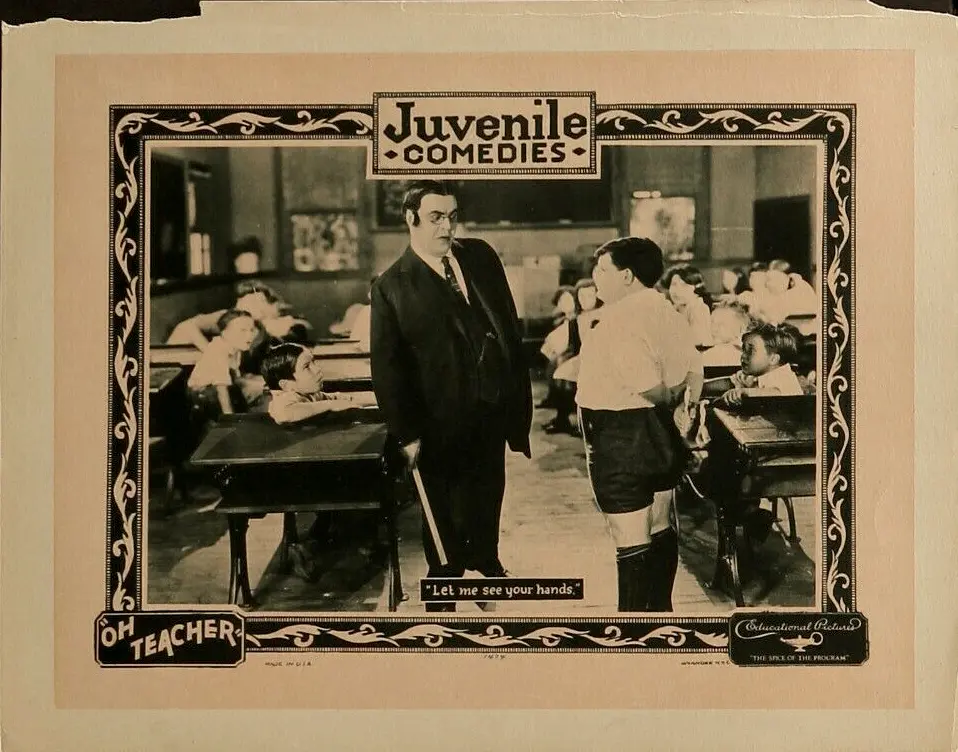
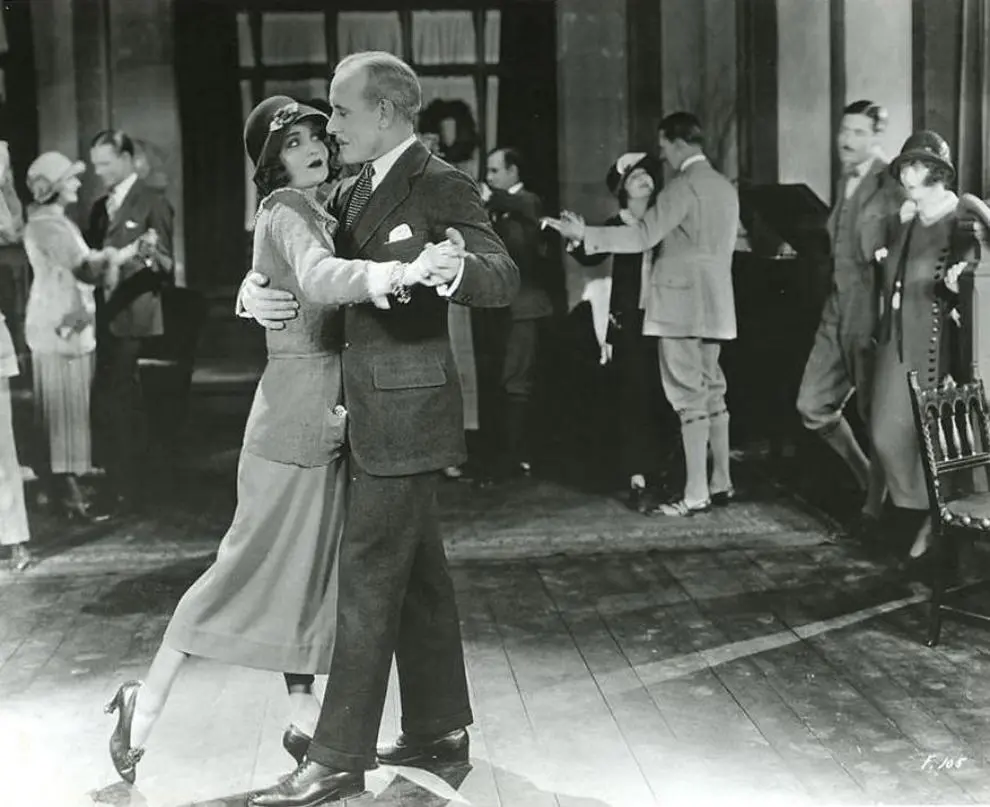
The film's narrative, deceptively straightforward, belies a complexity that rewards close attention. The local education board, driven by a reactionary prudery, terminates the contract of Dorothy Seastrom, a captivating educator, labeling her a seductive vamp. This draconian measure, ostensibly justified by concerns over her alleged immorality, serves only to underscore the board's hypocrisy and lack of vision.
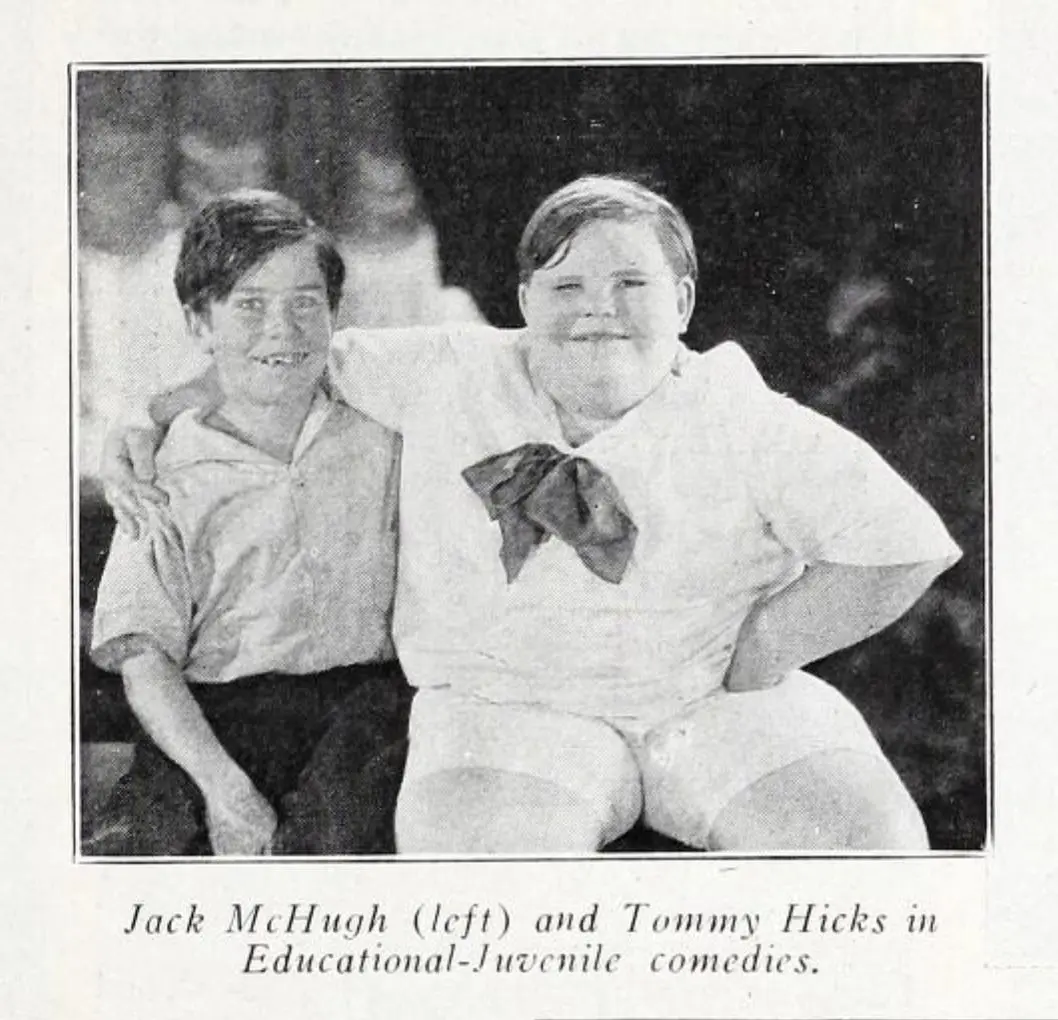
The usurper, a corpulent board member, played with Tommy Hicks, assumes Seastrom's position, only to be met with vehement resistance from the students. The young scholars, aided by Seastrom's paramour, orchestrate a series of clever pranks and sabotage, effectively rendering the usurper's tenure untenable. This spirited rebellion, replete with clever plot twists and comedic set pieces, serves as a testament to the enduring power of creative resistance.
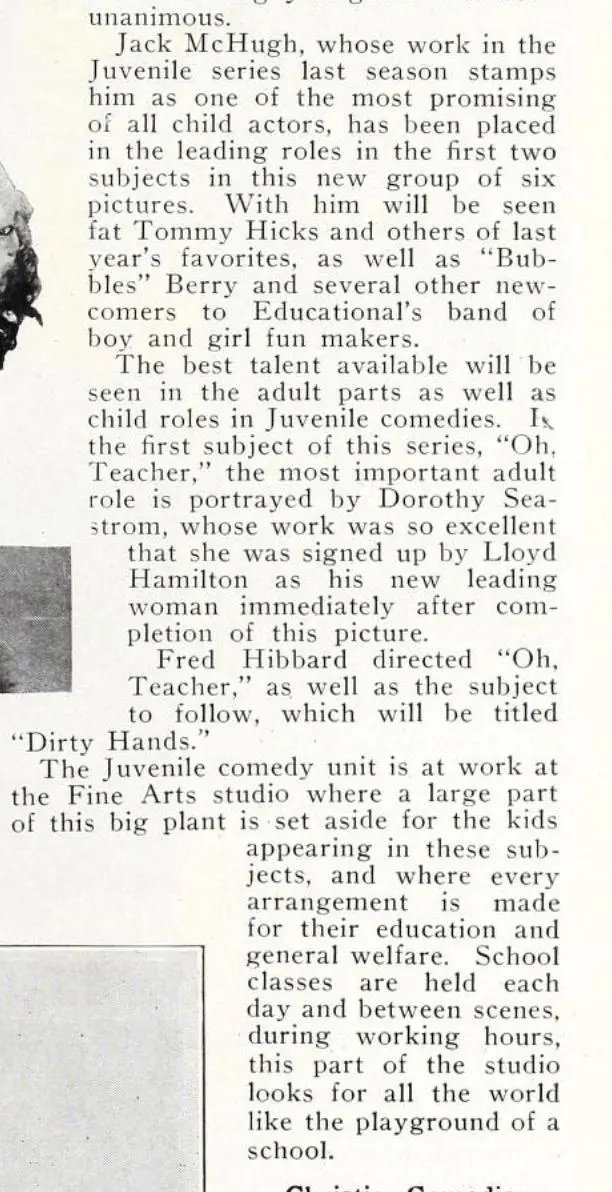
Throughout the film, the performances are exemplary, with Seastrom and Hicks delivering standout turns. The chemistry between the leads is palpable, imbuing the film with a sense of emotional authenticity that underscores the satire. The supporting cast, including Jack McHugh and Eddie Boland, add to the film's humor and charm, creating a richly textured dramatic landscape.
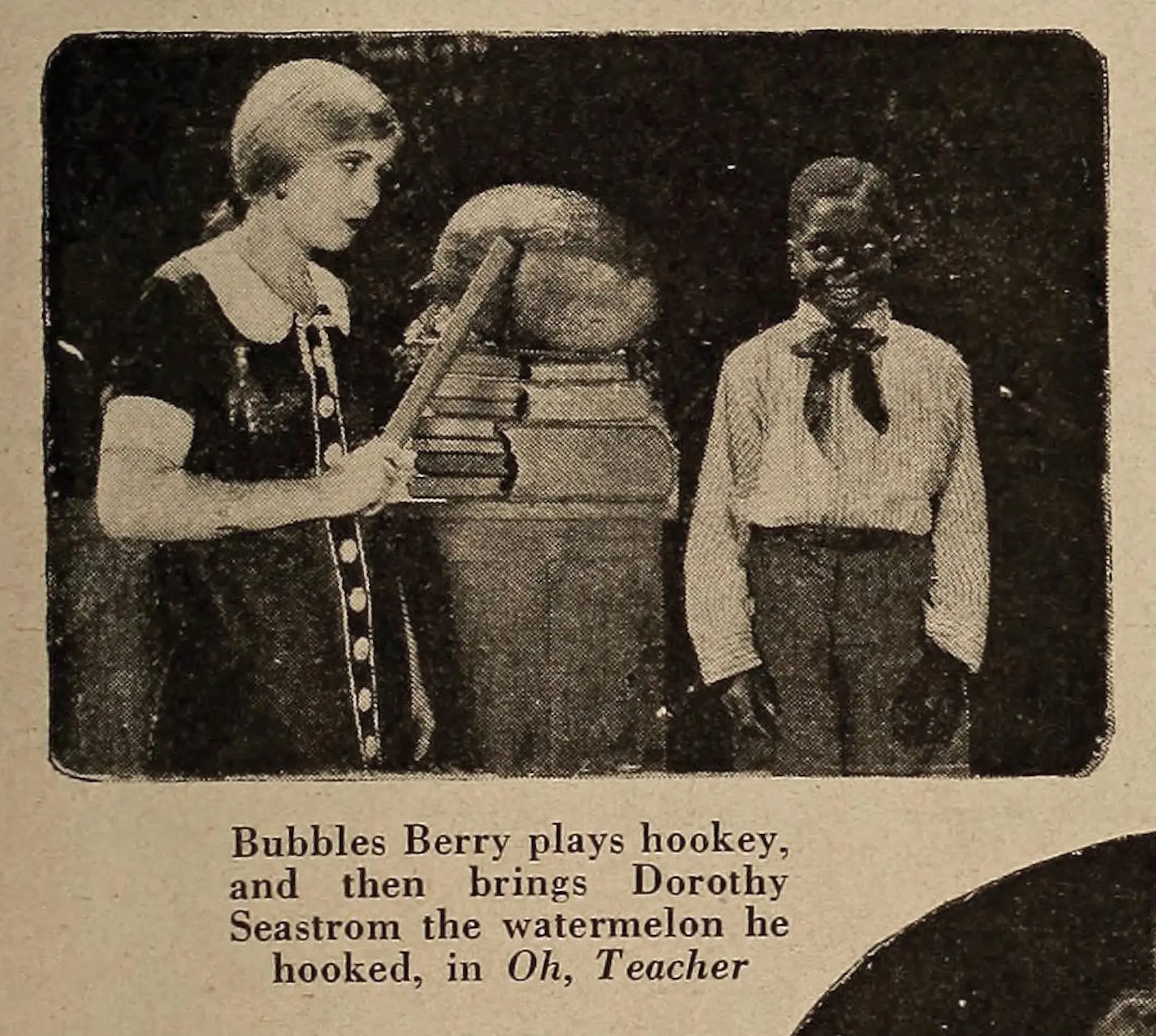
In terms of cinematic antecedents, 'Oh, Teacher!' recalls the similarly themed satires of the era, such as Honor Among Men and His Royal Highness. These films, while not directly related to 'Oh, Teacher!', share a common concern with the social and cultural upheavals of the time. Our film, however, distinguishes itself through its particularly pointed critique of pedagogical politics and its ingenious comedic plot.
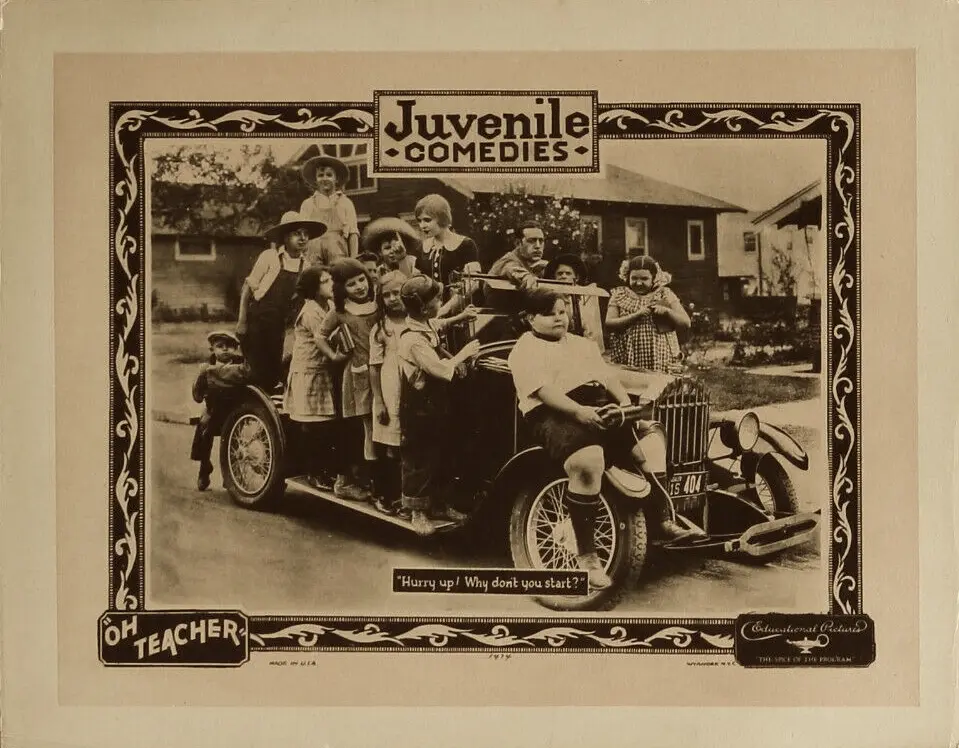
From a technical standpoint, 'Oh, Teacher!' demonstrates a deft handling of cinematic technique. The direction, while uncredited, reveals a keen sense of pacing and timing, expertly balancing humor and pathos. The cinematography, equally impressive, captures the film's comedic set pieces with a clarity and precision that adds to the overall sense of visual cohesion.
In conclusion, 'Oh, Teacher!' is a tour de force of comedic filmmaking, one that deserves to be recognized alongside other notable satires of the era, such as Oath-Bound and You Can't Fool Your Wife. Its wickedly funny critique of bureaucratic overreach and pedagogical pandemonium remains remarkably resonant in the present day, making it an essential viewing for anyone interested in the evolution of cinematic satire.
Ultimately, 'Oh, Teacher!' serves as a testament to the enduring power of creative resistance, demonstrating that even in the face of overwhelming oppression, the human spirit can prevail. This delightful film, with its richly textured dramatic landscape and ingenious comedic plot, is a must-see for anyone interested in the art of cinematic satire.
IMDb 6
1925
Community
Log in to comment.